
Дети и домашние животные зачастую становятся лучшими друзьями, но тем не менее, задачей родителей является научить своих малышей, как правильно вести себя рядом с нашими «братьями меньшими». Это касается и внештатных ситуаций с животными на улице, и питомцев в вашей семье.
Во-первых, необходимо научить ребенка, как себя вести, если к нему подошла незнакомая собака: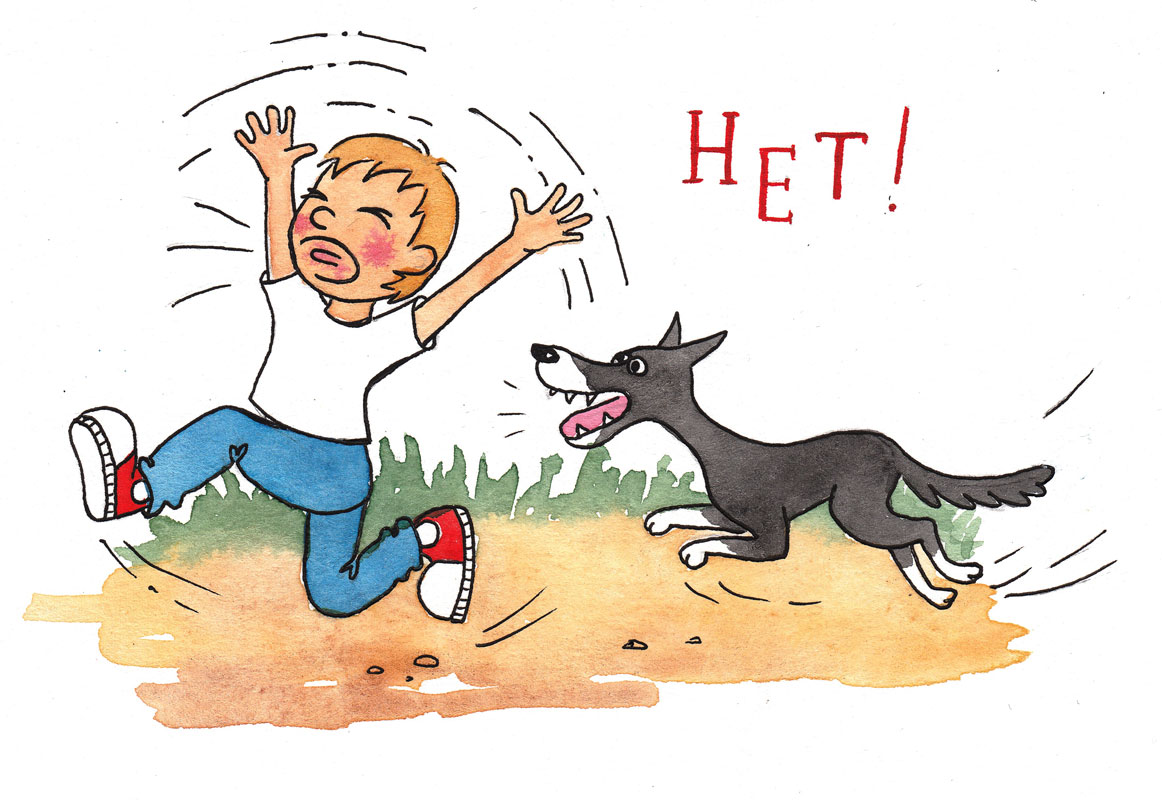
Скорее всего, чужая собака просто понюхает вашего ребенка и отойдет в сторону, особенно если он будет следовать приведенным выше советам. Но на всякий случай убедитесь, что ребенок запомнил: если собака все же напала, необходимо свернуться «клубочком», закрыв лицо руками.
Если же вы собираетесь завести животное дома, ребенка также необходимо научить простым правилам, которые помогут избежать царапин и укусов, которые случаются, если ребенок дергает животное за хвост, бегает за ним и загоняет в угол, или пытается отнять у него игрушку.
Нужно помнить, что собаки – стайные животные, которые живут в соответствии со строгой иерархией. Когда собака входит в вашу семью, она рассматривает всех ее членов как братьев и сестер, и порой выбирает самую младшую девочку или женщину, чтобы задирать ее. Поэтому необходимо сразу дать собаке понять, что все члены семьи являются «вожаками стаи», стоящими на иерархической лестнице выше самой собаки.
Ниже вы найдете некоторые рекомендации, которые помогут сделать отношения между ребенком и вашим питомцем безопасными и приносящими взаимную радость: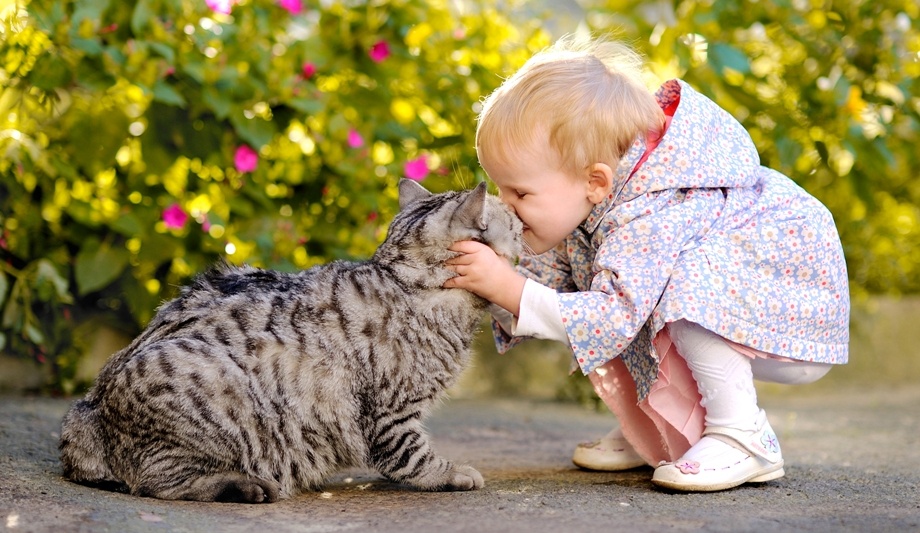
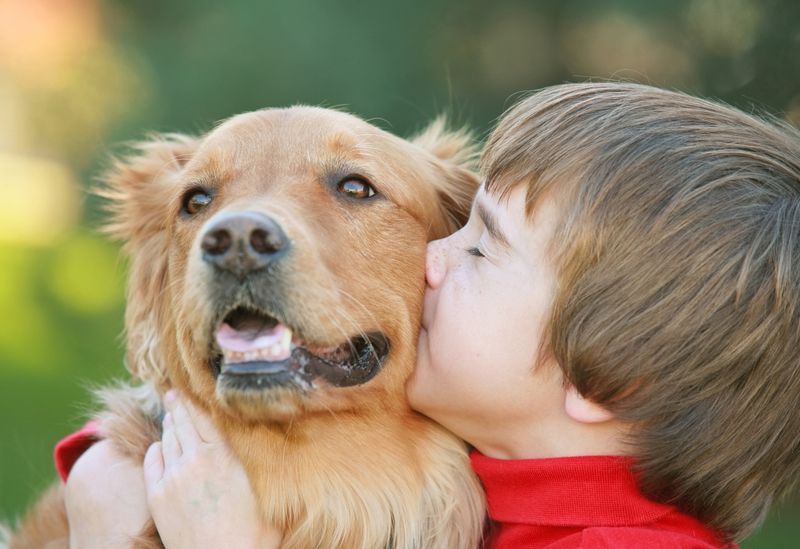 Если речь идет о чужом животном, объясните ребенку, что прежде, чем его потрогать, необходимо спросить разрешения у хозяина.
Не давайте ребенку подходить к испражнениям собак и кошек: они могут содержать опасные бактерии. Часто это бывает нелегко: малыши путают кошачий лоток с песочницей!
Не позволяйте ребенку стоять рядом с собакой, когда она ест или лает на чужака или другое животное.
И самое главное: ребенок должен понимать, что ваш питомец – живое существо, о котором надо заботиться и желания которого необходимо уважать. У животных тоже есть чувства, и они ждут от людей заботы и внимания.
Чтобы оставить здесь комментарий, войдите или зарегистрируйтесь на сайте.
Авторизация
