

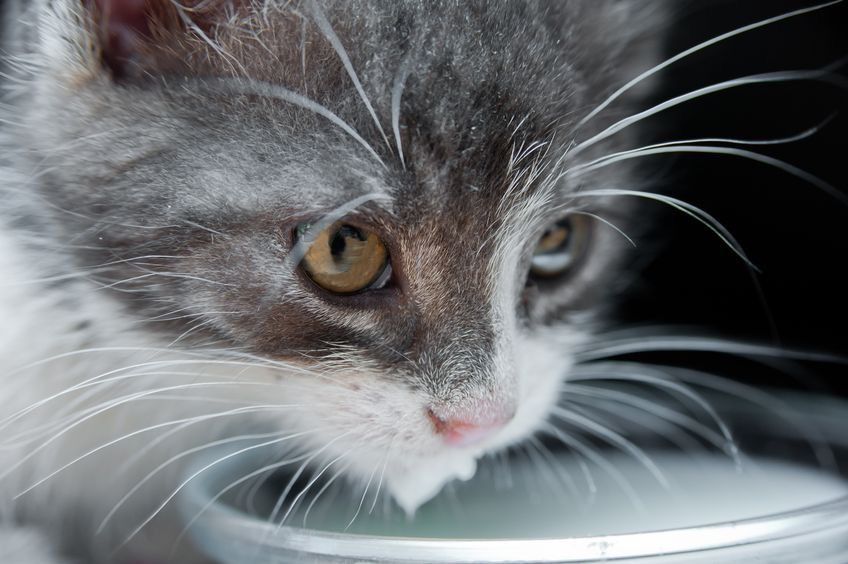
С давних пор, основной едой кошек принято было считать молоко. На рисунках и картинах кошек и котят чаще всего изображают с блюдцем молока, поэтому мы привыкли считать, что этот продукт является для наших пушистых друзей основной едой. Но должны ли кошки пить молоко и насколько оно для них полезно на самом деле?
Многие люди удивляются, узнав, что большинство кошек не переваривают молочную пищу и имеют непереносимость лактозы. Это означает, что их организм не может эффективно расщеплять лактозу — молочный сахар. Как результат, употребление молока может вызвать у них желудочно-кишечные расстройства, такие как диарея и тошнота.
Кроме того, молоко, особенно в больших количествах, может вызывать дисбаланс в пищеварительной системе у кошек, так как не является естественной частью их рациона.

Если речь идет о котятах, то первые несколько недель после рождения они получают молоко от своей матери. Однако, по мере того, как они растут, их организмы становятся менее способными переваривать лактозу. Поэтому дополнительное коровье молоко может вызывать у них желудочные проблемы.
Маленьким котятам необходимо молоко, которое идеально сбалансировано для здоровья кошек. Если котята не могут получать молоко от своей матери, в магазинах легко доступны коммерческие молочные смеси для котят в виде жидкости или порошка, для которых требуется только добавление воды.
Кошки любят молоко. Возможно, именно потому, что мы видим, как наши питомцы наслаждаются этим продуктом, нам трудно поверить, что коровье молоко на самом деле неполезно.
Чтобы оставить здесь комментарий, войдите или зарегистрируйтесь на сайте.
Авторизация
