
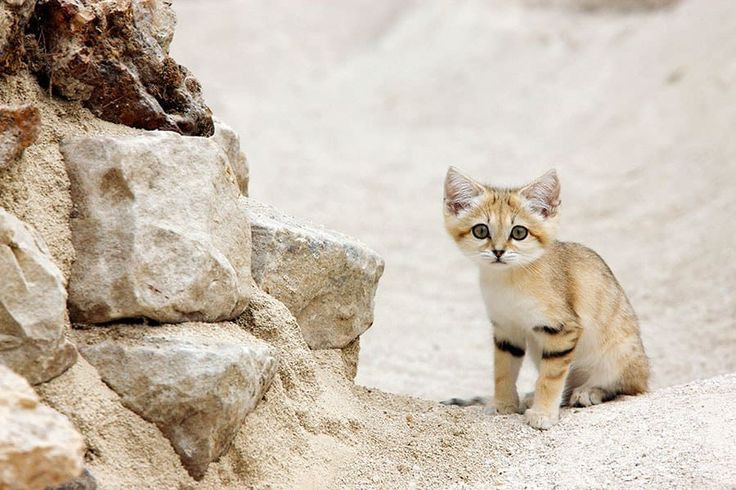
Да, вы можете завести этого необычного кота в качестве домашнего питомца, но рекомендуем сначала узнать о нем побольше, чтобы быть готовым обеспечить надлежащий уход за этим уникальным животным.
Барханный кот Felis silvestris lybica — небольшая ночная дикая кошка, обитающая в пустынях Северной Африки и Юго-Западной Азии. Несмотря на свое название, песчаного кота можно встретить и в других местах обитания, включая степи, леса и даже города.

Внешний вид
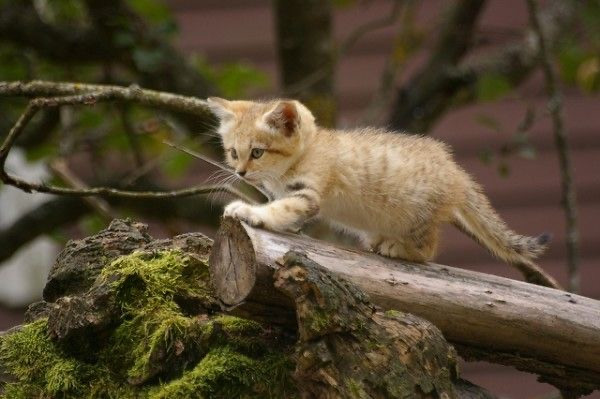
Барханный кот имеет довольно компактный размер, и внешне очень похож на домашнюю кошку. Основное отличие между ними заключается в том, что у песчаных кошек более густой мех, который помогает защитить животное от экстремальных температур пустыни. Окрас серовато-коричневый с черными пятнами и полосами. Живот и грудь обычно светлее. У песчаного кота длинные ноги и большие лапы, которые помогают ему ходить по песку и не тонуть. У него также длинные острые когти, которые помогают ему цепляться за песок и лазить по деревьям.
Питание
Барханный кот — одиночное животное, активное только ночью. Он отличный охотник и использует свое мощное обоняние, чтобы найти добычу. Рацион песчаного кота состоит в основном из мелких млекопитающих, таких как грызуны и зайцы. Он также будет есть ящериц, змей, птиц и насекомых.
При домашнем содержании песчаные кошки должны иметь в рационе живую добычу. Это может быть сложно обеспечить, если у вас нет опыта ухода за рептилиями или другими мелкими животными.
Продолжительность жизни
В дикой природе песчаные кошки обычно живут около 10 лет. Однако при хорошем уходе они спокойно могут прожить в неволе до 20 лет.
Стоимость
Стоит учитывать, что барханный кот — дорогое животное. Стоимость такого экзотического зверька начинается в среднем от 6000 долларов и может доходить до 10000 долларов и выше.
Чтобы оставить здесь комментарий, войдите или зарегистрируйтесь на сайте.
Авторизация
