
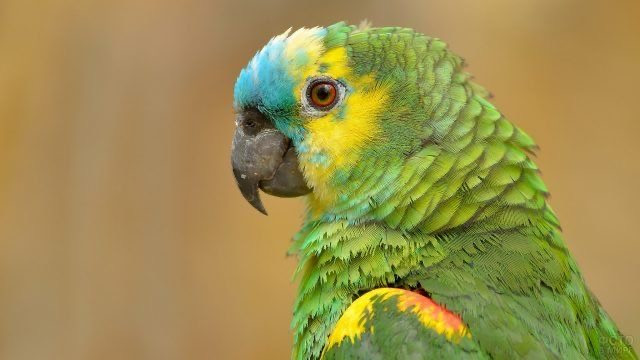
Не только люди, но и попугаи могут испытывать эмоциональные проблемы и впадать в депрессию. У птиц такое состояние часто приводит к саморазрушительному поведению, снижению иммунного ответа и множеству других проблем. Однако, определить у них депрессию может быть сложно, поскольку они не всегда могут явно выразить свое состояние. Вот несколько признаков, которые указывают на то, что у вашего пернатого друга не все в порядке:
1. Изменение аппетита
Хотя это может быть также симптомом других проблем у домашних птиц, одним из важных показателей депрессии является потеря аппетита. Поскольку у птиц очень быстрый метаболизм, важно научиться сразу распознавать, если птица перестает есть. Потеря веса у попугаев происходит быстро и очень вредна для их здоровья.
2. Сонливость и усталость
Видимые признаки сонливости и усталости, такие как повышенное время сна или более низкая активность, могут указывать на депрессию у попугая.
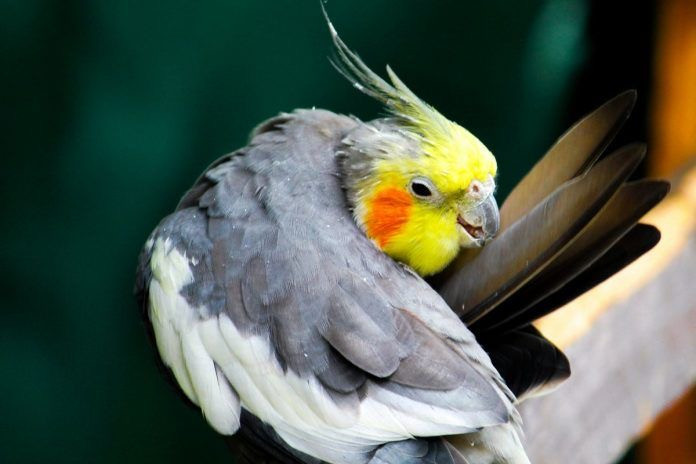
3. Выщипывание перьев
Когда птица начинает выщипывать перья, это может быстро превратиться в серьезную проблему. Если вы заметите проплешины, попросите ветеринара проверить их, чтобы исключить болезнь. Как только вы убедитесь, что в этом нет медицинской проблемы, нужно попытаться выяснить, почему ваша птица ощипывается. Многие попугаи начинают выщипывать перья от скуки или когда им не хватает социального взаимодействия. Поэтому проводите больше времени со своим питомцем, возможно, это то, в чем он нуждается больше всего.
4. Снижение активности и игрового поведения
Депрессия приводит к снижению общего уровня активности, отсутствию интереса к играм и развлечениям. Если ваш попугай стал пассивным и не интересуется игрушками или занятиями, которые раньше доставляли ему удовольствие, это может быть признаком возможной депрессии.
5. Агрессивное поведение
Одним из основных и наиболее легко распознаваемых признаков депрессии у птицы является внезапное изменение её характера. Часто у попугаев это проявляется в виде агрессии. В то время как такое поведение может быть сезонным и связано с гормональными проблемами, постоянная нехарактерная агрессия нередко является признаком того, что птица несчастна.
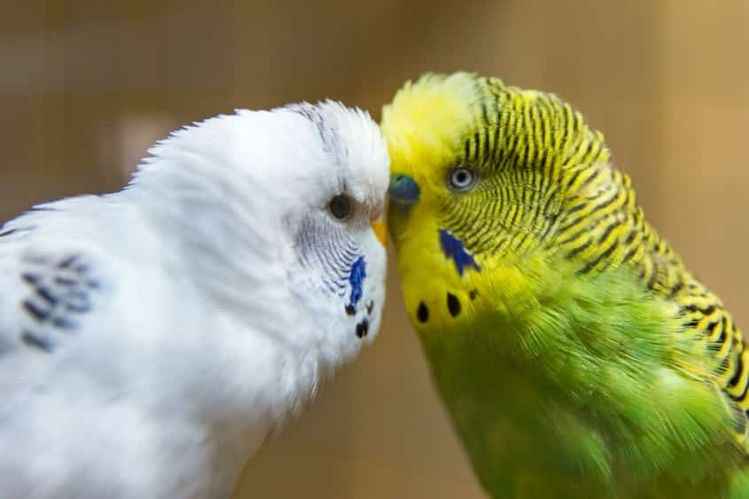
Важно иметь в виду, что эти признаки также могут быть связаны с другими физическими или психологическими проблемами у попугая. Если вы заметили у птицы один или несколько симптомов, нужно срочно обратиться к ветеринару. Врач сможет провести диагностику и предложить наилучшие рекомендации для вашего попугая.
Чтобы оставить здесь комментарий, войдите или зарегистрируйтесь на сайте.
Авторизация
