
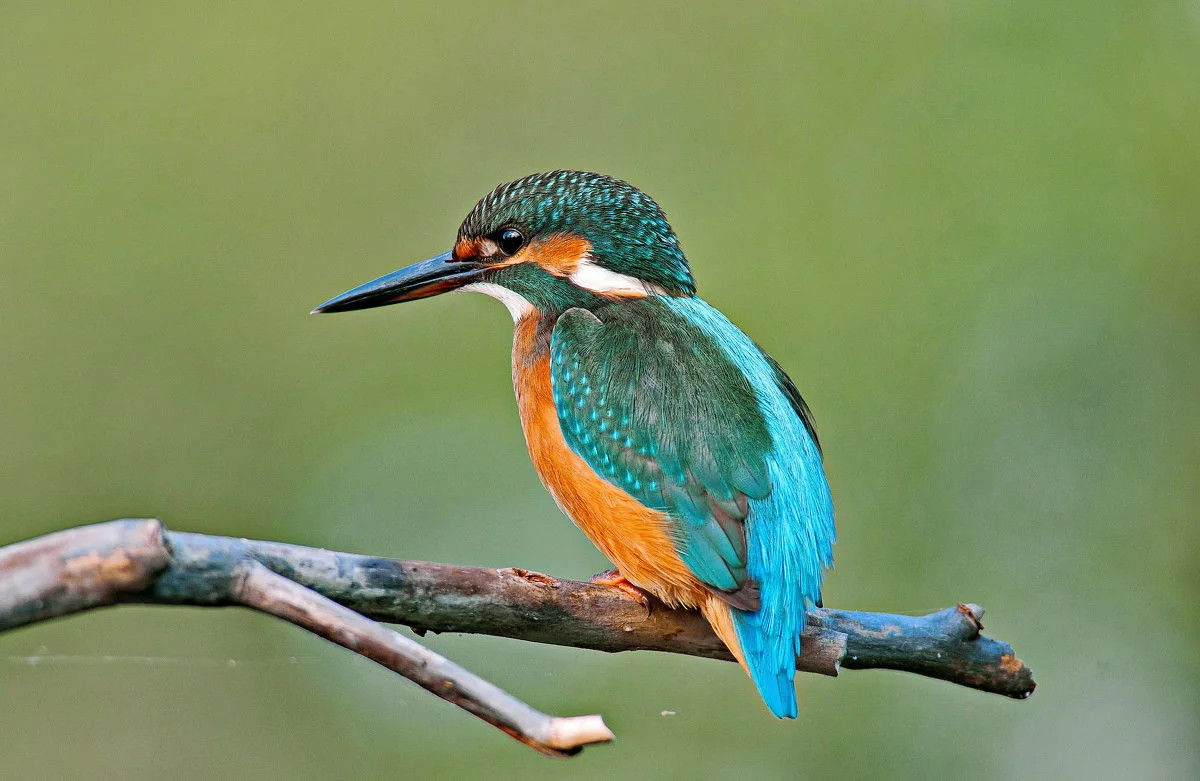
Зимородки — это маленькие и удивительно красивые птички, которые отличаются крепким и длинным клювом. Что общего у этих пернатых и японских скоростных поездов?
А ведь именно эти птицы решили одну из самых больших проблем японского сверхскоростного пассажирского экспресса!
Когда такой поезд был впервые разработан японскими учеными, высокие скорости вызвали волну атмосферного давления впереди него. Проходя через туннели, волна производила громкий «звуковой удар» на выходе. Этот хлопок был слышен на расстоянии почти 500 метров и очень беспокоил жителей в окрестностях. Инженеры должны были найти способ сделать поезд более тихим, не жертвуя скоростью и не потребляя больше энергии.
Эта проблема оказалась особенно сложной, потому что она была связана как с геометрией туннеля, так и со скоростью поезда.
Неожиданно, решение этой проблемы нашел главный инженер компании Эйдзи Накацу. Посетив лекцию авиационного инженера о птицах, Накацу понял, что изучение полета птиц поможет ему спроектировать поезд будущего.
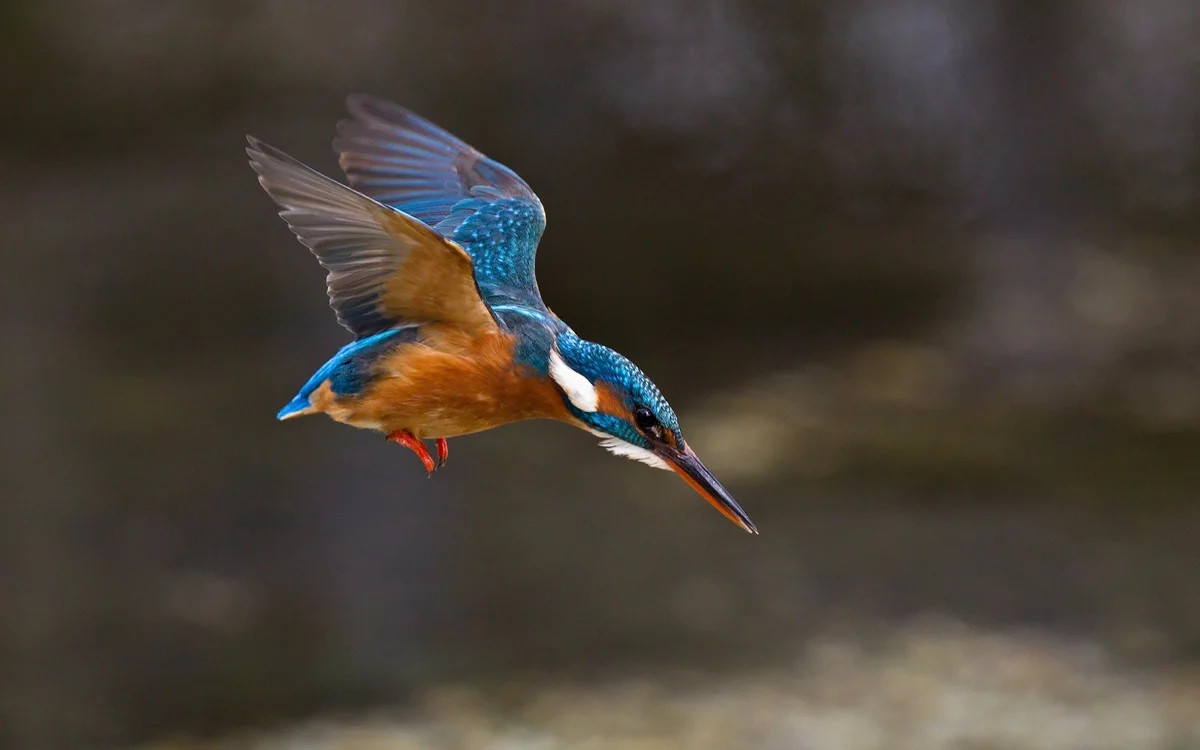
Инженер стал наблюдать за птицами зимородками и заметил их впечатляющую особенность: чтобы поймать рыбу они ныряли в воду на большой скорости и делали это практически без брызг.
Тогда ученый решил спроектировать переднюю часть поезда похожую на голову и клюв зимородка. Это и стало кардинальным решением в построении сверхскоростных поездов.
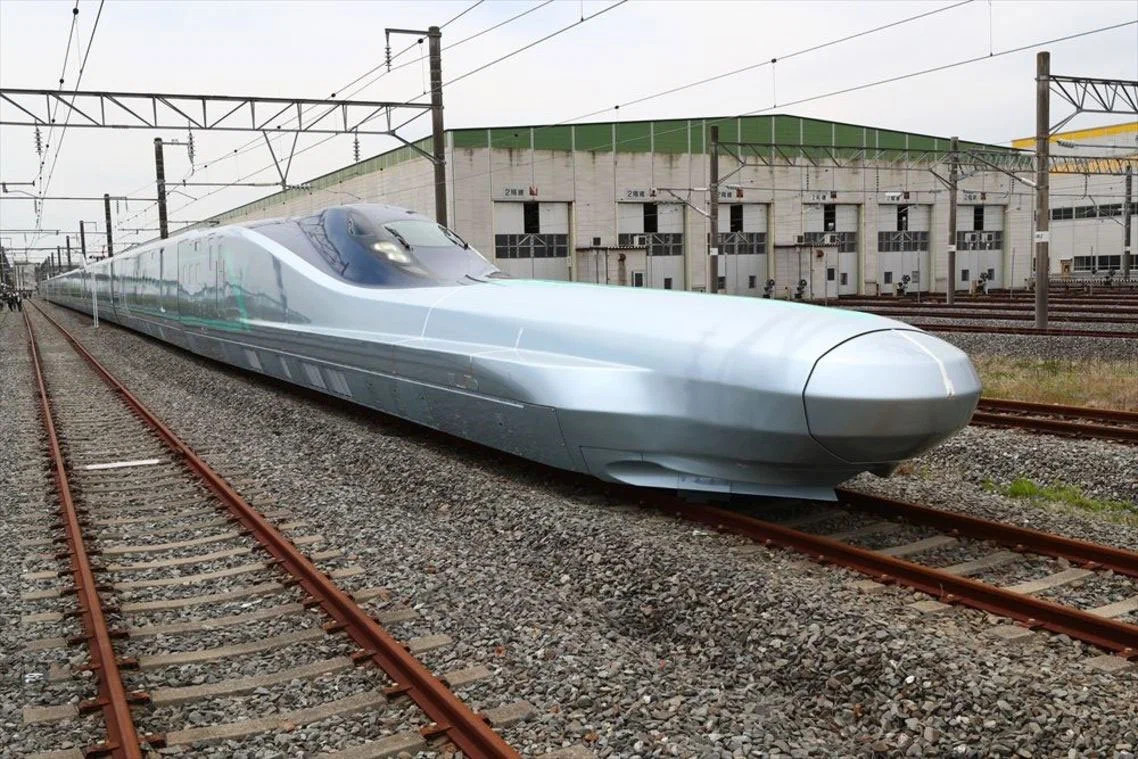
Анализ данных показал, что идеальная форма для таких поездов идентична форме клюва зимородка. Это не только помогло снизить уровень шума и устранить туннельные хлопки, но также позволило поезду двигаться на 10% быстрее, используя на 15% меньше электроэнергии.
Чтобы оставить здесь комментарий, войдите или зарегистрируйтесь на сайте.
Авторизация
