Секция 1. Пинчеры и шнауцеры
Группа 3. Рабочие
Группа 3. Рабочие
Группа 7. Рабочие
Группа 2. Служебные
Группа 6. Вспомогательные
Группа 6. Вспомогательные
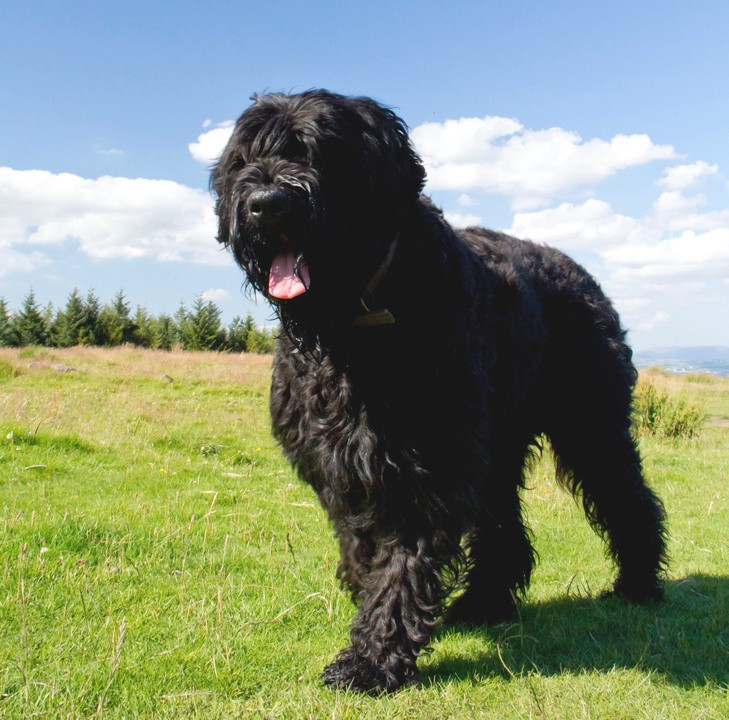
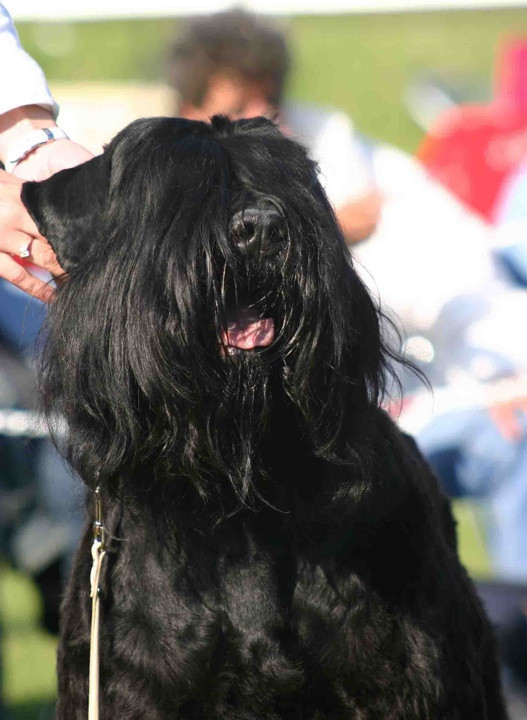
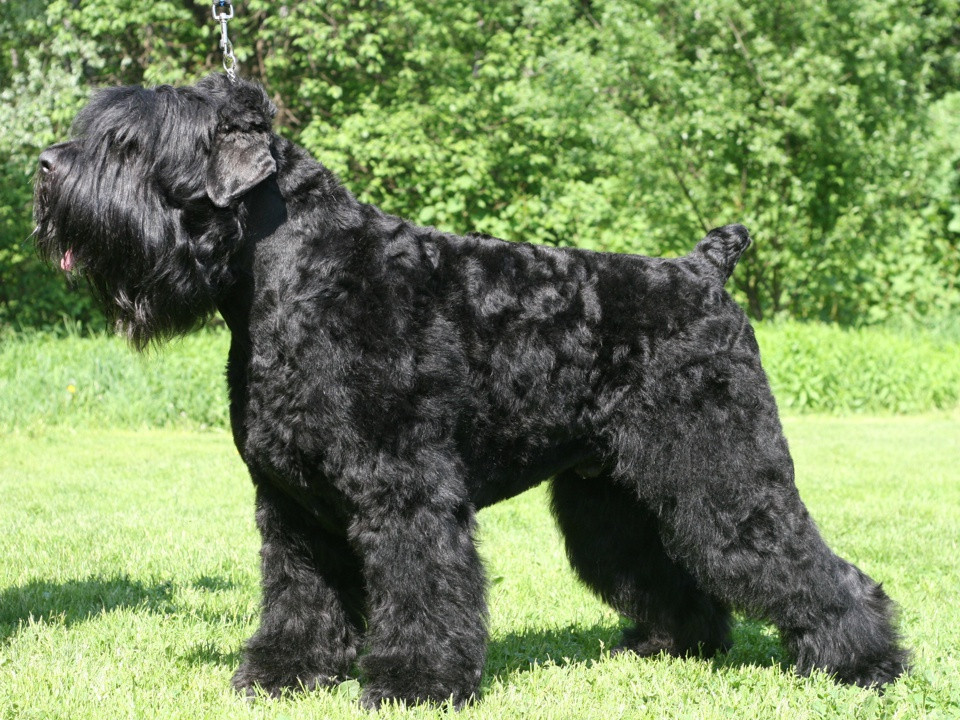
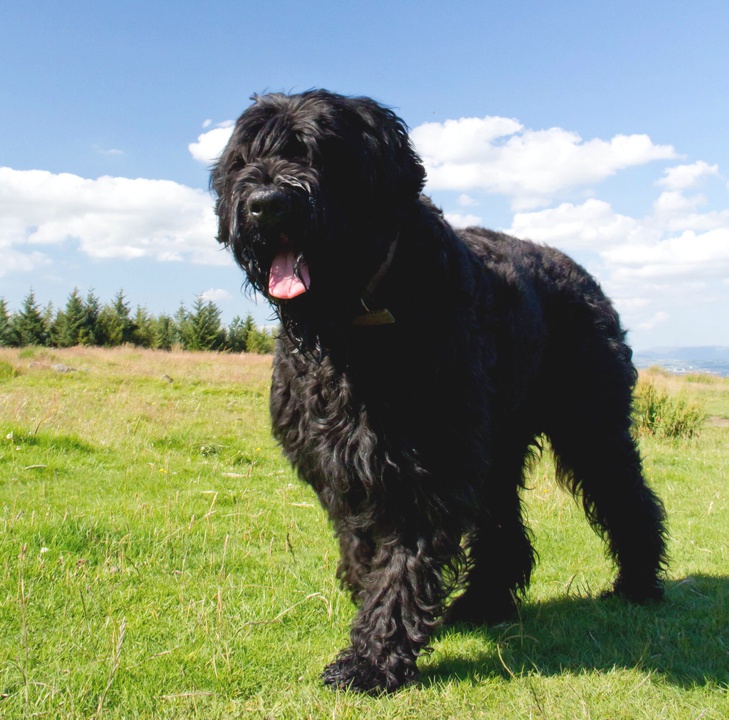
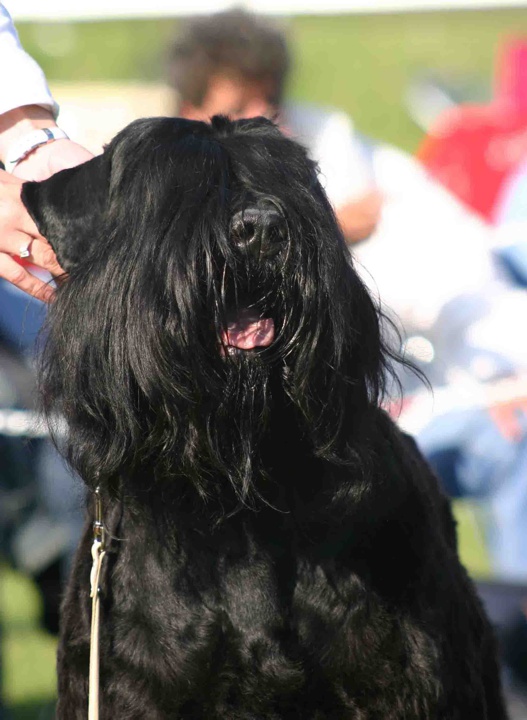
Череп умеренно широкий с плоским лбом. Верхняя линия черепа параллельна верхней линии морды. Надбровные дуги и затылочный бугор умеренно выражены. Стоп заметный, но не резкий. Нос крупный и черный. Морда крепкая, широкая и чуть короче черепа. Морда широкая у основания и немного сужается к кончику носа. Усы и борода подчеркнуто объемные и придают морде квадратную, тупоугольную внешность. Губы толстые, с хорошим пигментом и плотные. Обводы губ темные. Зубы крупные, белые, плотно примыкающие друг к другу, нижние резцы расположены в линию. Полный комплект (42 зуба). Ножницеобразный прикус. Скулы сухие скулы с округлыми, но не выдающимися скуловыми дугами. Глаза среднего размера, овальной формы, прямо и широко поставленные, темного цвета. Веки сухие, плотно прилегающие и черные. Уши висячие. Поставлены высоко и симметрично, среднего размера, треугольной формы. Передний край плотно прилегает к скуле. Полотно уха плотное, без складок.
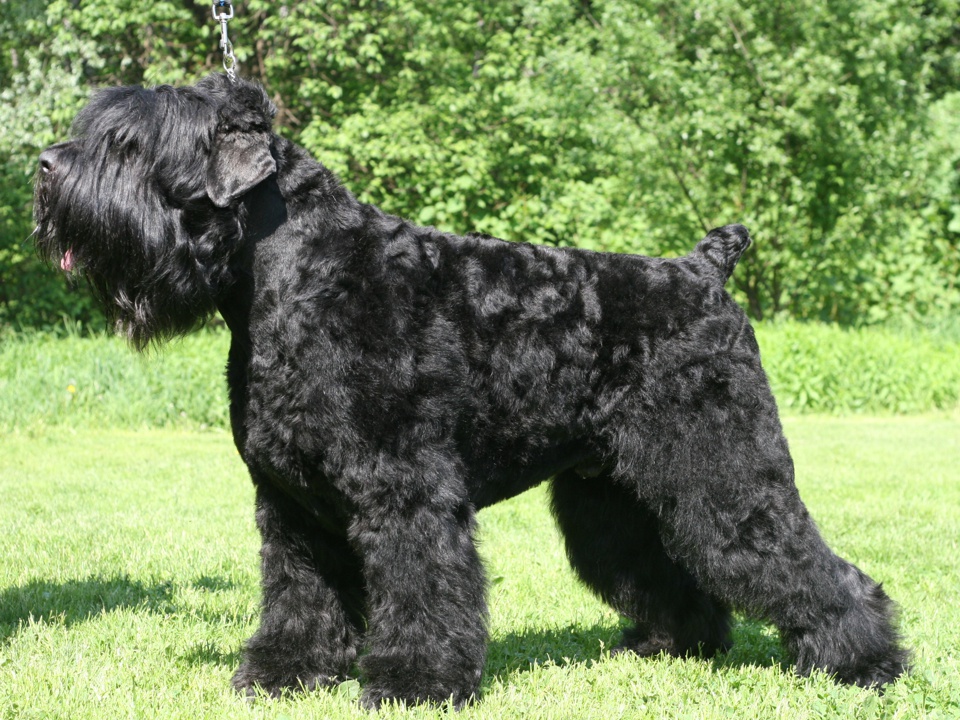
Шея сильная, сухая и мускулистая. Длина шеи приблизительно равна длине головы, постав - под углом 45-50 градусов к горизонтали. Загривок сильный и хорошо развитый. Корпус прочный, глубокий и объемный, хорошо сбалансированный. Линия верха слегка наклонная от холки к основанию хвоста. Спина сильная, прямая и мускулистая. Длина самой спины приблизительно равна 1\2 всей длины, измеренной от холки до основания хвоста. Поясница широкая, короткая, мускулистая и слегка выпуклая. Длина равна приблизительно 1\2 длины спины. Круп широкий, мускулистый, слегка наклонный и умеренно длинный. Грудь глубокая, длинная и широкая со слегка изогнутыми ребрами. Форма грудной клетки (в поперечном сечении) овальная. Грудина длинная и передняя часть груди несколько выступает вперед за плечелопаточное сочленение и хорошо омускулена. Ребра несколько выпуклые. Живот умеренно подобран. Паха только чуть развиты.
Передние конечности при осмотре спереди передние ноги прямые и параллельные. Расстояние от локтя до земли составляет приблизительно 50-52% от высоты собаки в холке. Лопатки длинные, широкие и хорошо наклонные. Угол между лопаткой и плечевой костью приблизительно 100 градусов. Плечевая кость омускуленная и не короче лопатки. Пясти короткие, массивные и слегка наклонные при осмотре сбоку. Задние конечности при осмотре сзади прямые и параллельные, расставлены шире, чем передние. При осмотре сбоку – расположены чуть позади самой собаки. Бедра умеренно длинные, слегка наклонные, широкие, с хорошо развитой объемной мускулатурой. Колени с хорошим углом. Голень не короче бедра. Плюсны сильные, короткие и вертикальные. Без прибылых пальцев. Лапы крупные, компактные и округлые по форме. Когти и подушечки черные.Задняя лапа немного меньше передней, с тенденцией к овалу. Когти и подушечки черные.
Толстый у основания и посажен высоко. В движении хвост несется весело, но основание хвоста не должно быть закинуто на спину (беличий хвост). В стране происхождения хвост обычно купируют. Если хвост не купирован, его длина и форма не имеют значения при оценке собаки. Предпочтительно, чтобы некупированный хвост был саблевидной или серповидной формы.
Шерстный покров жесткий. Толстая двойная шерсть, состоящая из грубого, толстого, слегка волнистого покровного волоса и мягкого, короткого и плотного подшерстка. Покровный волос покрывает все тело. Длина естественной нестриженной шерсти составляет 5-15 см. Украшающая шерсть на морде очень развита и формирует обильные брови, усы и бороду. Ноги покрыты длинной, плотной украшающей шерстью. Груминг в правильных объемах необходим. Стриженная шерсть должна подчеркивать черты силы и уверенности собаки, но ни в коем случае не быть излишне декоративной. Наиболее длинную шерсть оставляют на ногах и на морде. Стрижка должна подчеркивать массивную голову с плоским лбом, хорошо лежащие уши, сильную шею и сильный корпус правильного строения. Окрас черный, черный с незначительным вкраплением седых волос разрешается. (Седые волосы вперемешку с черными не должны покрывать более чем 1\3 корпуса).
Свободные и хорошо сбалансированные, с плавной работой суставов. Характерные движения – энергичная рысь с длинным шагом, как результат мощных толчков задних и значительного выноса передних конечностей. Линия верха остается неподвижной.
Рост кобеля 64-74 см , суки - 64-72 см. Вес: 36 - 65 кг.
Чтобы оставить здесь комментарий, войдите или зарегистрируйтесь на сайте.
Авторизация
