Секция 9. Континентальные той-спаниели
Условно признанные породы
Породы вне классификации
Породы вне классификации
Группа 1. Собака-компаньон
Группа 1. Собака-компаньон
Группа 1. Собака-компаньон
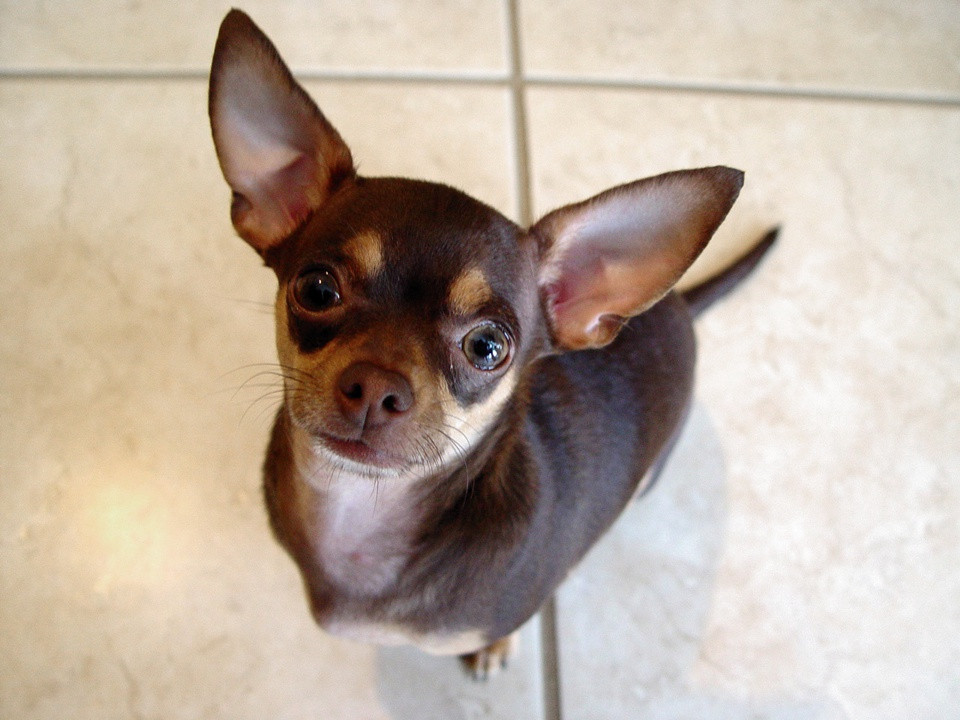
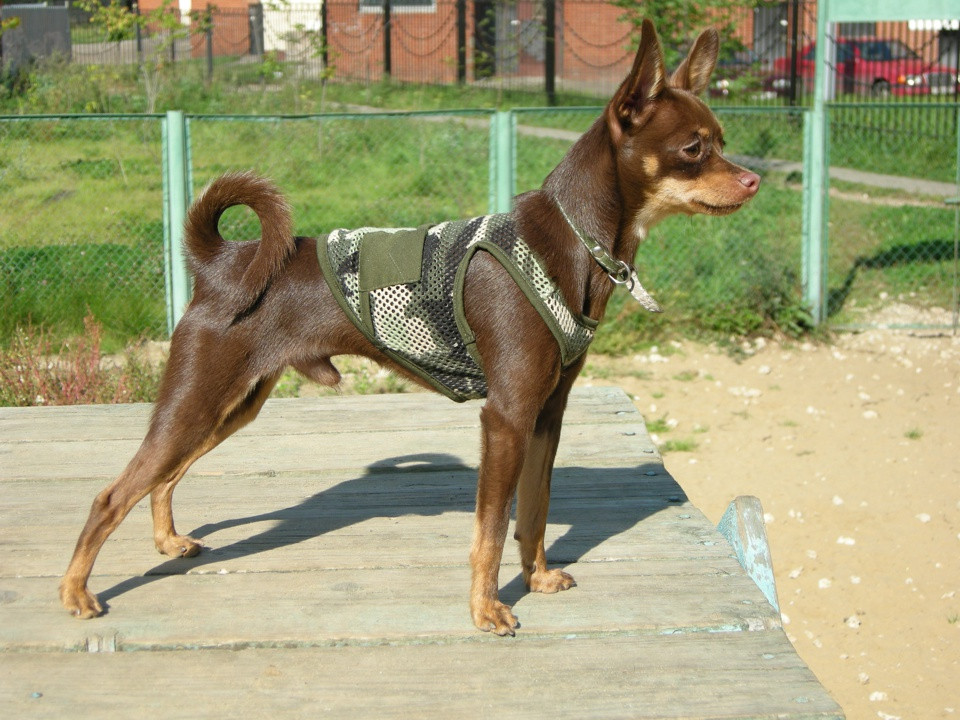
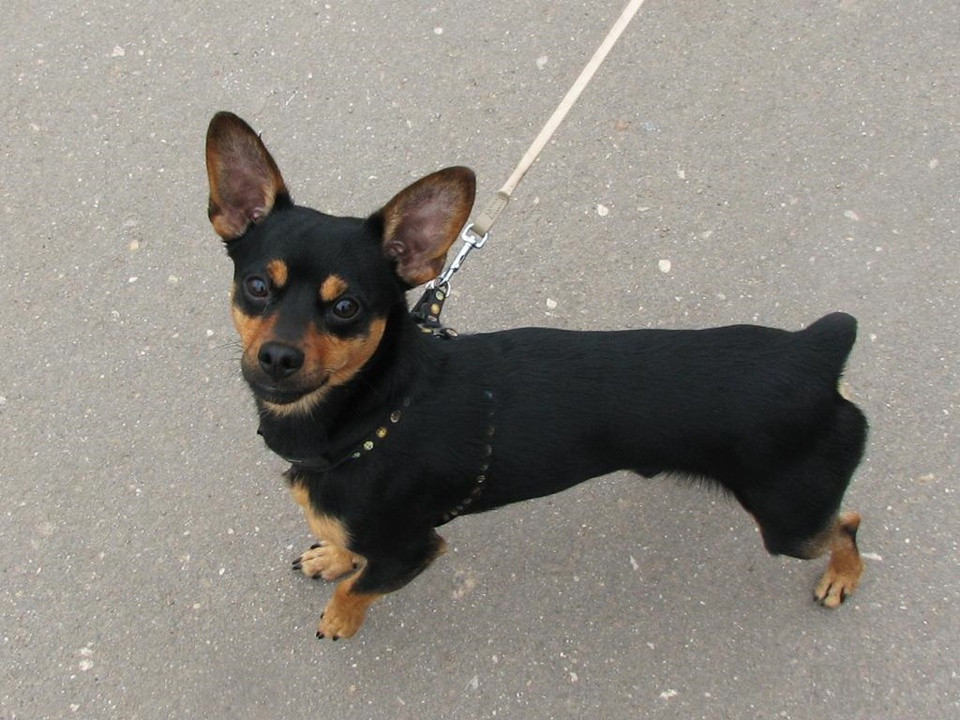
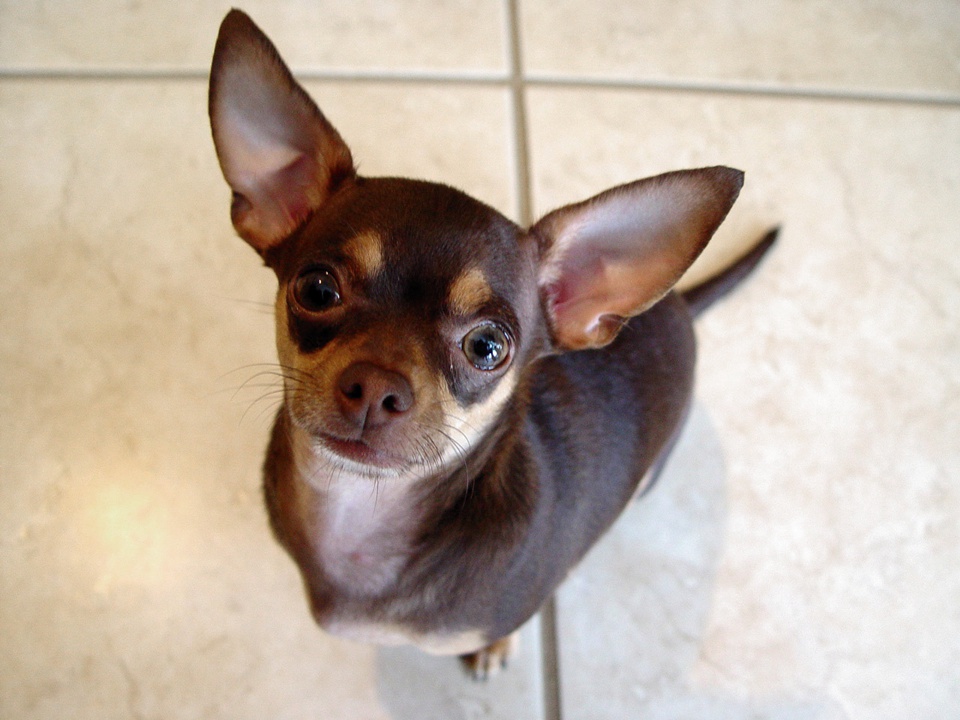
Череп высокий, но не широкий (ширина в скулах не превышает высоту черепа), округлый при осмотре в профиль. Переход ото лба к морде четко выраженный. Нос с небольшой мочкой. Она черная или в тон окраса. Морда сухая, заостренная, по длине несколько короче черепной части. Губы тонкие, сухие, плотно прилегающие, темные или в тон окраса. Зубы небольшие, белые. Прикус ножницеобразный. Отсутствие двух резцов на каждой челюсти допустимо. Скулы только слегка выраженные. Глаза довольно крупные, округлые, немного выпуклые, широко и прямо посаженные, темные. Веки темные или в тон окраса, плотно прилегающие. Уши большие, тонкие, высоко посаженные, стоячие.
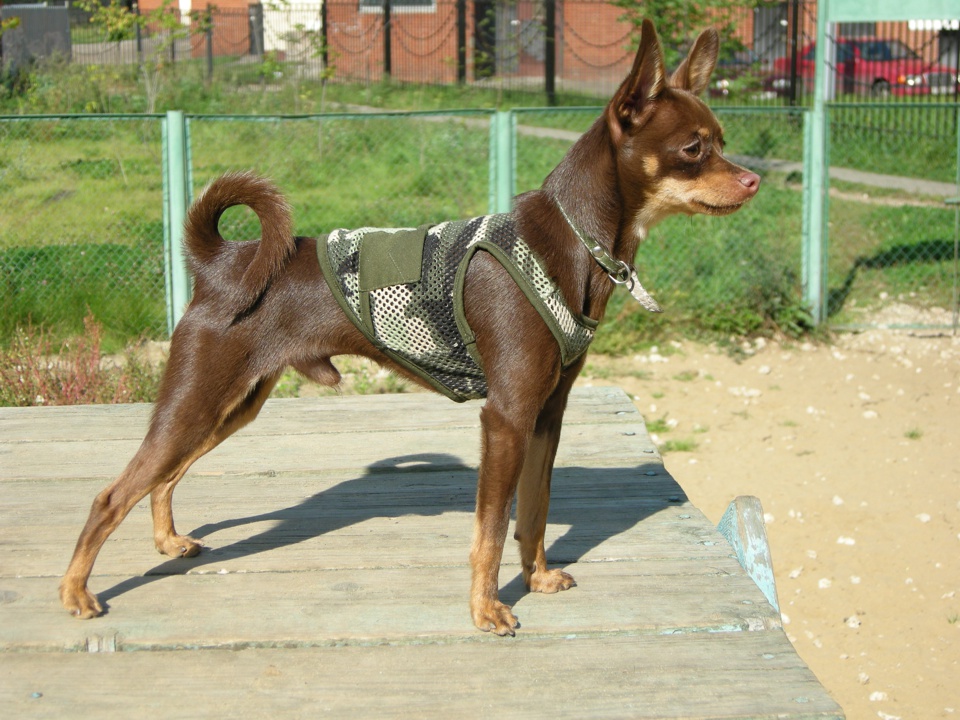
Шея длинная, сухая, высокого постава, слегка изогнутая. Корпус с линией верха, плавно ниспадающей от холки до основания хвоста. Холка слегка выражена. Спина крепкая, прямая. Поясница короткая, слегка выпуклая. Круп несколько округлый и немного наклонный. Грудь достаточно глубокая, не очень широкая, овальной формы. Ребра хорошо сводистые, но не торчат. Живот подтянутый, паха подобраны, образуют плавную и красиво изогнутую линию от груди к паху.
Передние конечности стройные и сухие, при осмотре спереди – прямые и параллельные. Лопатки умеренной длины, расположены не слишком наклонно. Плечевые кости по длине приблизительно равны лопаткам. Угол плечелопаточного сустава приблизительно 105 градусов. Пясти почти отвесные. Задние конечности при осмотре сзади – прямые и параллельные, поставлены чуть шире передних. Все углы сочленений достаточно выражены. Бедра с сухой и развитой мускулатурой. Колени достаточными углами. Плюсны поставлены вертикально к земле. Лапы небольшие, овальные, сводистые, в комке, направлены вперед, когти черные или в тон окраса, подушечки упругие, черные или в тон окраса Задние лапы чуть уже передних.
Коротко купированный (оставляют 2-3 позвонка), собака держит его весело вверх. В странах, где купирование запрещено, хвост оставляют в естественном виде. Некупированный хвост: серповидный. Не должен опускаться ниже линии спины.
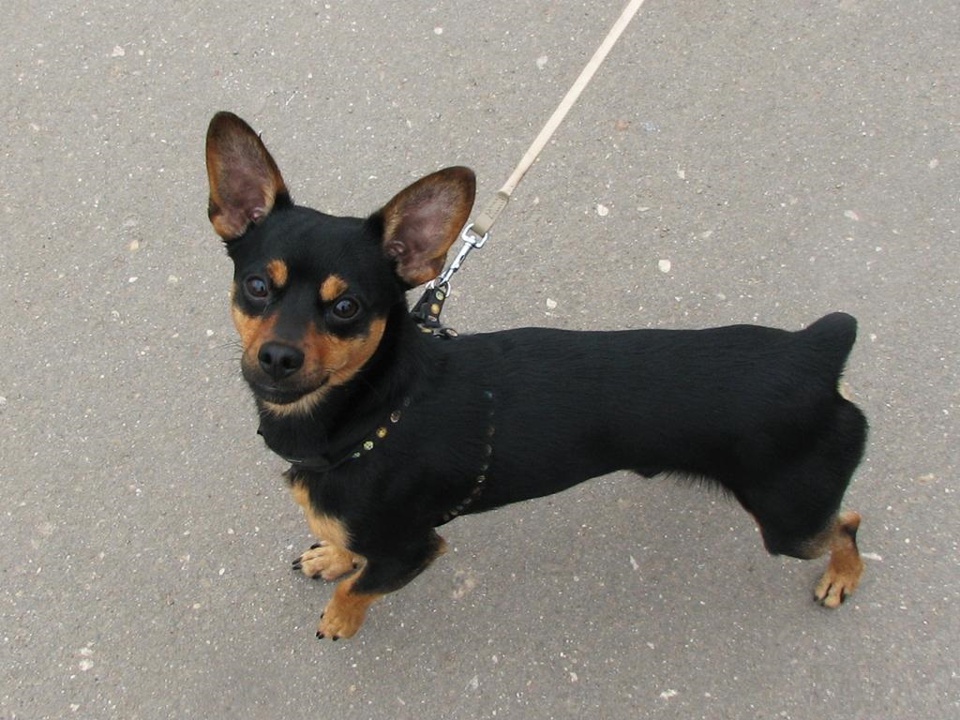
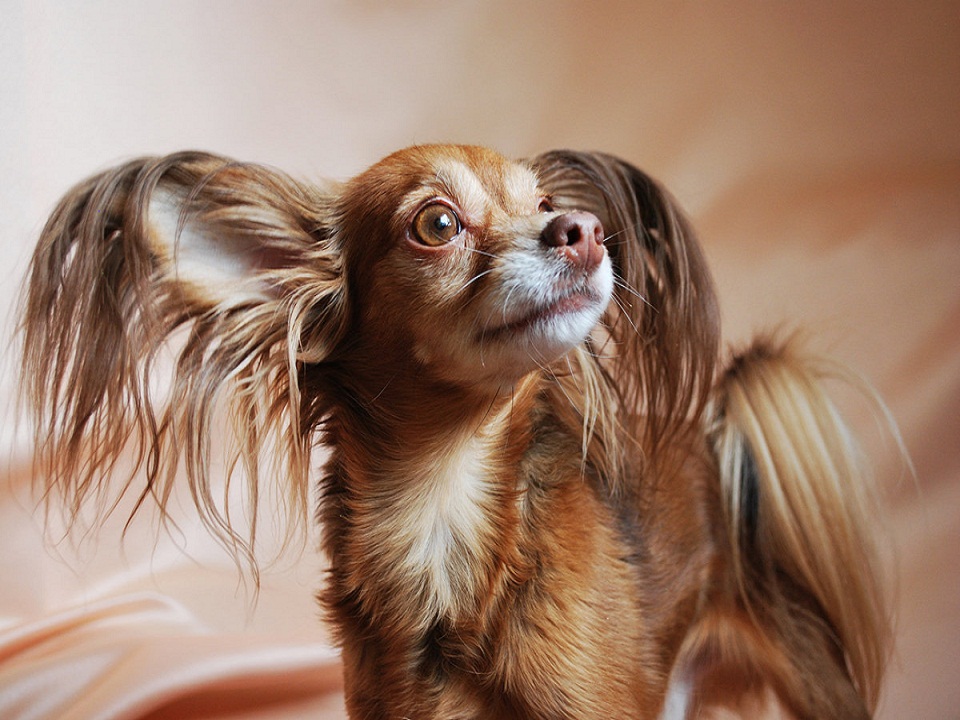
Шерстный покров может иметь шерсть двух разновидностей: гладкошерстная и длинношерстная. Гладкошерстная: шерсть короткая, плотно прилегающая, блестящая, без подшерстка и залысин. Длинношерстная: туловище покрыто умеренно длинной (3–5 см) прямой или слегка волнистой, прилегающей шерстью, не скрывающей естественные контуры тела. Шерсть на голове, передней стороне конечностей короткая и плотно прилегающая. На конечностях с задней стороны четко выраженные очесы. На всех лапах удлиненная шелковистая шерсть, полностью скрывающая когти. Уши покрыты густой и длинной шерстью в виде бахромы. У взрослых собак старше трех лет, бахрома должна полностью скрывать внешние кромки и кончики ушей. Шерсть на туловище не должна выглядеть взъерошенной или слишком короткой (менее 2 см). Окрас черно-подпалый, коричнево-подпалый, голубо-подпалый. А также рыжий любого оттенка с черным или коричневым налетом либо без него. При любых окрасах предпочтительны более насыщенные тона.
Свободные, прямолинейные, быстрые. Силуэт собаки мало различается в статике и движении.
Рост: 20 - 26 см. Вес: 1,3 - 2,7 кг.
Чтобы оставить здесь комментарий, войдите или зарегистрируйтесь на сайте.
Авторизация
