Отряд
Грызуны
Подсемейство
Мышиные
Классификация
Класс: Mammalia (Млекопитающие)
Подкласс: Theria (Живородящие млекопитающие, настоящие звери)
Инфракласс: Placentalia (Плацентарные, высшие звери)
Надотряд/Надпорядок: Glires (Грызунообразные)
Отряд/Порядок: Rodentia (Грызуны)
Подотряд/Подпорядок: Myomorpha (Мышеобразные)
Надсемейство: Muroidea (Мышеобразные)
Семейство: Muridae (Мышиные)
Подсемейство: Murinae (Мыши и крысы)
Род: Mus (Мыши)
Вид: Mus musculus (Мышь домовая)
Ареал обитания
Домовая мышь - космополит, она встречается везде где поселился человек. Если рассмотреть только территорию России, то тут распространение мыши домашней обошло стороной только некоторые местности в Восточной Сибири, на Таймыре, видимо, как в самом северном уголке евразийского материка, горные тундры и местность между реками Енисей и Лена, скорее всего, по причине неблагоприятных климатических условий.
Внешний вид
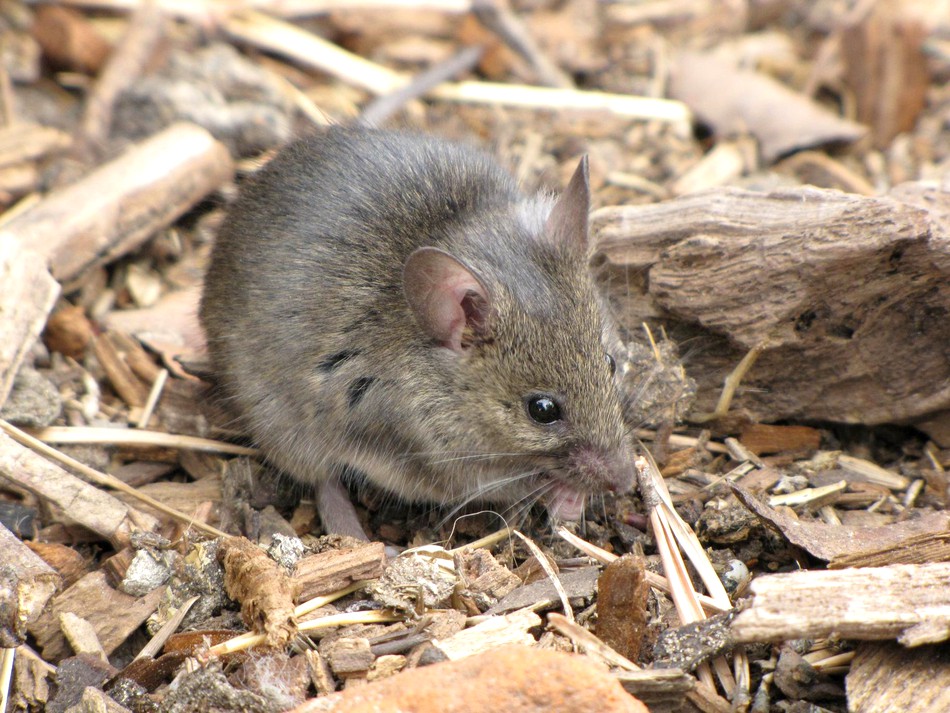
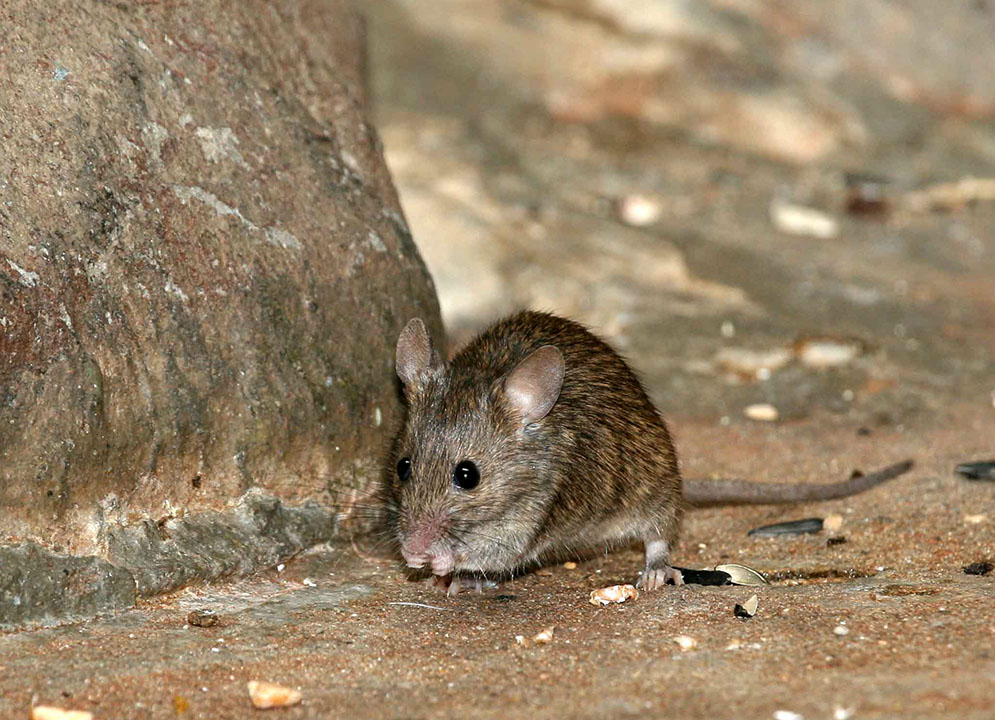
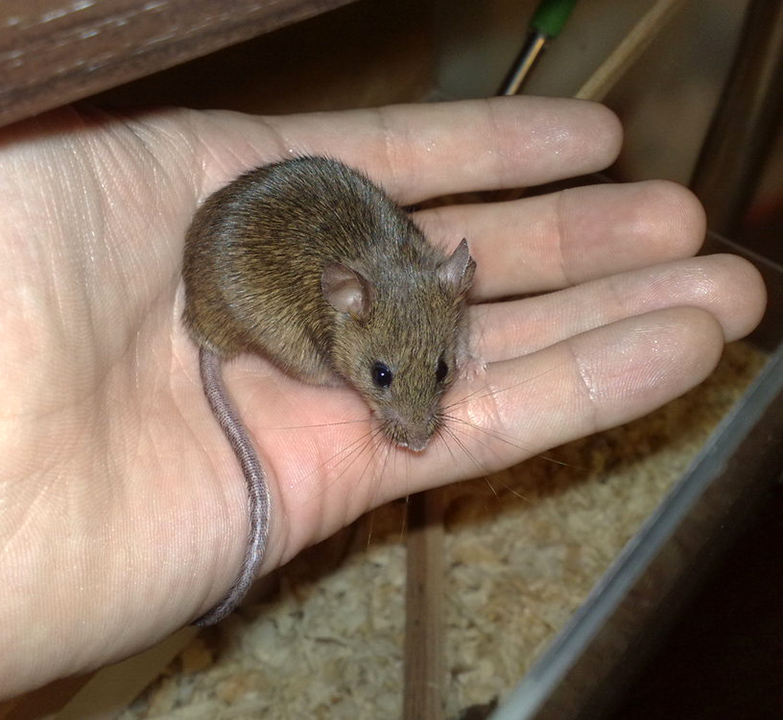
Длина тела от 6,5 до 9,5 см. Хвост составляет не менее 60 % по отношению к длине тела, покрыт роговыми чешуйками, расположенными кольцеобразно, и редкими короткими волосками.
Вес — 12—30 г.
Корпус длинный и тонкий с хорошо изогнутой поясницей.
Голова удлиненная, не слишком сужающейся к носу, с четким римским профилем.
Уши находятся на большом расстоянии друг от друга, небольшие, тонкие (почти прозрачные), идеально гладкие (без складок).
Хвост круглый в сечении, толстым, без заломов и уплотнений, постепенно сужающимся от спины к кончику. Длина хвоста должна быть как минимум равна длине тела мыши.
Глаза большие и ясные, чёрного цвета.
Окрас шерсти тёмный или буровато-серый; брюшко — от пепельно-серого до белого цвета.
Мышь должна быть гибкой, хорошего размера, не слишком неуклюжей, не слишком полной и не худой. Шерсть должна быть гладкой и блестящей, без залысин.
Характер
Обычные мыши - ночные животные, они комфортно чувствуют себя в темноте, а попав на освещенное пространство очень нервничают и стараются как можно быстрее покинуть его, спрятаться - такое поведение называется "норковым рефлексом".
Обычно пугливы, недоверчивы, нервные и робкие.
Содержание и уход
Содержать мышей можно в клетках, но во избежании сквозняков лучше использовать пластиковые контейнеры или дюны. В контейнере размером 30х20х20 можно разместить до трех взрослых мышей или 4-5 мышат.
В качестве наполнителя можно использовать опилки, но лучше древесный или кукурузный наполнитель. В клетку нужно поставить один или несколько домиков, колесо, лесенки и лазалки для развлечения мышей. Можно положить сено или бумажные салфетки - мыши будут использовать их для постройки гнезда.
Содержать мышей можно группами из нескольких самок, самцов содержат строго поодиночке.
Температура в помещении, где находится жилище мышей, должна поддерживаться на уровне 20-24 °C.
Влажность воздуха составлять 50-60%, без резких колебаний.
Для транспортировки мышей нужна переноска.
Продолжительность жизни мыши составляет 2 года.
Кормление
Мыши - зерноядные грызуны и зерносмесь для них должна включать такие зерновые компоненты, как пшеница, овес, ячмень, просо, кукуруза, горох, подсолнечник (черные и полосатые семечки), орехи, сухофрукты и сушеные ягоды, травяные гранулы, гаммарус, корм для собак или кошек, семечки арбуза и дыни, тыквы, рубленные орехи (грецкие, арахис, фундук), сушёная морковь, веточки фруктовых деревьев (яблоня, груша, слива), плоды рожкового дерева.
В итоге получается примерно такой набор питательных веществ: белки 14,1%, жиры 9,8%, клетчатка 8,9%, фосфор 0,4%, кальций 0.9 %.
В зерновую смесь можно добавлять хорошо промытый изюм и измельченные сушеные фрукты, сырые кунжутные, тыквенные семена, ячменные хлопья, различные витаминные подкормки и витамины для мелких грызунов. Также в рацион мышей можно добавлять детское питание.
В продаже можно найти хорошие полноценные импортные корма для мышей.
В качестве добавок можно давать мышам варёную курицу, перепелиные яйца (можно и куриные), гаммарус. Из зелени мышам дают кинзу, петрушку, и салат, из дикой зелени хорошо идёт одуванчик. Овощи и фрукты - вареная и сырая тыква, яблоки, вареная и сырая морковь, вареная свекла, перец болгарский, огурец, кабачок, цукиня, груша, абрикос, персик, дыня, баклажан, виноград, банан, цветная капуста, топинамбур, брокколи, арбуз.
Нельзя давать мышке кочанную капусту и картофель, в больших количествах нельзя давать помидоры и свеклу, и главное - никаких цитрусовых и экзотических фруктов, хотя их мыши и есть скорее всего не будут.
Из ягод мышам можно давать смородину, малину, землянику, клубнику.
Можно готовить мышам мешанки из тёртой моркови, рубленного варёного яйца, сухарей и сушёного гаммаруса.
Обязательно нужно положить в клетку минеральный и соляной камни.
В клетке должна быть поилка, лучше ниппельная, вода должна всегда быть чистой и свежей.
В клетке лучше иметь две миски - для зерносмеси и для других кормов.
Особенности
Очень редко содержатся как домашние питомцы.
Трудно приручаются.
Самцы агрессивны друг к другу.
Болезни
Домовые мыши поражаются инфекционными заболеваниями, например чумой, могут переносишь бешенство, различные кожные заболевания, у них встречаются различные паразиты - гельминты, блохи, власоеды, клещи и поэтому не рекомендуются к содержанию в домашних условиях.
Разведение
Домовые мыши достигают половой зрелости в 1 – 1.5 месяца (самки созревают раньше самцов в среднем на неделю), но крайне не рекомендуется вязать их в таком возрасте, потому что организм мышки еще не окреп, и потомство может родится слабым и больным, и наоборот - слишком старая мышка тоже может дать больное потомство. В природе мыши обычно долго не живут и вопрос с вязками старых животных не стоит.
Для вязки пару ссаживают, после вязки рассаживают снова.
Оптимальный возраст для вязки самок - 3 месяца, вязки допустимы в промежутке от 3-х до 8-ми месяцев (и только у здоровых крепких мышей - до года), но первая вязка – должна быть до 5-и месяцев, то есть роды приблизительно до 6-и месяцев.
Считается, что самцов можно начинать вязать с достижением половозрелого возраста. Верхняя граница приблизительно та же, что и у самок - до года.
Беременность у декоративных мышек длится приблизительно три недели. Длительность зависит, как правило, от величины ожидаемого потомства, в помёте от 1 до 15 мышат, они рождаются слепыми, но быстро растут.