Отряд
Зайцеобразные
Классификация
Класс: Mammalia (Млекопитающие)
Подкласс: Theria (Живородящие млекопитающие, настоящие звери)
Инфракласс: Placentalia (Плацентарные, высшие звери)
Надотряд/Надпорядок: Euarchontoglires (Эуархонтоглиресы)
Надотряд/Надпорядок: Glires (Грызунообразные)
Отряд/Порядок: Lagomorpha (Зайцеобразные)
Семейство: Leporidae (Зайцевые, зайцы)
Род: Oryctolagus (Кролики)
Вид: Oryctolagus cuniculus (Кролик европейский, или дикий кролик)
Ареал обитания
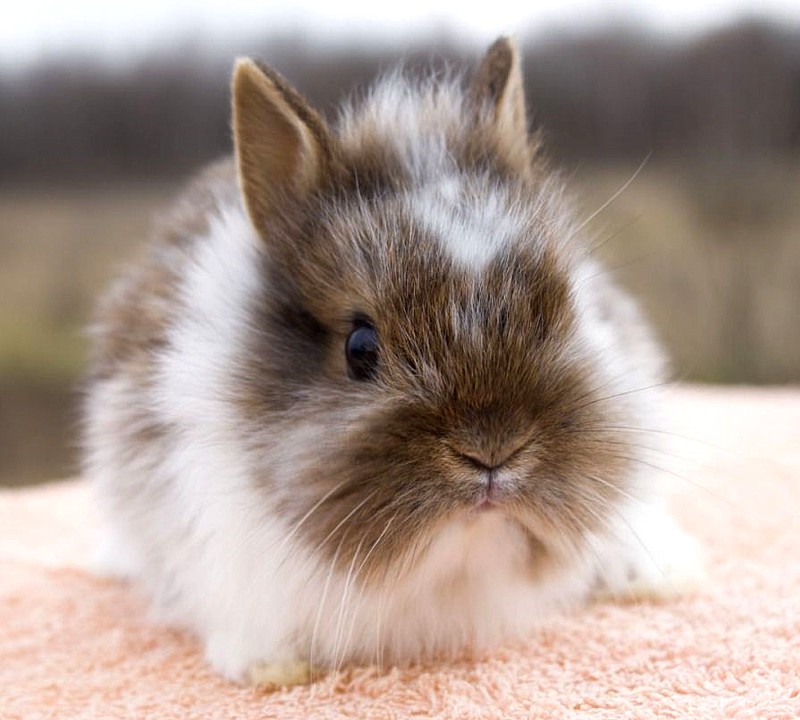
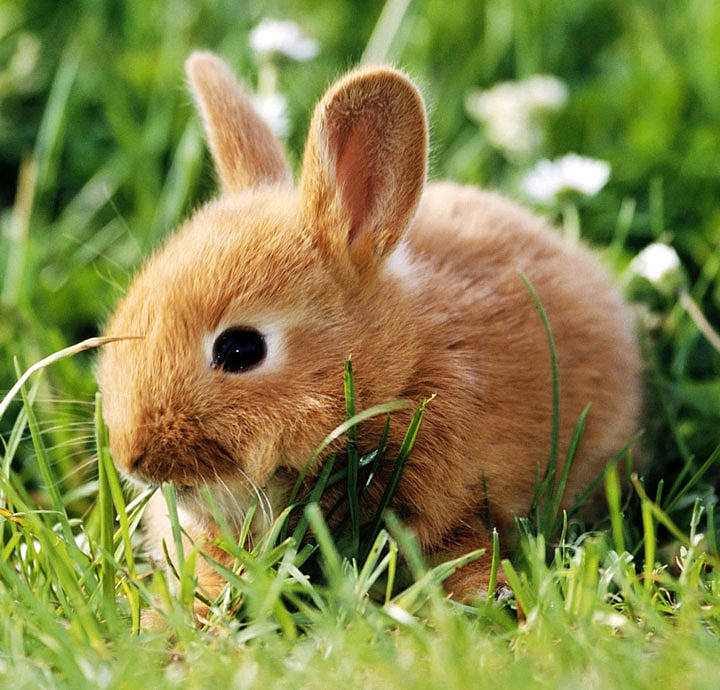
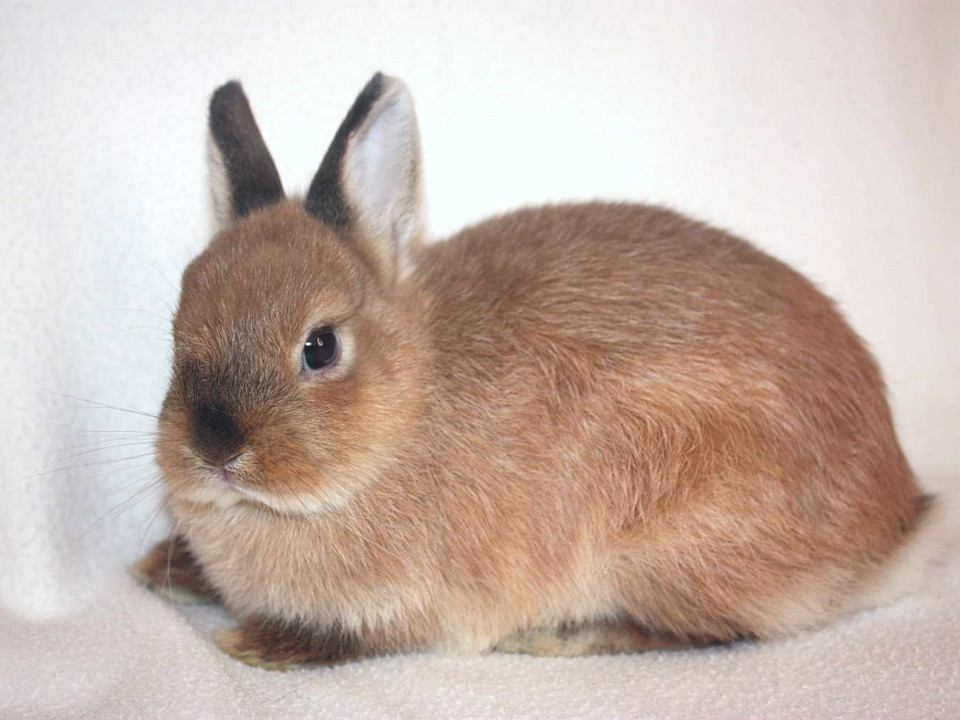
Карликовые кролики произошли от обыкновенных европейских кроликов , их фактическая родина – Британские острова, а второе рождение они получили в Германии, где эту интересную мутацию закрепили и дали ей имя.
Увидеть породистого карликового кролика сегодня можно лишь в домашних условиях, в природе они не встречаются, зато очень популярны как домашние питомцы.
Внешний вид
Окрас диких карликовых кроликов всегда один – рыжевато-серая шерстка, то окрас домашних карликов зависит от породы.
По типу шерсти все декоративные карликовые кролики делятся на длинношерстных, короткошерстных и нормальношерстных. Среди них, как и среди обычных кроликов, встречаются вислоухие ("бараны") и экземпляры с нормальными ушами.
Вес 1 - 1,5 кг.
Характер
Обычно дружелюбны и охотно общаются с хозяевами.
Хорошо уживаются с другими домашними животными.
Содержание и уход
Клетка для кролика должна быть горизонтального типа и очень просторной, ка кминимум в 4 раза больше самого кролика. Дно дорлжно быть сплошным, в решётчатом лапки кролика застревают. В качестве подстилки подойдут кукурузный или древесный наполнители или солома. Декоративного кролика очень просто приручить к специальному лотку в качестве туалета, и при качественной дрессировке кролик может туда возвращаться даже когда находится на прогулке в комнате.
Стандартный набор оснащения кроличьей клетки – автопоилка и миска для зерна потяжелее (лучше керамическая), чтобы зверек не мог ее перевернуть.
Для сухих и сочных кормов нужно иметь разные миски.
Декоративного кролика необходимо ежедневно выпускать из клетки хотя бы на полчаса, поскольку они склонны к полноте и физическая активность им необходима. Также декоративного кролика можно брать с собой на улицу, для выгуливания такого оригинального питомца используется специальная шлейка.
Продолжительность жизни до 10 лет.
Кормление
Кролики много и часто едят и у них всегда должна быть в наличии свежая пища, прежде всего это сено – это основной продукт для питания кроликов. Сено лучше приобретать в зоомагазинах в больших упаковках у качественных производителей, хорошего качества. Оно должно присутствовать в рационе кроликов ежедневно.
Кормить декоративных кроликов следует так же, как и самых обычных – пищей, содержащей клетчатку, которая прекрасно переваривается в желудочно - кишечном тракте кроликов с помощью микроорганизмов. Подойдет почти любая свежая трава и растения, которые есть в любом огороде или парке (вблизи от дорог и заводов собирать траву не стоит) - это подорожник, полынь, лебеда, мать-и-мачеха, мята, укроп, одуванчик. Из овощей можно давать им белокочанную капусту и морковь. Так же можно время от времени давать им зерновой корм для кроликов из зоомагазина - лучше приобретать импортные корма.
Минеральный и соляной камни, а так же чистая и ежедневносменяемая вода обязательны.
Особенности
Склонны к ожирению.
Лучше содержать поодиночке.
Могут достаточно сильно пахнуть.
Нередко грызут вещи и мебель на прогулках.
Болезни
Домашние кролики болеют редко, обычно болезни связаны с неправильным содержанием. Например при избытке корма кролики часто жиреют - это вредно для их сердца и суставов, сокращает продолжительность жизни. Могут встречаться поражение клещами - часто из-за некачественного сена, в этом случае помогает обработка фронтлайном, симптомы - зуд, расчёсы, беспокойство.
Разведение
Плодовитость кроликов вошла в поговорку. Кролики готовы к размножению с 8 - 11 месяцев. Разведение кроликов в домашних условиях подразумевает заботу о животных и не допущение чрезмерного размножения, а так же поддерживание породного разведения с целью улучшения или, как минимум, не ухудшения породы. Ссаживать пару рекомендуется только для размножения и сразу после спаривания рассаживать. Беременность у самки длится примерно месяц, перед родами самка делает гнездо, используя в качестве строительного материала собственный пух. Крольчата рождаются без шерсти, голыми, слепыми, с закрытыми ушными проходами. В случае нормального развития они полностью покрываются шерстью через две недели, в этом же возрасте у них открываются глаза. С трехнедельного возраста крольчата начинают жевать пищу взрослых траву, сено, хлеб, геркулес, до этого они питаются только молоком матери.