История возникновения
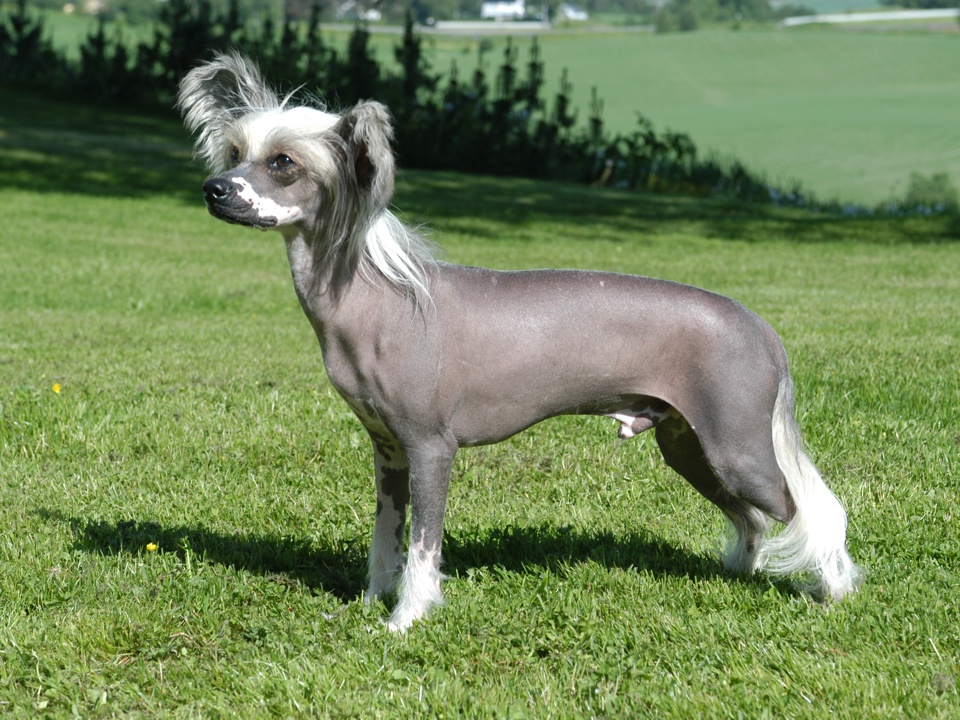
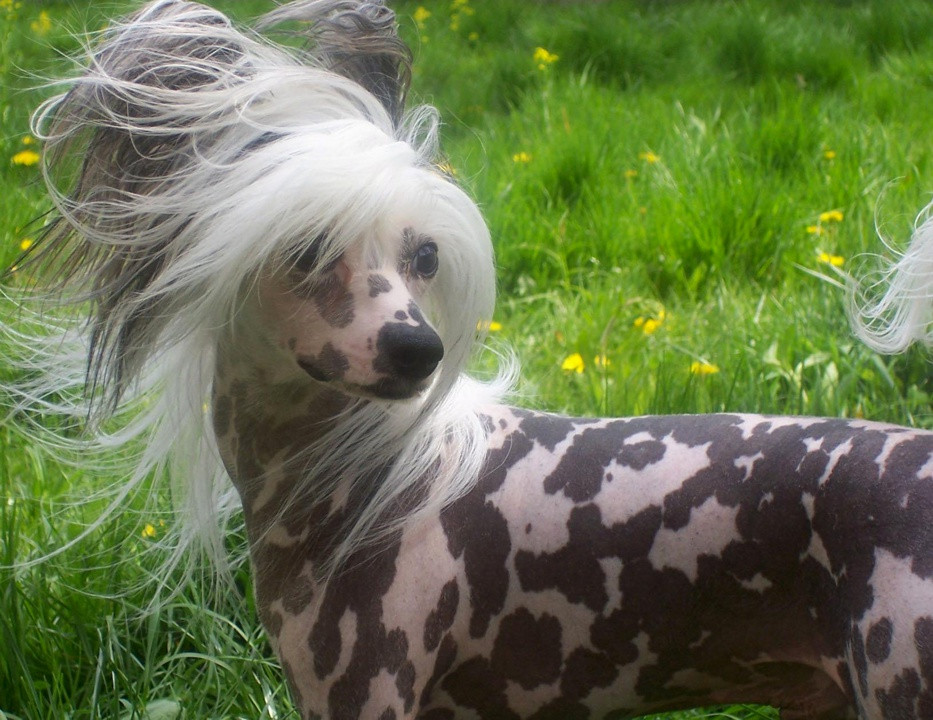
Китайская хохлатая собака бывает двух разновидностей – голая (голые собаки) и паудер-пуфф (пуховка). У «голой» имеется хохолок из волос на голове, затем спускающийся вниз по шее, «носки», покрывающие пальцы и подвес на хвосте. Остальные части тела, как и следует из названия, голые. Разновидность «паудер-пуфф» полностью покрыта, как вуалью, длинной мягкой шерстью. Поскольку очень сложно говорить о происхождении породы что-то определенное, то считается, что эти собаки принадлежали членам семьи Хан Династии в Китае. Китайские хохлатые разводились в то время как охранные собачки в богатых домах, и в более рослой форме – как охотничьи. Их можно видеть на картинах в Америке в период с 1885 по 1926 года, но затем на протяжении 50 лет они почти не встречались.
Общий вид
Маленькая, активная и грациозная собака с костяком от среднего до легкого, гладкое голое тело. Шерсть только на лапах, голове и хвосте, либо покрытая мягким волосяным покровом. Существует два различных типа в данной породе: тип Оленя, энергичный и легкокостный, и Кобби тип, с более тяжелым корпусом и костяком.
Отличительная особенность породы Китайская хохлатая собака
Череп слегка округлый и удлиненный. Стоп несколько выраженный, но не чрезмерно.
Нос с мочкой выступающей, узкой в сравнении с мордой. Любой окрас допустим.
Морда немного сужающаяся, но не заостренная, сухая, без отвислых губ.
Губы плотные и тонкие.
Зубы с отличным, правильным ножницеобразным прикусом, т.е. верхние зубы плотно находят на нижние и стоят в челюстях вертикально, челюсти крепкие.
Скулы чисто очерченные, сухие и плоские, сужающиеся к морде.
Глаза настолько темные, что кажутся черными. Белки глаз только чуть видны, или не видны совсем. Среднего размера. Достаточно широко поставленные.
Уши посажены низко: самая высокая точка основания уха расположена на уровне внешнего края глаза. Крупные, стоячие, с украшающей шерстью или без. За исключением паудер-пуфов, у которых висячие уши допустимы.
Шея сухая, без подвеса, длинная, плавно переходящая в сильные плечи. В движении держится высоко и слегка изогнуто.
Корпус от среднего до длинного, гибкий.
Спина прямая.
Поясница упругая.
Круп округлый и мускулистый.
Грудь довольно широкая и глубокая, не бочкообразная. Грудина опущена до локтей.
Ребра не выражены.
Живот умеренно подобран.
Передние конечности длинные и тонкие, хорошо расположенные под корпусом. Локти плотно прижаты к корпусу.
Лопатки тесно прижаты к туловищу, узкие, и хорошо наклонные.
Пясти тонкие, крепкие, почти вертикальные.
Задние конечности стоят широко. Углы задних конечностей должны быть такими, чтобы обеспечить прямую линию спины.
Бедра упругие, голени прочные и длинные.
Колени прочные и длинные, плавно переходящие в скакательные суставы. Скакательные суставы низко опущены.
Плюсны параллельные, прямые.
Лапы удлиненные «заячьи», узкие и длинные. Когти любого окраса, умеренно длинные. Носочки в идеале ограничены пальцами, и никогда не поднимаются выше запястья. Лапы и пальцы не вывернуты ни внутрь, ни наружу.
Поставлен высоко, в движении держится высоко или низко. Длинный и сужающийся, достаточно прямой, не закручен и не свален на бок, в покое свисает. Плюмаж (очес на хвосте) длинный и ниспадающий, покрывающий две трети хвоста. Редкий плюмаж допустим.
Шерстный покров не подразумевает на теле никаких больших участков, покрытых шерстью. Длинный и струящийся хохолок предпочтителен, но редкий приемлем; в идеале он начинается у стопа и уходит вниз по шее, сходя на нет. У паудер-пуфов (пуховок) шерсть состоит из подшерстка и мягкого длинного покровного волоса. Ниспадающая как покрывало шерсть – характерный признак породы.
Окрас любой, как и комбинация окрасов.
Длинные, плавные и элегантные с хорошим захватом пространства и сильным толчком.
Рост 29-30 см.
Вес 4-5 кг.
Характер
Китайская хохлатая собака это нежный компаньон, невероятно преданный своей семье. Эта порода, как правило, очень хорошо ладит с собаками и другими домашними животными и дружелюбно настроена по отношению к незнакомым людям. Владельцев этой породы говорят, что эти собаки любят обниматься и жаждут человеческого общения. Собаки этой породы не подходят очень занятым людям, не имеющим достаточно времени для своих питомцев. Они нуждаются в постоянном контакте с человеком и очень плохо переносят одиночество. Кроме того, китайская хохлатая собака устанавливает очень близкие отношения с одним или двумя людьми в семье и часто эта связь является жизненно важной для этой собачки. Даже когда её любимые люди покидают дом, она продолжает ждать и искать их. В связи с этим собака этой породы очень трудна в адаптации и перемене хозяина во взрослом возрасте, что следует знать людям, которые хотят завести эту породу.
Китайская хохлатая собака без социализации и знакомства с новыми местами, животными и людьми может стать пугливой и робкой. Несмотря на то, что китайские хохлатые обычно не доставляют проблем чрезмерным лаем, однако это может стать проблемой, если китайская хохлатая нервничает или скучает. Чрезмерное жевание так же может стать проблемой с этой породой, если собаку постоянно оставлять в одиночестве на длительное время. Однако много внимания и наличие игрушек для жевания поможет исключить эту проблему.
Китайская хохлатая собака идеальная собака для тех, кто хочет обучать свою собаку выполнять различные трюки и команды. Эту собаку можно научить ходить на задних лапах, прыгать через препятствия, взбираться по лестницам и многому другому. Они очень хотят порадовать своих владельцев, поэтому будут стараться исполнить все, что могут и угодить своему хозяину.
Содержание и уход
Уход за китайской хохлатой собакой во многом зависит от её типа. Голый тип требует меньше ухода за шерстью. Ежедневно или через день нужно расчесывать шерсть на хвосте, голове и лапах собаки, чтобы она не спутывалась. Кожа голой хохлатой собаки так же требует ухода. Голую хохлатую собаку нужно регулярного купать, чтобы у собаки не образовывались угри, а так же с помощью специального крема защищать кожу от пересыхания и шелушения. Всегда используйте специальные гипоаллергенные косметические средства без запаха, специально разработанные для собак. Эта порода собак склонна к аллергиям, поэтому использование шампуней, кремов и парфюмерии для человека может навредить этим собакам. Поговорите с заводчиком о бренде или определенном продукте, который он рекомендуют использовать для собаки. В летние месяцы нужно пользоваться качественным солнцезащитным кремом перед тем, как отпустить собаку на улицу. Зимой этих собак нужно тепло одевать, так как они очень восприимчивы к холоду.
За длинной, шелковистой шерстью пуховой китайской хохлатой собаки необходимо ухаживать ежедневно или через день. Покровный волос можно расчесывать, используя расческу с широкими зубцами, а густой подшерсток нуждаться в особом внимании, так как он может легко спутываться. Китайские хохлатые собаки практически не линяет, поэтому отмерший слой шерсти у них необходимо удалять. Он не выпадает сам, а задерживается в шерсти, в результате чего образуются колтуны, площадь которых со временем постепенно увеличивается. Регулярное расчесывание предотвратит возникновение этой проблемы. Зубы у этих собак очень плохие, у голого типа имеется только незначительное покрытие эмалью, в результате чего на зубах образуется кариес и собака теряет зубы. Начинайте чистить зубы как можно раньше, в идеале со щенячьего возраста. Китайская хохлатая собака склонна к излишнему весу, поэтому собаки этой породы должны быть активны. Они любят прогулки на улице и игры.
Следует помнить, что кожа голой китайской хохлатой собаки не имеет никакой защиты, поэтому подвержена порезам и ранам больше, чем у других пород собак.Продолжительность жизни — 10-12 лет.
Достоинства
Добрейшие животные. Специфичная, но привлекательная внешность. Абсолютно спокойный и мирный характер.
Сложность содержания
Уход за кожей голых представителей породы требует огромного внимания. Даже летом эти собачки не могут гулять без дополнительной защиты. Собаки данной породы очень часто страдают ожирением. Особое строение лап китайской хохлатой, называемое «заячьей лапой», приводит к тому, что когти у этих собак растут очень быстро, и стричь их надо очень часто. Еще одной отрицательной чертой породы является ее склонность к копанию ям.
Болезни
Как и другие породы собак, китайские хохлатые собаки склонны к определенным заболеваниям, о которых стоит знать владельцам этих собак. Наиболее распространенные болезни у этой породы: кератоконъюнктивит; трудные роды; вывих коленной чашечки; болезнь Пертеса; аллергия. Часто эта порода рождается с недостаточным количеством зубов. Зубы часто выпадают уже в раннем возрасте. Кроме того, голые китайские хохлатые собака склонны к образованию угрей и солнечным ожогам кожи.