История возникновения
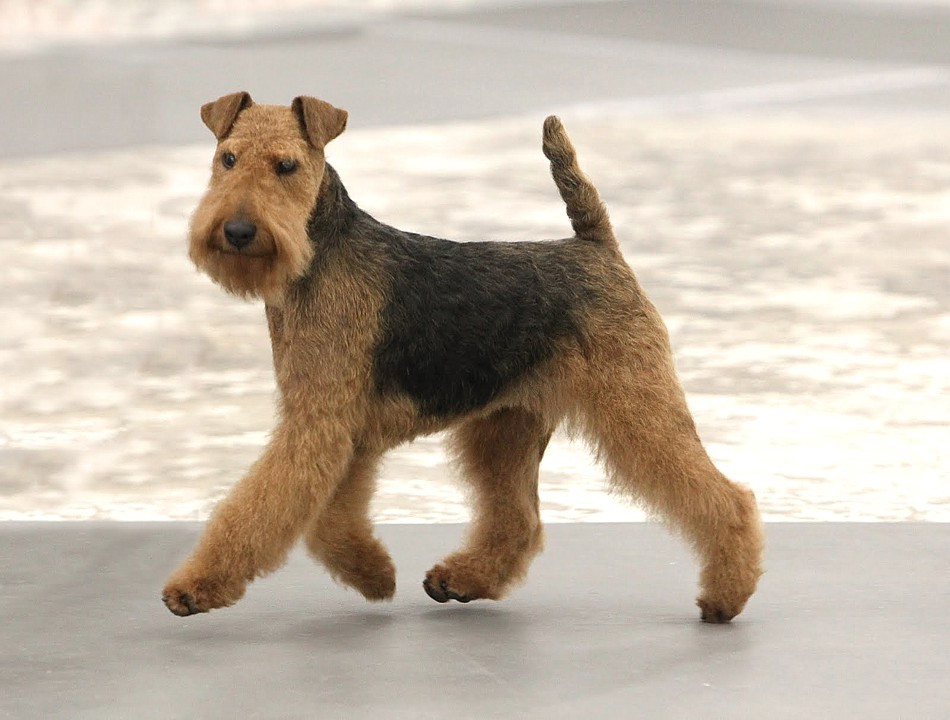
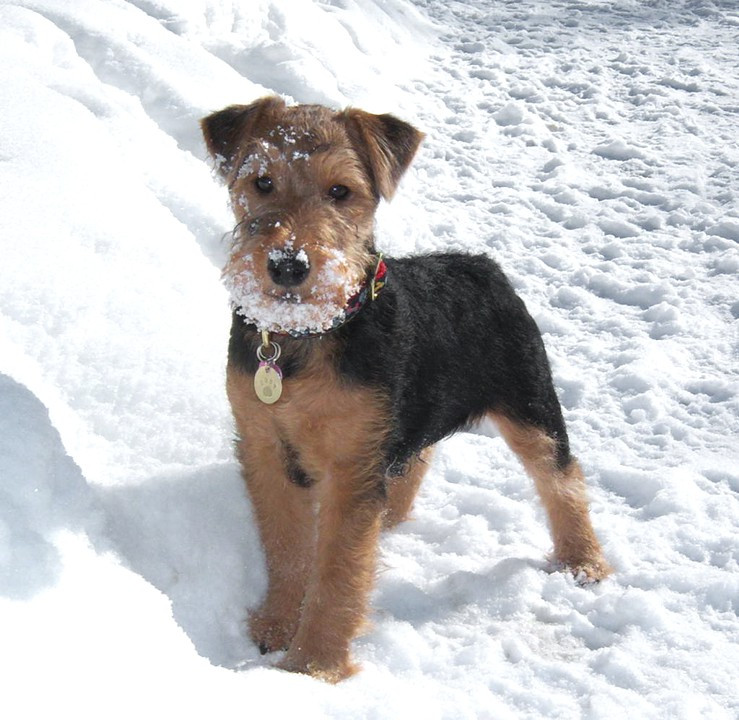
Порода с действительно рабочим прошлым, он, возможно, менее неудержим, чем другие члены группы терьеров. Как и многие его родственники, он изначально использовался для охоты на лису, барсука и даже выдру. Вельш и Лейкленд терьеры, которые имеют много общего, могут иметь общего предка со времен римского вторжения в Британию, когда кельты отступили в горы Уэльса и в края озер. Вельштерьер – точеная, работоспособная собака с плотной проволокообразной шерстью и обычно черно-падпалая.
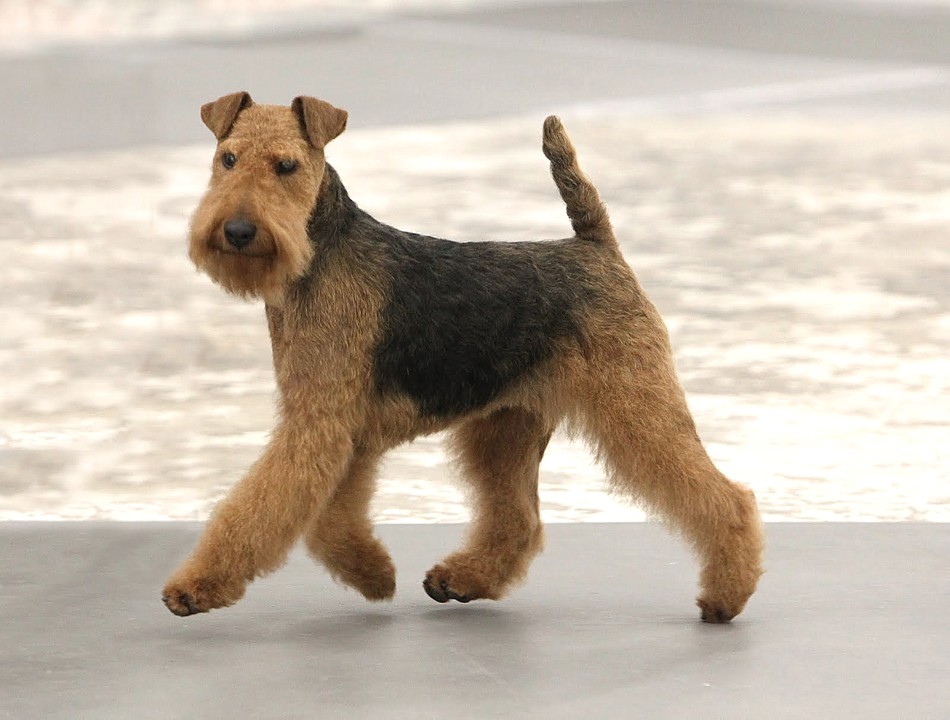
Общий вид
Проворный, ловкий, хорошо сбалансированный и компактный.
Отличительная особенность породы Вельштерьер
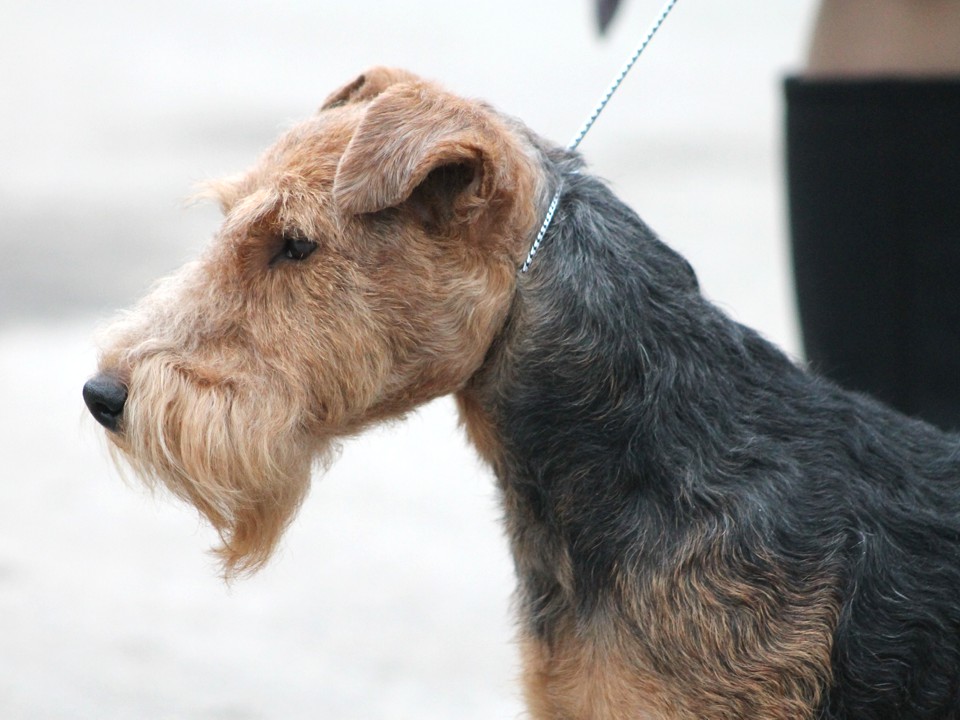
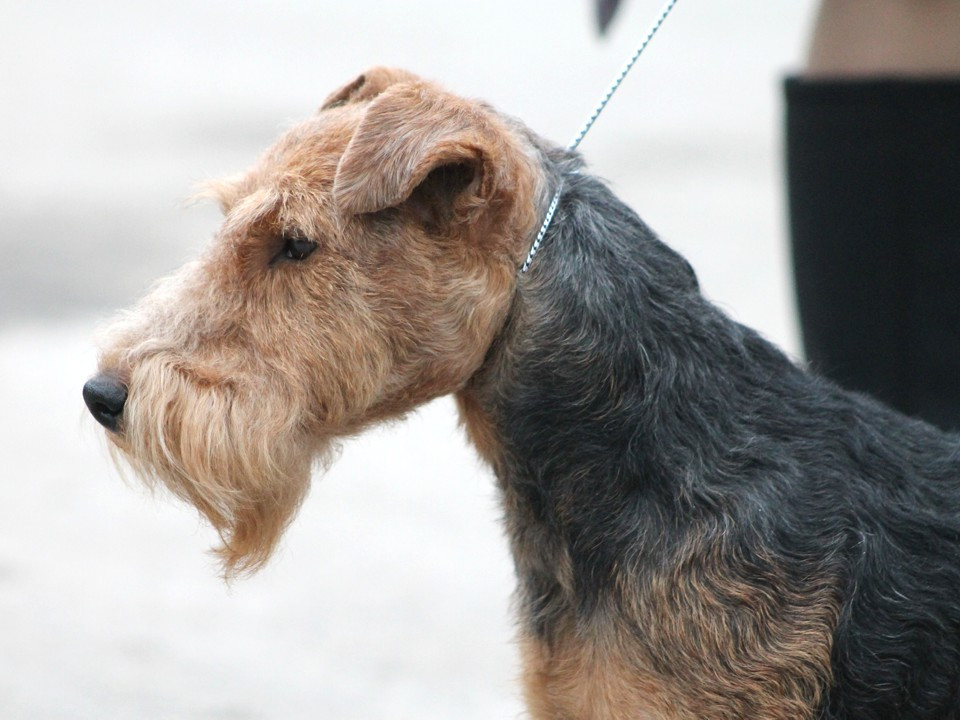
Череп плоский, между ушами умеренной ширины. Переход от лба к морде не очень выражен.
Нос с черной мочкой.
Морда средней длины от стопа до кончика носа.
Губы прилегающие, черные.
Зубы крепкие, челюсти мощные, четко очерченные, достаточно глубокие и хорошо развитые; с крепким, идеальным ножницеобразным прикусом, т.е. верхние зубы плотно перекрывают нижние, располагаясь в челюстях вертикально.
Скулы плоские.
Глаза относительно небольшие, темные, взгляд отражает темперамент. Круглые, выпуклые глаза нежелательны.
Уши V-образные, небольшие, не слишком тонкие, посажены достаточно высоко, направлены вперед, прилегают к вискам.
Шея умеренной длины и толщины, с небольшим изгибом, с плавным переходом к плечам.
Корпус крепкий.
Спина короткая.
Поясница крепкая.
Круп не длинный, мускулистый, средне скошенный.
Грудь достаточно глубокая, умеренной ширины.
Ребра хорошо развиты.
Живот слегка подтянутый.
Передние конечности сильные, локти перпендикулярны корпусу, движутся по сторонам свободно.
Предплечья прямые и мускулистые, с хорошим костяком.
Лопатки длинные, наклонные, хорошо отведены назад.
Пясти отвесные и крепкие.
Задние конечности сильные.
Бедра мускулистые, хорошей длины.
Колени не вывернуты ни внутрь ни наружу.
Плюсны со скакательными суставами с хорошими углами, низко опущенными, костистыми.
Лапы маленькие, округлые, «кошачьи».
Ранее по желанию купировался. Купированный посажен высоко. Несется вертикально, но не слишком весело. Некупированный посажен высоко. Несется вертикально, но не слишком весело. В балансе с общим обликом собаки.
Шерстный покров имеет остевой волос жесткий, проволокообразный, очень плотно прилегающий и густой. Отсутствие подшерстка нежелательно.
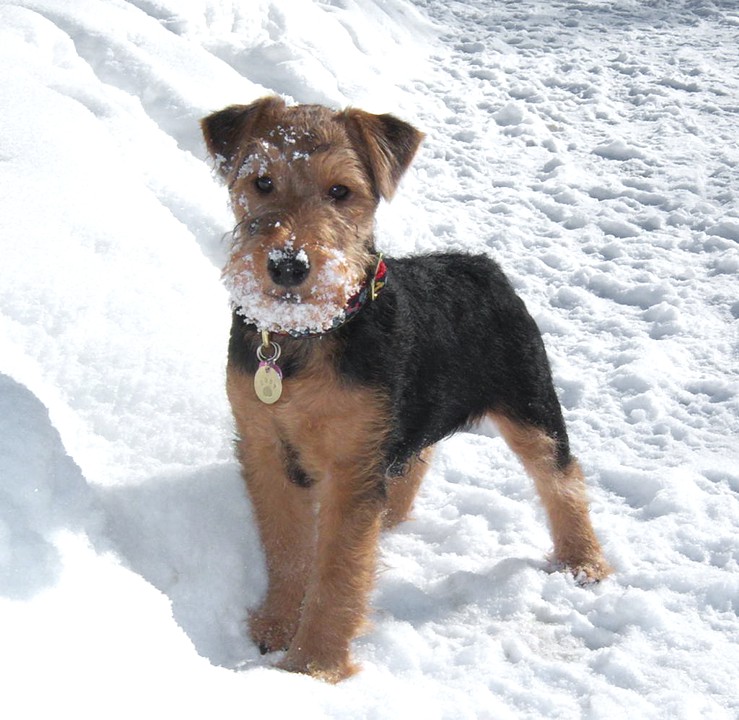
Окрас черно-подпалый предпочтителен, или седовато-черный (черный гризли) с подпалом, без черных отметин на пальцах. Черный окрас ниже скакательных суставов очень нежелателен.
Передние и задние конечности движутся прямо и параллельно. Локти перпендикулярны телу, двигаются свободно вдоль корпуса. Колени не выворачиваются ни во внутрь ни наружу.
Рост 35-39 см.
Вес 8-9 кг.
Характер
Вельштерьеры любящие и преданные собачки. Они энергичны, очень любопытны и игривы. Благодаря своим охотничьим корням собаки этой породы выносливы и храбры. Некоторые их этих собак бывают агрессивными по отношению к другим собакам, в то время как другие абсолютно миролюбивы. В целом вельштерьеры немного спокойнее других более крупных терьеров. Но также как большинство терьеров эти собаки склонны к преследованию мелких животных из-за чего могут легко убежать, если оставить их без надзора. Собаки этой породы любят поплавать. Некоторым нравится копать. Вельтерьеры редко бывают стеснительными и хорошо приспосабливаются как к городским, так и к загородным условиям жизни. Они прекрасные домашние питомцы для молодой, активной семьи. Игривость и энергия этих собак очень понравиться детям, с которыми эти собаки хорошо умеют ладить, особенно, если дети уже не очень маленькие. Как все терьеры, вельштерьер всегда должен быть занятым и много времени проводить на улице. Кабели этой породы обычно дружелюбнее, тише и уравновешеннее сук. В целом эти собаки миролюбивы и редко бывают агрессивными, но если дело дошло до драки, то они становятся серьезными противниками. Собаки этой породы обожают проводить время со своей семьей. Лучше всего вельштерьер подходит активным семьям с уже подросшими детьми. Вельштерьер хорошо подходит для содержания в квартире, если обеспечить его ежедневными длительными прогулками и достаточной физической нагрузкой. Они могут неплохо уживаться с другими домашними животными, если растут с ними с детства.
Содержание и уход
Вельштерьеры практически не линяют, однако их шерсть нуждается в тримминге как минимум 2 раза в год. Их грубая и плотная шерсть легко загрязняется, но купать собаку слишком часто не рекомендуется. Периодическое купание и расчесывание 1 - 2 раза в неделю поможет содержать вельштерьера в опрятном состоянии. Как и всем другим собакам вельтерьерам нужно периодически чистить зубы и уши, протирать глаза и состригать когти. Существует только несколько пород собак неутомимее вельштерьера. Поэтому только долгие прогулки, игры во дворе или парке помогут держать энергию вельштерьера под контролем. Эти собаки обожают преследовать и приносить предметы. Активным людям вельштерьеры с удовольствием составят компанию в беге или в других спортивных занятиях на открытом воздухе.
Продолжительность жизни — 10-14 лет.
Достоинства
Привязчив, отважен, спокойного, ровного характера, веселого нрава, удобного размера, легко поддается дрессировке.
Сложность содержания
Оставленные надолго без внимания эти собаки склонны к деструктивному поведению.
Болезни
В целом это очень выносливая и здоровая порода собак. Чаще всего у этих собак были замечены следующие заболевания: эпилепсия; атопия; гипотериоз; глаукома; вывих хрусталика глаза; катаракта.