Классификация
Отряд — голубеобразные.
Семейство — голубиные.
Подсемейство — настоящие голуби.
Род — голуби.
Вид — клинтух.
Ареал обитания
Распространен клинтух в Европе, Северо-Западной Африке, Турции, Ираке, Иране, Западном Китае, южной части Западной Сибири, северной части Казахстана и в Таджикистане.
Внешний вид
Вес самца: 303-365 гр.
Вес самки: 286-290 гр.
Длина тела: 32-34 см.
Размах крыльев: 63-70 см.
Длина крыла: 1,6-22,8 см.
Самцы:
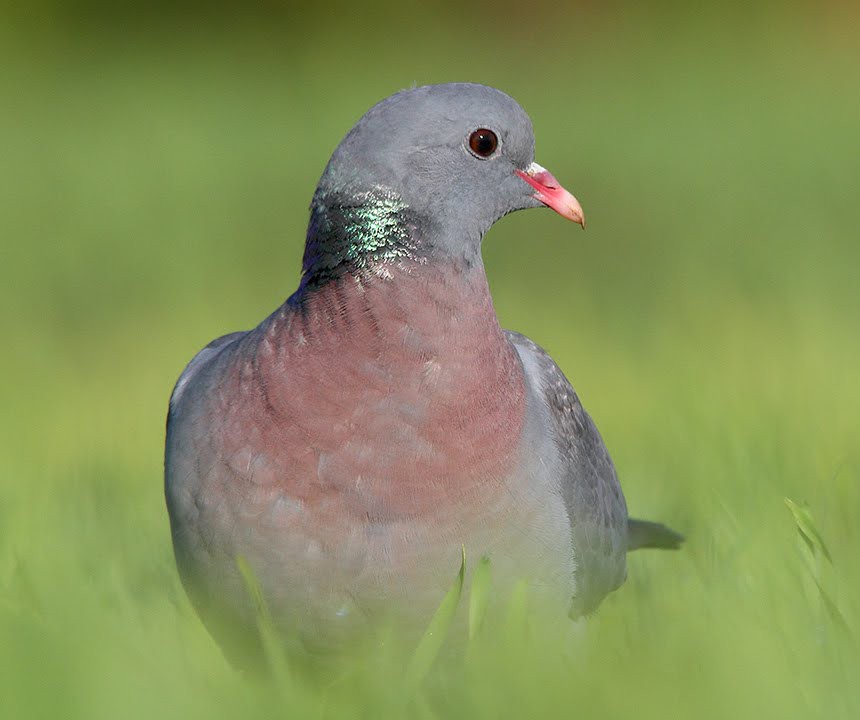
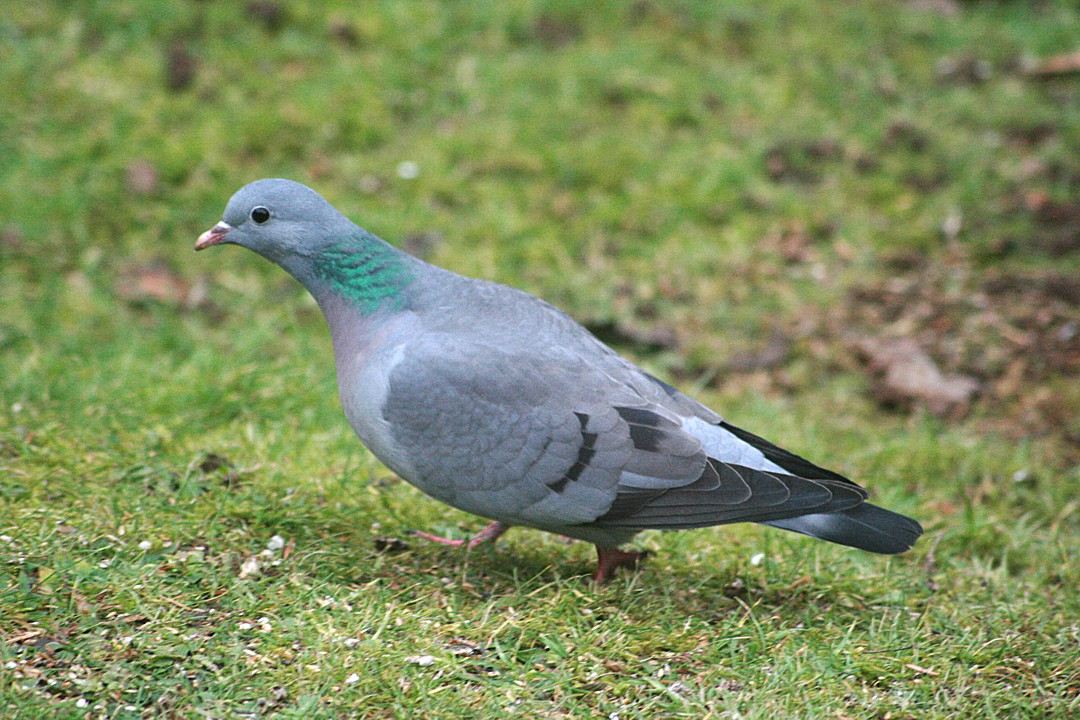
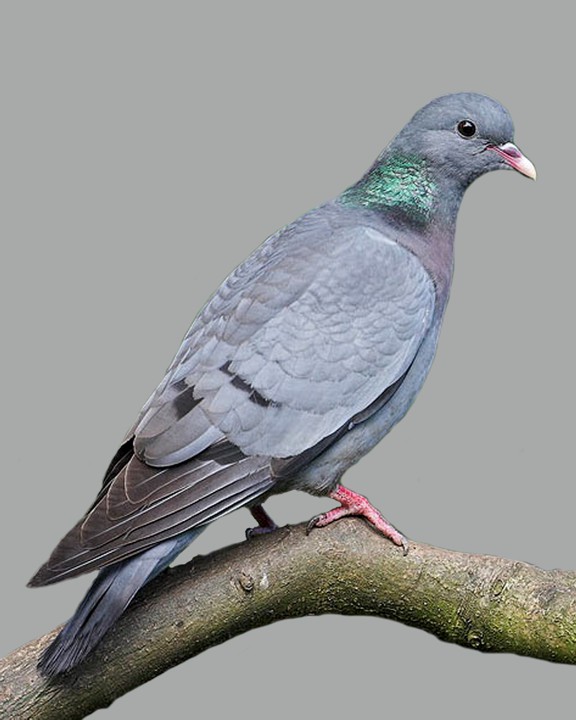
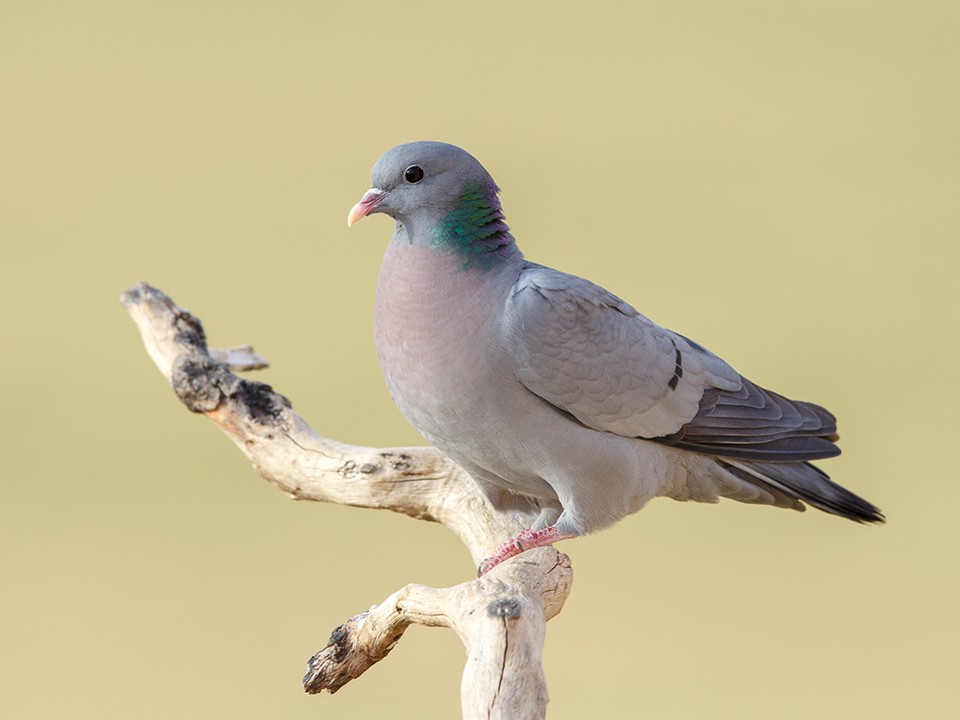
Оперение: серо-сизая; мантия часто более темная, иногда даже (особенно в свежем пере) с легкой буроватой примесью.
Брюшная сторона светлая, иногда пепельно-сизая.
Зоб с буровато-розовым налетом.
Бонд и задняя часть шеи с ярким металлическим блеском - зеленым и пурпуровым.
Подкрылья пепельно-сизые.
Маховые: в свежем пере - аспидно-черноватые, в изношенном-сильно буреют.
Рулевые сизые с двумя черноватыми полосами.
Ноги бледно-красные.
Клюв красный в основной половине и желтый - в конечной. Крышечки ноздрей белые.
Радужина темно-коричневая.
Самки окрашены несколько тусклее. Блеск на перьях шеи менее развит.
Молодые еще более тусклы:
Спина: бурая примесь.
Шея: почти полное отсутствие блеска.
Характер
Клинтух - осторожная птица. Во время размножения ведёт себя скрытно, прячась в густой листве деревьев и замолкая при приближении животных и человека. Достаточно тихая птица. Голос самца — воркование, длинная серия монотонных и глухих двусложных звуков с ударением на первом слоге «гухуу-гухуу». В брачный период самцы злобны и часто вступают друг с другом в драку.
Кормление
Клинтух - исключительно растительноядная птица. Основную пищу его составляют разнообразные зерна и семена культурных и диких растений. Летом клинтух любит кормиться на лугах и лесных полянах, и тогда в его питании преобладают дикие травы. С конца июля и осенью во время перелетов стаи клинтухов жируют, главным образом, на скошенных хлебных полях. Корм эти голуби обычно собирают с земли, не выклевывая зерен из стоящих на корню колосьев. Впрочем, если хлеб собран в копны, то это уже защищает зерно, так как клинтухи предпочитают собирать те зерна, которые выпали на землю. Зимой по возможности придерживаются полей, но при выпадении снега вынуждены разыскивать проталины. Кроме семян, клинтух клюет желуди, буковые орешки и даже ягоды, например, чернику. Крайне редко эти голуби заглатывают улиток, может быть, в качестве жерновков. Мелкие камешки обычно присутствуют в желудках клинтухов. Основной корм домашних голубей - зерновая смесь, примерное соотношение компонентов которой - пшеницы или кукурузы (40 %), проса или ячменя (40 %), гороха или чечевицы (20 %). К этим видам зерна в состав добавляют семя льна, аниса, тмина, коноплю. Горлицам в состав зерновой смеси вводят семя подсолнечника и семена луговых трав (подорожника, одуванчика, лебеды, мака). В период размножения и выкармливания птенцов голубям необходим и мягкий корм - различные каши, творог, листья салата и тёртая морковь. Учитывая, что голуби зерноядные птицы, большое значение имеет предоставление им гастролитов (крупного песка и гравия, помогающих перетирать зерно в мышечном желудке) и минеральных веществ для построения костной системы и образования скорлупы. В период выкармливания птенцов и ослабленным птицам постоянно, а всем остальным голубям периодически, предлагают зелёные корма в виде резаных листьев салата или одуванчика и тёртой моркови (зимой в мягкие корма подмешивают травяную муку или порошок из листьев крапивы). Корма животного происхождения для голубей - творог, простокваша и крутое яйцо. Предлагают и разные каши (пшённую, рисовую, гороховую и др.). Именно с мягким кормом голубям дают антибиотики, витамины и антигельминтные препараты.
Особенности
В связи с тем, что в лесах вырубают старые дуплистые деревья, численность клинтуха везде стала незначительной. Дикие голуби играют очень большую роль в распространении различных заболеваний как домашней, так и дикой птицы. Они часто заносят инвазию из дикой природы в населенные пункты и наоборот. В частности, они являются переносчиками таких заболеваний, как орнитоз, туберкулез, пастереллез, лейкоз, листериоз. Болеют оспой, дифтеритом. Поэтому появление диких голубей на птицеводческих фермах и в других местах разведения домашней и дикой птицы нежелательно.
Разведение
Для размножения клинтуха вверху вольера нужно подвесить гнездовой ящик или дуплянку (площадь дна - 25х25 см, высота 35 см, леток - 12 см). В год от клинтуха можно получить 3-4 выводка. Спаривается с сизыми и домашними голубями. Насиживают самец и самка, но самка в несколько большей степени, чем самец. Последний часто и подолгу воркует у гнезда, которое, однако, найти нелегко, так как при тревоге самец слетает с гнезда и скрывается, ловко лавируя между деревьями. Выкармливают птенцов оба родителя, первое время кормом молодых служит выделение стенок зоба, а затем различные зерна, приносимые в зобах.
Болезни
Болеют голуби незаразными, инвазионными и инфекционными болезнями. Важно, что голуби, как и другие птицы, быстро заражаются друг от друга различными инфекционными болезнями, многие из которых опасны и для человека. Скученность птиц, недостаточная гигиена содержания и кормления голубей может привести к гельминтозам и поражению голубей насекомыми и клещами. Воспаление желудка и кишечника у голубей чаще всего связано с недоброкачественным кормлением, поением грязной водой или сальмонеллёзной или колибактериозной инфекциями, паразитами. Клоацит - воспаление слизистой оболочки клоаки возникает у голубей при недостатке витаминов А, Е, группы В и минеральной недостаточности вместе с большим содержанием белка в корме у них развивается нарушение обмена веществ с повышенным выделением мочекислых солей, которые раздражают слизистую оболочку клоаки и вызывают эрозии. Разрыв лёгочной ткани и воздухоносных мешков возможен у голубей при сильном ударе о насест, при переломах киля. Раны и переломы у голубей возникают при нападении на них кошек, ястребов, ворон, при содержании птиц в тесных выгулах Воспаление век и глаз у голубей проявляется выделением серозного секрета, который и склеивает веки, птицы очищают глаза лапами или о перья шеи. Это частый признак содержания птицы в пыльной голубятне. Нарушения обмена веществ - наиболее трудно диагностируемые и не сразу поддающиеся лечению болезни. Недостаток витамина А (ксерофтальмия) приводит к уменьшению роста молодняка, у взрослых птиц тускнеет и изредка выпадает перо, развиваются конъюктивиты, анемия. Недостаток витамина Д (рахит) возникает у голубей вместе с недостатком витамина А, солей кальция и фосфора в организме (или их неверном соотношении), недостатке ультрафиолетовых лучей. Недостаток водорастворимых витаминов группы В проявляется как полиневритом (недостаток витамина В1) так и другими нарушениями в организме голубей.