Классификация
Отряд — курообразные.
Семейство — фазановые.
Подсемейство — куропатковые.
Род — кеклики.
Вид — азиатский кеклик (alectoris chukar) европейский кеклик(alectoris graeca) кеклик пржевальского (alectoris magna) красная куропатка (alectoris rufa) черноголовый кеклик (alectoris melanocephala) аравийский кеклик (alectoris philbyi) берберийская каменная куропатка (alectoris barbara)
Ареал обитания
Кеклик населяет горные хребты на юге страны, от Кавказа до Алтая и Тувы. Распространена в горных районах Закавказья, Средней Азии, Восточного Казахстана, Алтайского края и Тувинской АССР. Проводятся опыты акклиматизации в Крымской и Закарпатской областях. За пределами СССР встречается на Балканском п-ове в Юго-западной и Центральной Азии, в Северном Китае. Кеклик предпочитает держаться горных ущелий с каменистыми россыпями, по дну которых текут речки. Живет в горах; летом поднимается до линии вечных снегов, иногда встречается на равнинах, прилегающих к горам, по останцам и холмам заходит и пустыни. При выпадении глубокого снега в горах совершает кочевки вниз на малоснежные участки. На Кавказе поднимается в горы до 3000 м, на Тянь-Шане - до 2500 м. Однако кеклики наиболее многочисленны в нижнем поясе гор, до высоты 1500 м, в участках с полупустынной растительностью.
Внешний вид
Вес: 400-700 гр.
Длина тела: 32-35 см.
Размах крыльев: 46-53 см.
Длина крыла: 16 см.
Длина хвоста: 11 см.
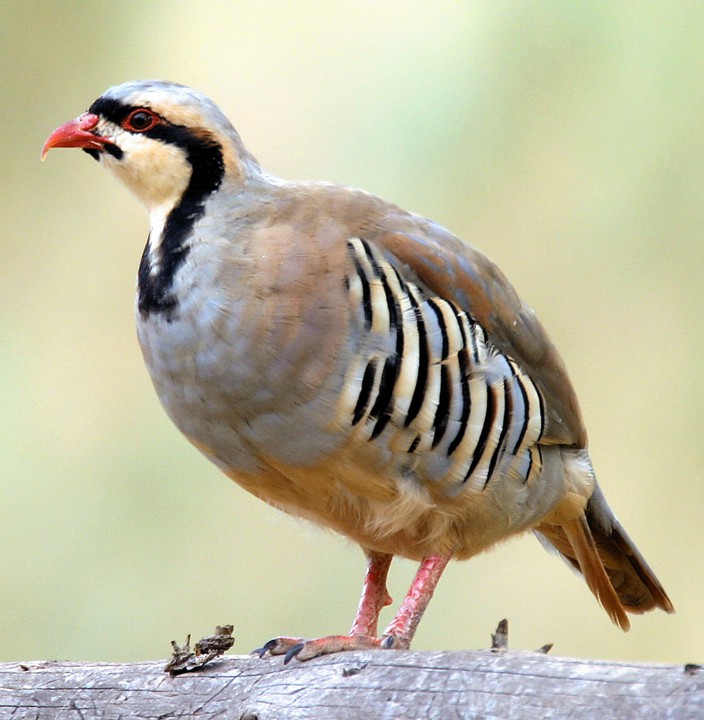
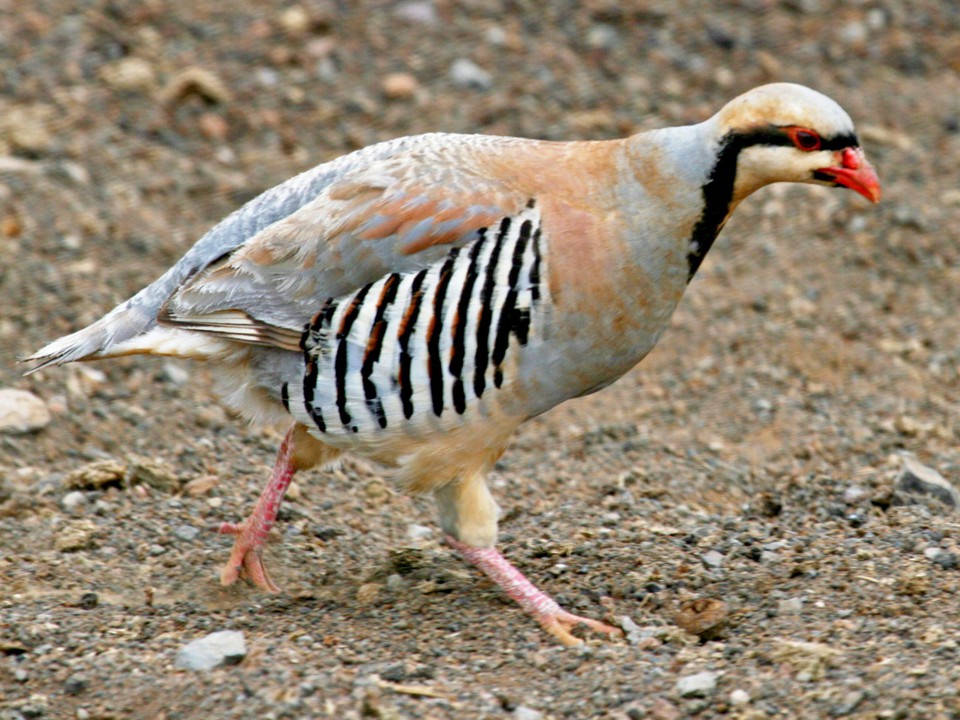
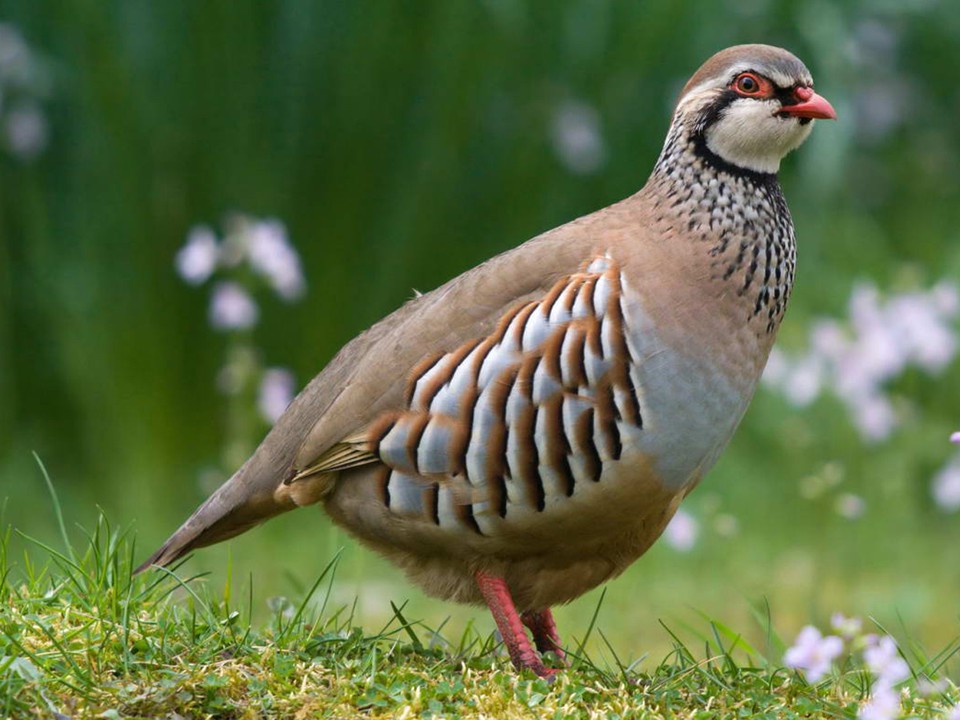
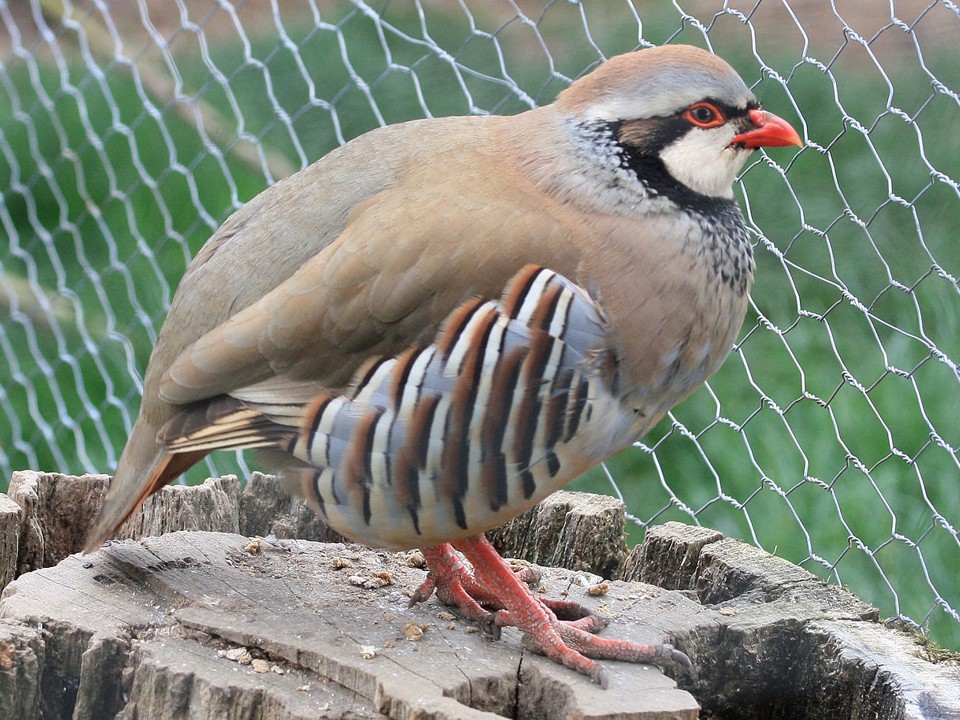
Оперение: преобладают серые и охристые тона, местами с буроватым розово-винным и голубоватым оттенками.
Черная полоса: у всех подвидов как у самцов, так и у самок ото лба через глаз и далее по бокам головы проходит ярко выраженная черная полоса, которая за ушами спускается по бокам шеи вниз и соединяется на нижней части шеи в виде ожерелья.
Бока: имеются яркие идущие сверху вниз черные или каштановые полосы.
Клюв, ноги красные.
Хвост каштаново-рыжий.
Подбородок и передняя часть шеи, до черного ожерелья,охристо-белые.
У большинства подвидов около угла рта имеется небольшое черное пятно.
Шпоры: имеются только у самцов.
Характер
Характер драчливый, вздорный.
Кормление
При содержании в домашних условиях невозможно предоставить птицам полный ассортимент естественных кормов, поэтому птицевод или любитель должен подыскивать им полноценную замену из семян культурных и дикорастущих растений, плодов, ягод, кормов животного происхождения и продуктов питания человека. Однако перевести птицу на незнакомый корм не всегда просто. Она может умереть от голода, но не взять ни одного зерна или кусочка смеси, который никогда не ела. Чтобы этого не случилось, новые корма следует вводить постепенно, в течение нескольких дней, уменьшая долю тех кормов, которые птица поедала до этого. Кроме того, резкий переход от одного корма к другому отрицательно влияет на пищеварение птиц, особенно птенцов. Все корма должны быть высококачественными. Нельзя употреблять зерно, в котором присутствуют кал грызунов, спорынья, плесень и другие примеси. Зерновую смесь, перед тем как дать ее птицам, нужно просеять, промыть и просушить на солнце или в газовой духовке при температуре не выше 60 °С. Подбор тех или иных кормов и их доля в рационе зависят от вида и возраста птицы, способа ее содержания (в садке или вольере) и времени года. Птицам, которых содержат в тесных садках, дают меньше корма, чем живущим в вольере (благодаря значительной свободе передвижения в вольере практически отсутствует опасность перекармливания). В то же время даже незначительное упущение в кормлении птицы, сидящей в тесном садке, может привести к ее заболеванию. При неправильном кормлении нарушается обмен веществ, начинают выпадать перья или птицы сами начинают их выщипывать, нарушается яйцекладка и т. д. В период яйцекладки и выращивания птенцов количество корма и кратность его дачи в сутки резко увеличивают за счет животных и мягких кормов. Нарушение в кормлении в это время неблагоприятно сказывается не только на взрослых птицах, но и на развитии и жизнеспособности птенцов. Наиболее успешно птицы размножаются в вольерах, где в условиях, близких к естественным, они могут найти такую пищу, которая им по душе и особенно хорошо усваивается. Именно в вольерах, устроенных на приусадебном участке, не бывает затруднений с зеленью, проросшими семенами (при поедании семян из кормушек птицы разбрасывают их, те пускают ростки, и время от времени земля покрывается свежими нежными побегами растений). Животная пища тоже более доступна тем птицам, что живут в наружной вольере, а не сидят в клетках. В почве, на ветках кустарников и в траве они постоянно находят различных мелких насекомых и их личинок, а мелких мух и комаров нередко ловят на лету. Количество корма, необходимое в сутки, определяется опытным путем, так как птицы даже одного вида и возраста при одном и том же способе содержания имеют разный аппетит. Внимательно наблюдая за своими питомцами, можно установить это количество: всю суточную норму кормов птицы должны съедать без остатка. Нельзя допускать, чтобы птицы выискивали в зерновой смеси любимые семена, а другие оставляли нетронутыми или оставались голодными. Для кормления куропаток и кекликов можно использовать отходы кухни: размоченные куски оставшегося белого хлеба, измельченные овощи, вареный картофель. В этот корм добавляют зерновые корма, отруби, крупы, а также витаминную муку. В летнее время птицам дают люцерну, салат или разнотравье. Люцерну можно вязать снопиками и развешивать в вольере в 30 см от земли. Из животных кормов эти птицы активно поедают творог, мясной фарш, насекомых (в любом виде) и их личинок, мелко нарубленные овощи и корнеплоды, свежую зелень. Корм дают из расчета 70-80 г на голову в сутки. В зимнее время наиболее рационален сухой тип кормления – зерном и комбикормом, в который вводят мясокостную муку и витаминные добавки.
Особенности
Кеклики при содержании в вольере могут жить дружно с другими мирными птицами, но не с особями своего вида в период размножения.
Разведение
При содержании в полувольных условиях образуют пары, несутся и выводят птенцов. После спаривания и начала насиживания (обычно в апреле-мае) самцов убирают в клетки. Самки устраивают гнёзда в укромных местах во дворе, насиживают яйца и в дальнейшем сами заботятся о потомстве. Чтобы птенцы росли ручными, им дают из рук кузнечиков и другие лакомые корма. При содержании в вольере парами часто откладывают яйца, но не всегда высиживают их, поэтому для этой цели используют кур бентамок или инкубатор.
Болезни
Самой большой проблемой разведения куропаток могут стать инфекционные болезни. Для того чтобы избежать эту проблему, необходимо использовать высококачественный корм и исключить контакт с другими домашними животными и птицами. Кроме того,куропатки подвержены следующим болезням: заболевание пищеварительного тракта, заболевание селезенки, заболевание легких и воздушных мешков, заболевание почек, заболевание печени и желчного пузыря, заболевание сердца и сосудов, паразитарные заболевания.