Классификация
Отряд — курообразные.
Семейство — фазановые.
Подсемейство — фазановые.
Род — павлины.
Вид — обыкновенный павлин (pavo cristatus).
Ареал обитания
Распространен обыкновенный павлин в Индии, Пакистане и на острове Шри-Ланка.
Внешний вид
Вес: 4-5 кг.
Размах крыльев: около 130 см.
Длина крыла:42-45 см.
Длина тела самца: 180-230 см.
Длина хвоста: 40-50 см.
Хвостовой шлейф: 140-160 см.
Длина тела самки: 90-100 см.
Длина хвоста: 32-37 см.
Является монотипическим видом, то есть не подразделяется на подвиды, однако имеет целый ряд цветовых вариаций (мутаций).
Самцы:
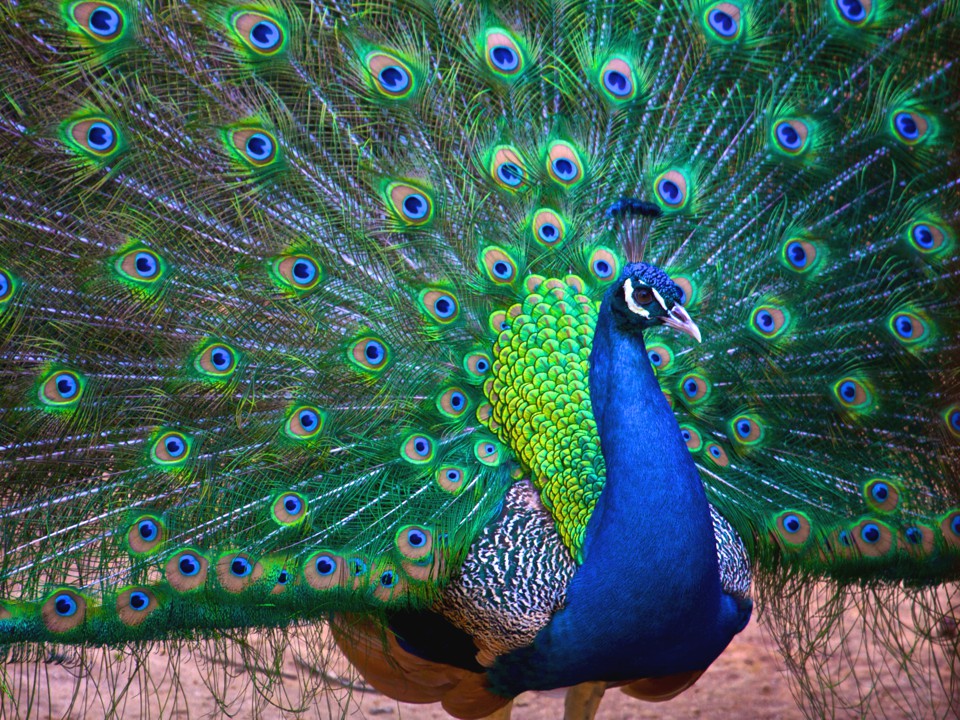
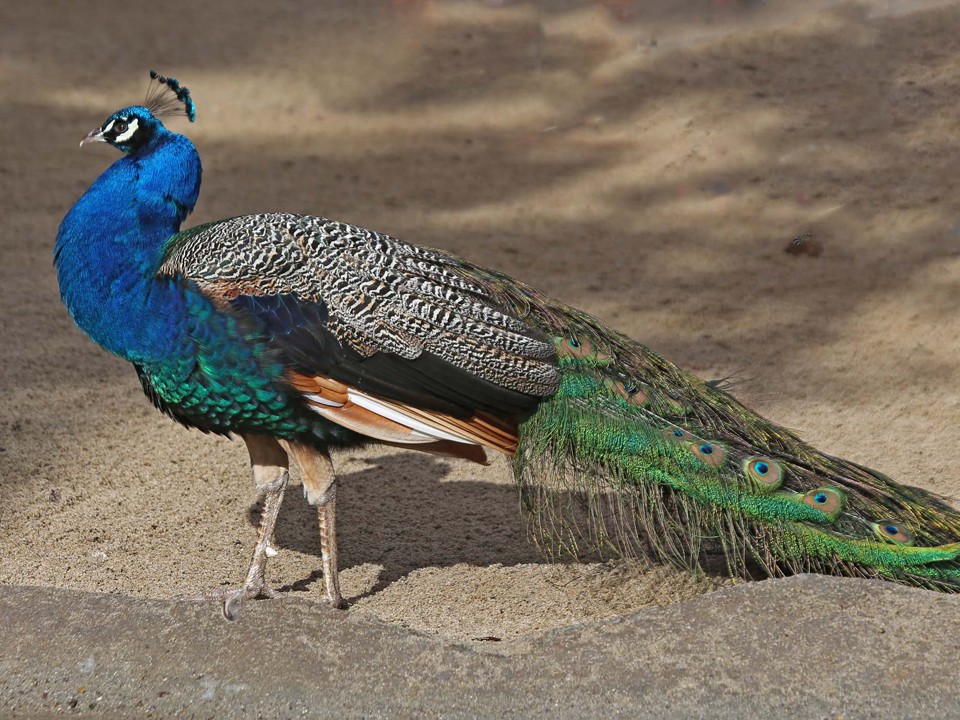
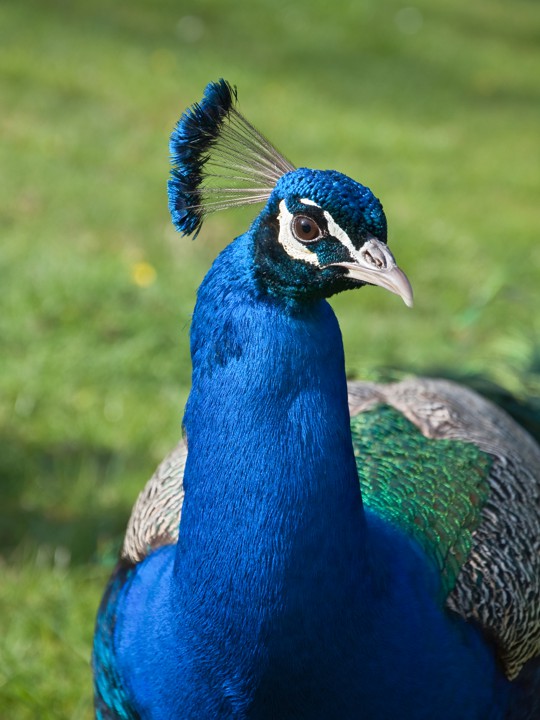
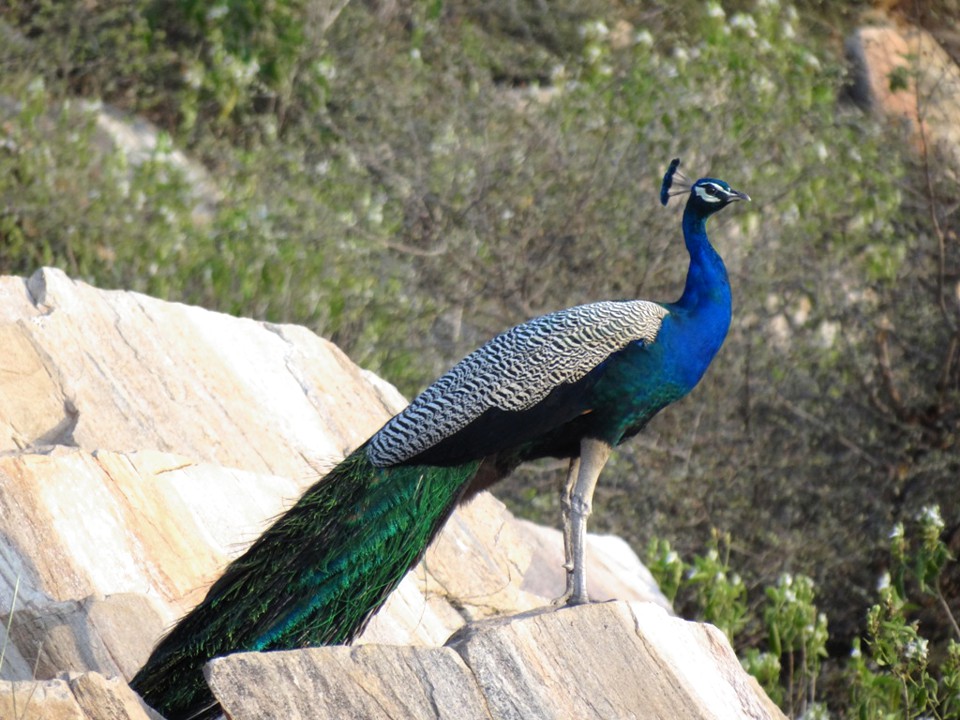
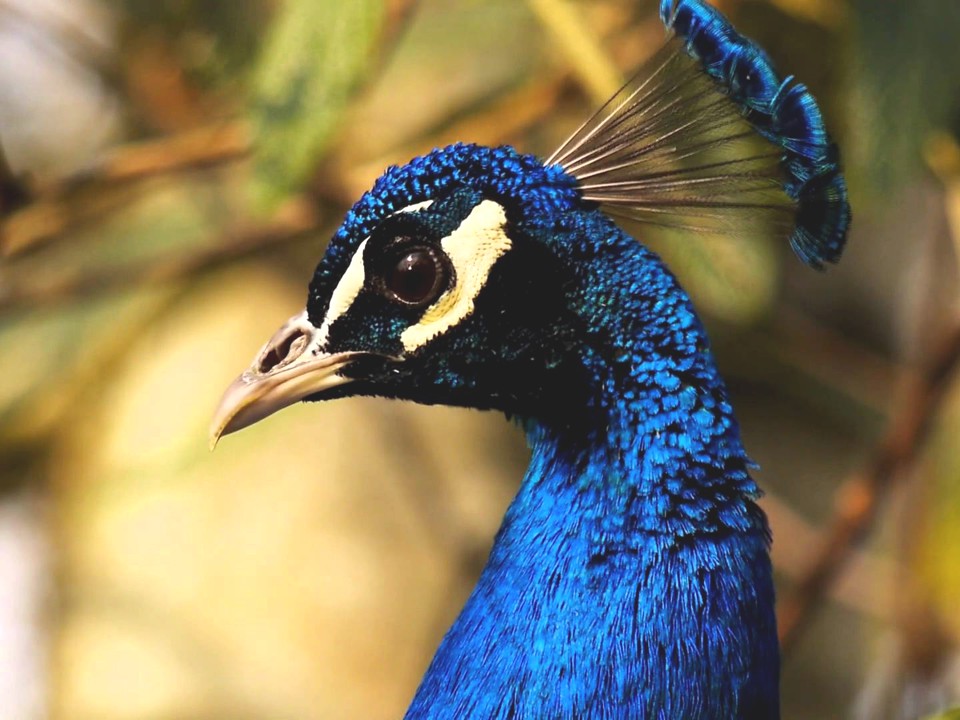
Голова, шея и передняя часть груди пурпурно-синего цвета с золотистым или зеленоватым отливом.
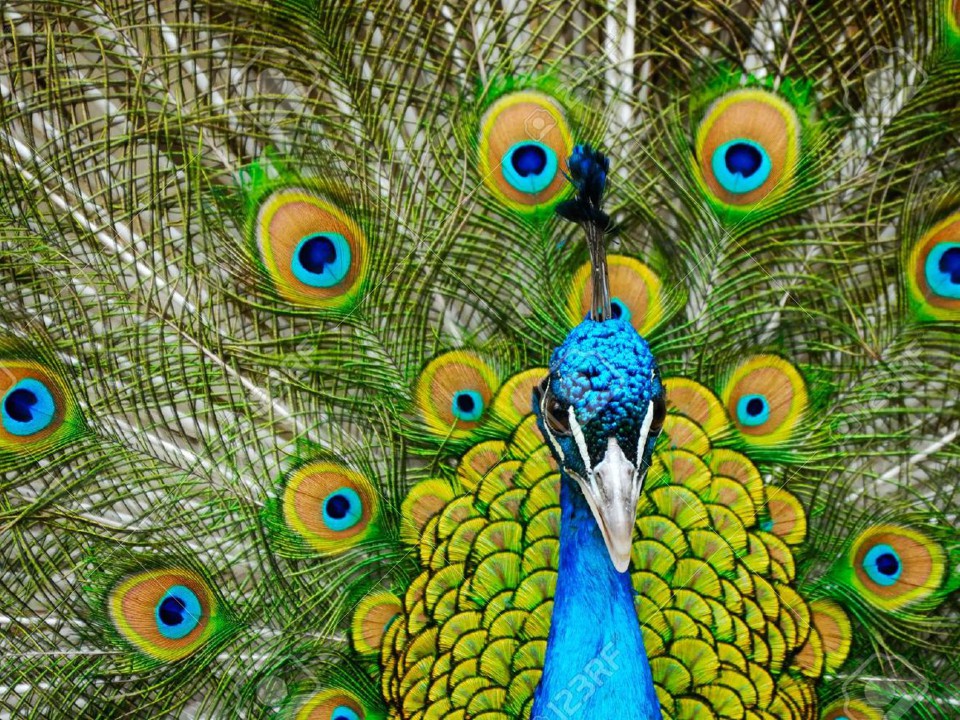
Хохолок блестяще-зеленого цвета.
Спина зеленая с металлическим блеском, голубыми штрихами, коричневыми пятнами и черным окаймлением пера.
Поясница и кроющие перья крыла светло-ржавой окраски с черными глянцевыми поперечными штрихами.
Хвост коричневый.
Нижняя сторона черная с серо-коричневыми отметинами.
Перья надхвостья зеленые с бронзовым отливом и пестрыми округлыми «глазчатыми» пятнами с черным пятном в центре.
Клюв рогового цвета.
Ноги синевато-серые.
Самки:
У глаз есть полоски.
Боковые стороны головы и горло белые.
Низ шеи, верх спины и груди блестящие, зеленые.
Остальная верхняя часть туловища землянисто-бурая со светлым волнистым рисунком.
Хохолок из перьев коричневого цвета с зеленым оттенком.
Характер
По характеру павлины пугливы. Приближение хищников заставляет их скрываться бегством или прятаться в зарослях кустарников.
Кормление
Хотя павлины и являются зерноядными птицами, но они не очень требовательны и разборчивы в еде. Главное, чтобы вода и корм всегда были свежими. Следите за чистотой кормушек и поилок, регулярно промывайте и дезинфицируйте их. Для экономии до 40 % зернового корма в их рационе можно заменить различными смесями: вареным картофелем, измельченной свежей зеленью (люцерна, разнотравье, клевер, сладкие злаки, крапива), сенной мукой, трухой (зимой) и тертыми овощами. Зерно павлинам рекомендуется предварительно промывать и просеивать, а листья и траву – промывать и подсушивать. В зимнее время года во время утреннего кормления дают проращенное зерно. Кормят павлинов два раза в день (в утреннее кормление дают влажную мешанку, а в вечернее – сухие зерновые смеси), а в период размножения (весна-лето) и линьки (сентябрь) переводят на усиленное трехразовое питание. Следите, чтобы после утреннего кормления мешанка не оставалась в кормушках. В сутки павлин съедает около 200 гр зернового корма и 400 гр свежей зелени. Но с марта по сентябрь в рацион самок и самцов павлинов, достигших половой зрелости, вводят дополнительные витаминные корма, а также сухие белковые корма (200 гр в сутки на птицу).
Особенности
Нельзя держать совместно с другими представителями отряда куриных, включая обыкновенных домашних кур, так как «королевская птица» просто забивает их насмерть. Необходимо поддерживать уровень влажности в птичнике в районе 60-70 % . Падение влажности может привести к повышенной жажде у птиц, ухудшению аппетита, худшей усвояемости кормов и снижению темпов ростов. Высокая влажность воздуха в птичнике также неблагоприятно влияет на здоровье молодняка, ухудшая его аппетит, сопротивляемость заболеваниям, негативно отражаясь на темпах роста. Кроме того, при повышенной влажности стены птичника отсыревают и на них появляются плесневелые грибки. Регулировать уровень влажности в птичнике можно при помощи вентилирования.
Разведение
Размножаются павлины преимущественно в весенне-летний период. Половой зрелости павлины достигают на третьем году жизни. С четвертого года их яйценоскость возрастает, но уже после пяти лет начинает постепенно снижаться. Тем не менее, в отличие от других птиц, павлинов содержат, как правило, до конца их жизни. От одной взрослой самки можно получить до пятнадцати (а в редких случаях и до тридцати) яиц. Однако для этого нужно каждый день вынимать из гнезда новые яйца (всего обычно бывает три цикла кладки с недельными перерывами). Обычно же среднее количество яиц в кладке – 6-7. Самки павлинов – хорошие наседки. В неволе под одну самку подкладывают больше яиц, чем обычно высиживают ее дикие сородичи (она вполне может высидеть все снесенные ею яйца – то есть 12-15 штук). Но если вы берете молодых неопытных самочек, то у них могут возникнуть проблемы с высиживанием. В этом случае потребуется либо помощь более опытной наседки (на некоторых птичьих фермах павлиньи яйца дают насиживать индюшкам или курам), либо инкубаторы. Последний вариант позволит сократить потери. Дело в том, что даже при хорошем уходе за родительской парой лишь из 80-90 % высиживаемых самкой яиц вылупляются птенцы. При использовании инкубатора этот показатель стремится к 100 %. После появления птенцов их вместе с наседкой отсаживают в отдельный вольер, где обязательно должно быть укрытие от дождя и солнца. Птенцов павлинов, как фазанят, кормят с первого же дня пшеном, свежим творогом, пшеничными отрубями, кукурузной мукой, зеленью, морковью, круто сваренными яйцами (до 5 г на птенца в сутки). Корм раскладывают на фанерных листах. Специалисты советуют выпаивать суточного птенца витаминным соком, который приготавливается из сока крапивы, люцерны и моркови в равном соотношении всех ингредиентов. Первые десять дней птенцов кормят каждые два часа, постепенно доводя число кормлений к месячному возрасту до пяти в сутки. С месяца птенцам можно давать комбикорм для цыплят-бройлеров, а цельное зерно они начинают есть с 45-дневного возраста. К десятидневному возрасту птенцы сменяют пушок на перья и начинают летать. Именно по этим перьям уже можно будет различать молодняк по полу: у самочек рулевые перья крыла бурые (серо-коричневые), а у самцов – светло-коричневого цвета с вкраплением абсолютно белых перьев. Для разведения оставляют только крепких птенцов, которые хорошо стоят на ногах, активны, хорошо опушены, имеют зарубцованную пуповину. Для проверки реакции птенцов можно постучать по полу птичника или вольера. Птицы, которые не реагируют на шум, не пускаются на развод. Часть выбракованных птиц может выращиваться на продажу, часть забивается. Хотя павлины и не разводятся на мясо из-за слишком длительного периода выращивания, но их мясо весьма вкусное и полезное.
Болезни
Домашние павлины, к сожалению, подвержены не только заболеваниям своих диких родственников, но и могут становиться жертвой заболеваний характерных для любой другой домашней птицы. Болезни павлинов можно условно разделить на заразные, незаразные и имеющие паразитарную этиологию. Причиной заболеваний могут быть как простейшие микроорганизмы, так и недостаточное питание и нехватка витаминов и минералов. Стоит отметить также, что павлины сильно подвержены опухолям, поэтому нередко именно они становятся причиной гибели птиц. Заразные болезни павлина считаются наиболее агрессивным и требуют немедленной медицинской помощи в плане лечения. К таким заболеваниям относится мнимый падеж, пастереллез, птичий грипп, ньюкаслская болезнь, инфекционный паралич, инфекционный бронхит, кнемидокоптоз, пуллоз, микоплазмоз, гистомоноз, колибактериоз, орнитоз, псевдотуберкулез, нейсериоз, ботулизм, сальмонеллез, тиф, трихомоноз, синусит оспа и чума птиц. К не заразным заболеваниям павлинов относятся экземы, липомы, неправильная постановка ног вследствие ущемления нервов, парез и паралич, растяжение и вывихи, воспалительные процесс подошвы лап и тому подобные проблемы.