Классификация
Отряд — курообразные.
Семейство — фазановые.
Подсемейство — тетеревиные.
Род — тетерева.
Вид — тетерев.
Ареал обитания
Тетерева живут в лесных и лесостепных зонах Европы, Азии и Северной Африки. Особенно распространены в Центральной Европе и Азии, а также встречаются в Скандинавии, Великобритании. В Западной Европе тетерева предпочитают селиться в горных лесах Арденн, Альп, на юге Карпатских гор, в Чехии, на юге Балкан, а также выбирают вересковые пустоши Нидерландов, Бельгии, Дании и северной Германии. Азиатский ареал распространения тетеревов включает север Монголии, северо-восток Китая и Кореи. По территории России или в прилегающих местностях тетерева расселены вблизи различных водоемов или в речных долинах. На севере это Кольский залив, Умбозеро, реки Поной и Пана, Варзуга, Стрельна, Несь, Мезень, Сула, Уса, Собь, Обь, Катарамбские озера, бассейн Среднего Вилюя, Лена, Май, Юдома, север Байкала. На юге ареал тетеревов доходит до долины реки Уссури, озера Ханка, но нигде не достигает тихоокеанского побережья. На западе от Алтайских гор ареал обитания тетеревов распадается на отдельные изолированные участки, привязанные к большим лесным массивам или растительности на речных побережьях. Но, к сожалению, в советские времена, когда сельское хозяйство распространилось на степи и лесостепи Европы, Казахстана, Сибири, численность тетеревов на этих территориях заметно сократилась. Сегодня кавказский тетерев даже занесен в Красную книгу, как вид, находящийся на грани исчезновения. С точки зрения природных условий эта птица предпочитает рощи и перелески, чередующиеся с открытыми пространствами. В горах тетерева можно встретить только в разреженной древесной растительности, а в тайге на просеках и вырубках, иногда тетерев обживается в кустарниковых рощах.
Внешний вид
Относительно крупная птица с небольшой головой и коротким клювом.
Вес: 1-1,8 кг.
Длина тела: 40-55 см.
Размах крыла: 80-87 см.
Длина крыла: 23-29 см.
Самцы:
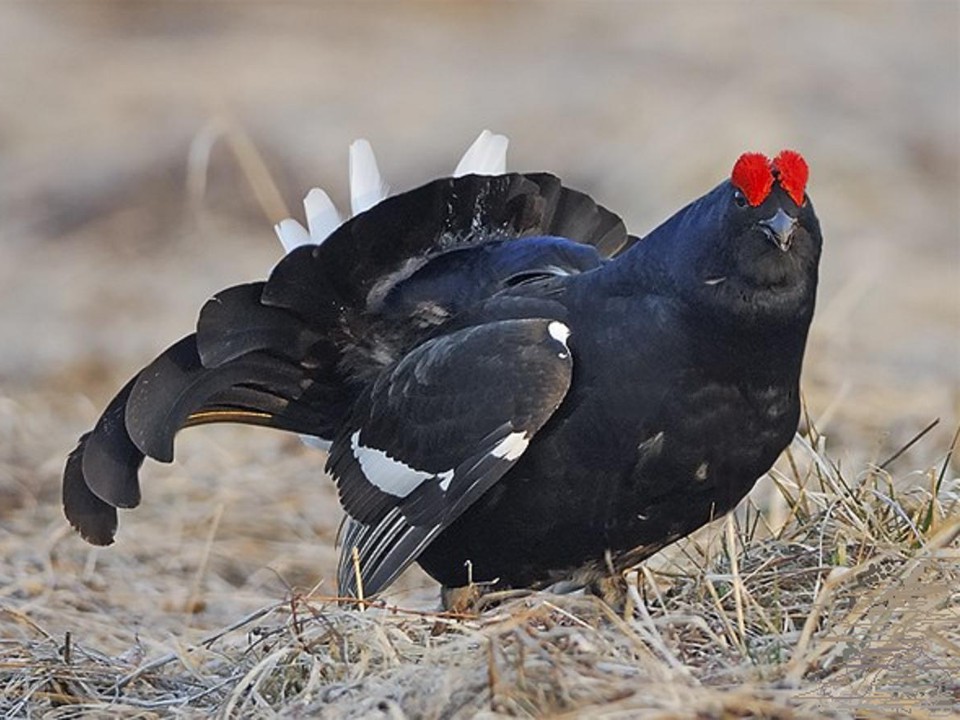
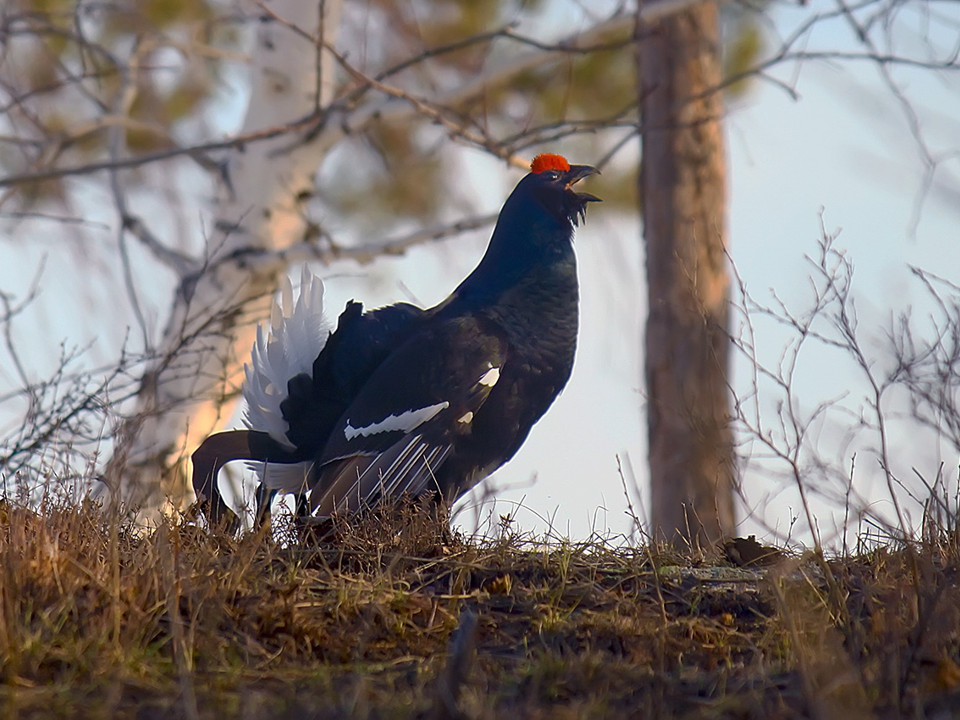
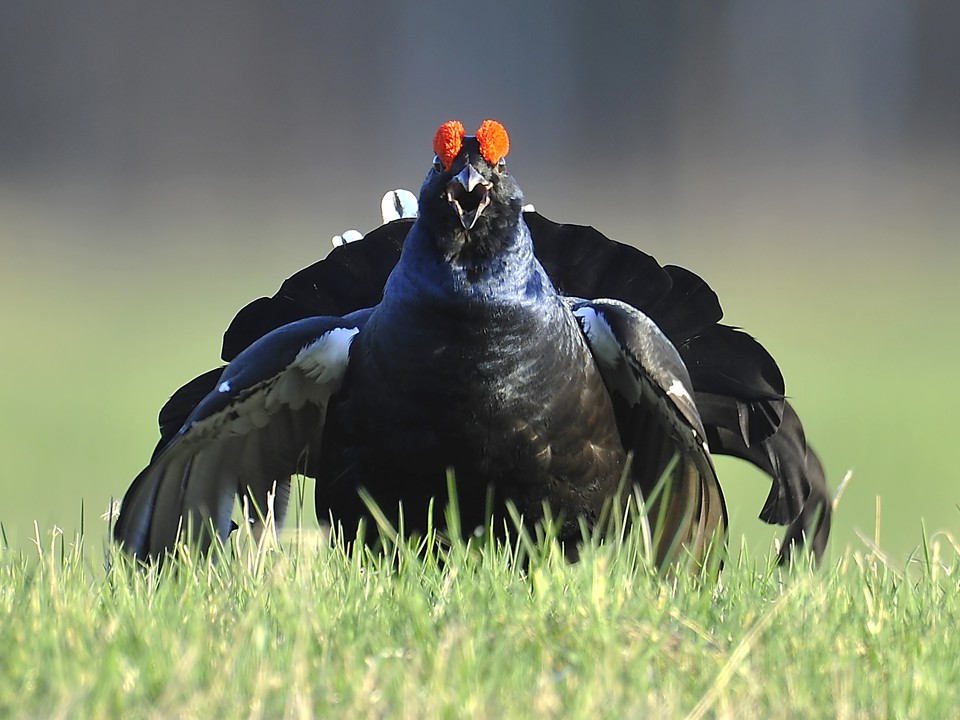
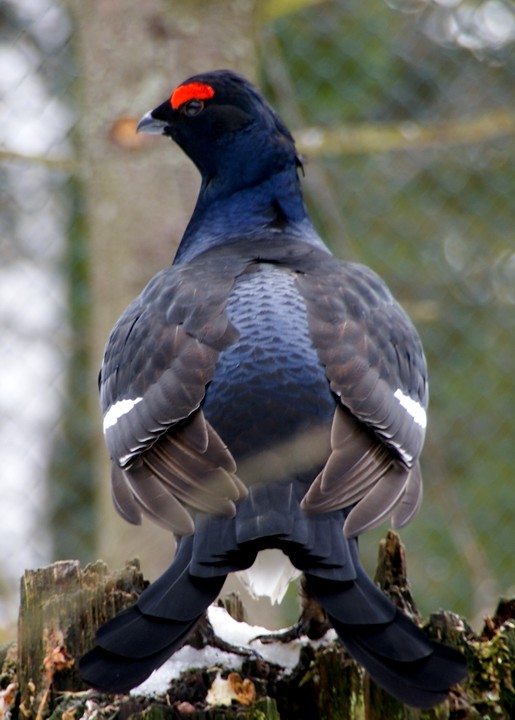
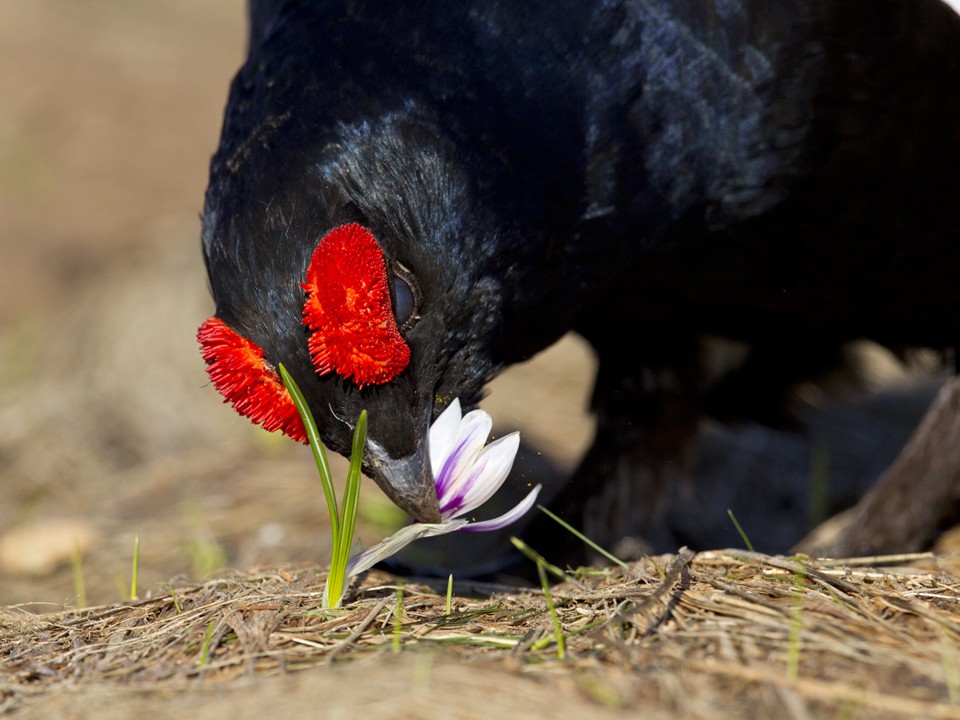
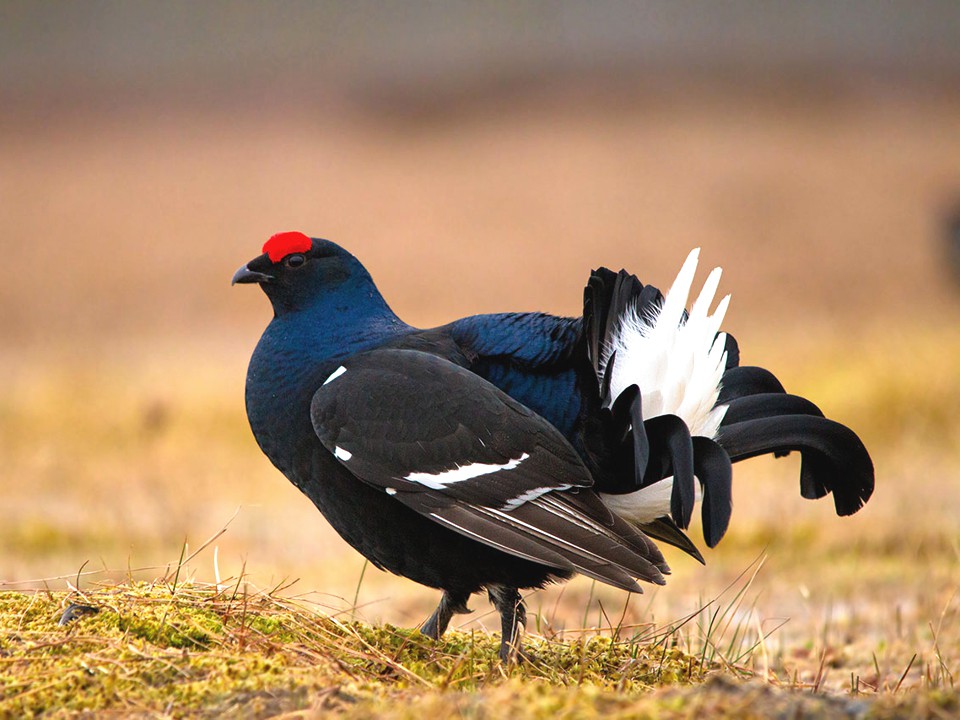
Голова,шея,зоб и поясница:блестяще-чёрное оперение с фиолетовым или зелёным отливом.
Брови ярко-красные.
Брюхо в задней части бурое, со светлыми вершинами перьев.
Подхвостье контрастно-белое.
Первостепенные маховые тёмно-бурые.
Рулевые перья хвоста чёрные с фиолетовым отливом на вершинах.
Крайние рулевые сильно загнуты в стороны, из-за чего хвост приобретает лирообразную форму.
Самки:
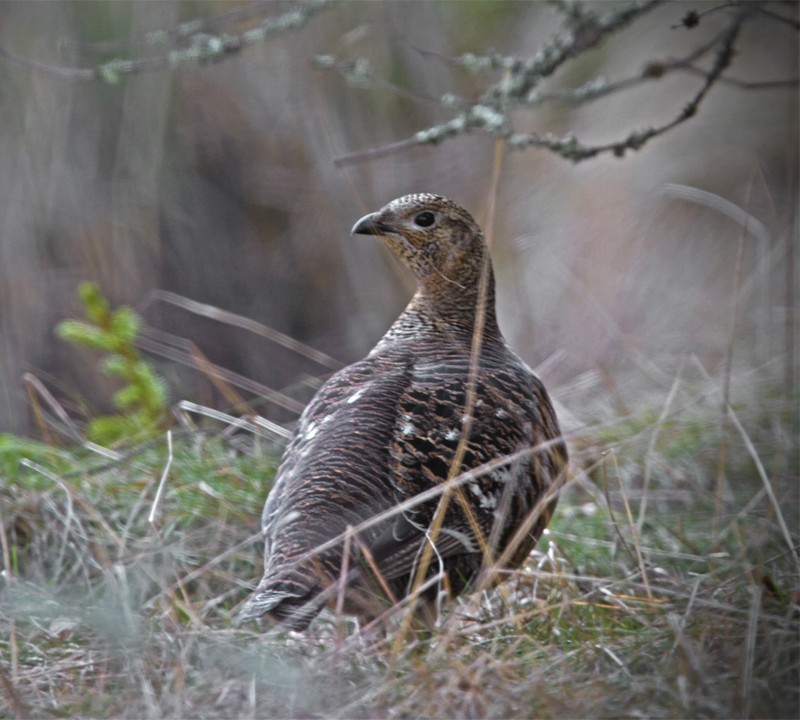
Оперение пёстрое, рыжевато-коричневое с поперечными серыми, тёмно-жёлтыми и чёрно-бурыми полосами.
Внешне она похожа на самку глухаря.
Подхвостье белое.
Молодые птицы: как самцы, так и самки, обладают пёстрым оперением, состоящим из чёрно-бурых, жёлто-коричневых и белых полос и пятен.
Характер
Тетерев – птица социальная. Для нее характерно существование в группах. Однако тетерев невероятно осторожен, у него отличный слух и зрение, а по земле он передвигается ловко и быстро.
Кормление
При разведении тетеревов в домашних условиях часто приходится сталкиваться с проблемой организации полноценного питания. В природе птица поедает побеги березы и хвои, а также различные ягоды. Обеспечить необходимое количество такого корма при содержании в неволе очень трудно. Поэтому использование заменителей просто неизбежно. Основу рациона составляют зерновые и специальные виды комбикорма. Комбикорм в чистом виде практически не используется, его дают в сочетании с добавками зерна и ягод. Суточная норма — 200 грамм на одну птицу. Весной, примерно в начале марта следует переходить на рационы с добавкой витаминов и мучных червей, которые очень богаты животным белком.
Особенности
При содержании в вольерах высока вероятность заражения тетеревов инфекционными заболеваниями.
Разведение
Самая сложная задача, которую приходится решать птицеводам при разведении тетеревов в домашних условиях, это организация размножения. Полноценно пополнять поголовье только за счет отлова диких птиц невозможно. При этом на интенсивность размножения влияет слишком много факторов. Это не только условия содержания и наличие полноценного рациона, но также соотношение в поголовье особей разных полов и способы формирования так называемых семей. В природных условиях тетерев полигамен, то есть устойчивых пар он не образует. Эксперименты показывают, что оптимальным вариантом для половозрелых птиц является содержание с одним самцом 4 самок, 3 из которых взрослые и 1 молодая. Распространенное заблуждение неопытных птицеводов заключается в том, что молодые самцы-первогодки не пригодны к размножению. Это справедливо для естественных условий, что объясняется острой конкуренцией за самок – молодых тетеревов просто не допускают к самкам. Но при расселении особей по отдельным клеткам молодняк самцов становится пригодным к размножению уже в возрасте 10 месяцев. Конечно, такой результат достижим только при условии интенсивного кормления и полноценного рациона. Сразу после появления птенцов их следует поместить в специальные сетки из металлических прутов. В первые дни жизни необходимо поддерживать высокую температуру – 30-35 градусов. Обеспечить такие условия можно с помощью лампового обогревателя. Оптимальная для безопасного содержания тетеревят влажность – 60 %. В клетки птенцов переводят в возрасте 20-25 дней, но в зависимости от погоды этот срок может увеличиваться. При разведении тетеревов в домашних условиях новорожденных тетеревят кормят специальной смесью: 8 частей крутосваренного яйца и 2 части обогащенного комбикорма. Также в первый месяц смесь можно обогащать белком и витаминами. Чуть позже можно вводить в рацион измельченные листья салата, одуванчика, мокрушника и тысячелетника. Кормовую смесь у тетеревят необходимо менять как можно чаще – она всегда должна быть свежей, иначе возрастает риск расстройства кишечника, для профилактики которых в воду добавляют небольшое количество марганцевокислого калия.
Болезни
Инфекционные заболевания вызывают паразиты – внутренние и внешние. Внутренние паразиты – различные виды глистов, живущих в пищеводе и других органах, вызывают механические повреждения органов, выделяют токсические вещества, отравляющие организм хозяина и лишают его питательных веществ. В связи с тем, что паразиты часто находятся в улитках и дождевых червях, нельзя ограничивать выпас на подмоченных почвах. Носителями яиц и личинок паразитов могут быть мыши и крысы, а также дикие птицы. Внутренние паразиты – блохи, пухоеды, различные виды клещей проникают под кожу, в перья. Внешние паразиты вызывают зуд и беспокоят птиц. Размножаются они очень быстро и вызывают истощение, малокровие, снижение яйценоскости у несушек, а также уменьшение прироста массы у молодняка.