Классификация
Отряд — воробьинообразные.
Семейство — сорокопутовые.
Род — сорокопуты.
Вид — обыкновенный жулан.
Ареал обитания
Птица гнездится в Европе и западной Азии, на зиму улетает в тропическую Африку. Ареал данного вида сокращается, и сейчас эта птица исчезла с островов Великобритании, как гнездящийся вид, однако его можно там встретить во время миграций.
Внешний вид
Вес:28 гр.
Длина тела:16-18 см.
Размах крыльев:28-31 см.
Длина крыла:9,3 см.
Длина хвоста:7 см.
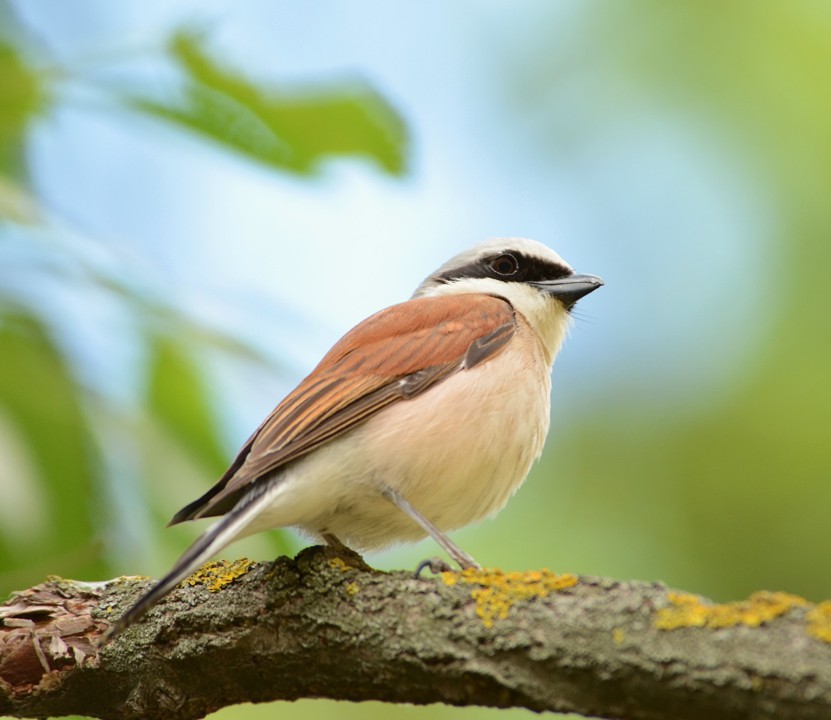
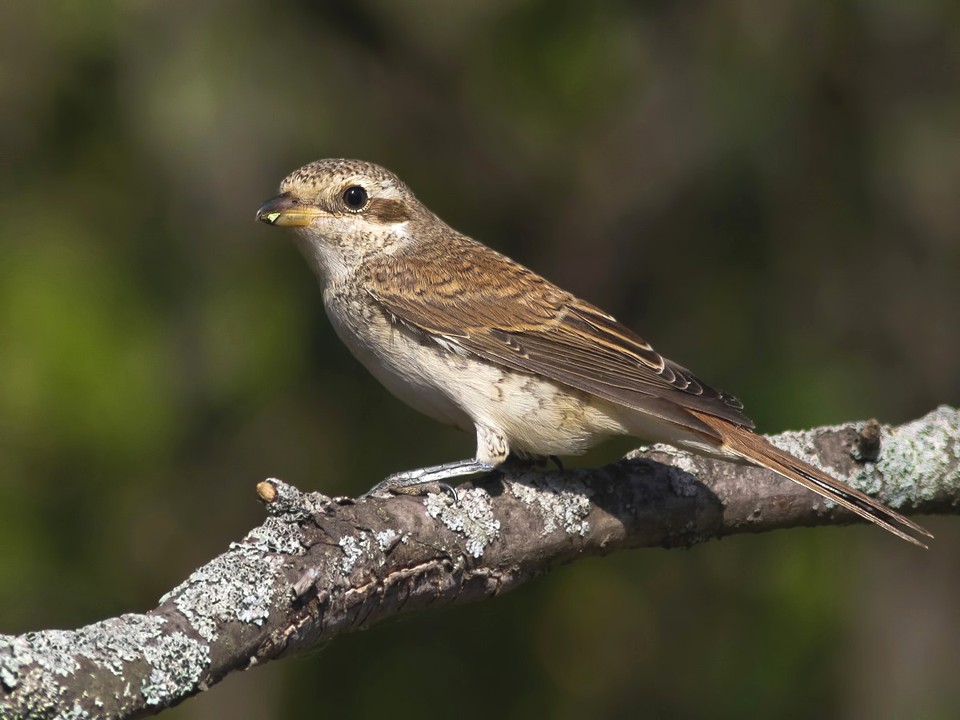
Самец окрашен ярче и контрастнее самки.
Самцы:
Верхняя часть тела красноватая.
Голова серая, через глаза проходит типичная для данного семейства черная полоска— «маска».
Нижняя часть тела слегка розоватая.
Хвост черно-белый.
Самки:
Верхняя часть тела коричневая с извилистым рисунком.
Нижняя часть тела тёмно-желтого цвета так же с извилистым рисунком.
Характер
Жулан - смелая, храбрая, беспокойная птица.
Кормление
Начиная с августа, если свежие муравьиные куколки уже отсутствуют, дают обильно диких насекомых, а не больше двух раз в неделю дают сырую, крупно разрезанную говядину. Однако для образования погадок лучше всего давать воробьев, от которых отрезают фрагменты с перьями за головой. Однако, основным кормом всегда остается хорошая соловьиная смесь. Ее увлажнения морковью проводить не следует. Для этого достаточно ее ошпарить. Если корм окажется слишком влажным, его сушат сухими муравьиными куколками. Осенью ежедневно дают 10-15 мучных червей. После начала периода пения, число червей повышают до 25, распределяя эту норму на три приема. Жулан любит лакомиться яблоками и другими фруктами. Кроме того, в рацион этих птиц необходимо, помимо мучных червей, включать живых насекомых — тараканов, майских жуков, саранчуков и др.
Особенности
Из-за их хищной натуры, представляющей опасность для других птиц, содержать этих пернатых следует поодиночке в клетках.
Разведение
Разведение в неволе возможно в хорошо подготовленных вольерах, где пара находится без других птиц.
Болезни
Здоровые птицы активны, подвижны, хорошо едят, с удовольствием купаются, не хохлятся. Глаза и клюв чистые, перья не взъерошены. Неинфекционные заболевания: Переломы, ранения, пухоед, гамазовые клещи, кнемидокоптоз, конъюктивит, затруднённая яйцекладка, отрастание клюва и когтей, недостаток минеральных веществ, гиподинамия, нарушение линьки. Инфекционные заболевания, вызываемые вирусами, микроорганизмами и паразитами: Сальмонеллез, туберкулёз, оспа, аспергиллез, парша, птичий грипп, пастереллез, болезнь Ньюкасла, респираторный микоплазмоз, пуллороз, гельминты, кокцидоз. Предрасположенность к болезням: Ожирение. Птица способна к перееданию. Кормить требуется как хищника - один раз в день.