Классификация
Отряд — воробьинообразные.
Семейство — скворцовые.
Род — настоящие скворцы.
Вид — обыкновенный скворец.
Ареал обитания
В нашей стране обитают 6 видов скворцов, относящихся к 4 родам. Наиболее известен из них обыкновенный скворец, или шпак. Населяет он преимущественно зону широколиственных и смешанных лесов Европы и Западной Азии на восток до Байкала. Но чаще всего его можно встретить в культурном ландшафте. Благодаря человеку ареал скворца расширяется. И не только на тех континентах, где он исстари обитал, но и распространяется на новых материках: в Северной Америке, где он стал многочисленной птицей, в Австралии, Южной Африке, Новой Зеландии и на многих других океанических островах, где его никогда не было.
Внешний вид
Вес:75 гр.
Длина тела:18,7-21,2 см.
Длина крыла:13 см.
Длина хвоста:6-7 см.
Шея:короткая .
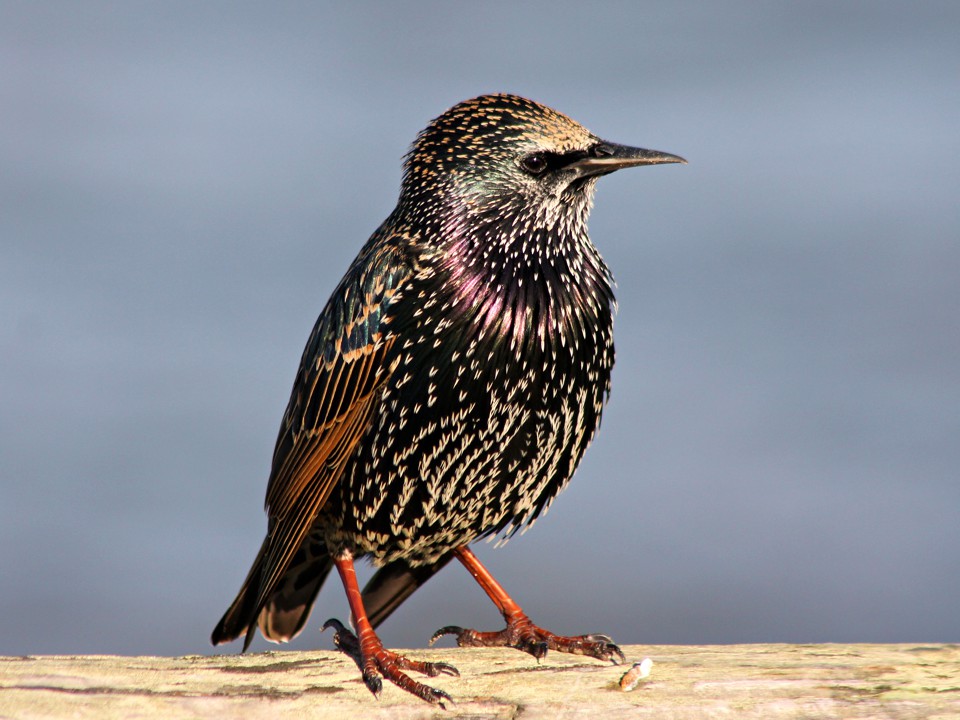
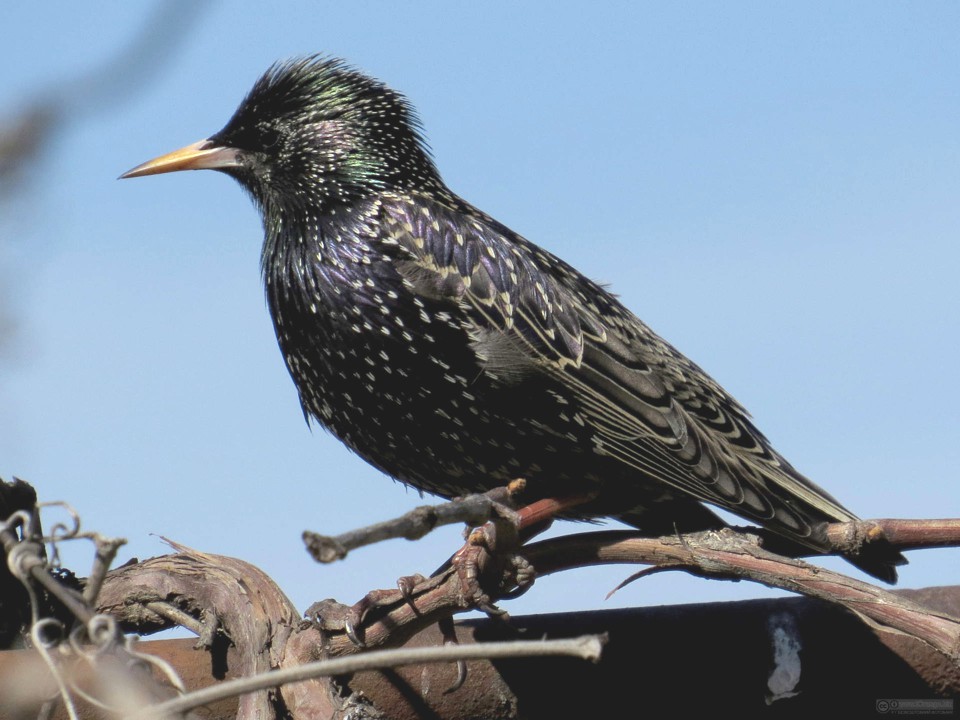
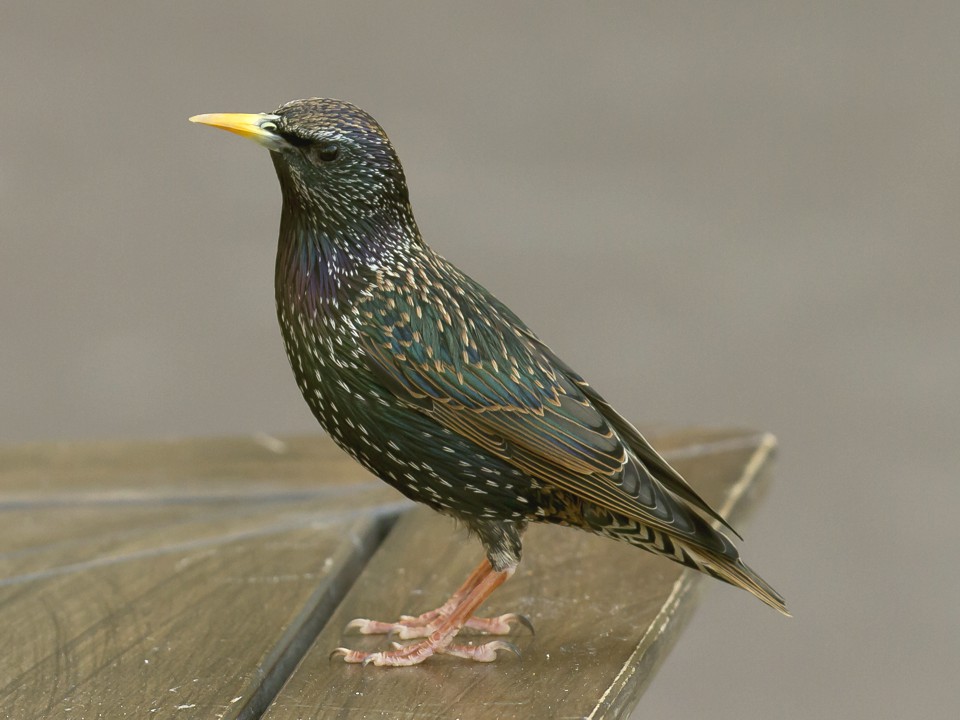
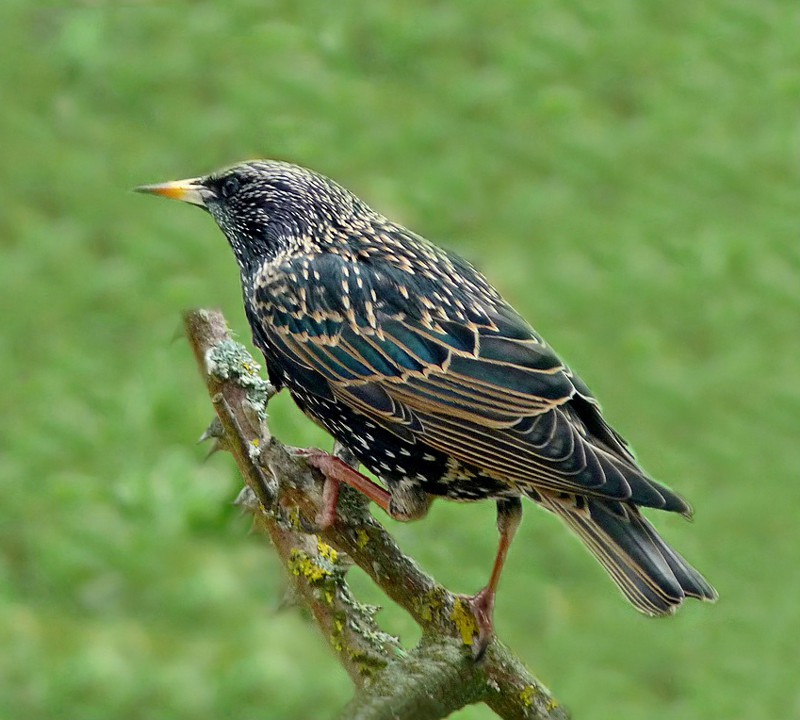
Клюв:длинный,немного изогнут вниз.Почти весь год имеет черный цвет,а в период размножения сменяется на желтый.
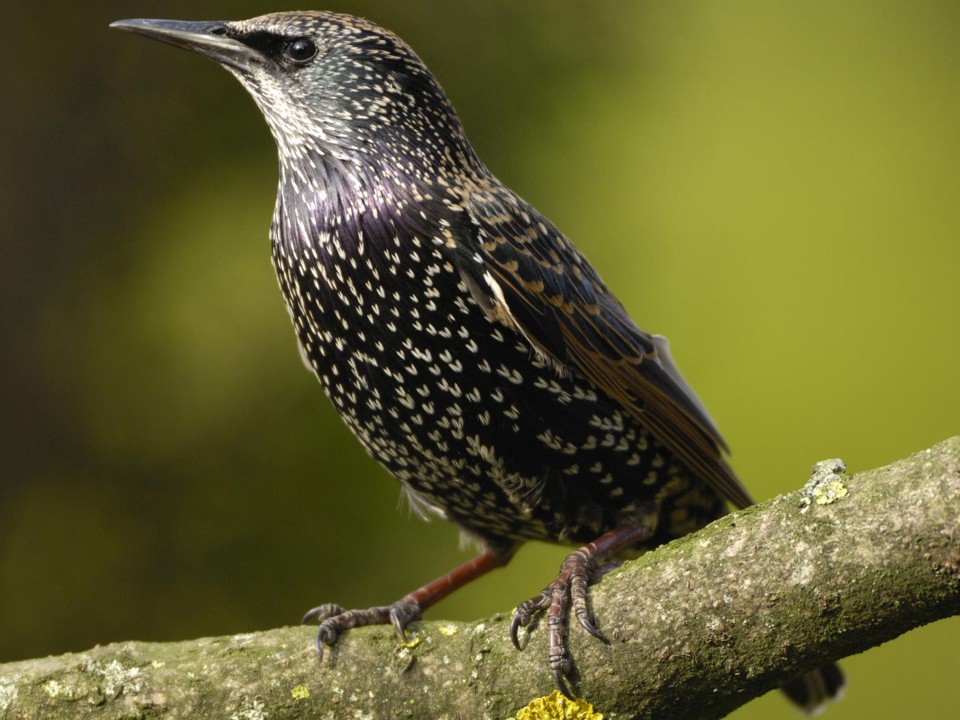
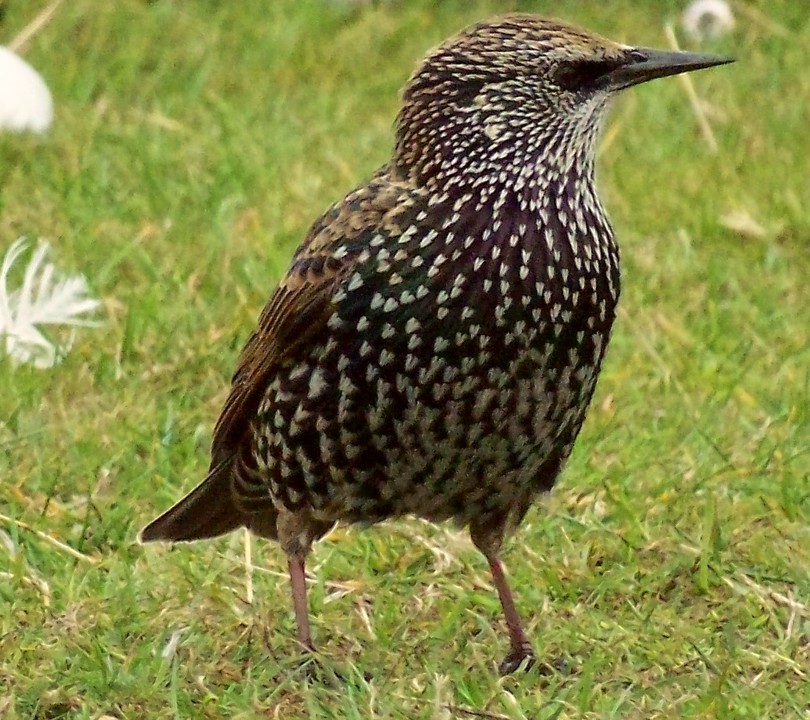
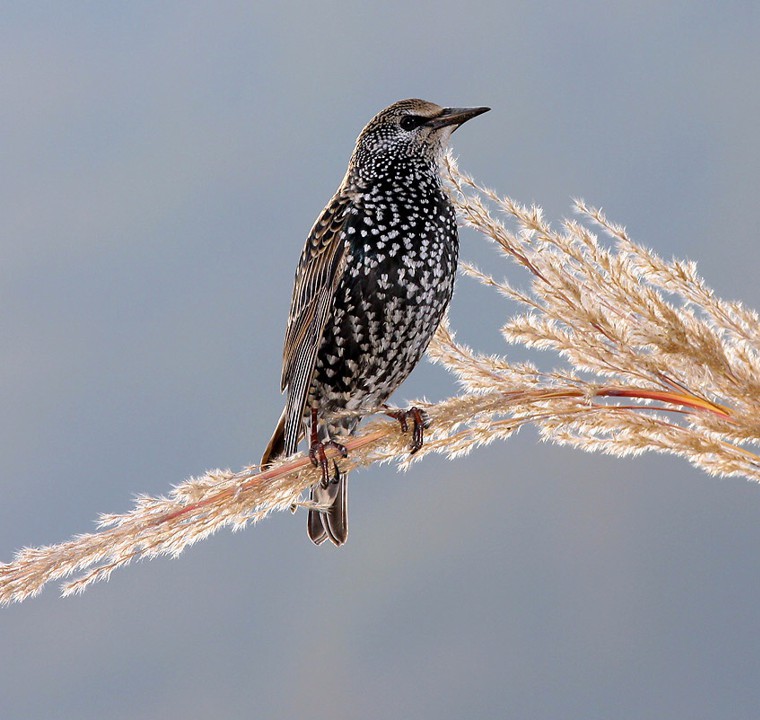
Задняя часть шеи, грудки и спина имеют оперение черного цвета с характерным металлическим блеском. Однако у некоторых подвидов оперение может обладать синеватым, фиолетовым, зеленоватым или бронзовым оттенками.
Крапинки: зимой у скворцов стачиваются кончики перьев. Именно поэтому на теле этих птиц становятся заметными крапинки, которые имеют кремовый или белый оттенки. Они имеют более крупный размер на внешней части крыльев и на грудке.
Окрас:при весенней линьке окрас становится монотонно-бурым.
Самцы:
Перья на грудке удлинены.
Клюв:в основании клюва есть пятно синеватого цвета.
Самки:
Перья на грудке изящные и короткие.
Клюв:в основании клюва имеются красноватые крапинки.
Характер
Скворцы относятся к очень сообразительным птицам. Уже через месяц после поимки они привыкают к хозяину, который за ними ухаживает, и даже берут лакомства из рук. Скворцы миролюбивые птицы и прекрасно уживаются с другими, родственными им пернатыми в крупных садках или вольерах. Так, в Московском зоопарке жили обыкновенные и родственные им серые скворцы (Sturnus cineraceus). При содержании в клетке редко какая-либо другая птица своим милым и общительным характером и способностью к быстрому полному приручению может конкурировать со скворцом и доставлять так много удовольствия своим обществом. Он становится настоящим членом семьи, безошибочно отличая «своих» и недоверчиво относясь к посторонним. По отношению к другим видам птиц скворцы могут проявлять агрессию.
Кормление
Скворцы — очень прожорливые птицы, требующие большого количества разнообразных кормов. В естественных условиях они потребляют до двухсот граммов насекомых и растительных компонентов в сутки, что превосходит вес самих птиц практически в два с половиной раза. В условиях неволи также не страдают отсутствием аппетита, что необходимо учитывать при их приобретении. В рацион скворцов должны входить разнообразные фрукты, ягоды, овощи, семена дикорастущих и культурных растений, зерновые смеси, мягкие смеси, орехи и семена хвойных деревьев, зелень, творог, вареное мясо, яйцо, различные витаминные и минеральные добавки.
Особенности
Скворцы имеют жидкий, довольно едкий помет, оставляющий несмываемые пятна на одежде, коврах и так далее. Клетка быстро загрязняется, и чтобы избежать неприятного запаха, ее придется часто убирать. Скворцы — вовсе не мастера мелодичного пения. В их репертуаре много скрипучих и резких звуков. Кроме того, они довольно крикливы. Поэтому этих птиц лучше поселять на улице или в отдельно стоящих помещениях, специально оборудованных для их содержания.
Разведение
Размножаются скворцы в неволе редко. Но это скорее результат невнимательного отношения, а иногда и следствие трудностей, связанных с подбором пары. Для размножения необходима отдельная большая вольера, обеспечивающая птицам покой в брачный период. В это время они становятся очень агрессивными и насмерть заклевывают непрошеных чужаков. Чтобы у скворцов был выбор места для гнездования, соорудите разнообразные дуплянки, гнезда, насыпи из больших камней с удобными нишами, полочки и так далее. Обеспечьте их гнездовым материалом, поместив в вольер тонкие веточки, траву, сено, свежую полынь, нарезанные шерстяные нитки. Все остальное птицы сделают сами в соответствии со своими видоспецифическими особенностями.
Болезни
Заболевания у птиц легче предупредить, чем лечить. Но даже при очень хорошем содержании трудно избежать появления заболеваний. Причина чаще всего кроется в самом факте заключения птицы в клетку. Каждый орган птицы, ее обмен веществ приспособлены к активным физическим нагрузкам, к преодолению разнообразных трудностей, в том числе и стрессов. Попадая в условия неволи, птица не может в полной мере реализовать свои потребности в движении, в корме, в разнообразных поведенческих проявлениях. Появляются нарушения привычного режима дня, а затем и физиологических ритмов, обмена веществ. Особенно это касается только что пойманных взрослых птиц. Им очень трудно адаптироваться к новым условиям. Гораздо легче привыкают птенцы и молодые птицы. Поэтому каждый любитель должен иметь элементарные навыки и знания по наиболее распространенным заболеваниям. Это позволит вовремя заметить признаки болезни и оказать первую помощь. Это позволит вовремя заметить признаки болезни и оказать первую помощь. Но не старайтесь лечить птицу самостоятельно, лучше обратитесь к опытному ветеринару. Он осмотрит птицу, сделает необходимые анализы, и вы будете точно знать, чем болен ваш питомец и какой именно возбудитель болезни вызвал ее. Дело в том, что большинство инфекционных заболеваний протекают у птиц очень быстро. Особь может погибнуть уже через сутки после появления первых признаков заболевания. Поэтому у вас может не оказаться времени для экспериментирования с лечебными средствами. После определения возбудителя болезни необходимо срочно приступать к лечению. Неинфекционные заболевания: • переломы • ранения кожи • пухоеды • гамазовые клещи • кнемидокоптоз • гельминты • кокцидиоз • намины • конъюктевит • обморожения и переохлаждения • термические ожоги кожи и перьев • затрудненная яйцекладка • ортзатрудненная яйцекладка • отрастание клюва и когтей • авитаминозы • недостаток минеральных веществ Инфекционные заболевания: • сальмонелез • туберкулез • оспа • аспергиллез • парша