Классификация
Отряд — воробьинообразные.
Семейство — вьюрковые.
Род — чечевицы.
Вид — обыкновенная чечевица.
Ареал обитания
Гнездится в лесной зоне Евразии. Зимовки находятся в Южной и Юго-Восточной Азии.
Внешний вид
Длина тела: до 20 см.
Вес: до 25 гр.
Чечевица размером с воробья.
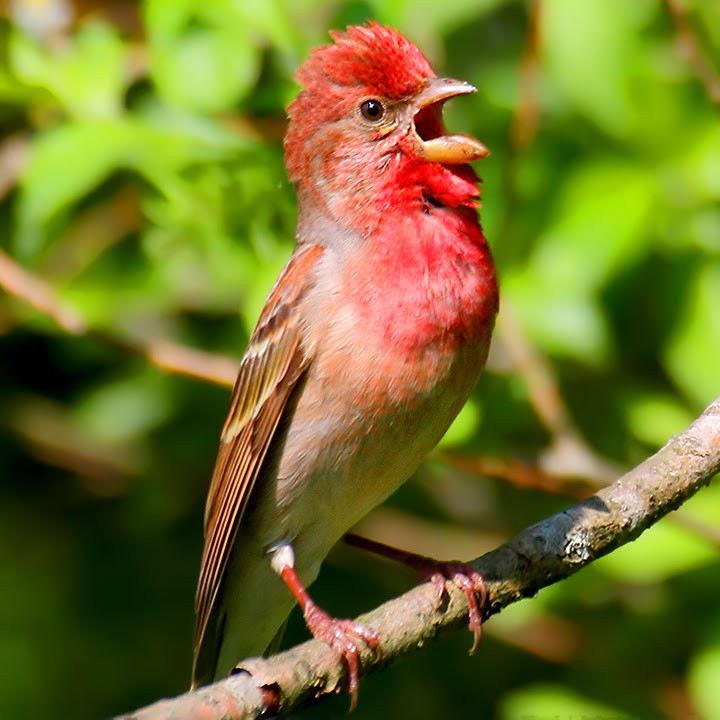
Призывный крик - чистый четырехсложный свист, обыкновенно издающийся самцами, сидящими на верхних ветвях деревьев или кустарников. Держатся одиночками, парами и небольшими стайками.
Полет волнистый. Двигаются по земле короткими прыжками.
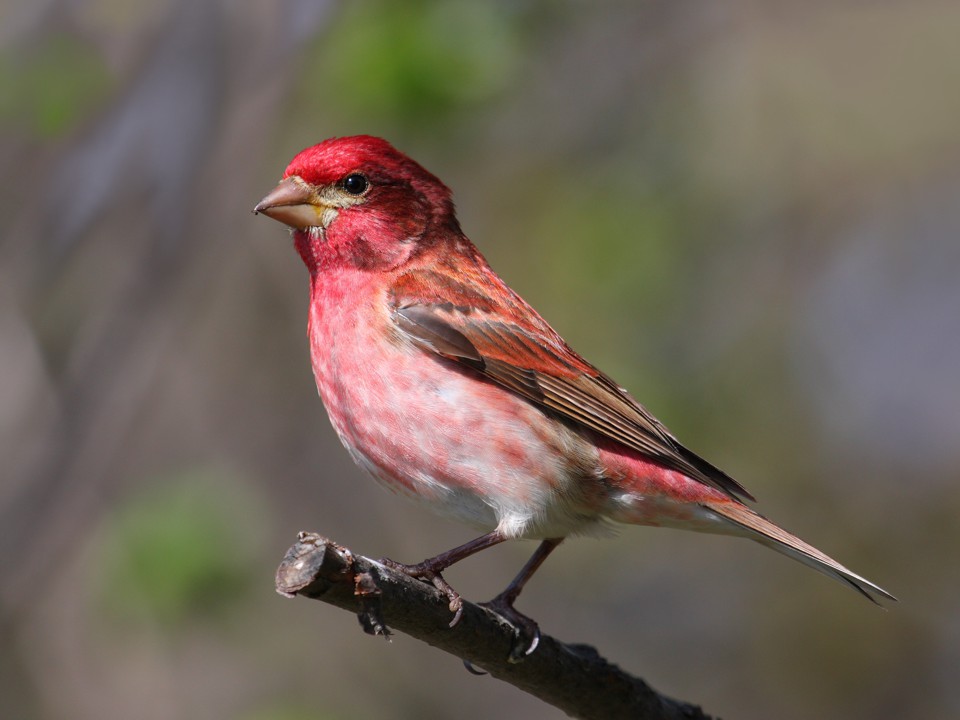
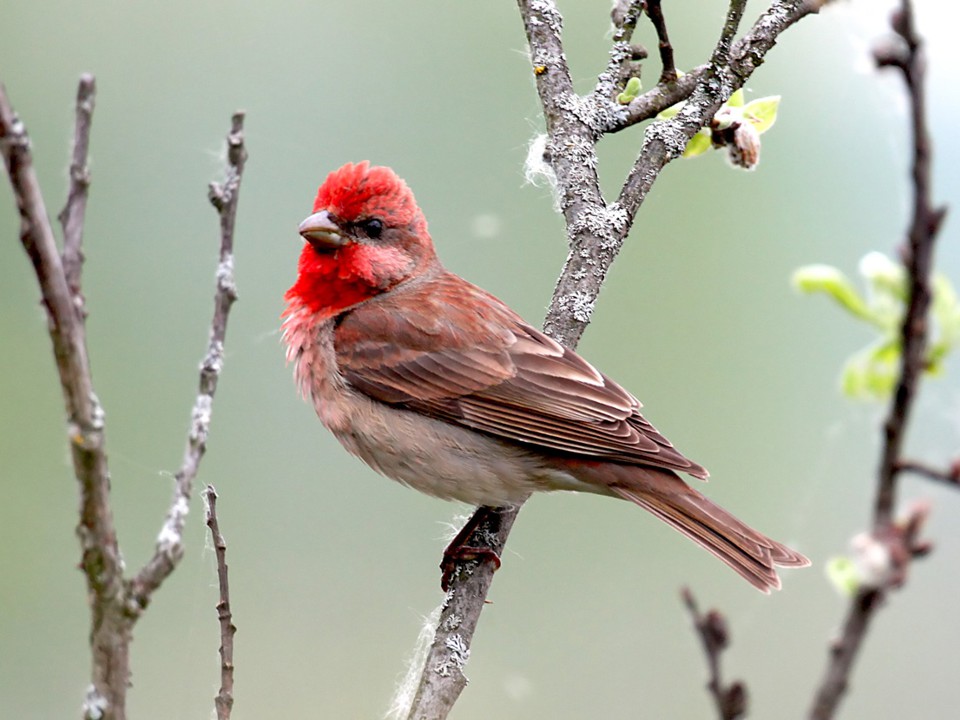
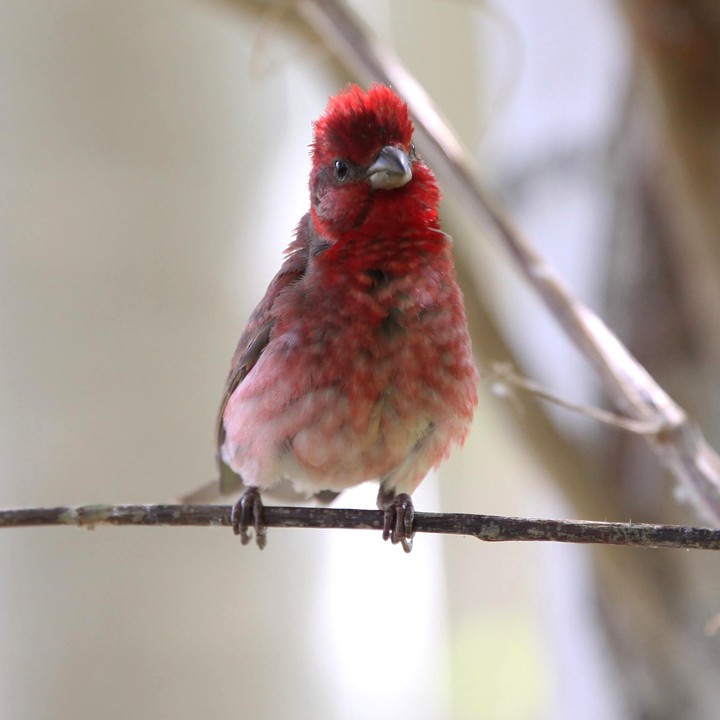
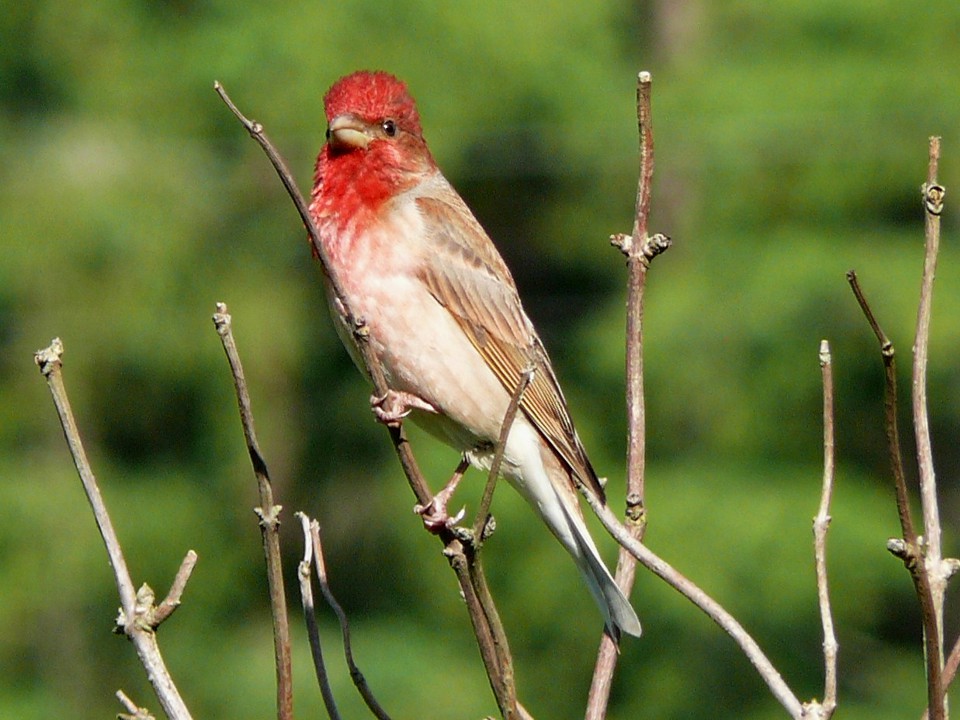
Окраска у взрослого самца почти вся красного цвета.
Голова, горло, верхняя часть груди яркого киноварно-красного оттенка.
Нижняя часть тела и бока беловато-розовые.
Нижняя часть груди и брюха с примесью красного.
Подхвостье и подмышечные белые.
Нижняя часть шеи, спина и плечи темно-буровато-красные и имеют светлые каемки на больших перьях.
Поясница и вершины перьев надхвостья красные.
Крылья и хвост бурые с грязновато-розовым оттенком.
Радужина, клюв и ноги бурые.
У самцов (взрослых) почти все оперение киноварно-красное, особенно яркое на груди и зобу. У самок и молодых серовато-бурое с оливковым оттенком; крылья и хвост буровато-красные у самцов и темно-бурые у самок.
Самка - серовато-бурая с оливковым оттенком на спине, голове и плечевых; грудь и бока в неясных темных наствольях. Общая окраска нижней части тела охристая. На крыльях две светлые полоски, образованные вершинами средних и больших кроющих, окрашенных в беловато-охристый тон. Надхвостье охристое без наствольных черт. Молодые окрашены похоже на самок, но тусклее и темнее их.
Характер
По характеру эти птицы миролюбивы и вполне неплохо уживаются другими обитателями вольера.
Кормление
В качестве корма используется смесь семян культурных и диких растений. Часто питаются чечевицы недозрелыми семенами: например, того же одуванчика. Около половины птичьего меню должно приходиться на свежие ягоды, плоды и зелень. Подходящая зелень: одуванчик, крапива, щавель, укроп, петрушка и другая. Кормить птиц можно и кашами, сваренными на воде без соли и сахара. Подходящие ягоды, фрукты и овощи: тутовник, малина, ежевика, клубника, земляника; яблоки, груши; морковь, свекла и другие. Любимое ягодное лакомство — ирга. Животные корма: вареные яйца, некислый творог, мучные черви, кузнечики и другие насекомые.
Особенности
Единственной проблемой является линька птиц. Красная окраска чечевицы после первой линьки пропадет и в лучшем случае останется кирпичной при благоприятном кормлении. Чечевица в клетке склонна жиреть за короткое время, буквально в течение месяца. Это ведет к снижению активности и выпадению пера как способу избавления организма от жира. К сожалению, новые перья не отрастают вовсе или отрастают только на отдельных участках тела, в результате внешний вид птицы не доставляет удовольствия.
Разведение
Для размножения необходима просторная вольера с уголком, заросшим кустарником, или снабженная имитацией густого куста. Можно подвесить искусственное гнездо, но лучше добиться, чтобы самка самостоятельно свила его из травы. Материала для гнезда в вольере должно быть достаточно. Птицам необходимы покой и уединение. Самка откладывает три-шесть яиц, которые насиживает одиннадцать-четырнадцать дней. Птенцы вылетают на тринадцатый-четырнадцатый день.
Болезни
Болезни певчих птиц: 1. Запор. Причиной запора обычно является чрезмерное кормление птиц жирной (конопля, льняное семя, рубленое яйцо, подсолнечник) или некачественной пищей. 2. Понос. Понос — частые водянисто-слизистые испражнения желто-белого или бело-зеленого цвета. Он обычно бывает вызван слишком обильным кормлением зеленью, некачественным кормом, холодной питьевой водой. 3. Паразитические насекомые. Встречаются заболевания, вызываемые клещами и паразитическими насекомыми. Иногда на теле птиц обнаруживаются пухопероеды. Они питаются пухом, пером и ороговевшими чешуйками кожи. Птицы ведут себя беспокойно, часто перебирают клювом перья, особенно в области хвоста и под крыльями. В ряде случаев перьевые паразиты могут быть заметны невооруженным глазом. При массовом размножении заметно повреждается структура пера 4. Ожирение. Ожирение — жировой налет на брюшке, грудке и даже спинке, затрудненное дыхание, вялость движений. Причиной ожирения является чрезмерное кормление, особенно жирными и мучнистыми кормами, предрасположение организма к ожирению, нерегулярное купание. 5. Наросты на ногах. Все болезни ног происходят от неправильного содержания, антисанитарии и неверном устройстве присад, вызываются прилипшей грязью и экскрементами, разъедающими кожный покров, сыростью, присутствием клещей. Представляют собой пластинчатые образования, иногда с гнойными выделениями, в основном спереди на плюсне и на заднем пальце. Плюсна выглядит спереди не круглой, а острой, как лезвие ножа. Наросты делают болезненными движения птицы и приводят к тяжелым ревматическим заболеваниям и опухолям ног. 6. Болезнь печени. Признаки — темные пятна на брюшке и возле грудной клетки, слабость, вялость движений, отсутствие аппетита. Вызывается некачественным кормом, избытком жирной пищи, запором. 7. Заболевание гузковой (копчиковой) железы. Опухоль железы может возникнуть от повреждений, укусов клещей, попадания грязи. Если вовремя не принять мер, птица погибнет. 8. Отрастание клюва и когтей. Чрезмерно отросшие когти затрудняют движения птицы, особенно по ровной поверхности, не дают придерживать корм (видовая особенность), а в случае цепляния за решетку могут служить причиной серьезной травмы. 9. Заболевание глаз. Заболевание глаз связано с неопрятным содержанием птицы, отсутствием в рационе кормов, богатых витамином А. 10. Авитаминоз. Причина — некачественный корм, отсутствие зелени, паразиты в клетке. 11. Энтерит и воспаление клоаки. Эти болезни возникают из-за неправильного кормления и при переохлаждении птиц. 12. Заболевание органов дыхания. Причинами заболеваний органов дыхания могут быть сквозняк, резкие перепады температуры воздуха, холодная вода. 13. Болезни обмена веществ. При неправильном и однообразном кормлении у птиц возникают болезни обмена веществ. 14. Инфекционные заболевания. К инфекционным заболеваниям относятся орнитоз, туберкулез, оспа, дифтерия, микоз и др. К счастью, инфекционные заболевания среди мелких птиц встречаются редко. 15. Переломы. 16. Хрипота. 17. Гастроэнтерит. Это воспаление слизистой оболочки железистого желудка и кишечника. 18. Дерматит. Это - воспаление кожи. 19. Диарея. Обильный понос с выделением жидкого помета красного цвета. Болезнь очень опасная — птица может погибнуть в течение суток. 20. Парша(Дерматомикоз). 21. Сингамоз. Эту болезнь можно определить лишь в запущенном ее состоянии. Признаками ее являются: а) одышка, хрипы, б) кашель с отхаркиванием червей. При осмотре гортани червей можно обнаружить в просвете трахеи.