Классификация
Отряд — воробьинообразные.
Семейство — вьюрковые.
Подсемейство — щеглиные.
Род — щеглы.
Вид — чиж.
Ареал обитания
Численность чижей большая и ареал обитания широк. Но условно его можно разделить на две основные территории: Европейскую, захватывающую прилегающие местности Западной Азии, куда включены Малая и Передняя Азия и Западная Сибирь; и Дальневосточную, протянувшуюся от Забайкалья до Китая и Японии, точнее, северных частей этих восточных стран. Вокруг России чижи особенно распространены на Украине, в Крыму, на Кавказе и в Казахстане. Правда, в Крыму птицы собираются в основном в зимний сезон, а в кавказских горных местностях перемещаются с лесистых гор в долины. Чиж – птица перелетная, но и в обычное время она редко пребывает на одном месте. Зимой чижи мигрируют далеко на юг – в Северную Африку, Ирак и Южный Китай.
Внешний вид
Длина: тела 10 – 12 см.
Вес: до 14 грамм.
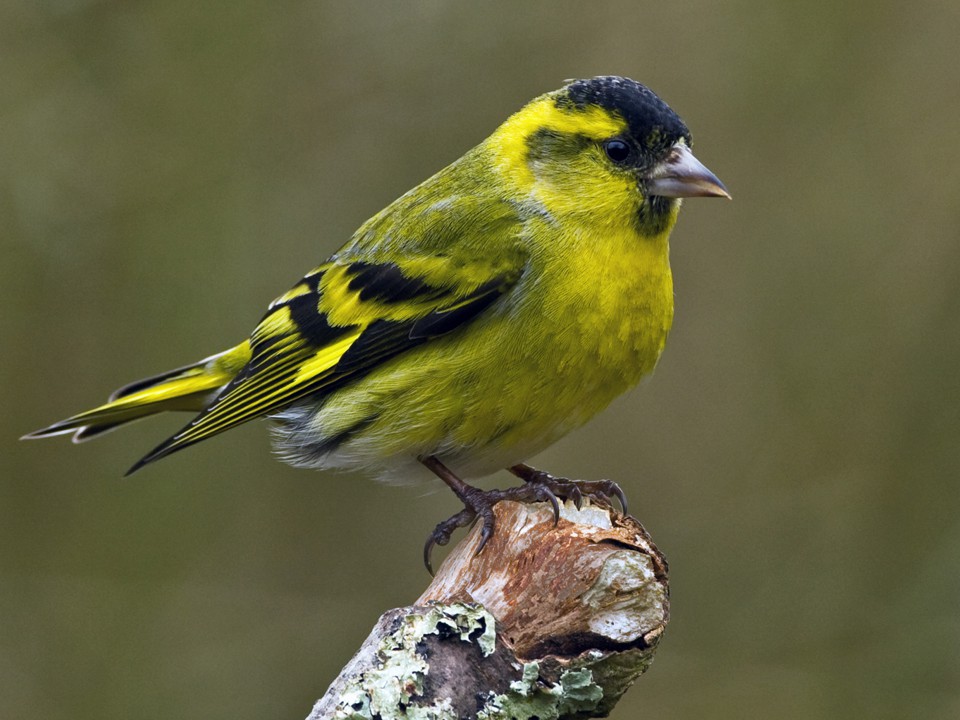
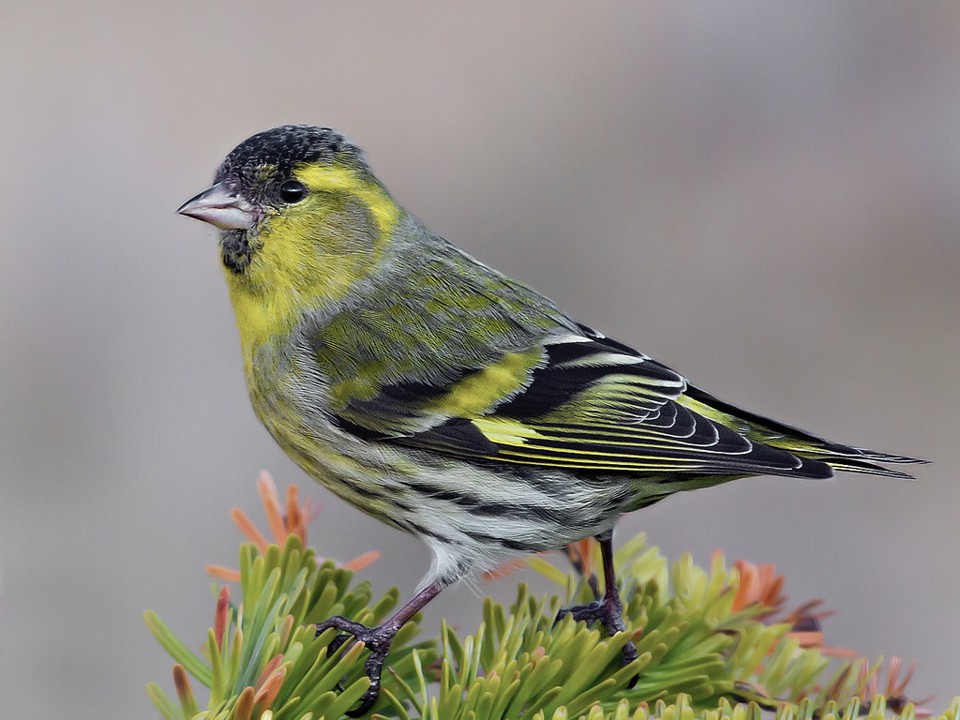
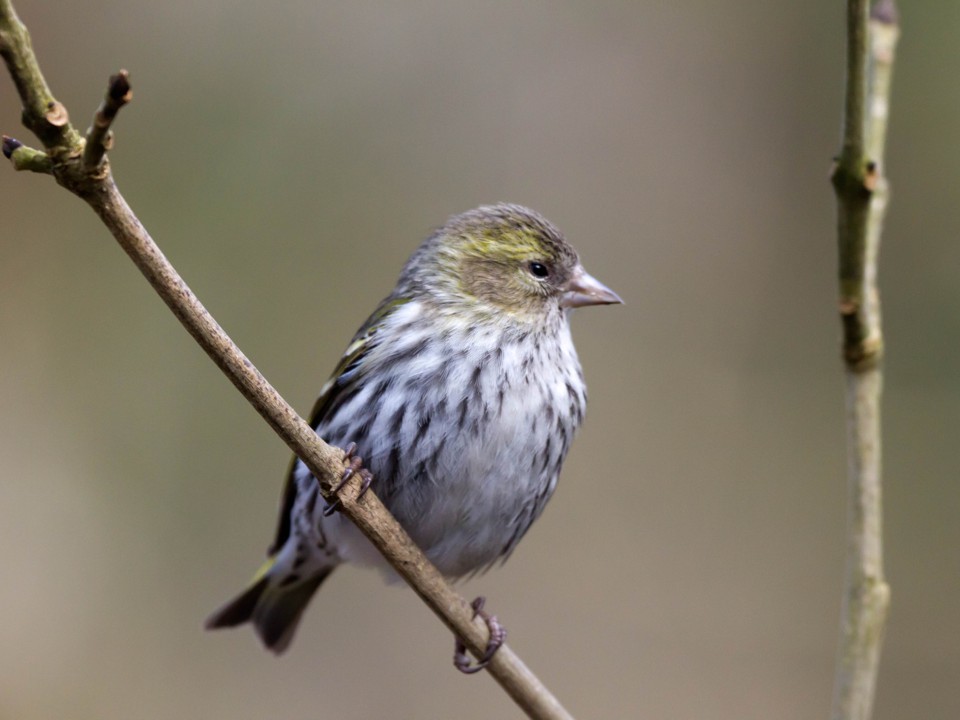
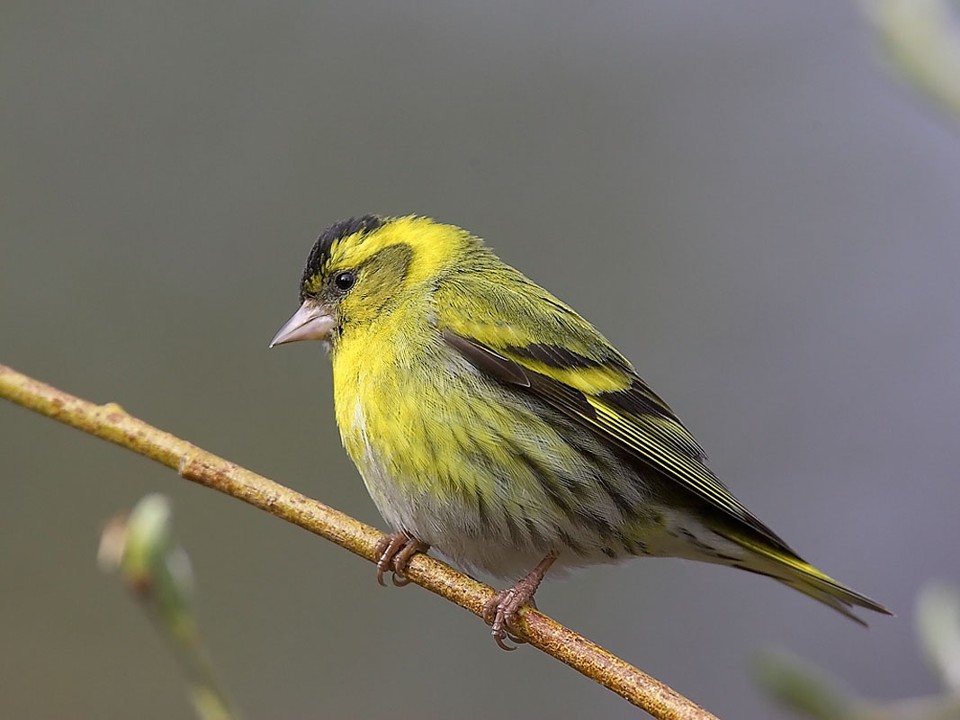
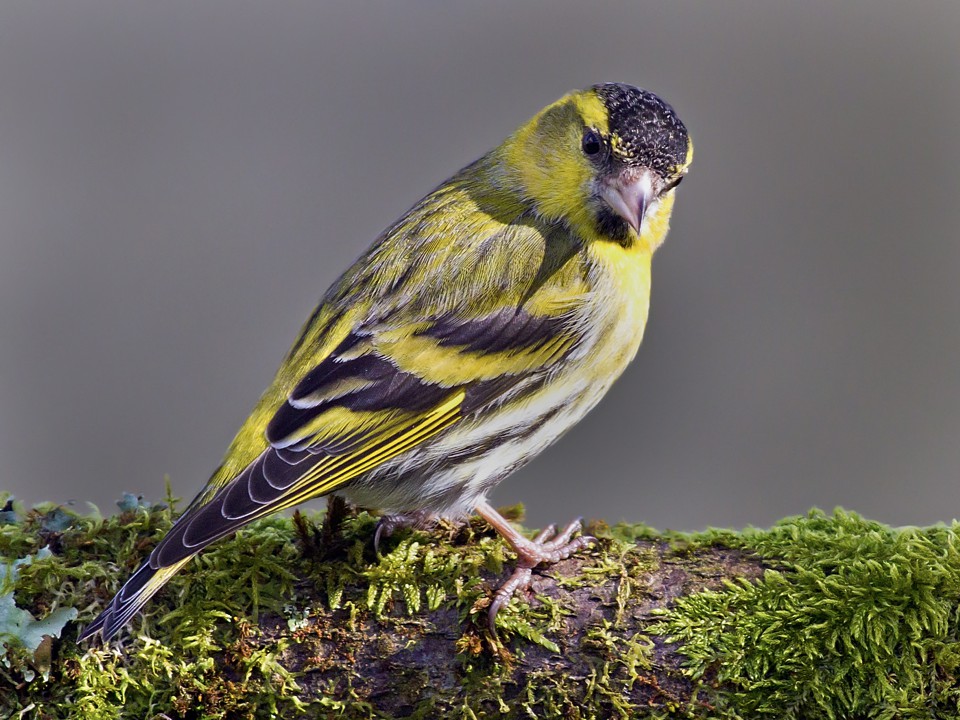
Окрас чижей достаточно яркий – желто зеленый или с оливковым оттенком, а также с вкраплениями темных пятен в верхней части тела и желтых в нижней.
Крылья у чижа большей частью полосатые – желто-черные, тельце плотное.
Сбоку чижи пестрые.
Клюв у них острый, конической формы и достаточно тонкий и короткий.
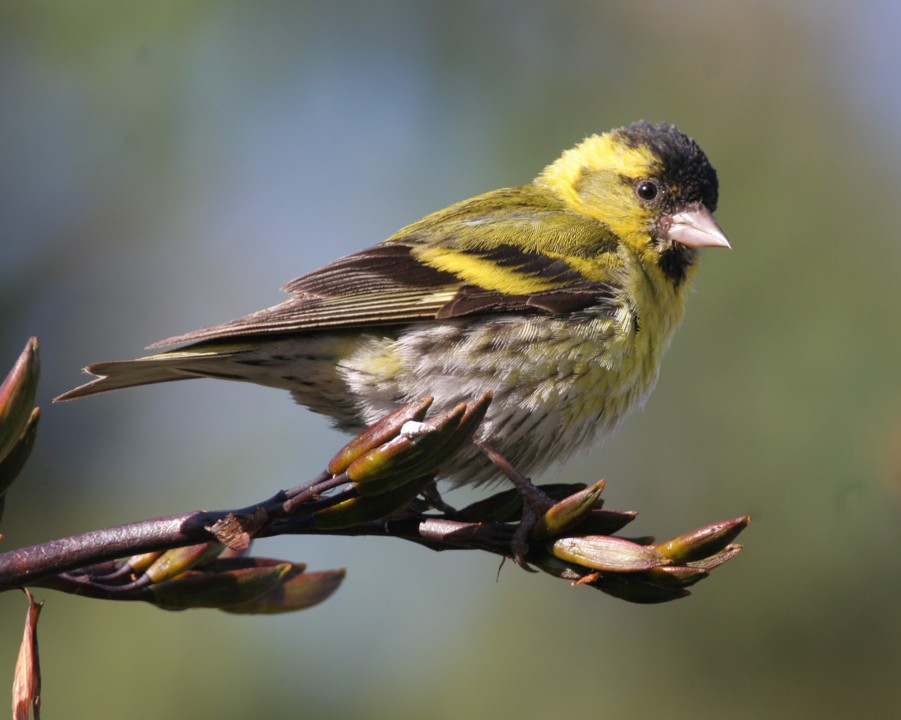
Мужские и женские особи чижей различаются по окраске. Самцы «носят» на голове черную шапочку, имею черный воротничок, иногда черный хвост и крылья, а также желтые пятна на щеках и груди.
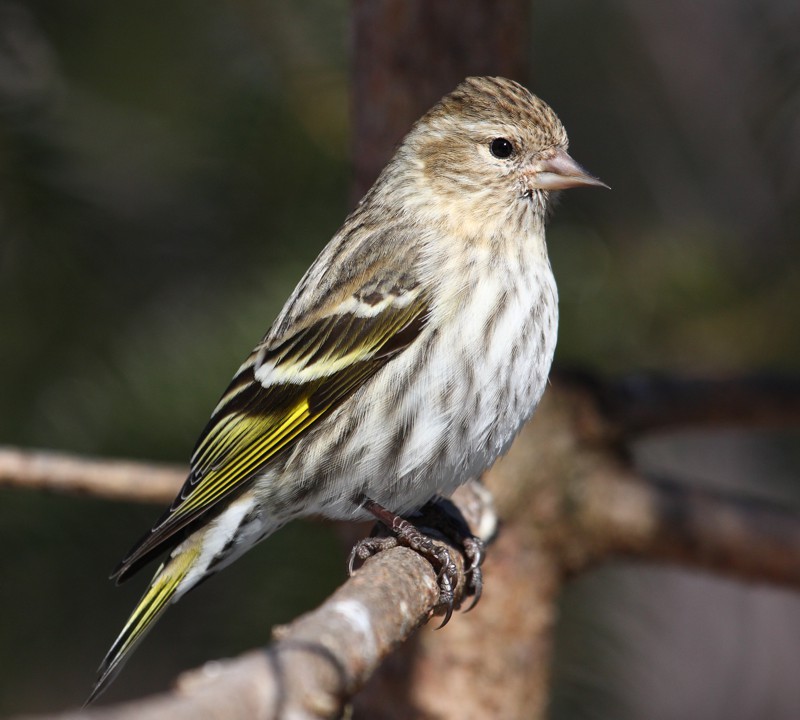
Взрослые самцы чижей отличаются более ярким нарядом с лимонными оттенками, а самки – серые. У чижих нет черных пятен на голове и груди, перья на спине имеют зеленоватый отлив, а брюшко пестрое с желтизной и черными пятнами. В целом самки более бледные, с ними по окрасу схожи и молодые чижата.
Характер
Чиж-идеальная птичка для комнатного содержания. Она имеет добродушный, уживчивый характер, быстро привыкает к клетке и корму. Её нехитрая, но приятная для слуха песенка радует хозяина почти круглый год. Чиж поражает своей доверчивостью и уживчивостью. Это самая «ручная» из всех певчих птиц. Он почти сразу перестает дичиться, спокойно вылетает из клетки в комнату и возвращается обратно.
Кормление
Чтобы чиж жил в домашних условиях долго, ему нужно предоставить разнообразный набор кормов. Можно сделать зерновую смесь из канареечного семени, проса, семян салата, сурепки. Давленые семена подсолнуха желательно поставить в отдельную кормушку и убирать её, если птица предпочитает питаться только подсолнухом. В неволе чижи любят семена растений, которыми они питаются в природе. Для них можно летом и осенью заготовить семена берёзы, ольхи, сосны, ели, лебеды, мари, одуванчика. Большим лакомством для чижей могут быть размельчённые кедровые орешки. Чем разнообразнее набор семян, тем лучше и тем более вероятно, что ваш питомец будет выводить потомство и радовать песней круглый год. Не надо забывать и о зелени. Летом нужно давать мокрицу, одуванчики, салат, а зимой листья белокочанной капусты, проростки злаковых культур, веточки ивы, берёзы, ели.
Особенности
Чиж - идеальная птичка для комнатного содержания. Недостатков не отмечено.
Разведение
Чтобы размножить чижа в неволе, нужно посадить парочку птиц в клетку большого размера или в вольер. Размножить чижей удавалось в клетках размером 70 х 50 см в основании и 50 см высотой. Чем больше клетка, тем лучше. В клетке необходимо сделать глухими заднюю стенку и одну из боковых. Потолок также нужно наполовину закрыть тряпкой или куском картона. Внутри клетку декорируют ветками ёлок и лиственных деревьев. В задний, "спокойный" угол ставятся 1-2 канареечных гнезда или сооружаются специальные "площадочки" из веток ели в виде шалашиков. Нужно сделать так, чтобы у птиц был выбор всевозможных мест для постройки гнезда. На дне клетки разбрасывается большое количество "строительного материала" для постройки гнезда. Для этих целей можно использовать сухую траву, мох, шерсть, перья, мелко настриженную вату. В период гнездования птиц нельзя беспокоить, уборку клетки нужно проводить реже, кормушку и поилку ставить на противоположной стороне от предполагаемого места расположения гнезда. Если птицы ручные. вероятность успеха в размножении возрастает.
Болезни
Болезни певчих птиц: 1. Запор. Причиной запора обычно является чрезмерное кормление птиц жирной (конопля, льняное семя, рубленое яйцо, подсолнечник) или некачественной пищей. 2. Понос. Понос — частые водянисто-слизистые испражнения желто-белого или бело-зеленого цвета. Он обычно бывает вызван слишком обильным кормлением зеленью, некачественным кормом, холодной питьевой водой. 3. Паразитические насекомые. Встречаются заболевания, вызываемые клещами и паразитическими насекомыми. Иногда на теле птиц обнаруживаются пухопероеды. Они питаются пухом, пером и ороговевшими чешуйками кожи. Птицы ведут себя беспокойно, часто перебирают клювом перья, особенно в области хвоста и под крыльями. В ряде случаев перьевые паразиты могут быть заметны невооруженным глазом. При массовом размножении заметно повреждается структура пера 4. Ожирение. Ожирение — жировой налет на брюшке, грудке и даже спинке, затрудненное дыхание, вялость движений. Причиной ожирения является чрезмерное кормление, особенно жирными и мучнистыми кормами, предрасположение организма к ожирению, нерегулярное купание. 5. Наросты на ногах. Все болезни ног происходят от неправильного содержания, антисанитарии и неверном устройстве присад, вызываются прилипшей грязью и экскрементами, разъедающими кожный покров, сыростью, присутствием клещей. Представляют собой пластинчатые образования, иногда с гнойными выделениями, в основном спереди на плюсне и на заднем пальце. Плюсна выглядит спереди не круглой, а острой, как лезвие ножа. Наросты делают болезненными движения птицы и приводят к тяжелым ревматическим заболеваниям и опухолям ног. 6. Болезнь печени. Признаки — темные пятна на брюшке и возле грудной клетки, слабость, вялость движений, отсутствие аппетита. Вызывается некачественным кормом, избытком жирной пищи, запором. 7. Заболевание гузковой (копчиковой) железы. Опухоль железы может возникнуть от повреждений, укусов клещей, попадания грязи. Если вовремя не принять мер, птица погибнет. 8. Отрастание клюва и когтей. Чрезмерно отросшие когти затрудняют движения птицы, особенно по ровной поверхности, не дают придерживать корм (видовая особенность), а в случае цепляния за решетку могут служить причиной серьезной травмы. 9. Заболевание глаз. Заболевание глаз связано с неопрятным содержанием птицы, отсутствием в рационе кормов, богатых витамином А. 10. Авитаминоз. Причина — некачественный корм, отсутствие зелени, паразиты в клетке. 11. Энтерит и воспаление клоаки. Эти болезни возникают из-за неправильного кормления и при переохлаждении птиц. 12. Заболевание органов дыхания. Причинами заболеваний органов дыхания могут быть сквозняк, резкие перепады температуры воздуха, холодная вода. 13. Болезни обмена веществ. При неправильном и однообразном кормлении у птиц возникают болезни обмена веществ. 14. Инфекционные заболевания. К инфекционным заболеваниям относятся орнитоз, туберкулез, оспа, дифтерия, микоз и др. К счастью, инфекционные заболевания среди мелких птиц встречаются редко. 15. Переломы. 16. Хрипота. 17. Гастроэнтерит. Это воспаление слизистой оболочки железистого желудка и кишечника. 18. Дерматит. Это - воспаление кожи. 19. Диарея. Обильный понос с выделением жидкого помета красного цвета. Болезнь очень опасная — птица может погибнуть в течение суток. 20. Парша(Дерматомикоз). 21. Сингамоз. Эту болезнь можно определить лишь в запущенном ее состоянии. Признаками ее являются: а) одышка, хрипы, б) кашель с отхаркиванием червей. При осмотре гортани червей можно обнаружить в просвете трахеи.