История возникновения
Скоттиш-фолд (Scottish Fold) - шотландская вислоухая короткошерстная кошка. Вислоухость кошки обусловлена генной спонтанной мутацией. Несмотря на этот факт, шотландские вислоухие кошки являются обладателями крепкого иммунитета.
Несмотря на то, что официальное появление породы датируется 60-ми годами ХХ века, первые упоминания о вислоухих кошках были найдены в исторических справках конце XVIII века, и эти кошки были родом с Востока. Также оговаривается, что одним веком спустя из Китая была выведена удивительная кошка с висящими ушками в Великобританию.
В 1961 году Вильям Росс, английский фермер, увидел необычную белую кошку. Она поразила не столько своим окрасом, а сколько видом ушей - они были сложены пополам. Владельцы фермы Пертшир (McRae), а именно в ее округе и была обнаружена белая вислоухая кошка В.Россом, не смогли ничего объяснить, но пообещали фермеру и его жене, что в случае появления от этой кошки котят с необычными ушками они получат котенка в дар. Годом позже кошечка Сьюзи (Susie) родила вислоухих котят, один из которых, кошечка, был подарен чете Росс. Россы назвали ее Снукс (Snooks). Повзрослев, Снукс была повязана с рыжым полосатым домашним котом. От этой вязки получился один котик, белый и вислоухий. Этот котенок был назван Снежок (Snowball). Снежку в дальнейшем была предложена британская короткошерстная кошка Lady May.
Вильям и Мэри Росс (которые являлись заводчиками британских кошек) решили популяризировать образовавшуюся породу, они зарегистрировали в рамках GCCF питомник под названием "Denisla", принимали участие в выставках вместе с кошкой-матерью и котом-сыном. В самом начале порода именовалась Lop Eared Cats (lop-eared, разг. - лопоухий; вислоухий), но в 1966 году было предложено ее назвать "Scottish Folds".
На одной из выставок вислоухие кошки очень заинтересовали эксперта Алисон Ашфорд, которая, в свою очередь, порекомендовала семье Росс обратиться к английскому фелинологу Патриции Тернер. Посетив по приглашению питомник Россов, Патриция Тернер была очарована белыми комочками. Кот Сноудрифт (Snowdrift) произвел на нее особое впечатление. Семья Росс подарила этого "Толстяка" ( так прозвала его Патриция) фелинологу.
В дальнейшем исследования проводились Патрицией Тернер в паре с английским генетиком Питером Дайте. Предположение Россов о доминантности гена было подтверждено в процессе изучения наследования мутаций. Было выявлено, что для рождения здоровых животных от вислоухой кошки необходим партнер с прямыми ушками, а котята от спаривания двух вислоухих партнеров могли иметь костные патологии.
После этого появились ярые противники разведения такой породы, как шотландская вислоухая. К сожалению, в начале 1970-х английская федерация GCCF закрыла скоттиш фолдов для разведения. Но к этому моменту несколько вислоухих представителей уже были экспортированы в США, поэтому США считается второй родиной шотландцев. И в 1974 году была создана Международная Ассоциация заводчиков шотландских вислоухих – ISFA. Основателями Ассоциации выступали семья Росс и Петерс (Salle Wolf Peters). Двумя годами позже CFA регистрирует породу в рамках организации, в 1978 году шотландские вислоухие получают чемпионский статус.
Спустя годы шотландская порода вернулась в Европу, но уже будучи "американизированной".
На данный момент порода так и не признана в GCCF и FIFe, однако популярность породы не уменьшается с годами, а только растет. К тому же, другими фелинологическими организациями со всего мира эта порода признана официально.
Общий вид
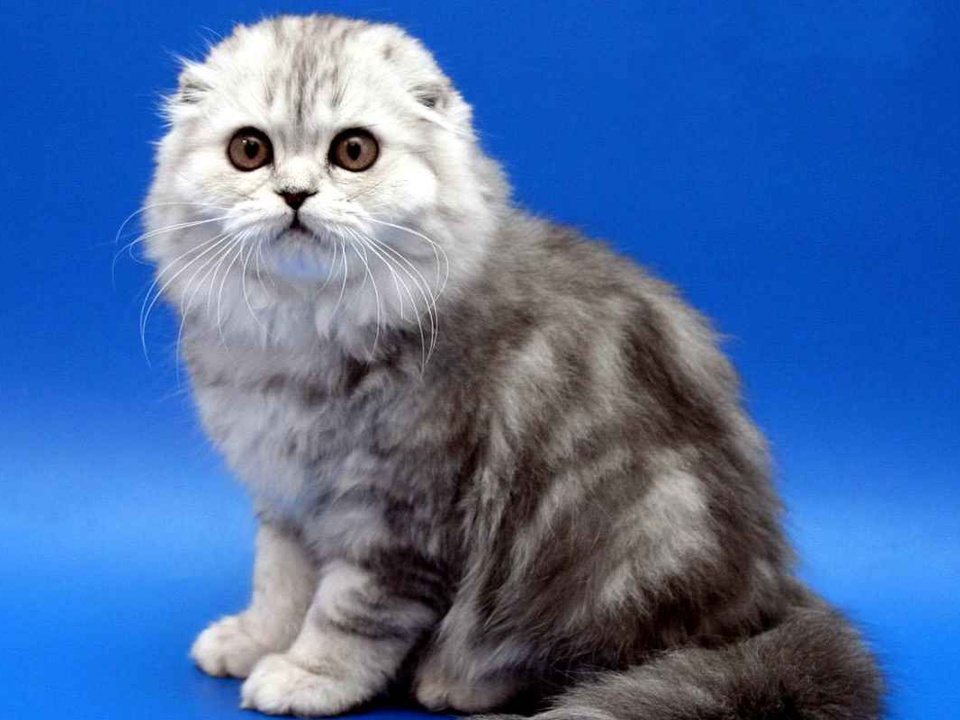
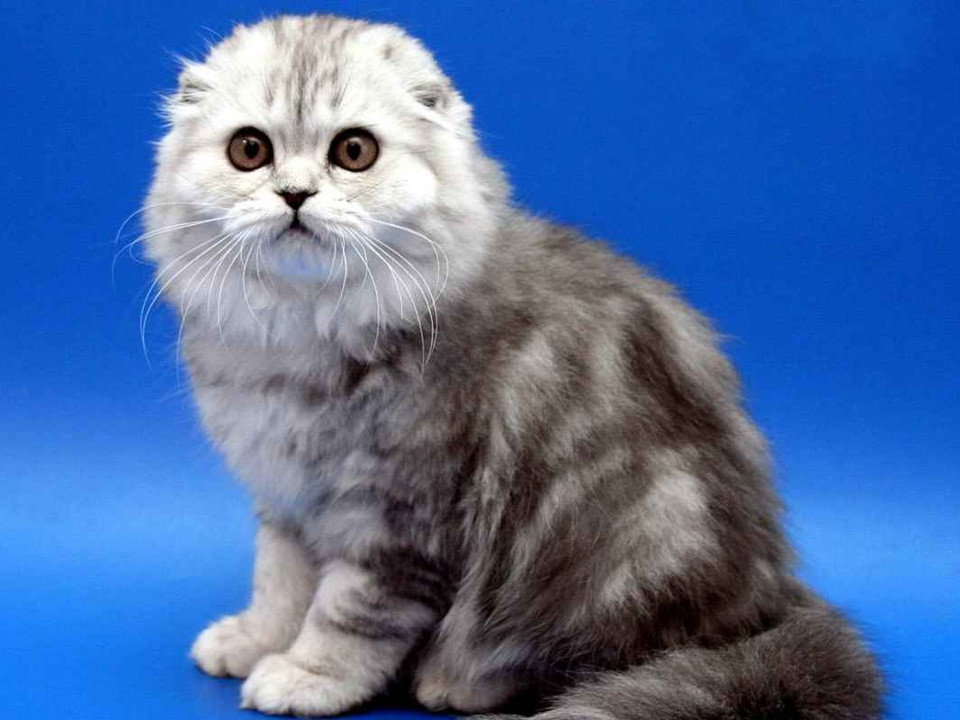
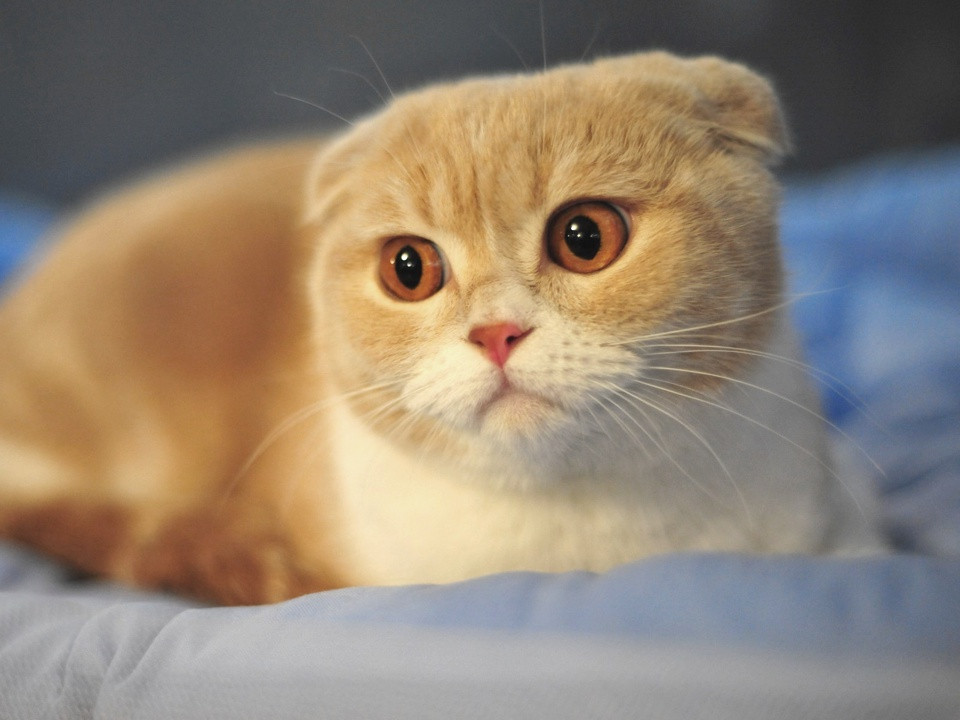
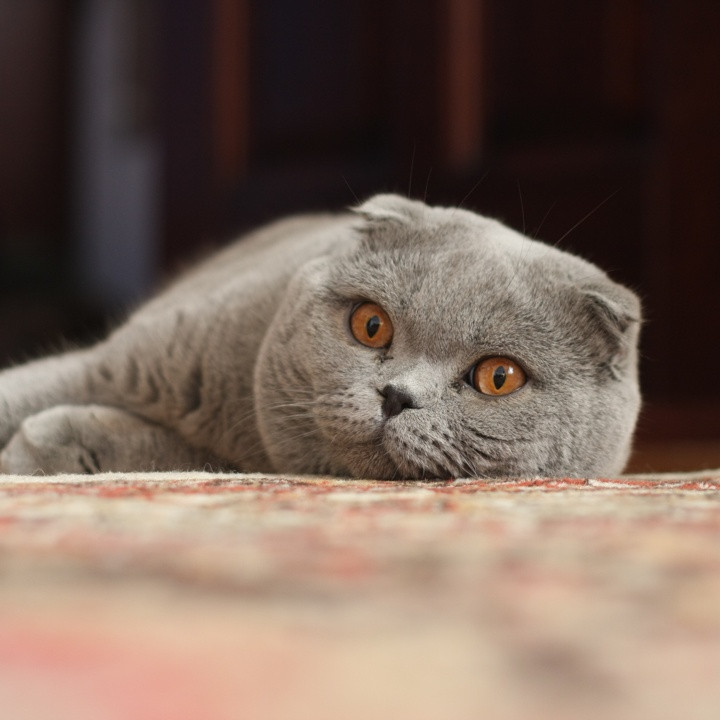
Шотландская вислоухая кошка - это кошка с круглой головой и глазками, как у совы, и с плюшевой шерстью, как у медвежонка. Но особенностью породы считаются не глаза, которые всё же привлекают внимание, а уши - маленькие, свисающие вниз, плотно прижатые к голове (черепу) .
Тело скоттиш фолда округленное, среднего размера, костяк не должен быть излишне тяжелым. Предпочтительнее длинный хвост, который сужается к концу.
Отличительная особенность породы Шотландская вислоухая кошка (скоттиш-фолд)
Голова круглая, широкая, подбородок и челюсти сильные.
Шея короткая, мощная.
Мордочка имеет выраженные подусники.
Щеки больше выражены у котов.
Глаза широко раскрыты, создают сладкое выражение. Большие, круглые, разделены широкой спинкой носа. Цвет глаз в соответствии с окрасом шерсти.
Нос короткий, в профиль заметен переход ко лбу, умеренный. Допустим короткий стоп.
Уши маленькие. Направлены вперед и вниз. Предпочтительнее маленькие, хорошо прижатые к черепу ушки, нежели большие или плохо прилегающие. Уши вписываются в округлость черепа. Кончики ушей закруглены.
Тело среднего размера, закругленных форм, ровное от плеч до тазовых костей, костяк средний. Не должно быть никакого намека на недостаток подвижности из-за коротких конечностей,
Грудь широкая.
Конечности средней длины, пропорциональны телу.
Лапы округлые, изящные.
Хвост от среднего до длинного, в пропорции к телу. Хвост должен быть гибким, сужаться к кончику, кончик округлый. Предпочтительнее длинный и сужающийся к концу хвост.
Шерсть от короткой по длине до средне-короткой, густая, плюшевая, одинаковой длины. По текстуре мягкая. Не должна прилегать ввиду свой плотности и наличия подшерстка. Текстура шерсти варьируется от окраса, сезона, региона проживания.
Допустимы различные окрасы, но имеются некие отличия в стандартах фелинологических организаций.
Так, например, в CFA не признается шоколадный, лиловый, пойнтовый окрас и все эти комбинации с белым, однако допустимы белые медальоны и пятна!
В WCF признаны все основные окрасы, рисунки с любым количеством белого. Признан и пойнтовый окрас ("сиамский"), но без белого.
Вес котов — 4-6 кг.
Вес кошек — 2,7-4 кг.
Характер
Характер скоттиш фолдов весьма независим. Это одновременно и животное, которое привязано душой к хозяину, и в любой момент проявляющее свой нрав.
Шотландские кошки любят компании и внимание к себе, большинство из представителей породы быстро адаптируется на новом месте (будь то новая квартира, номер в гостинице или салон автомобиля).
Скоттиш фолдов в целом нельзя назвать навязчивыми и любителями полежать на коленках у хозяина, однако бывают и исключения, когда животное везде следует за своим хозяином (вплоть до пребывания в ванной комнате, пока хозяин принимает душ).
Не любят шотландские вислоухие долгого отсутствия хозяина, даже если они - не единственные в доме (если проживает не один шотландец, каждый по -своему скучает по хозяину, хотя и могут организовать себе досуг в его отсутствие). При более длительном отсутствии могут обижаться и проявляют впоследствии свою обиду, обделяя своим вниманием "виновного". Несколько ревнивы.
Голос у шотландцев негромкий, их нельзя отнести к постоянно "разговаривающим" животным.
Содержание и уход
Шотландская вислоухая кошка не требует специального ухода.
Периодически следует расчесывать расческой из металла с редкими зубьями, допустимо использование резиновой массажной рукавички, но не рекомендуется использовать пуходерку, особенно для животных, которые принимают участие в выставках. Также не рекомендуется купание шотландцев накануне выставки, так как шерсть не сумеет приобрести свой первозданный вид. Купают шотландцев за 3-4 дня до выставки.
Если животное не принимает участие в выставках, во время линьки можно воспользоваться фурминатором.
Обработку глаз проводят при необходимости. У шотландцев с более коротким носом велика вероятность более частого появления корочек в уголках глаз. Это зачастую обусловлено сужением носослезного канала. Это не является заболеванием, однако требует большего внимания со стороны владельца к уходу за глазами.
Уши рекомендуется очищать ватным тампоном в случае загрязнения.
Продолжительность жизни — 11-20 лет.
Достоинства
Умные животные, преданные.
Сложность содержания
Вислоухих кошек скрещивают только с прямоухими партнерами. Это обусловлено тем, что гомозиготная форма аллели Fd (при скрещивании двух вислоухих) может отразиться на состоянии здоровья потомков.
В зависимости от фелинологической организации шотландских вислоухих скрещивают либо только с шотландскими короткошерстными (scottish straight), либо допускают ауткроссы с британской короткошерстной или длинношерстной ( при этом прямоухие потомки не имеют права быть зарегистрированными как британцы), американской короткошерстной.
Вне зависимости от того, кто был партнером шотландской вислоухой кошки, эти животные подвержены заболеваниям опорно-двигательного аппарата, поэтому к вопросу разведения нужно подходить осторожно.
Болезни
Так как в свое время шотландских вислоухих скрещивали с персидской породой, вислоухая кошка может унаследовать генетическое заболевание под названием "поликистоз почек".
Шотландские вислоухие подвержены специфическим заболеваниям - заболеваниям опорно-двигательного аппарата.
Остеохондродисплазия - нарушение развития костной и хрящевой тканей.
Гомозиготные скоттиш-фолды с раннего детства получают деформированную костную структуру, что ведет к серьезным дегенеративным заболеваниям суставов. Этому подвержены и шотландские вислоухие, рожденные от одного вислоухого родителя, но заболевание если проявляется, то реже и чаще - во взрослом возрасте, а внешне это не заметно, и животное не показывает беспокойства.
Ответственные заводчики никогда не будут скрещивать двух вислоухих животных во избежание получения гомозиготной формы аллели Fd, тогда как некоторые вообще отказываются работать с такими животными. Этим и обусловлен отказ в признании пород в FIFe и GCCF.