История возникновения
По сей день доподлинно неизвестно, было ли появление первого длинношерстного абиссинца спонтанным в результате мутаций или благодаря скрещиванию абиссинца с какой-то домашней кошкой.
Первый длинношерстный котенок абиссинца появился в Америке в 1953 году. До 1963 года длинношерстную вариацию абиссинских кошек не признавали, рожденных с длинной шерстью котят выбраковывали, а их родителей выводили из племенного разведения. Но в 1963 году длинношерстный абиссинец (заводчик абиссинских кошек М.Мэйлинг) был представлен на выставке судьям.
Значительный вклад в дальнейшее развитие породы внесла американка Эвелин Мегью. Благодаря ей порода обрела свое название - Сомали. Название породы напрямую зависит от названия абиссинской породы: Сомали соседствует с Эфиопией ( бывшей Абиссинией), а само животное представляет собой абиссинца с длинной шерстью. В начале 1970-х Э.Мегью образовала клуб любителей сомали, став его руководителем.
Накануне 1980 года сомали были официально признаны в CFA. В 1982 году сомали были признаны в FIFe.
На данный момент порода Сомали признана большинством фелинологических организаций, при этом имеются некие различия в стандартах и в признанных окрасах.
Так, например, СFA признает только 4 основные окраса:ruddy, blue, sorrel, fawn.
WCF и FIFe допускают серебристую линию, но ограничиваются основными окрасами (ruddy, blue, sorrel, fawn).
TICA допускает к разведению помимо перечисленных шоколадный и лиловый окрасы. A английская GCCF расширила по максимуму допустимые вариации, добавив к основным окрасам ( с учетом серебристой линии, шоколадного, лилового) красный, кремовый и черепаховые окрасы.
Общий вид
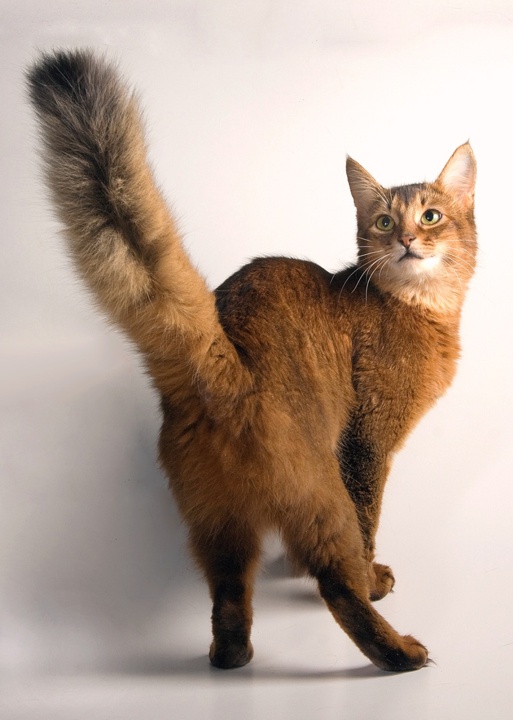
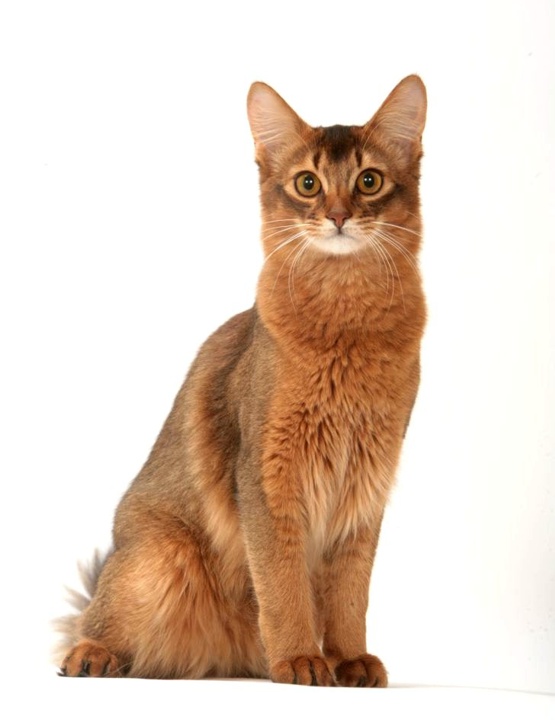
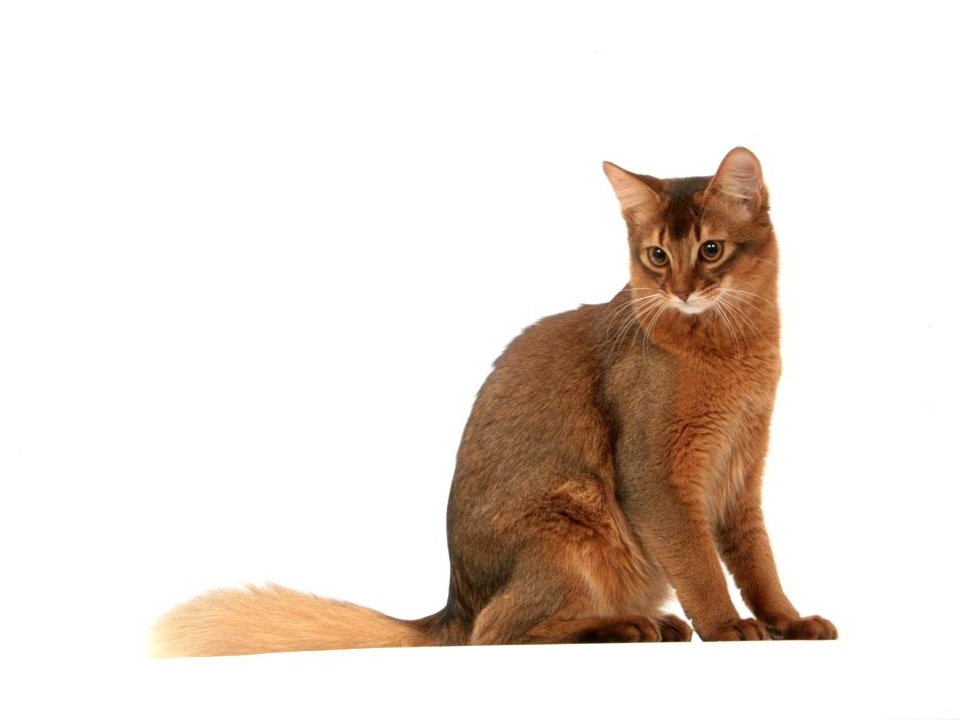
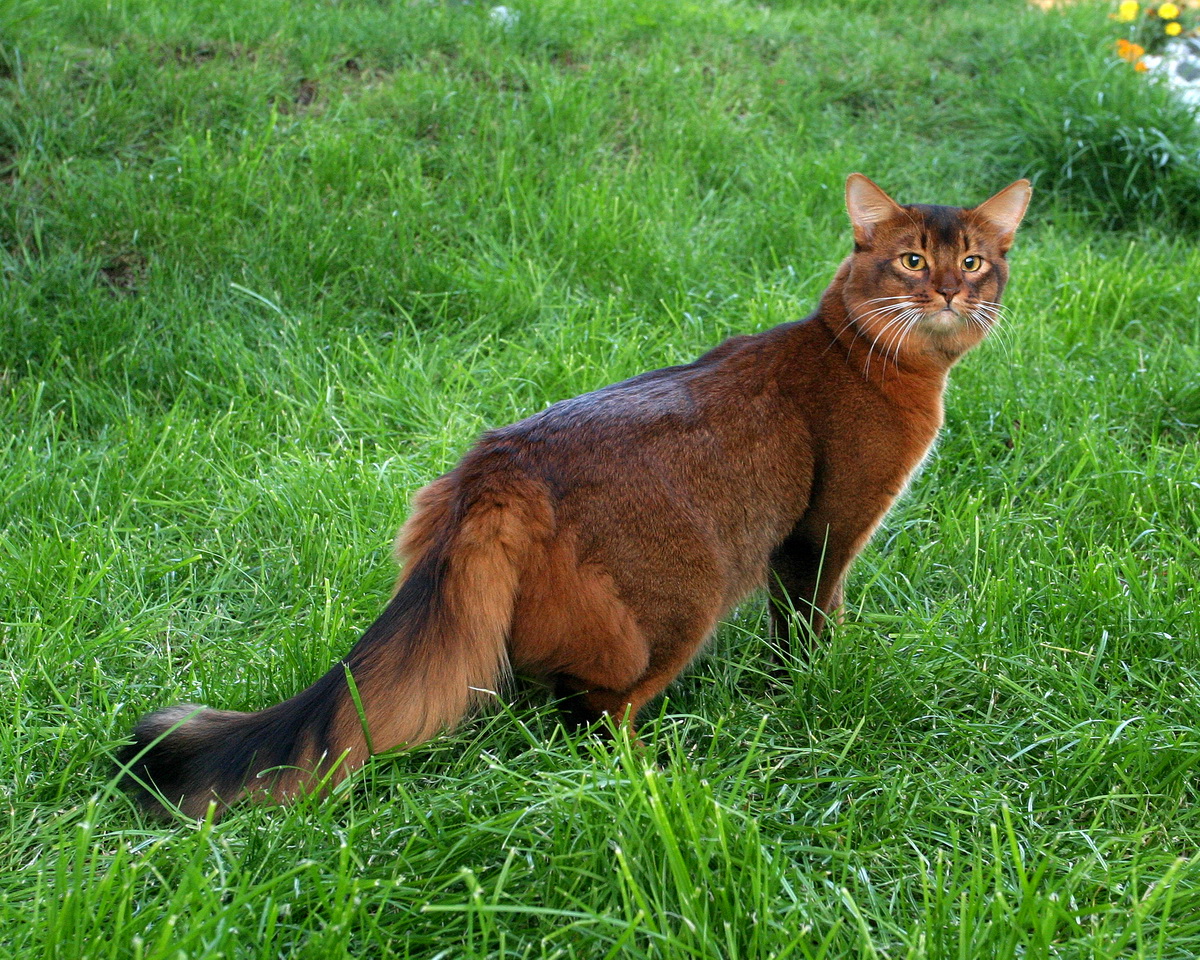
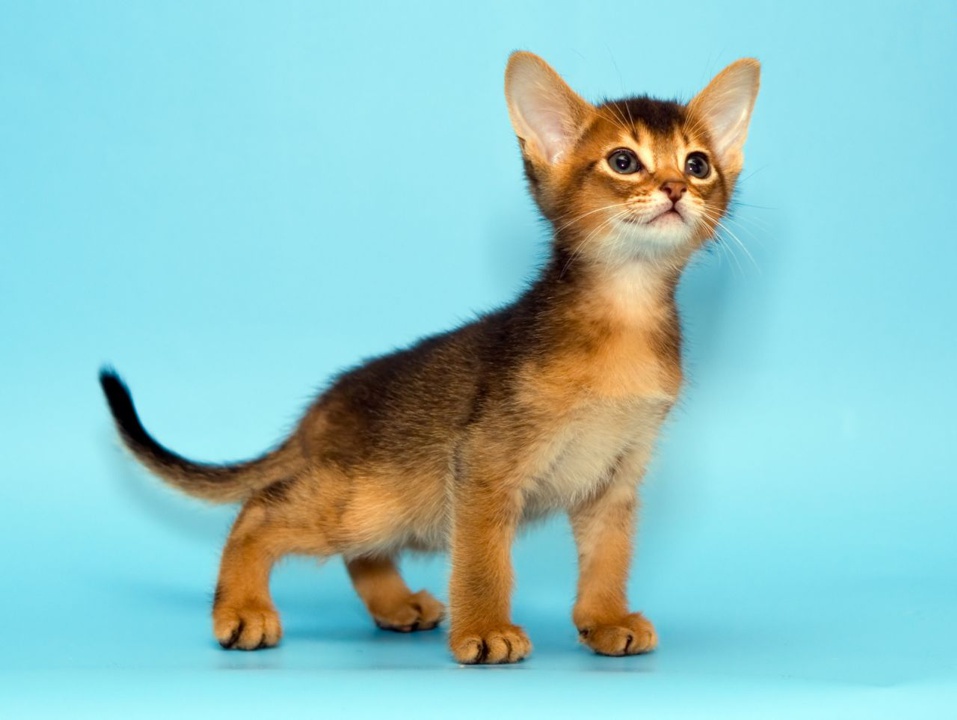
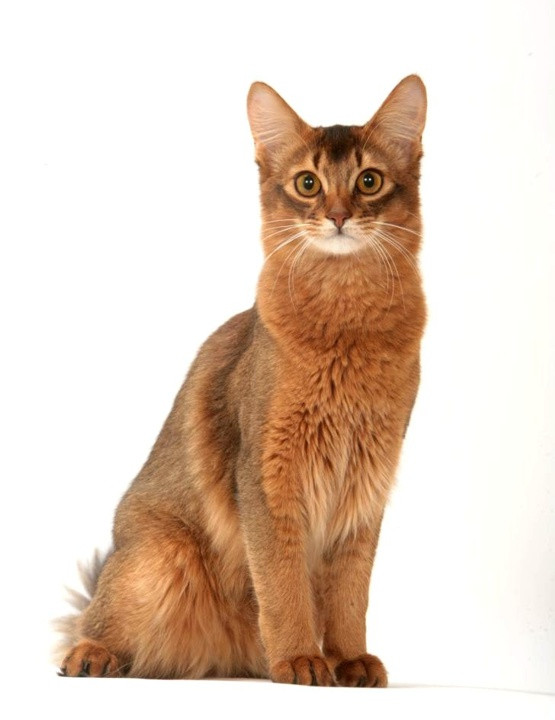
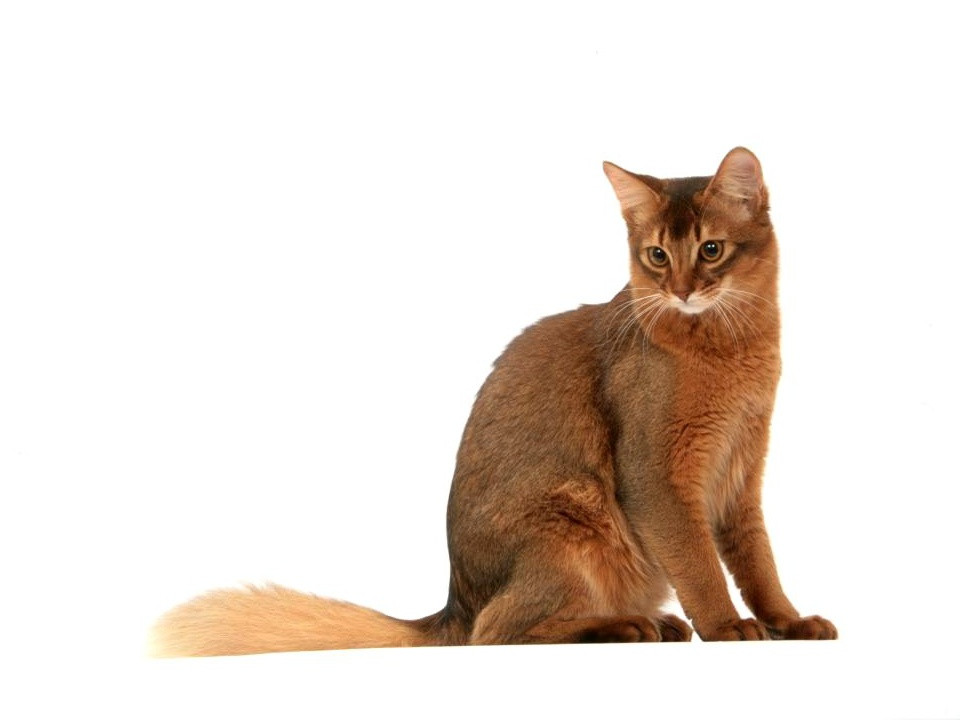
Кошка породы Сомали - вариация с длинной шерстью абиссинской породы. Грациозное, активное, мускулистое животное средних размеров, поражающее великолепием своей шерсти. Как и абиссинец, имеет типичный признак породы - тикинг (зонарное окрашивание волоса).
Длинная шерсть обусловлена гомозиготной формой аллели, в которой находятся гены, отвечающие за длину шерсти. Так как ген длинной шерсти рецессивен, то в экстерьере длинная шерсть может проявиться только в гомозиготном состоянии аллели. Таким образом, от двух абиссинцев-носителей длинной шерсти могут родиться как абиссинцы, так и сомали; от двух сомали рождаются только сомали; от абиссинца и сомали могут родиться как абиссинцы, так и сомали, но последние появятся на свет, если абиссинец является носителем гена длинной шерсти.
Отличительная особенность породы Сомали
Голова в форме «умеренного» клина с плавными контурами. Лоб слегка округлый. В профиль заметен плавный изогнутый переход ото лба к носу на уровне глаз.
Нос средней длины.
Подбородок сильный, хорошо развит.
Пинч является недостатком, тогда как неглубокий переход от подусников к скулам должен создавать округлые формы.
Глаза выразительные, имеют форму миндаля, большие и поставлены на широком расстоянии друг от друга. Глаза должны иметь чистый, яркий, насыщенный цвет, могут быть янтарными, желтыми или зелеными. Подводка глаза такого же оттенка, что и оттенок тикинга.
Уши довольно большие, широкие у основания. Кончики слегла округлены. Желательны кисточки на кончиках ушей. Прямого и достаточно широкого постава.
Тело среднего размера, среднего костяка, средней длины. Гибкое и мускулистое, крепкое.
Шея изящная.
Грудная клетка широкая.
Конечности мускулистые, тонкие, длинные, в пропорции к телу.
Лапки маленькие и овальные.
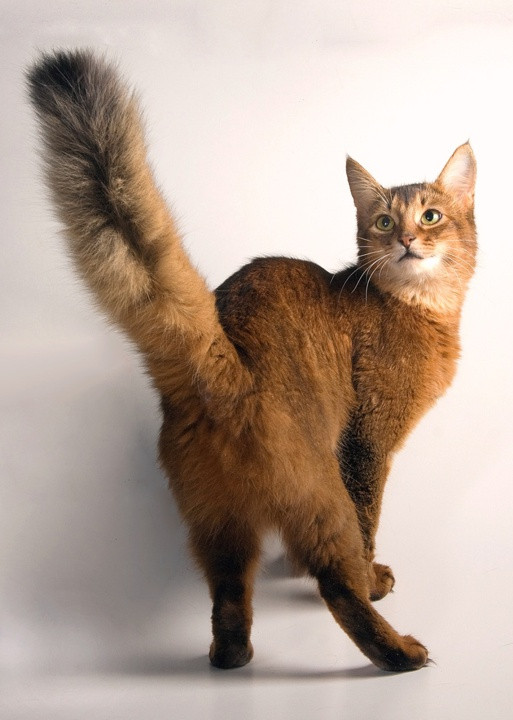
Хвост достаточно длинный. У основания толстый, сужающийся к кончику.
Хорошо опушен и распадается "на перо".
Шерсть сомали по структуре очень тонкая, но густая. На ощупь очень мягкая. Подшерсток выражен, плотный.
Длина шерсти средняя, однако на плечах длина шерсти может быть немного короче.
Предпочтительнее наличие "штанишек" и "воротничка".
Тикинг у полудлинношерстной вариации развивается медленно, процесс может занимать до 2х лет. Поэтому при судействе важно обратить внимание на возраст животного.
Предпочтительнее 2 или 3 полоски (зонарного окрашивания) на каждом волосе. Кончик волоса – темный.
Белое допустимо только в области носа и на подбородке.
Тикинг должен иметь равномерное распределение по корпусу тела, без каких-либо полос.
Оговаривается, что линия вдоль позвоночника, кончик хвоста, подошвы задних конечностей должны иметь окрашены в цвет тикинга. Грудь, живот и внутренние стороны конечностей не тикированные, а имеют основной оттенок шерсти.
Недостатком окраса считается серый подшерсток, слишком темный подшерсток или слишком светлый подшерсток. Недостаточный тикинг в тех областях, где он должен быть, также является поводом для снятия баллов при судействе, как и наличие черной прикорневой части волоса.
Грациозные, быстрые, легкие.
Вес котов - от 3,5 до 4,5 кг.
Вес кошек - от 2,7 до 3,2 кг.
Коты крупнее кошек.
Характер
Сомали общительны и дружелюбны. Они предпочитают активные игры и без общения и игр могут впасть в депрессию. Сомали ценят как дружбу хозяина, так и иных домашних питомцев. За любовь к себе они готовы платить своей преданностью.
Такой кошке больше подойдет хозяин-домосед, нежели такой же активный, как сама порода, владелец. Абсолютно неагрессивные животные, легко уживаются с детьми.
Однако отмечается и некая стеснительность у кошек сомали. Голос абиссинских и сомали сравнительно тихий.
Сомали, как и абиссинцы, имеют некоторые повадки собак, легко поддаются дрессировке и обучению.
Содержание и уход
Шерсть сомалийской кошки средней длинны, но не подвержена образованию колтунов.
Животных этой породы достаточно расчесывать, помогая избавиться животному от вымерших волос. Во время линьки необходимо расчесывать чаще.
Некоторые абиссинцы и сомали любят воду, поэтому купание для них не будет являться стрессом.
Продолжительность жизни — 12-15 лет.
Достоинства
Любознательные и умные кошки. Возможна дрессировка.
Ввиду отсутствия подшерстка уход за шерстью не требует особых усилий.
Сомали ласковы и неагрессивны, идеально подходят для семьи с маленькими детьми.
Сложность содержания
Обладают независимым характером, не любят закрытых пространств ( поэтому путешествие в переноске может доставить животному определенное неудобство), не любят одиночества.
Болезни
Сомали обладают сильным иммунитетом, но так как их по сей день скрещивают с абиссинцами, могут получить "в наследство" заболевания, присущие абиссинцам: болезни крови, почек и глаз, а также гингивит.