История возникновения
Эта порода родом из Африки, где издавна обитали дикие кошки кадзондзо. Естественное скрещивание с одичавшими домашними кошками привело к появлению оригинальных котят с необычным окрасом. Произошло это в 1978 году в кенийской провинции Соукок, которая и дала название новой породе. Фермер Д. Слейтер однажды нашла на плантации, где выращивались кокосы, произведенное кошками потомство. Котята так поразили владелицу поместья, что она решила заняться разведением столь уникальных животных. По некоторым причинам заниматься подобной работой в Кении было невозможно, поэтому несколько представителей семейства кошачьих пережили транспортировку в Данию. Здесь они положили начало новой породе, принеся помет красивых котят с экстерьером кандзодзо и спокойным характером домашней кошки. В 1993 году соукок были признаны международной ассоциацией FIFe.
Общий вид
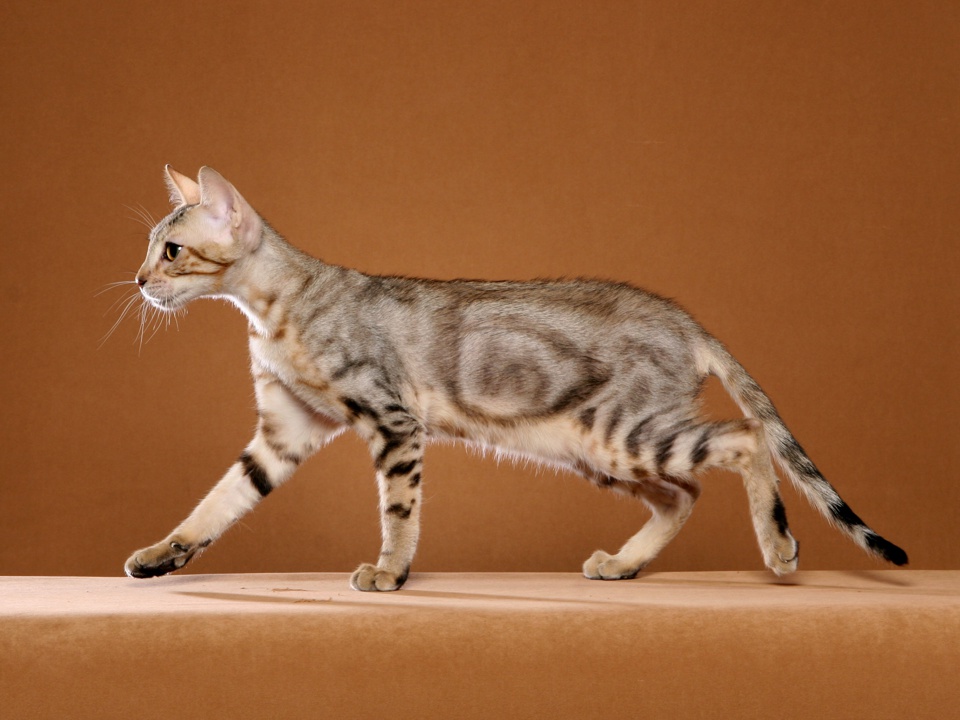
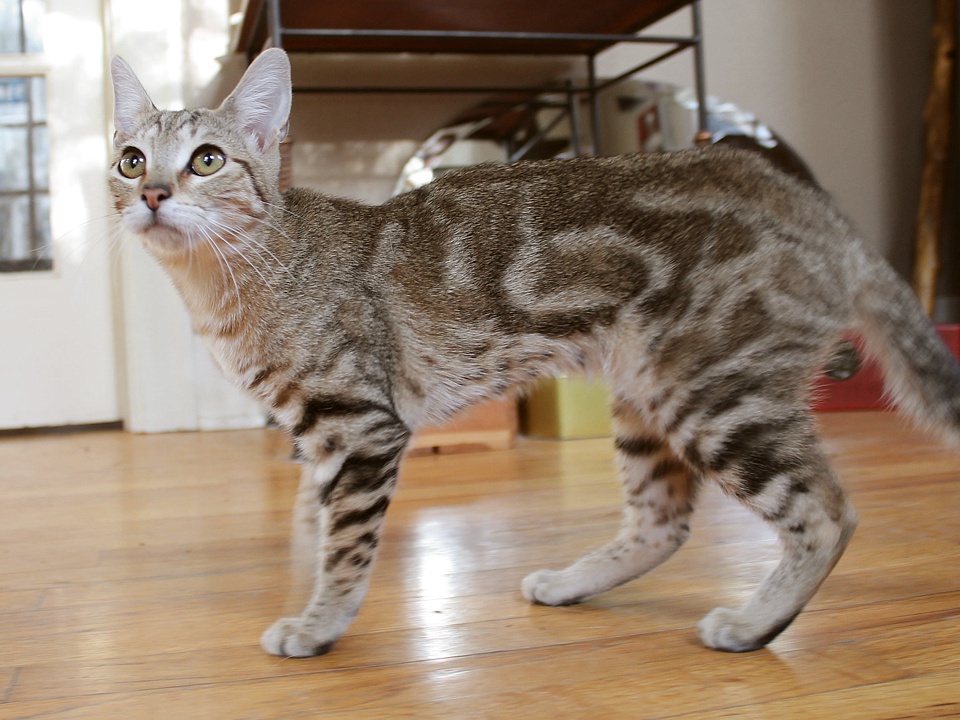
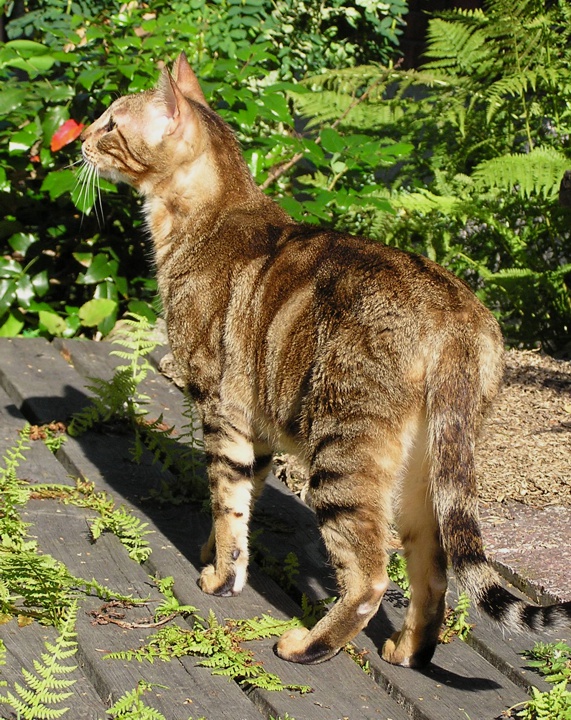
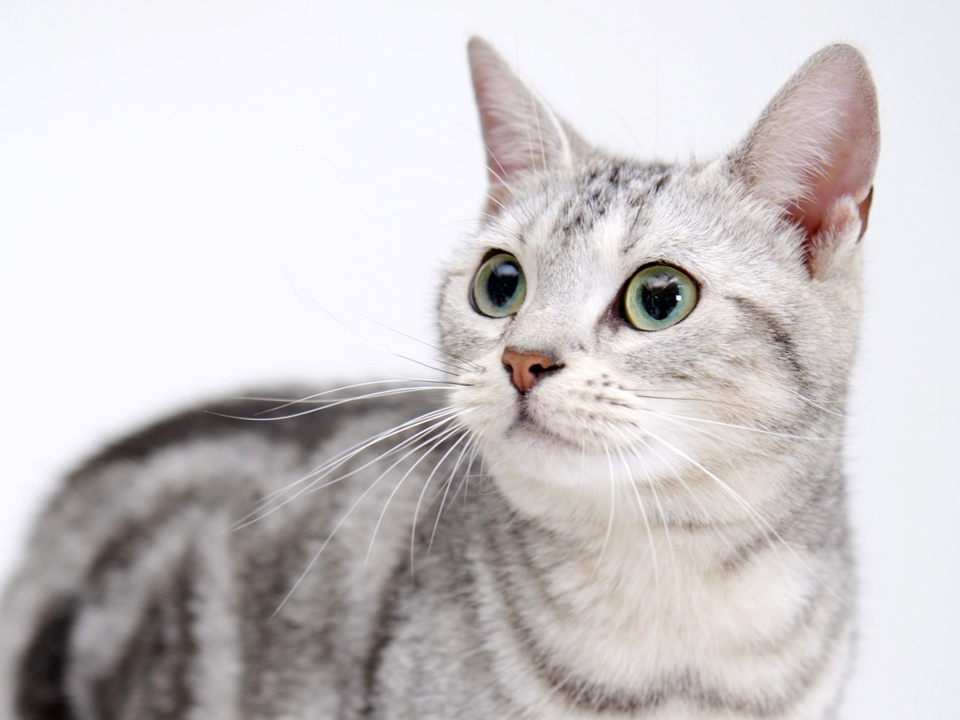
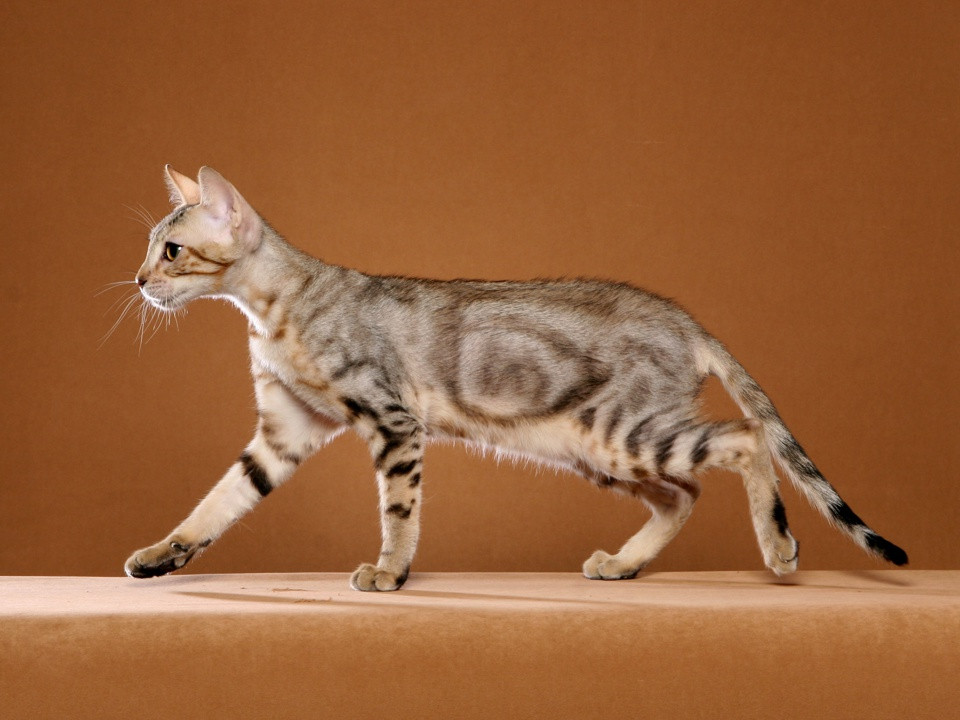
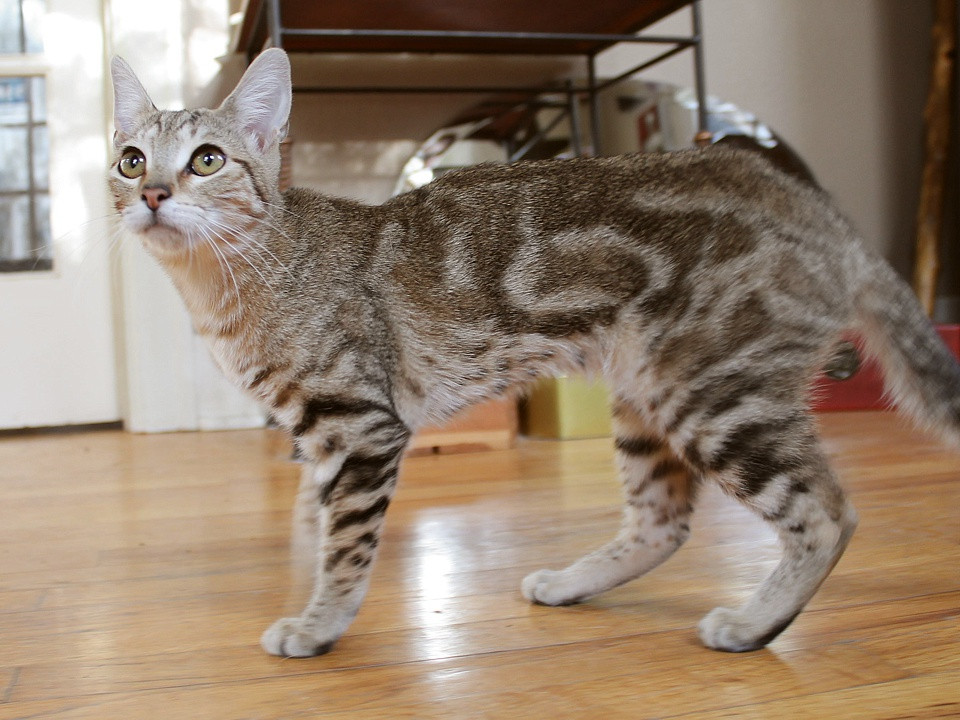
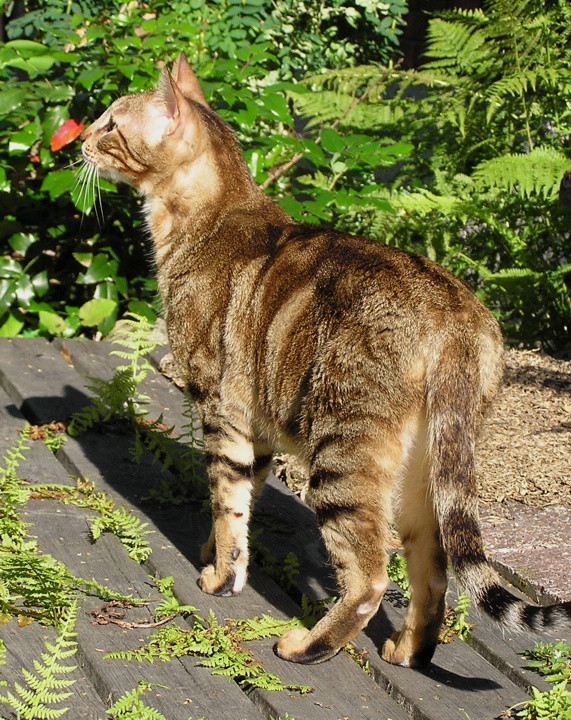
Сококе – это стройные, с длинными и гибкими лапами кошки среднего размера, у которых отлично развита мускулатура. Одно из основных отличий этого животного – это большие уши с кисточками, напоминающие уши гепарда. А их большие, блестящие и выразительные глаза не заметить просто не возможно. У кошек породы сококе в зависимости от настроения, цвет глаз может изменяться от янтарного цвета до светло-зеленого. Благодаря длинным и угловатым задним лапам, походка у этих кошек просто необычайна. Сококе имеют просто великолепный окрас в виде рисунка "мраморного табби" на темном фоне – орнамент может быть от светлого, до насыщенного коричневого. Еще одно из особенностей этой породы – это кончик хвоста, который непременно будет черного цвета.
Отличительная особенность породы Сококе
Голова клинообразной формы, мягко очерчена, по сравнению с телом выглядит маленькой.
Нос прямой и широкий.
Скулы высокие и хорошо развитые.
Уши средние либо большие, с широким основанием, кончики немного закругленные. Поставлены уши широко и высоко, между ними должно быть расстояние в ширину уха.
Глаза миндалевидной формы, большие и красивые. Цвет бывает разных оттенков, от янтарного до светло-зеленого.
Тело средней длины, сухое, мускулистое, с крепким костяком.
Грудь выступающая, хорошо развитая.
Конечности длинные, сухие, мускулистые. Задние более длинные, чем передние, отличительно сильно согнутые в положении стоя (в полуприседе).
Лапки овальные.
Хвост средней длины, не очень широкий в основании, сужающийся к кончику.
Шерсть короткая, упругая и блестящая, плотно прилегающая к телу.
Подшерстка практически нет.
Окрасы у кенийских лесных кошек допускаются следующие: черный либо мраморный тэбби разных оттенков, пятна в виде розеток.
Вес кота — до 5 кг.
Вес кошки — до 3 кг.
Характер
Сококе очень активны и ласковы, а также смышлены и любопытны. Не назойливы, и не будут надоедать Вам своим общением. Быстро привыкают к городской жизни, но требуют немалого пространства для игр и движений. Не боятся воды. Легко подружатся с другими кошками и собаками в квартире. За счёт своей активности игрушками эти кенийцы могут посчитать все, что обнаружат дома. Сококе не выбирают себе одного хозяина, а прекрасно поладят со всеми членами семьи, идеально подходят для семей, большей частью бывающих дома, и живущих в просторных квартирах.
Содержание и уход
Кошкам породы кенийская лесная жизненно необходим простор для движения и игр, поэтому содержать их в городской квартире не лучший выбор, им больше подойдет загородный дом с приусадебным участком. Так как по характеру эти животные смышленые и привязчивые, то они легко уживутся со всеми членами Вашей семьи. Легко привыкают к поводку, так что держать их можно и в городе, главное с ними гулять. В отличие от других кошачьих, сококе не только не боятся воды, но и умеют и любят плавать, поэтому их приведет в восторг доступность небольшого водоема или емкости с водой. Не требуют особой организации питания, достаточно будет обычного, но хорошо сбалансированного рациона, содержащего в себе все необходимые вещества, витамины и микроэлементы. Благодаря короткой шерсти и практически отсутствующему подшерстку сококе не требуют частого вычесывания.
Продолжительность жизни — 13-16 лет.
Достоинства
Неприхотливость, бесконфликтность и чувство собственного достоинства.
Сложность содержания
Чрезмерная активность. Сококе ввиду их происхождения требуется много пространства для игр, прыжков, передвижений.
Болезни
Благодаря «лесному» происхождению здоровье у этих красавцев отменное, наследственным заболеваниям и генетическим дефектам эта порода практически не подвержена. Но иногда сококи могут страдать от нервных расстройств невыясненного происхождения. Такие расстройства сопровождаются обычно нервными припадками и судорогами.