История возникновения
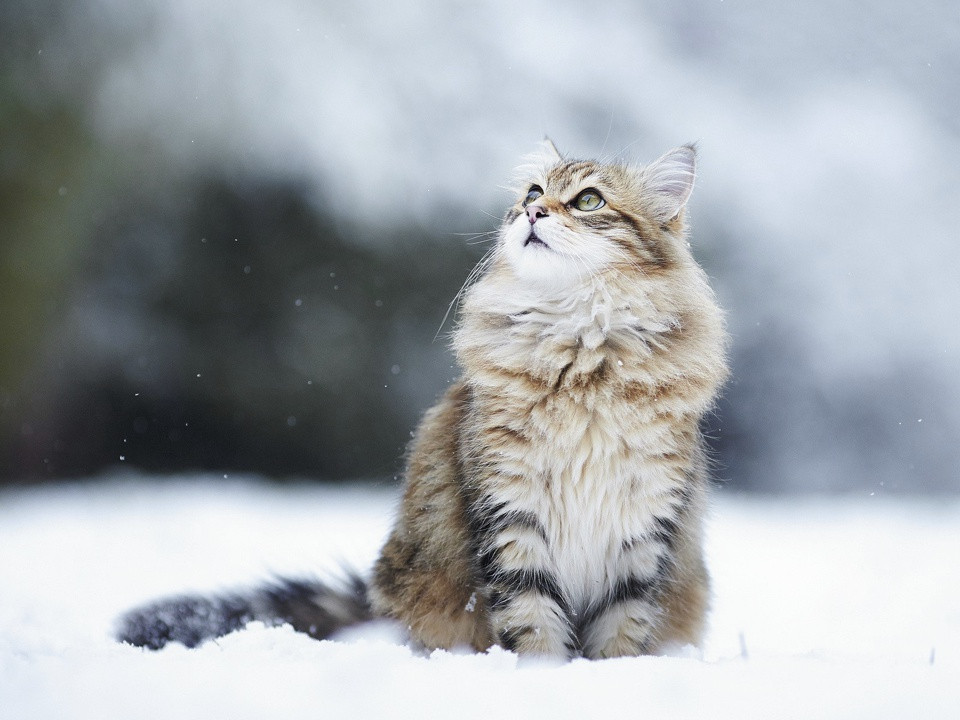
История кота сибирского полна мифов и легенд и насчитывает по меньшей мере тысячу лет. Местом происхождения породы считается сибирская тайга, служившая предкам современной cибирской кошки естественной средой обитания. Вместе с норвежской лесной кошкой и мейн-куном порода относится к группе лесных кошек. Кот сибирский – единственная российская аборигенная порода, она обязана своим происхождением исключительно природе. Как это часто бывает с аборигенными породами, отследить их происхождение полностью не всегда представляется возможным. По одной из версий, первые представители породы появились в результате контакта диких кошек Зауралья с питомцами, которых привозили с собой переселенцы с запада. Предками сибирской породы кошек были дикие лесные и степные коты – безжалостные хищники и прекрасные охотники. Эти качества, а также их крупный размер и вес, сделали сибиряков героями русских сказок, где они чаще всего выступали в роли защитников. Сохранились предания, согласно которым сибирские кошки были верными спутниками монахов в русских монастырях и даже служили в качестве сторожевых псов, патрулируя здания по ночам и предупреждая монахов о приближении злоумышленников. Для защиты от грызунов владельцы торговых лавок традиционно держали хотя бы одного сибиряка в помещении и устраивали свои собственные неофициальные выставки кошек, соревнуясь с соседями в массе и размерах своих питомцев. Их участие было зафиксировано в самых первых выставках в Англии в XVIII веке. Начало профессиональной работы с породой совпало со становлением фелинологии в России, что само по себе символично. В 90-х годах был утвержден стандарт породы кошек сибирская и началась работа селекционеров над выявлением ее типовых качеств. Популярность русских пушистых кошек стала быстро распространяться за пределы нашей страны, в том числе и за океан.
Общий вид
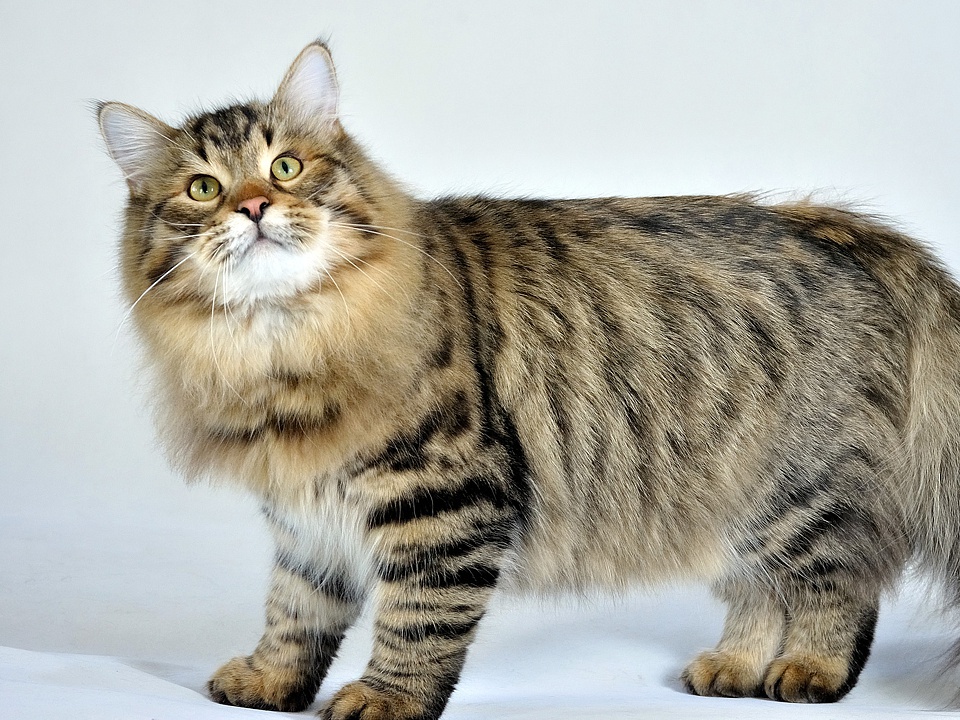
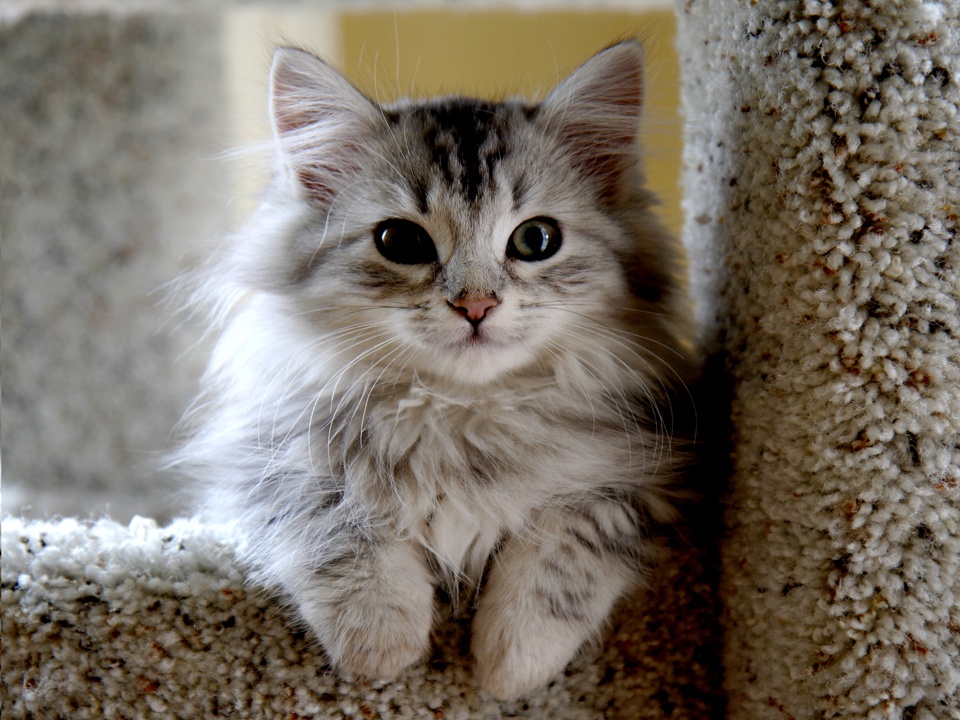
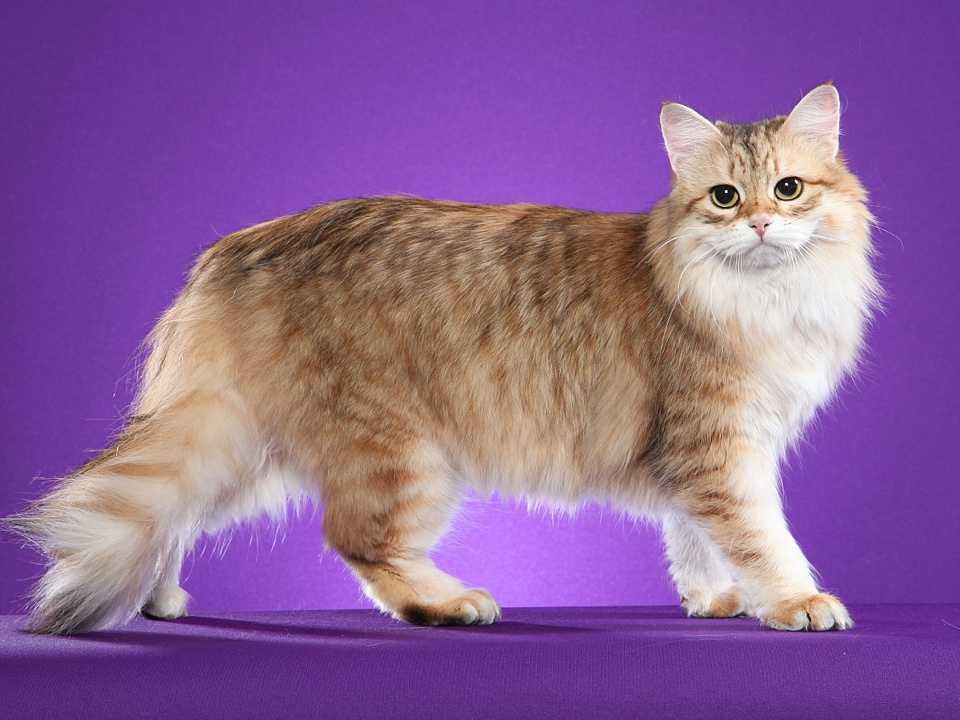
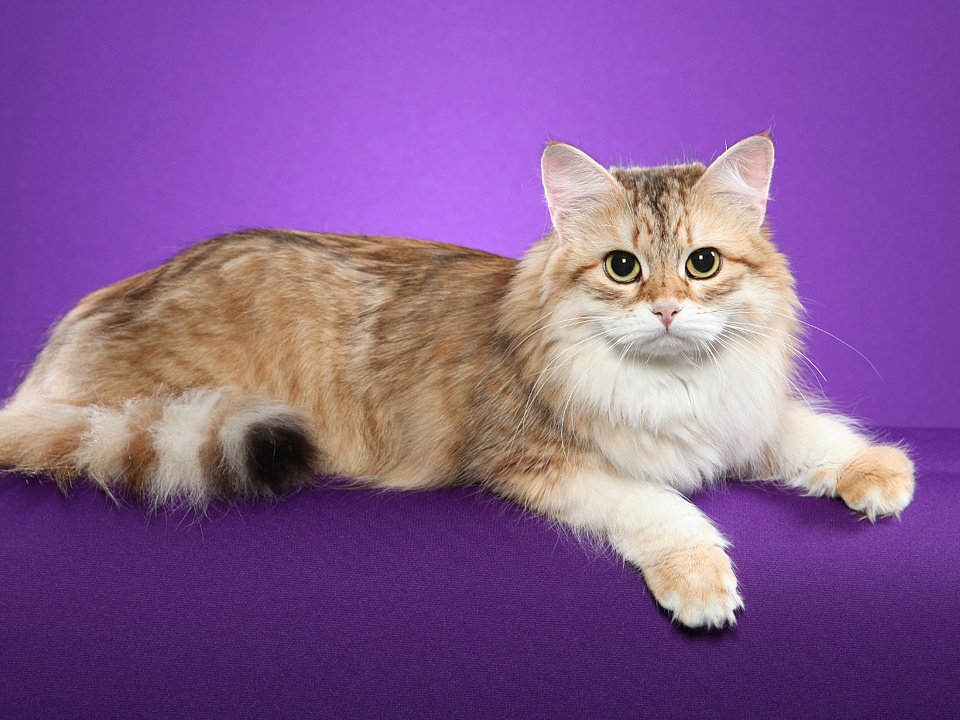
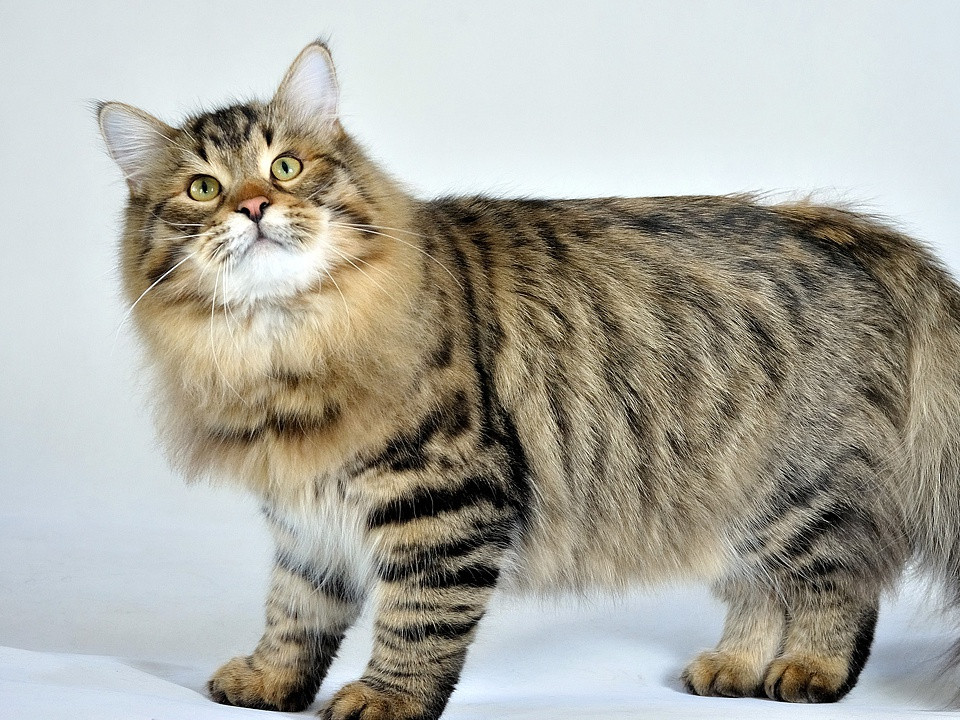
Среднего или большого размера, с отличными физическими способностями, их сила и мощь смягчаются сладким выражением мордочки, они очень пушистые. Тело оставляет общее впечатление округленности и сглаженности. Сибиряки взрослеют медленно, достигая зрелости к 5 годам, кошки не¬сколько мельче котов. Поэтому надо внимательно подходить к определению соответствия стандарту породы кошек и молодых котов.
Отличительная особенность породы Сибирская кошка
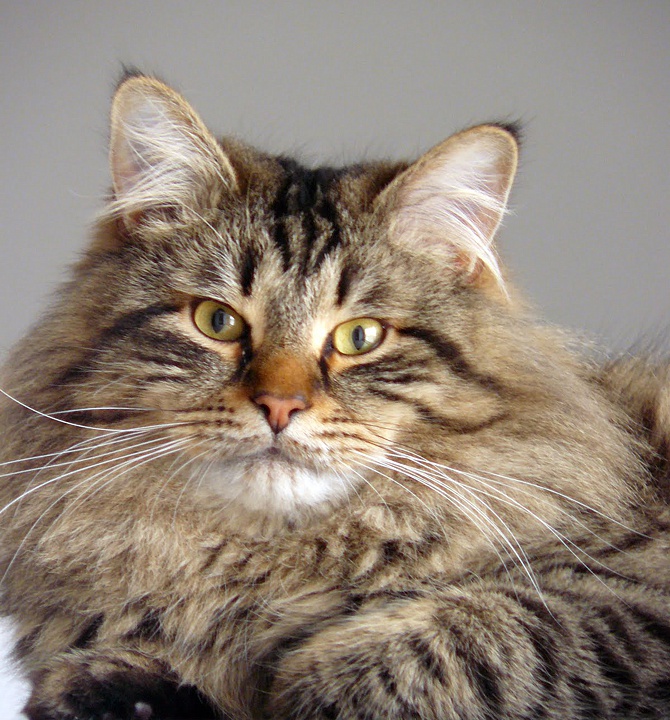
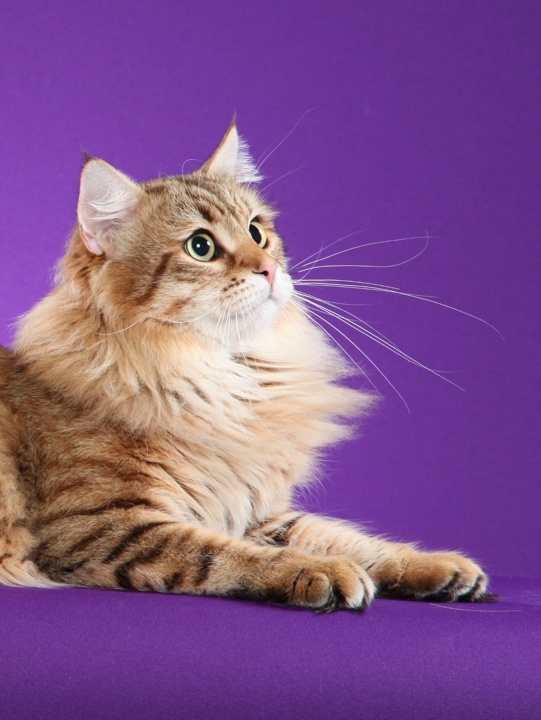
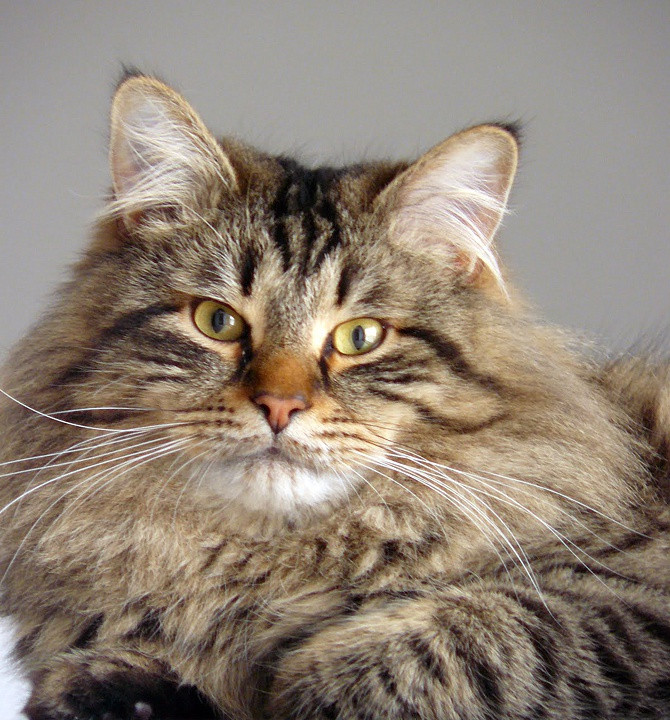
Головы трапециевидная, с округлёнными контурами, от среднего до большого размера, хорошо гармонирующая с телом. Голова шире в верхней части черепа и слегка сужается к округлённой мордочке.
Размер ушей от средних до больших, округлённые, слегка наклонённые вперед. В идеале расстояние между ушами должно быть равно ширине ушей.
Шерсть на задней части ушей короткая и тонкая. Начиная с середины ушей, опушение становится длиннее и покрывает основание ушей.
Кисточки на кончиках ушей, как у рыси, желательный.
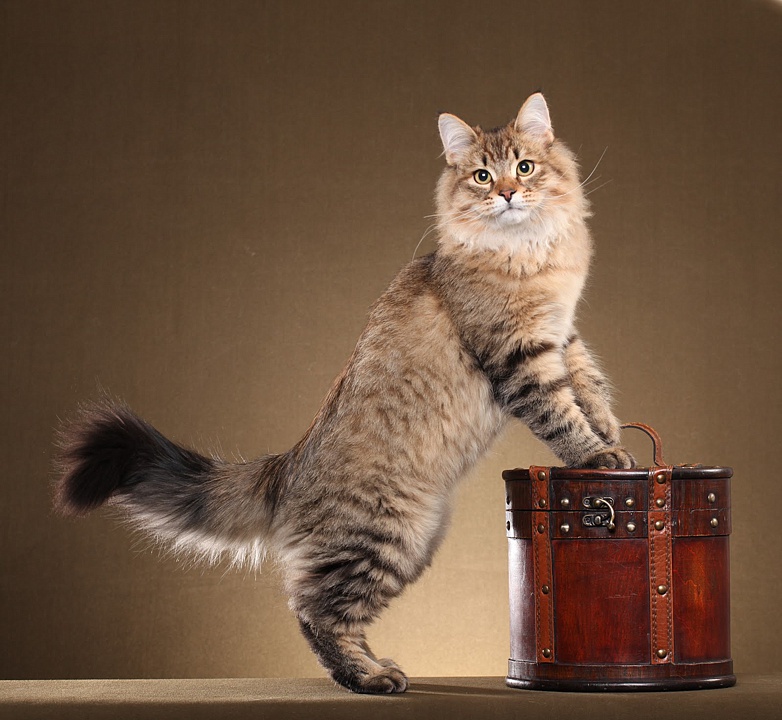
Тело средней длины, сильное, мускулистое, спина не¬сколько выше плеч.
Живот твердый, бочкообразный, создает ощущение значительного веса.
Ноги средней длины. Задние несколько длиннее передних, с массивным костяком.
Лапы большие и округлые, с обязательным опушением между пальцев.
Хвост широкий в основании, слегка сужающийся к притупленному кончику.
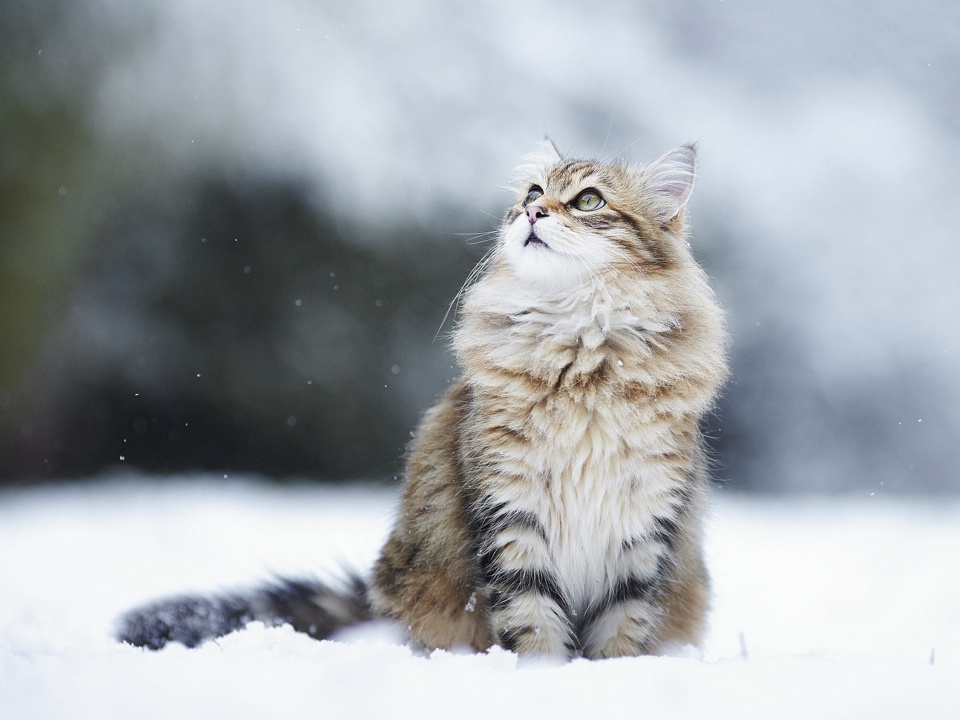
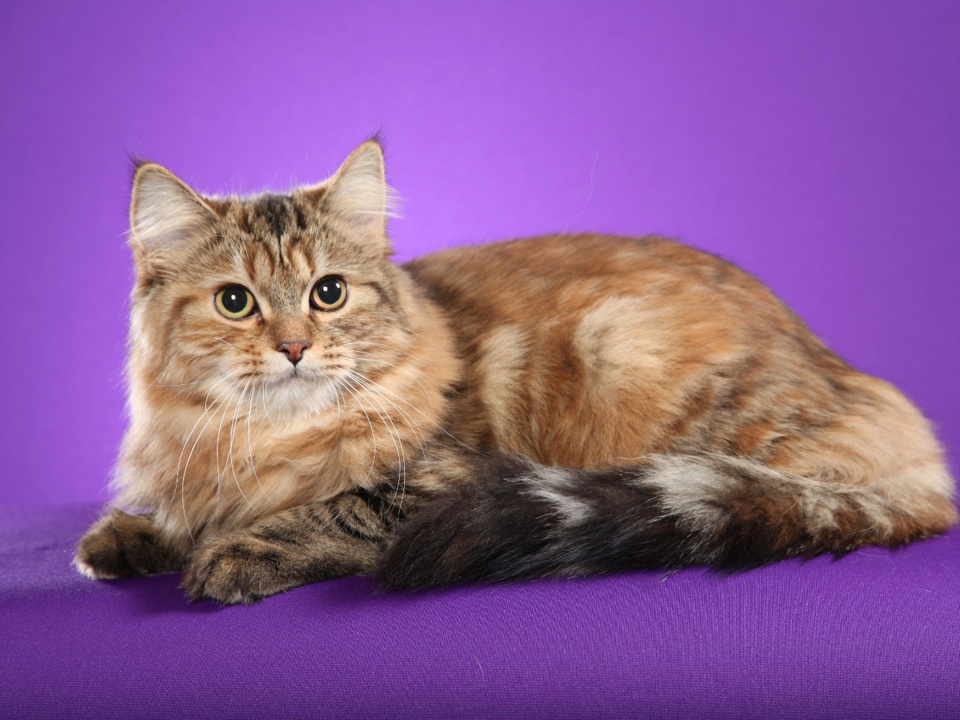
Шерсть от средней до длинной, с двойным подшёрстком. Волос на лопатках и на нижней части грудной клетки толстый и слегка укороченный. Допускается «летняя» шерсть. Волос может утолщаться до кудряшек на брюхе и «штанишках», но волнистая шерсть не является определяющей.
Чистый насыщенный окрас и рисунок желательны, но для правильного типа вторичны.
Вес кота — 6-10 кг.
Вес кошки — 4-6 кг.
Характер
Как и большинство пород сибирские кошки преданные, ласковые и любящие. Достаточно игривые, умные, их интересует едва ли не все доступное. Владельцы сибирских котов отмечают, что их любимцы могут решить любую проблему, дабы только получить то, чего хотят. Иногда даже может показаться, что они продумывают каждый свой шаг, будто следующие ходы в шахматах. Эти кошки не шумные, но только в случае, если имеют куда выйти, чтобы высвободить накопленную дома энергию. Сибирские кошки хорошо запоминают свои имена, а потому всегда на них отзываются. Эта порода очень сильная и необыкновенно гибкая как для своих размеров: коты могут прыгать из высоты и на большие расстояния. Сибирские коты дружелюбны к другим котам, собакам, незнакомцам. Они одинаково хорошо относятся ко всем членам семейства, в не зависимости от их возраста. Конечно, если малый ребенок будет мучать вашего любимца, то он будет обходить ее десятыми дорогами. Для сибирской кошки большим счастьем будет наличие высокого дерева во дворе, высоту которого он постоянно будет покорять. По этому же поводу надо хорошо следить за котятами: во двор к дереву они не пойдут, а вот вылезти на шкаф и повыбрасывать оттуда все хрупкие вещи они могут.
Содержание и уход
Уход за сибирской кошкой – это прежде всего регулярное вычесывание, обязательная покупка когтеточек в зоомагазине и водные процедуры минимум раз в полгода. Шерсть защищает животное от мелких ранений, воды и холода. Для полноценного ухода вам понадобится набор расчесок и гребешков для длинной шерсти, который можно приобрести в любом хорошем зоомагазине. Расчесывать котят нужно каждый день, чтобы малыш привык к этой процедуре. Взрослым кошкам достаточно нескольких раз в неделю. Сибирские коты любят нежиться на солнце. Нельзя позволять лежать им под палящими лучами слишком долго. Шерсть может неравномерно выгорать и истончаться. Уши необходимо регулярно осматривать снаружи и внутри. Внутри здоровое ухо должно быть розовым и чистым. При скоплении серы и грязи ухо нужно почистить ватным тампоном, предварительно смочив его вазелиновым маслом. Водой и другими жидкостями уши мыть категорически нельзя. Иногда уши стоит посыпать антисептической пудрой. Несмотря на очень длинную шерсть, сибирские кошки не могут похвастаться чрезмерной прихотливостью. Их когти не нужно стричь, с их длиной они разбираются сами при помощи деревьев или когтеточек. Многие считают, что сибиряков не нужно мыть. Это неправда. Их особенная шерсть периодически нуждается в масштабных водных процедурах. Принимать ванные они должны хотя бы раз в полгода. Мыть кошек нужно в теплой воде плавными движениями ватным тампоном по направлению роста шерсти.
Продолжительность жизни — 12-15 лет.
Достоинства
Гипоаллергенные свойства сибирских кошек отмечаются уже около 10 лет. Несмотря на недостаточные научные свидетельства, заводчики и владельцы утверждают, что сибирские кошки могут быть безопасными для многих людей, страдающих аллергией.
Сложность содержания
Необходимость выгуливания. Ведь этот питомец скорее хищник, чем домашнее ласковое животное. Поэтому сибирские кошки не очень уютно чувствуют себя в квартирах, но вполне гармонично вписываются в деревенский экстерьер, Также к недостаткам можно отнести необходимость регулярного вычесывания.
Болезни
Сибирский кот один из самых здоровых представителей кошачьих домашних любимцев. Единственная болезнь, которая его может зацепить, это типичная для котов гипертрофическая кардиомиопатия (наиболее распространенная болезнь сердца у котов). Болезнь передается наследственно, а опасная тем, что во многих случаях ее первым признаком становится внезапная смерть кота. Но, к счастью, это редкость. Кроме того, как и любая порода кошек, Сибиряки болеют инфекционными, паразитарными заболеваниями и связанными с кишечно-желудочным трактом: • признаками появления паразитов (власоедов, блох, клещей) является частные почесывания, появления ран. Могут передаваться от больных животных и предметов ухода. Требуется лечение в виде обработки специальными составами, которое лучше делать в виде профилактики; • в последнее время у сибирских кошек часто встречается ожирение, которое приводит к другим - более серьезным – заболеваниям. Это происходит из-за нарушения обмена веществ и неправильного питания, поэтому следует изменить рацион и вес порции. Помните, что любые болезни кошек и их лечение лучше доверить специалистам – ветеринарным врачам; • аллергия появляется в результате реакции организма на раздражители в виде чхания, отечности. В основном у кошек аллергия на продукты питания, пыль, предметы со специфическим составом. Первоначально стоит попробовать исключить из рациона отдельные продукты питания, принять четверть таблетки демидрола; в остальном требуется консультация ветеринара; • воспаление глаз (коньюктивит), ротовой полости (стоматит), ушных раковин требует обработки специальными растворами; • рвота у питомца может быть вызвана язвенной болезнью желудка, отравлением и токсаскаридозом (попадание в желудочно-кишечный тракт паразитов). Помогут отвары, включение в рацион всех групп витаминов.