История возникновения
В 1964 году Вирджиния Дейл, из американского штата Мичиган (она занималась разведением сиамских кошек), с целью получения животных с окрасом табби, скрестила сиамских кошек с абиссино-сиамскими метисами. Так был получен котенок с кремовой шерсткой с золотистыми пятнами, и его окрас по своему типу был похож на окрас дикого кота оцелота. Тогда котенок получил кличку Тонга. Этого кота кастрировали и продали, но, все не смотря ни на что, это и был первый представитель новой породы оцикет. С помощью ученых-генетиков, Вирджинией Дейл была разработана программа селекционной работы по выведению породы. Проводились скрещивания с использованием абиссинских, сиамских, американских короткошерстных и некоторых других пород пятнистых кошек. Официально породу зарегистрировали в США в 1987 году.
Общий вид
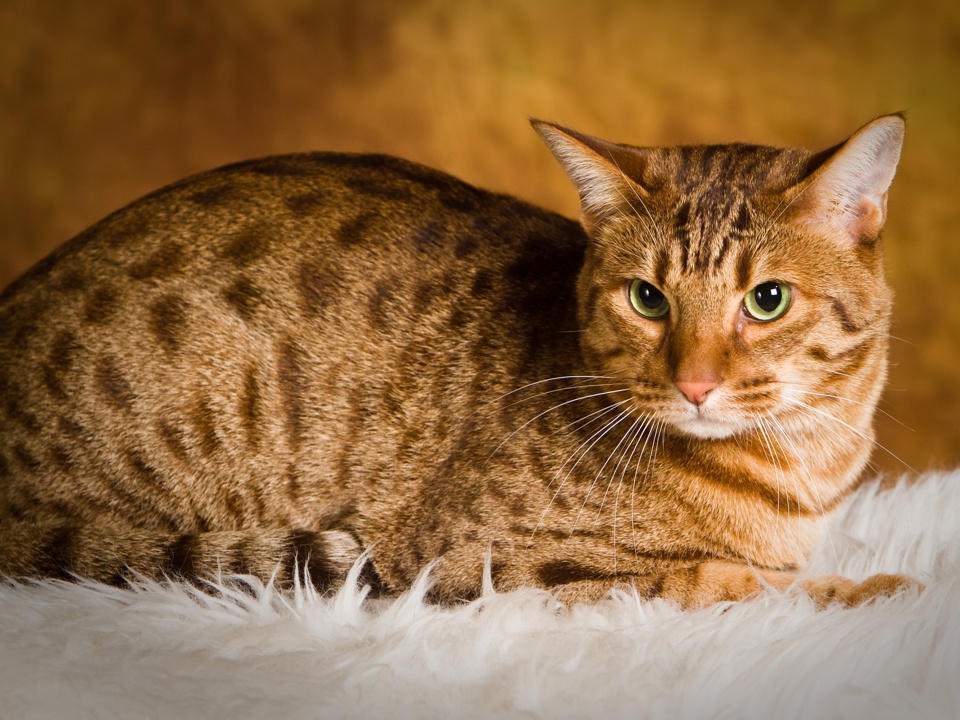
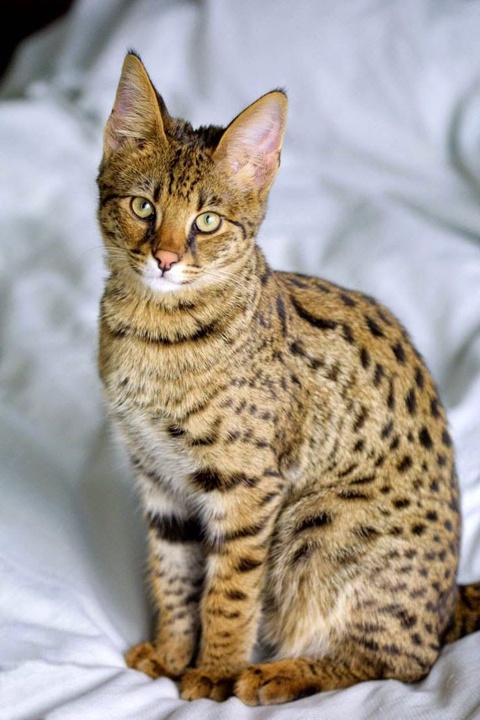
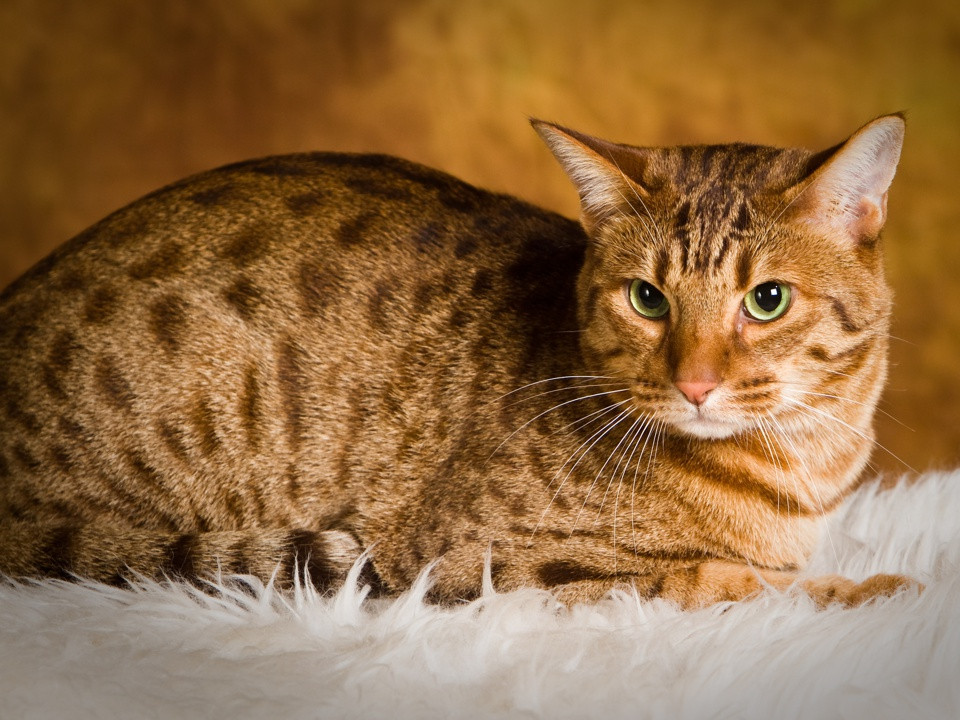
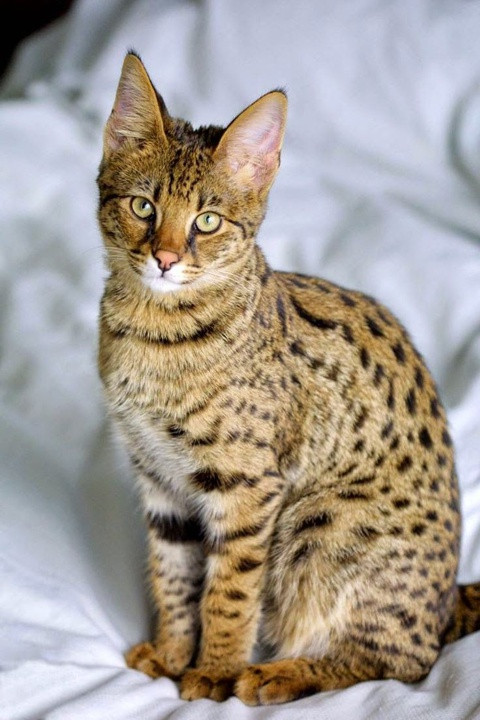
Оцикет – атлет среди кошек и щёголь в роскошном одеянии: его мускулистое тело сплошь покрывают пятна, полосы и полосочки, ожерелья и кольца, замысловатые узоры на лбу.
Отличительная особенность породы Оцикет
Голова - видоизмененный клин с лёгким изгибом от морды к щекам.
Морда широкая, почти прямоугольная, в профиль приличной длины с крепким подбородком и крепкой нижней челюстью с правильным прикусом. От спинки носа ко лбу заметный, но мягкий подъём.
Голова грациозно посажена на гибкую шею.
У зрелых самцов допускается наличие второго подбородка.
Туловище средней величины или крупное, крепкое, мускулистое, гибкое, довольно длинное, но стройное.
Костяк хорошо развит.
Грудь широкая, с округлыми рёбрами.
Линия спины слегка поднимается по направлению к задним конечностям.
Шея средней длины, тонкая, сильная и мускулистая.
Лапы средней длины, мощные, пропорциональны телу, крепкие, мускулистые.
Подушечки лап компактные, овальные.
Шерсть короткая, блестящая, шелковистая, по текстуре густая, плотная, прилегающая, без подшёрстка. Каждый волосок тикирован.
Характер
Энергичные, умные и, как известно, любящие «поболтать», кошки такой породы отлично подходят людям, которые любят активных кошек. Они достаточно сговорчивые, всегда проявляют сильную привязанность к своим хозяевам. Обычно они привязываются только к одному члену семьи и полностью ему и во всем преданы. Но, это не значит, что они плохо относятся к остальным членам семьи, включая живущих в доме домашних животных, просто они по-особенному относятся к человеку, которого выбирают сами (и это всегда только их выбор). Это качество ставит их в ранг особенных , можно даже сказать что по-своему неповторимымых. Кошек породы оцикет никак нельзя назвать трусливыми, они более бесстрашные, по сравнению с большинством кошек других пород. Это непоседливые экстраверты, развлекающие себя сами своими забавными выходками. Общительные и ориентированные на людей, оцикеты не станут прятаться под кроватью во время прихода гостей. Как их сиамские предки, оцикеты могут быть довольно голосистыми, в случае нехватки внимания или когда они хотят есть; у них не такой скрипучий голос как у сиамских кошек. Хотя они правда любят поболтать с людьми, а если при этом не находят отклик со стороны человека, то могут стать надоедливо болтливыми. Очень умные, быстро запоминают свои имена (даже если они хотят показать, что это не так) и если потратить немного времени можно даже обучить их некоторым трюкам, обычно, более подходящих собакам. Владельцам такого животного необходимо знать, что у оцикетов есть талант самообучения. Они легко учатся открывать двери и крышки контейнеров, в которых находится их любимая еда. Пластичные, любопытные (возможно даже слишком ) оцикеты найдут способ завладеть тем, что они хотят…. Как сиамские и абиссинские кошки, оцикеты сильно зависят от людей и не могут жить в одиночестве. Эта порода не очень хорошо подходит людям, которые проводят большую часть своего времени вне дома, в таком случае лучше приобрести другую породу. Но, если у оцикета есть компания, другое домашнее животное к примеру, то вполне возможно пережить все ожидания своего любимого человека.
Содержание и уход
Уход за оцикетами довольно прост. Их гладкую, короткую шерсть необходимо только периодически расчесывать для того, чтобы очистить от отмершего слоя шерсти. Из-за того, что кошки имеют склонность к болезням пародонта, важно регулярно проводить чистку зубов. Если кошка позволяет чистить зубы дома, то предпочтительнее использовать специальные зубные пасты для животных и щетку, размером как для маленького ребенка.. Если этого не получается сделать в домашних условиях,то проводите эти процедуры у ветеринара. Стоит помнить, что каждая кошка индивидуальна (и очень даже). Данное описание характерно для породы в целом и не всегда полностью совпадает с характеристиками отдельно взятой кошки этой породы!
Продолжительность жизни — 10-17 лет.
Достоинства
Подойдёт любой семье, но особенно тем, кто постоянно находится дома. Оцикеты энергичны и разговорчивы, поэтому тем, кто не любит постоянного мяуканья, их лучше не заводить.
Сложность содержания
Развит инстинкт собственничества и своей территории. Лучше не нарушать его границы! В дом, где уже есть другие кошки, оцикета лучше не брать (он всегда будет заявлять о своих правах на лидерство).
Болезни
Как правило, эта порода очень здоровая, живут они достаточно долго (15 - 18 лет и более), при условии, что содержаться в нормальных условиях, в доме, наполненном заботой. Но нужно помнить, что кошки породы оцикет были выведены скрещиванием трёх пород кошек, у каждой из которых имеются наследственные заболевания. При этом заболевания могут сформировываться в течение многих лет селекционного размножения. Некоторые линии получили в наследство такие болезни, как почечный амилоидоз. А так же дефицит PK, который обычно вызывает анемию и возможен у абиссинских кошек. У некоторых линий сиамских кошек тоже есть склонность к амилоидозу печени. Но еще серьезнее то, что у них есть наследственная предрасположенность к кошачьей гипертрофической кардиомиопатии, первым признаком которой является - внезапная смерть кошки в относительно раннем возрасте. Кроме того, и сиамские и абиссинские кошки имеют склонность к образованию налета, зубного камня, а так же к гингивиту. Гингивит чаще всего становится причиной возникновения болезней пародонтоза, и это может привести к потере зубов и костной массы в целом. Болезни зубов могут ухудшить общее здоровье кошки. Неверным будет утверждение о том, что кошки непременно наследуют все эти заболевания. Но если вы планируйте завести кошку этой породы, помните о ее склонности к таким заболеваниям, а так же поговорите о них с возможным заводчиком вашего будущего любимца.