1.1 Крупные гончие
Группа 2. Охотничьи
Группа 2. Охотничьи
Группа 2. Охотничьи
Группа 6. Охотничьи
Группа 4. Охотничьи
Группа 4. Охотничьи
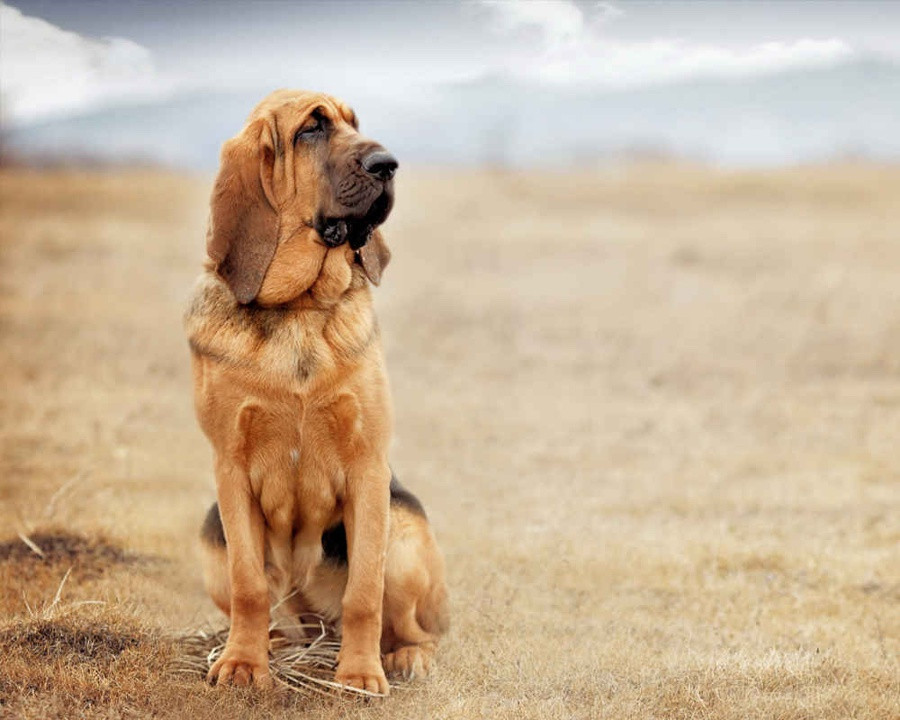
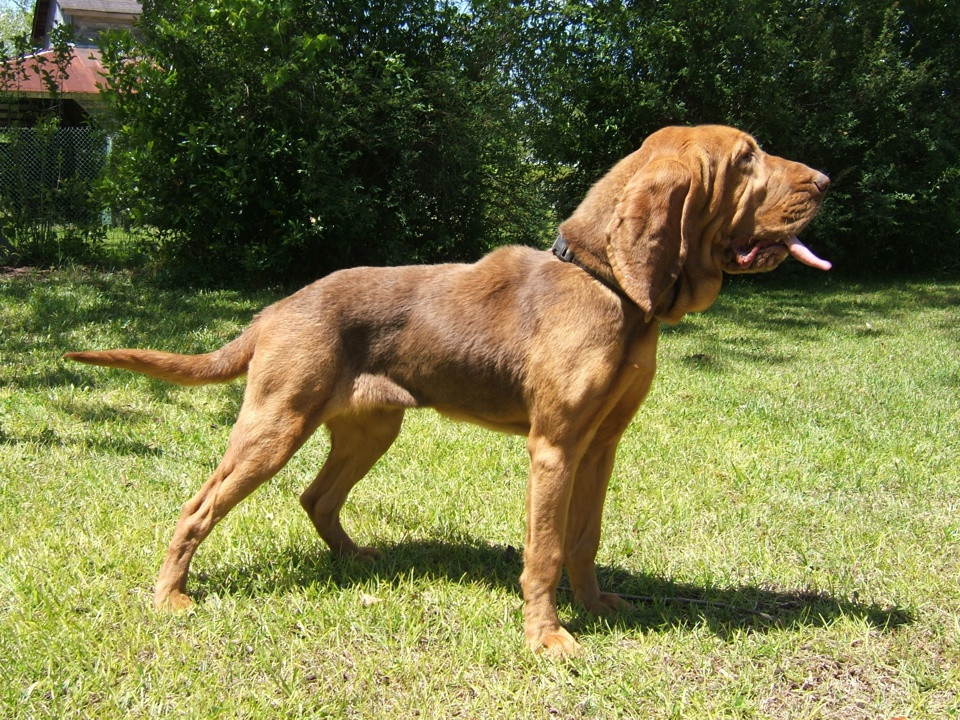
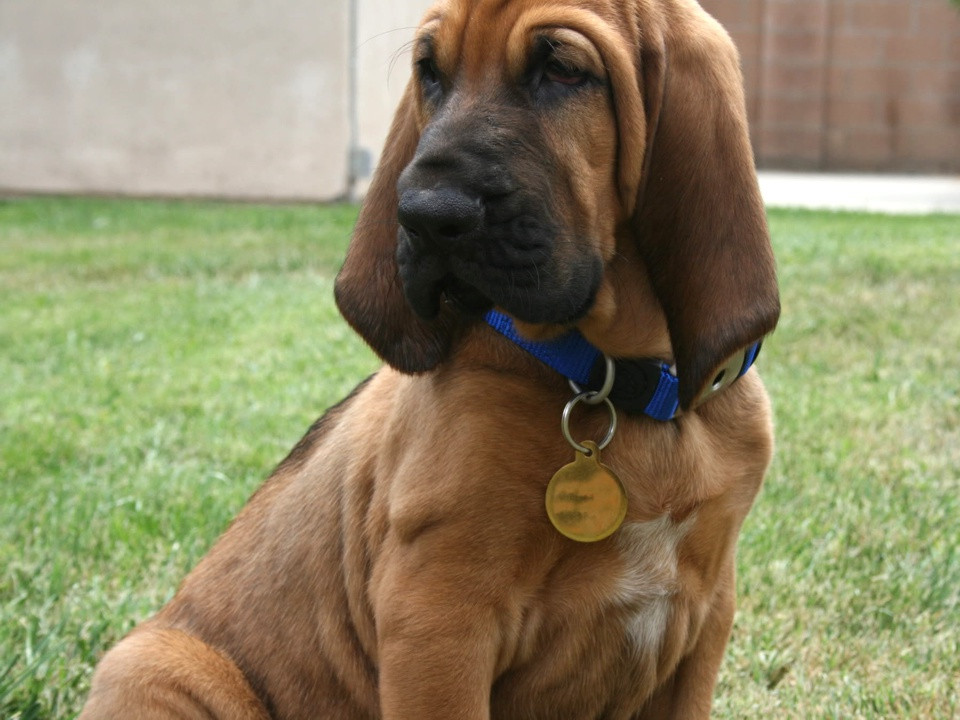
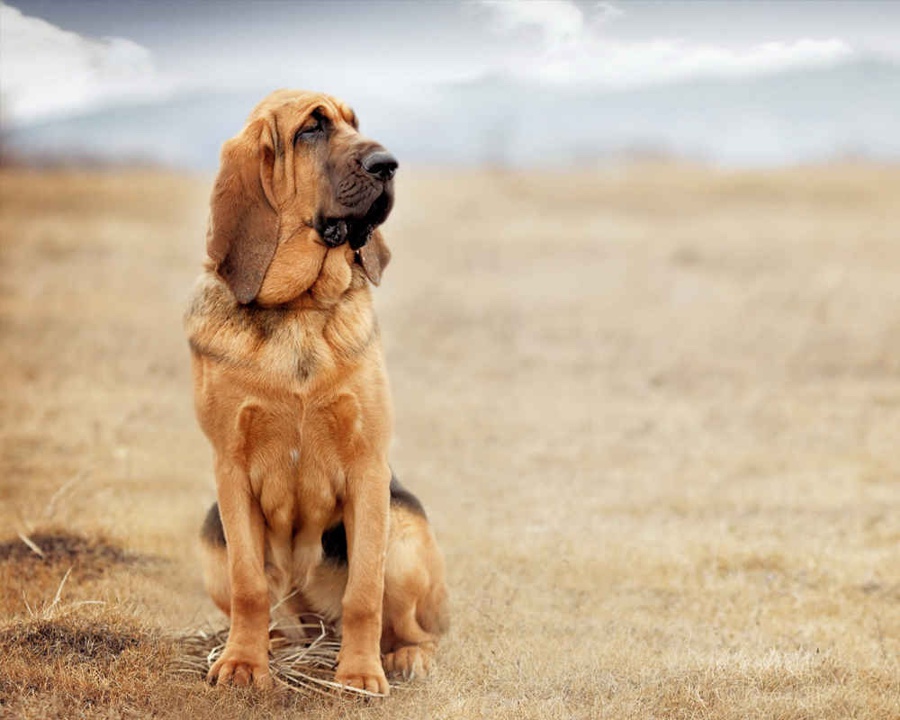
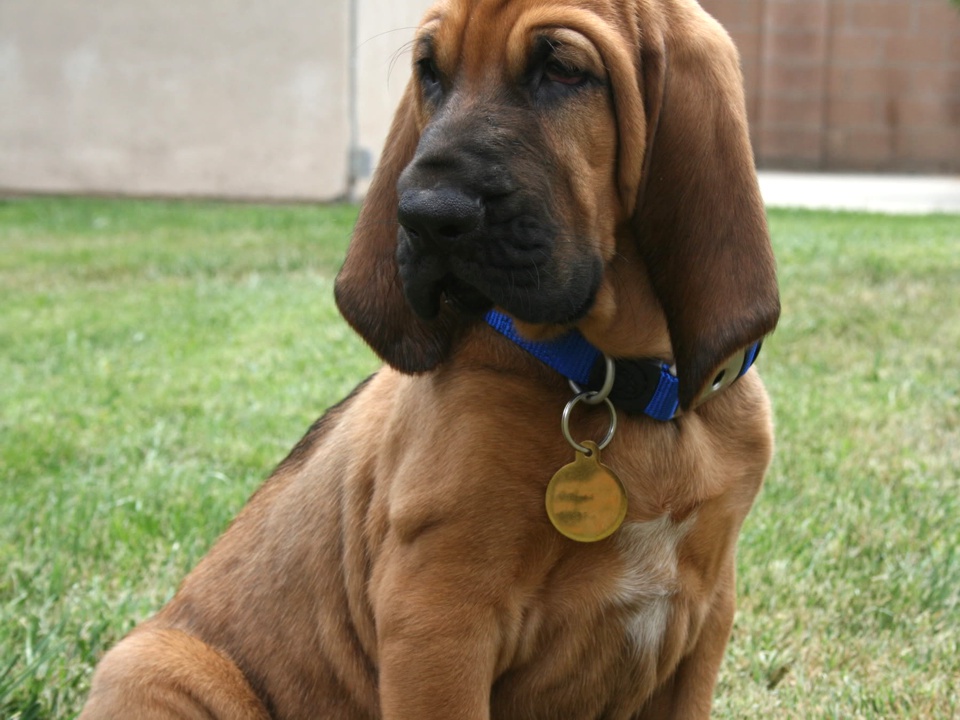
Череп глубокий, длинный, несколько узкий, уплощенный по бокам. Надбровные дуги не сильно выражены, хотя могут быть видны. Затылочный бугор очень развит и отчетливо виден. Стоп только слегка намечен. Нос черный или коричневый, всегда черный у черно-подпалых собак. Мочка носа широкая, хорошо развитая, с широкими открытыми ноздрями. Морда такой же длины как череп, глубокая, широкая у ноздрей и одинакова по ширине по всей длине морды. Верхняя линия морды или ровная или слегка выпуклая (несколько бараний нос). Губы очень длинные и мягкие; верхние губы перекрывают нижние и спереди формируют прямой угол по отношению к верхней линии морды, что и дает квадратный профиль. По направлению к уголкам рта они становятся мясистыми брылями (у сук выражены меньше), которые, изгибаясь, переходят в обильный подвес. Кончик верхней губы опускается ниже нижней челюсти приблизительно на 5 см. Края губ хорошо пигментированы, черные или коричневые, в зависимости от цвета носа. Зубы в полном комплекте, правильный ножницеобразный прикус; сильные белые зубы, правильно расположенные в крепких челюстях. Клещеобразный прикус допустим. Скулы впалые и худые, особенно под глазами. Глаза темно-коричневые или светло-коричневые, светлее (до янтарного) у собак без черного седла или плаща. Глаза среднего размера, овальные, не слезящиеся, не выпуклые и не посаженные глубоко, радужная оболочка полностью видна. Веки четких очертаний, нормально прилегающие к глазному яблоку; нижнее веко ненатянутое, так что видно часть склеры, что приемлемо. Никогда ресницы не должны касаться или травмировать глаза. Выражение мягкое, доброе и полное достоинства, несколько меланхоличное. Уши тонкие и гибкие, покрытые короткой шерстью, нежные и бархатные на ощупь; длинные, сходящиеся по крайней мере за мочкой носа, если вытянуть вдоль верхней линии головы, посажены очень низко, на уровне глаз или ниже, по краям головы, спадающие грациозными складками, закручиваясь внутрь или назад (закручивающиеся уши).
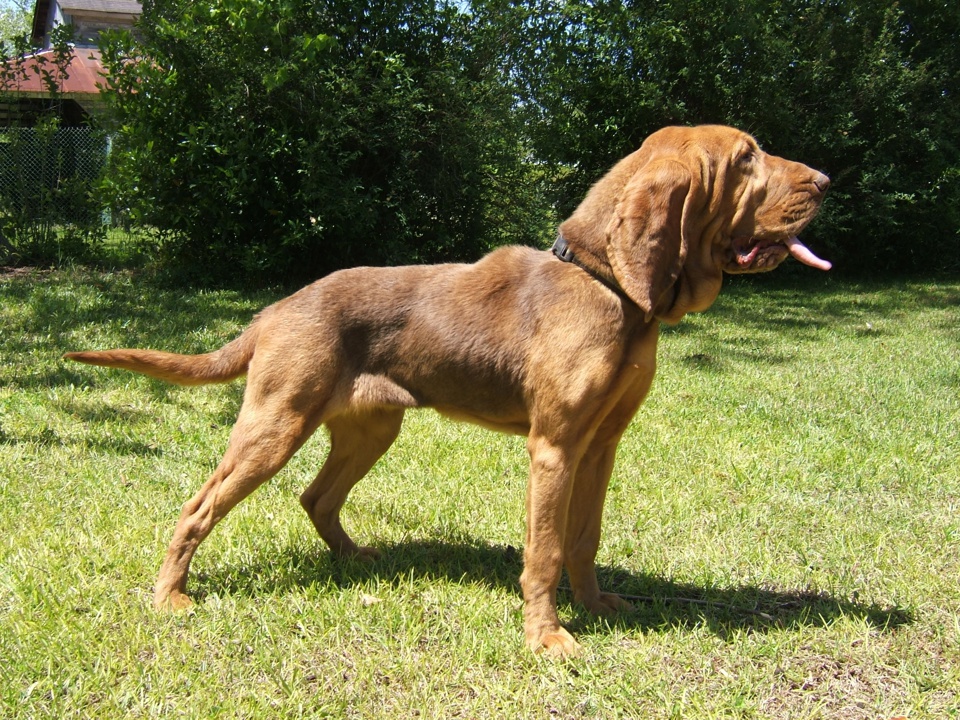
Шея такой длины, чтобы собака могла идти по следу, держа нос у земли; очень мускулистая. Шкура на горле свободная и очень сильно развита, образуя двойной подвес. У сук это выражено слабее. Корпус линии верха и низа почти параллельны. Холка слегка выражена. Спина прямая, широкая, длинная, прочная. Поясница широкая, крепкая, короткая, чуть выпуклая. Круп с хорошей мускулатурой, почти горизонтальный, никогда не скошенный, очень широкий и достаточно длинный. Грудь овальная в поперечнике, широкая, хорошо опущенная, с четко оформленным килем между передними конечностями, грудная клетка достаточно длинная, передняя часть груди и плечелопаточные сочленения выдаются вперед. Ребра хорошо изогнуты, не плоские и не бочкообразные. Живот слегка приподнят. Линия низа почти горизонтальна. Нижняя часть груди хорошо опущена, паха хорошо заполнены, широкие и опущенные.
Передние конечности хорошо обмускуленные, мощные передние конечности, прямые и абсолютно параллельные. Плечевая кость длинная, наклонная и формирующая хороший угол с лопаткой. Локоть хорошо поставленный, не развернутый ни внутрь, ни наружу. Предплечье прямое, с крепкой округлой костью. Запястье прочное. Лопатки длинные, хорошо наклонные, хорошо обмускуленные, но не перегруженные. Пясти крепкая, прямая при осмотре спереди, слегка наклонная при осмотре сбоку. Задние конечности прочные, с мощной мускулатурой, в хорошем балансе с передними конечностями, при осмотре сзади идеально параллельные, не развернуты ни внутрь, ни наружу. Бедра хорошей длины, с сильной мускулатурой. Колено с хорошим углом, не развернуто ни внутрь, ни наружу. Голень соответствующей длины, с сильной мускулатурой. Скакательный сустав прочный, низко над землей, с выраженным углом. Плюсны сильные и короткие. Лапы компактные, очень собранные, не развернутые ни внутрь, ни наружу, пальцы сводистые, суставы подняты высоко, плотные (кошачьи лапы), толстые прочные подушки, короткие сильные когти.
Длинный, крепкий, толстый, поставлен высоко, продолжает линию позвоночника, постепенно суживающийся к концу; держится саблевидно; в движении хвост изгибается, грациозно поднимаясь над линией спины, никогда не закручиваясь или заваливаясь штопором на бок. Внутренняя сторона хвоста украшена жесткой шерстью длиной около 5 см, которая постепенно укорачивается к кончику.
Шерстный покров на корпусе характеризуется плотно прилегающей шерстью. Она короткая, плотная, достаточно жесткая и устойчивая к погодным условиям. На голове и ушах шерсть очень короткая и мягкая на ощупь. На нижней части хвоста шерсть несколько длиннее и грубее. Окрас подразумевает три разновидности: двуцветные – черный с подпалом, печеночные с подпалом, одноцветные – красные. У черно-подпалых собак количество черного цвета различно, в зависимости от того седло (чепрак) это или плащ. У собак с плащом черный цвет является преобладающим: подпал (олений) расположен только на морде, скулах, над глазами, на передней части груди, на конечностях и в области анального отверстия. У собаки с седлом (чепраком) распространение подпала большее, потому что черный цвет ограничен в большей или меньшей степени зоной позвоночника. Подобное расположение цветовых зон наблюдается и у двуцветных печеночно-подпалых собак. Цвета не имеют обычно ни четкого местоположения, ни ярко выраженных границ. В темно окрашенных зонах можно найти более светлые или двуцветные шерстинки. Подобное смешение шерстинок разного окраса разрешено. У одноцветных красных собак красный может варьироваться от светло-рыжего то темно-красного. Бледные оттенки подпала у двуцветных или бледный рыжий у одноцветных не приветствуются. Немного белого на передней части груди, на пальцах и на кончике хвоста приемлемо, но не приветствуется.
В норме на рыси движения ровные, с равномерным шагом, эластичные и свободные, покрывающие большее пространство, чем у любой другой гончей и очень типичные для породы, перекатывающиеся, но не пересекающиеся. Задние ноги движутся с хорошим толчком, шаг передних и задних конечностей равен, линия спины остается горизонтальной. Конечности движутся параллельно, при увеличении скорости ставятся ближе к центральной линии. Хвост несется высоко и саблевидно, без чрезмерной изогнутости. Бладхаунд должен быть способен к длительной рыси без проявления признаков усталости.
Рост кобеля 63-69 см, суки — 58-63 см. Вес кобеля 41-50 кг, суки — 36-45 кг.
Чтобы оставить здесь комментарий, войдите или зарегистрируйтесь на сайте.
Авторизация
