История возникновения
Вершиной деятельности американских селекционеров можно назвать рождение это замечательной породы. Произошло это в конце 50-х - начале 60-х годов. Заводчики начали скрещивать американских короткошерстных кошек с персидскими. Экзотическая порода была выведена специально по желанию многих заводчиков, которые хотели получить кошку персидского типа с короткой шерстью. Результаты увенчались удачей. Вначале персов спаривали как с американскими короткошерстными, так и с бирманскими; теперь же ограничиваются только американскими короткошерстными. С 1966 года гибриды начали называть экзотическими короткошерстными, они появились на выставках Америки.
Общий вид
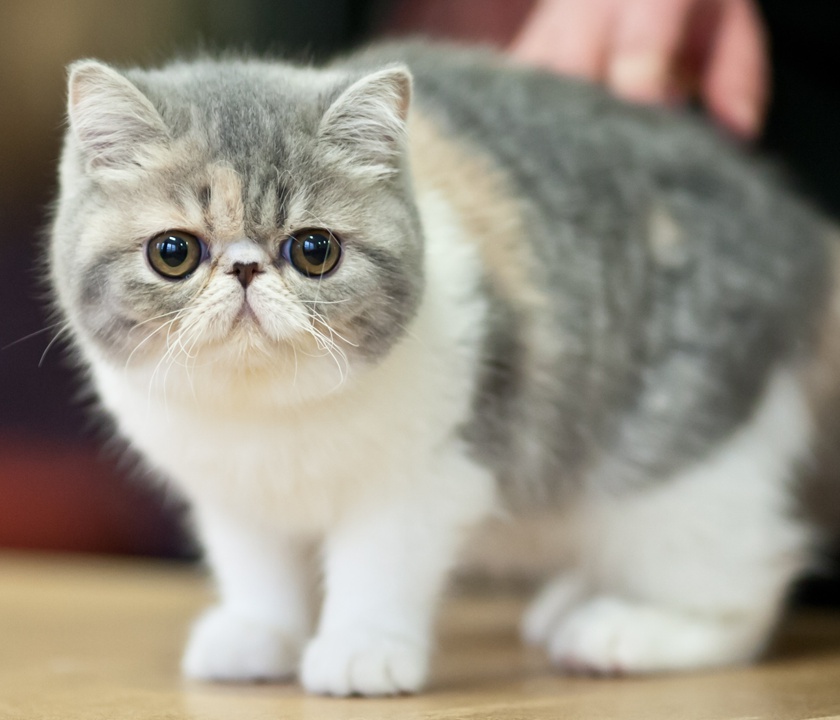
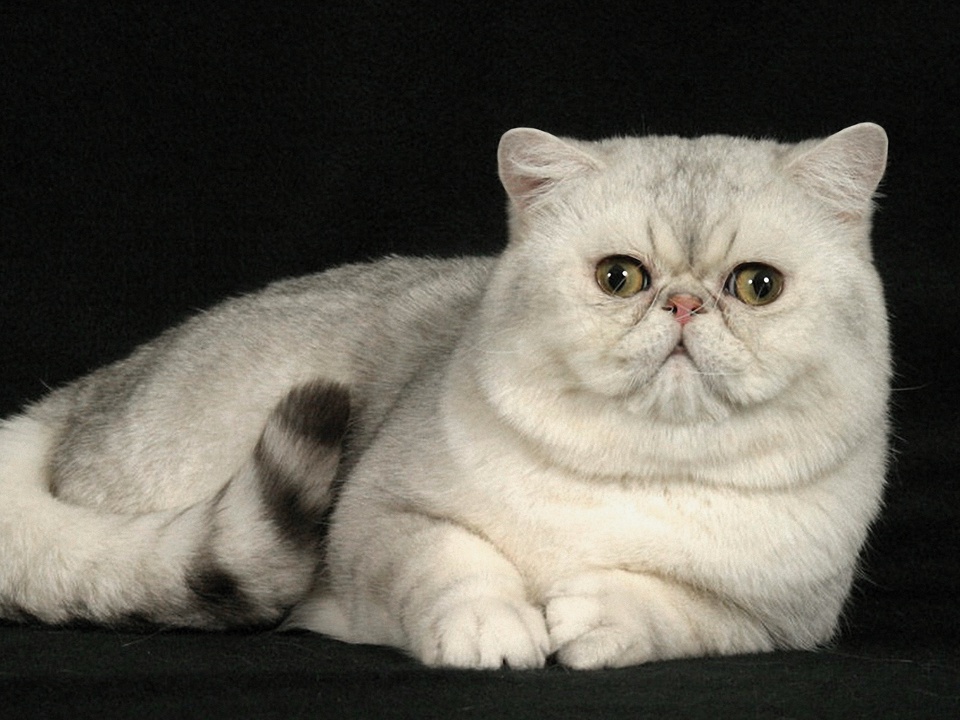
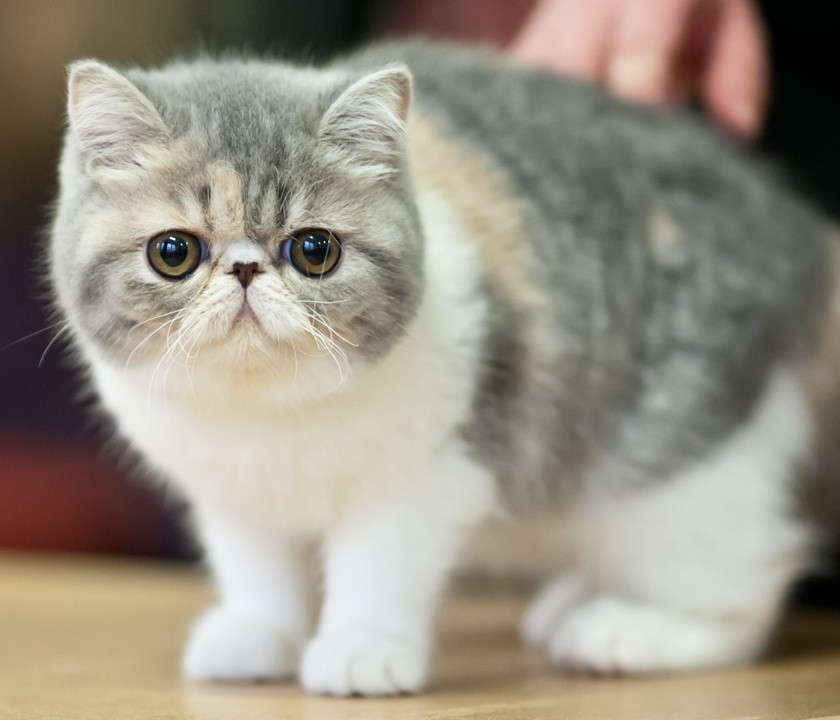
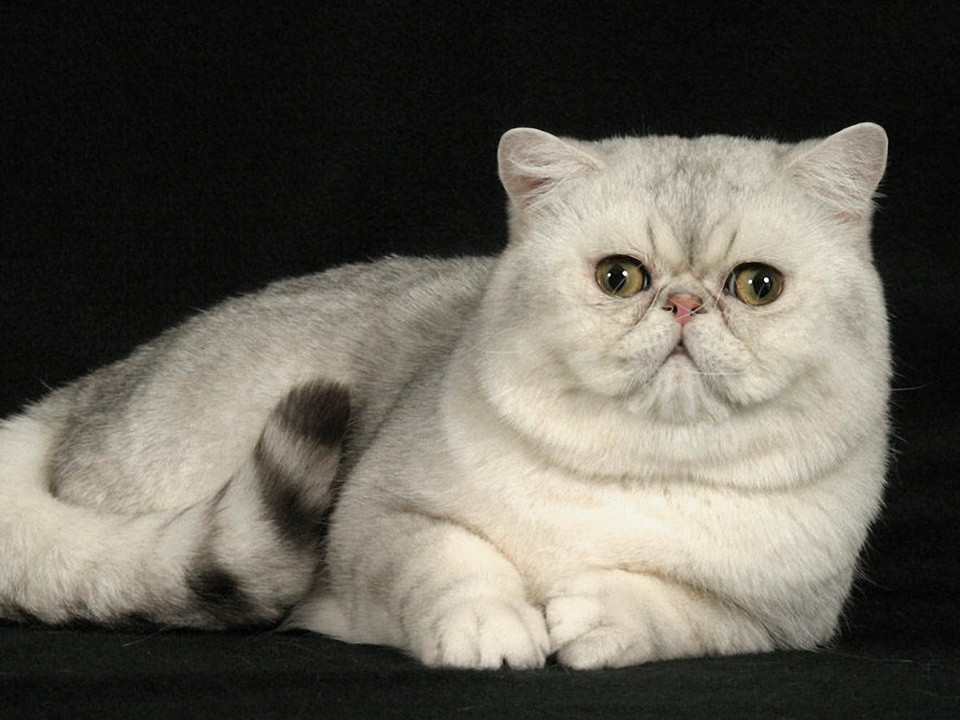
Тип экзотических короткошерстных кошек должен соответствовать стандарту, который применим для персидских кошек: коренастое широкое тело; толстые лапы; короткий, толстый и прямой хвост; большие круглые глаза. Зато шерсть - густая, блестящая, бархатистая и короткая, отстающая от тела, как у плюшевых игрушек, без пышного воротника, Она стоит ежом, что делает их голову круглой, как теннисный мяч, а корпус приземистым, как у медвежонка. Но при этом они сохраняют кошачью грацию.
Отличительная особенность породы Экзотическая короткошерстная кошка
Голова широкая, большая, округлой формы.
Шея короткая и толстая.
Мордашка округлая, с приветливым выражением
Нос короткий, широкий и курносый.
Щеки полные.
Подбородок хорошо развит.
Уши маленькие, с закругленными кончиками, широко расставленные и низко посаженные. Отлично гармонируют с общими очертаниями головы. Уши наклонены вперед и немного открыты у основания.
Туловище среднего размера, коренастое, посажено низко.
Грудь широкая, массивные плечи и крестец.
Спина прямой формы.
Конечности короткие, толстые и массивные; передние - прямые.
Лапы большие, круглые и крепкие.
Хвост короткий, толстый и прямой, в состоянии покоя опущен вниз. Кончик закруглен, заломы не допускаются.
Шерсть средней длины, плотная и густая, мягкая, плюшевая, с богатым подшерстком, полностью выпадающим во время линьки.
Вес котов — 6 кг.
Вес кошек — 3,5 кг.
Характер
Харизма и внешнее очарование этих созданий являются подлинным выражением их кроткой и дружелюбной натуры. У экзотов открытый и располагающий взгляд, а также тихий, еле слышный голос, которым они будут приветствовать вас при входе в квартиру. Эти кошки обладают очень тонкой привязанностью к своему хозяину. Экзоты очень ценят компанию любимых людей и тяжело переносят одиночество. Получив от вас сигнал, что можно приступить к объятиям, они будут нежно тыкать свой влажный носик вам в лицо и обнимать лапками за шею. Если же вы заняты, то милый плюшевый экзот просто приляжет рядом с вами, свернувшись калачиком, делясь с вами своей аурой спокойствия и умиротворения. Как правило кошки этой породы более независимы, чем коты. Мужские представители породы обладают поистине собачьим темпераментом и безграничной преданностью хозяину.
Содержание и уход
Короткошерстным экзотическим кошкам периодически нужно удалять отмершую шерсть, предотвращая ее заглатывание при вылизывании. Короткошерстные кошки не нуждаются в ежедневном расчесывании. Вполне достаточно проводить эту процедуру 2 раза в неделю. Также можно использовать специальные сухие шампуни, которые продаются в зоомагазинах в большом ассортименте. При вычесывании надо стараться, чтобы порошок не попал кошке в глаза и нос. Как правило, при регулярном уходе кошка привыкает к вышеописанным процедурам и даже получает от них удовольствие, особенно в период линьки.
Продолжительность жизни — 9-15 лет.
Достоинства
Уравновешенные, умные, ласковые; легко поддаются воспитанию; привязчивые, очень доброжелательные; игривы, но без склонности к разрушению; ладят с животными и детьми.
Сложность содержания
Иногда слезятся глаза. Короткая шерсть требует ухода, т.к. волоски крепко впиваются в обивку мебели, и удалить их порой еще тяжелее, чем длинную шерсть.
Болезни
Кошка подвержена многим генетическим заболеваниям. Как и персы, экзоты страдают от ожирения, болезней глаз и почек, патологий сердечно-сосудистой и дыхательной систем.