История возникновения
Прародителем породы считают кота, которого звали Мунк. Мунк жил в деревне в Восточной Германии в 1930г. Это был необычный кот, рожденный от русской голубой кошки и ангорской кошки. У этого кота была необычная завитая шерсть. Кот жил свободно и имел много потомства, рожденного от беспородных кошек. Одного котенка – черную девочку, предком которого был Мунк, привезли в Берлин. Ее скрещивали с собственными котятами. Именно этих кошек считают основателями породы герман рекс. Для улучшения породы этих кошек скрещивали и с другими кошками – европейскими короткошерстными. В 1983 году породу Немецкий рекс признала ассоциация FiFe.
Общий вид
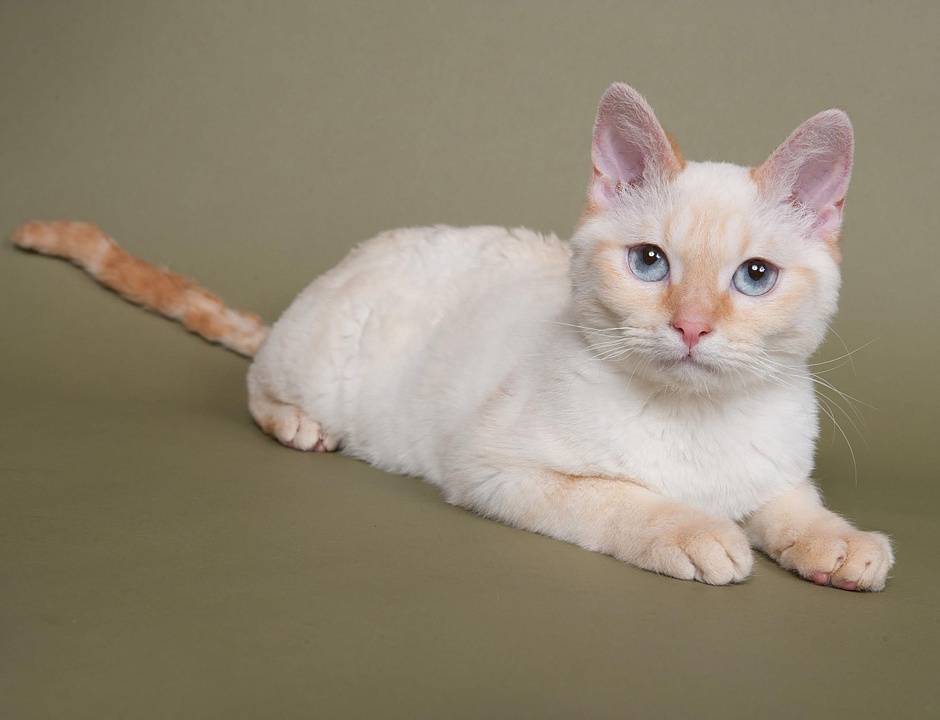
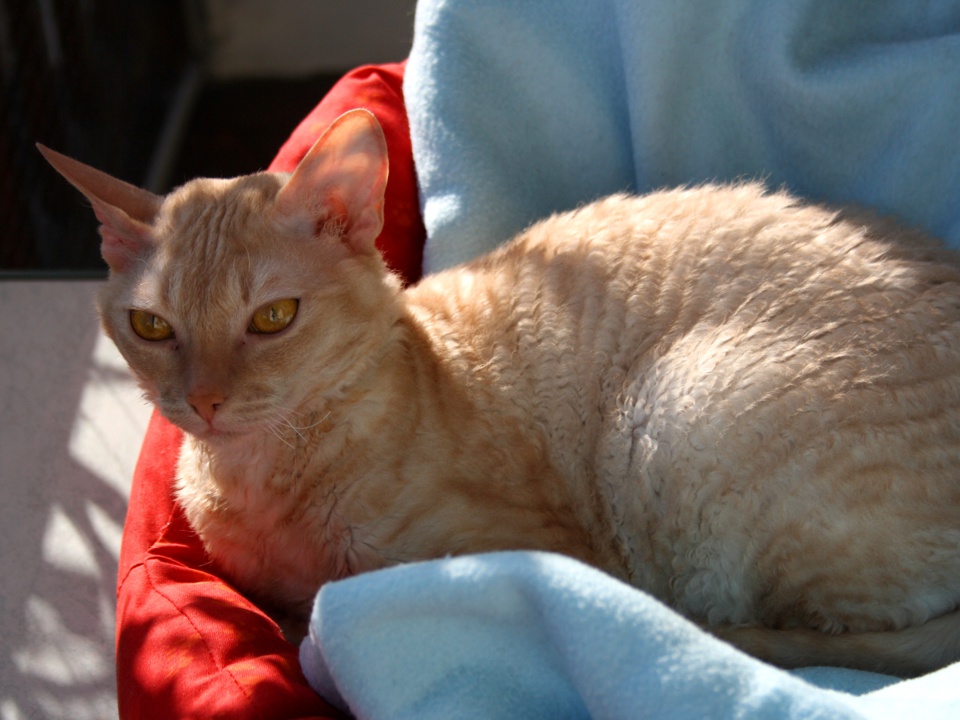
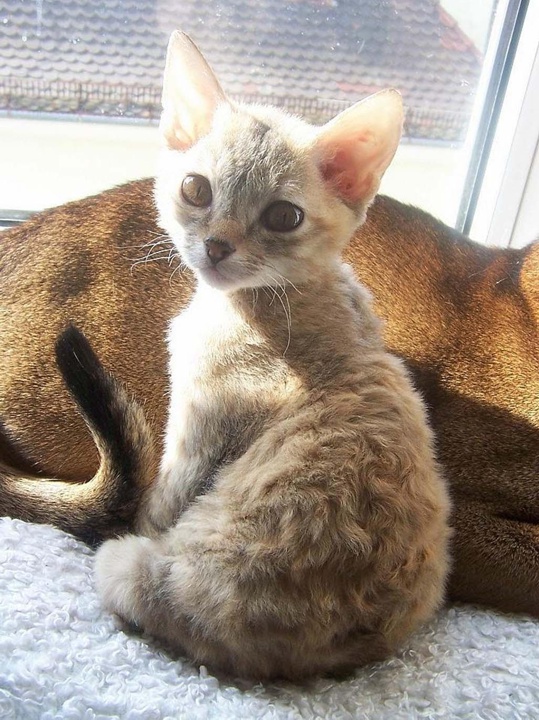
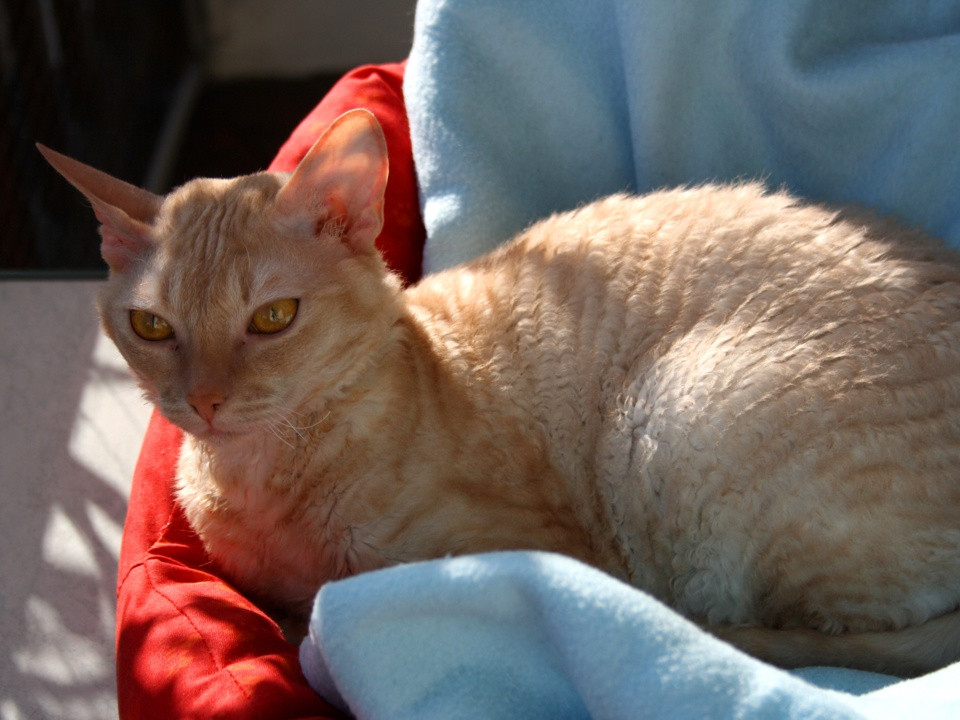
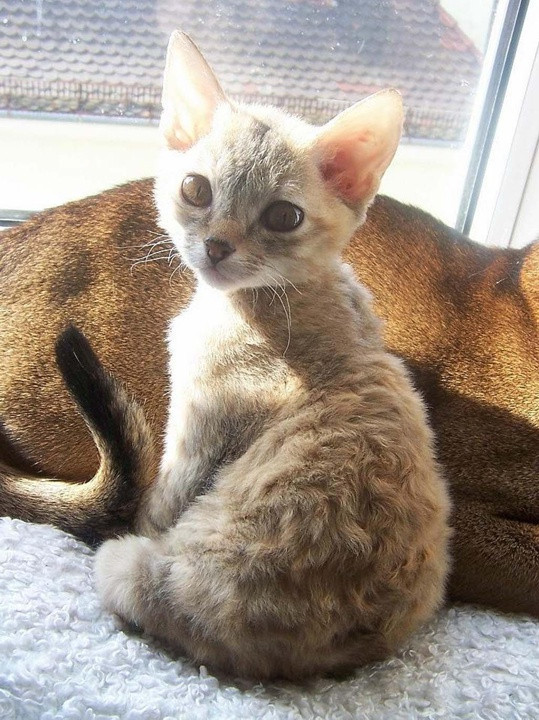
Немецкие рексы — это кошки средних размеров, с изящными лапами средней длины. Голова округлая, с явно выраженными скулами и большими ушами. Глаза среднего размера, цвет глаз пересекается с цветом шерсти. Шерсть короткая, шелковистая, с склонностью к кучерявости. Усы также кучерявятся, но не так сильно, как у корниш рексов, они практически прямые. Допустимы любые окраски, включая белую. Тело у немецких рексов тяжелее чем у корниш рексов и больше напоминает европейскую короткошерстную.
Отличительная особенность породы Немецкий рекс
Голова средней величины. Скулы явно выражены.
Уши большие.
Глаза большие, широко посаженные, по форме напоминают овал, немного вытянутые к наружным краям ушей. Цвет должен быть чистым, ярким и иметь такой же окрас, как и шерсть.
Тело среднего размера, прямоугольное по форме, мускулистое.
Грудь широкая, средней толщины.
Ноги длинные и грациозные.
Лапы овальные, тонкие.
Средней длины, сужается к окончанию.
Шерсть короткая мягкая, похожа на шерсть крота или бархат, без подшерстка, слегка кучерявая. У этих кошек нет подшерстка. Таких кошек иногда могут себе позволить заводить люди, у которых есть астма. Шерсть немецких рексов практически не аллергенна.
Характер
Кошки породы немецкий рекс обладают замечательным характером. Это позволяет содержать и заводить такого котенка, как одиноким людям, так и семьям с детьми. Немецкие рексы удивительно нежные кошки. Этой породе кошек присуща энергичность. Немецким рексам очень нравится играть – причем они рады, как игрушкам, так и просто играм с хозяином.
Содержание и уход
Уход за кошкой породы немецкий рекс можно отнести к разряду не особо обременительных дел. У кошек следует обращать внимание на глаза и, если они загрязнились, то промыть влажным тампоном. Уход же за шерстью можно свести к более-менее регулярному ее вычесыванию мягкой щеткой и крайне редко потребуется вымыть животное. Заботьтесь о достаточном наличии и хорошем качестве воды, которой вы поите кошку. При кормлении стоит обратить внимание на аппетит животного – если ваш кот ест много кормите его дробно и следите, чтобы он не переедал, т к есть мнение, что немецкие рексы могут быть склонны к набору лишнего веса. Чистите ушки и подстригайте коготки Вашему любимцу время от времени и этого будет вполне достаточно для хорошего здоровья и настроения кошки.
Продолжительность жизни — 12-16 лет.
Достоинства
Любят проводить время, играясь с детьми, хорошо с ними находят общий язык. Хорошо ладят и с собаками.
Сложность содержания
Достаточно тяжело привыкают к новым условиям и месту жительства, так что не удивляйтесь, если первое время они будут прятаться. Очень привязчивы к хозяину, иногда даже слишком.
Болезни
Кошки породы немецкий рекс не имеют особых проблем со здоровьем, присущих именно этой породе. В целом это достаточно здоровые кошки с хорошим иммунитетом. Есть мнение, что кошки склонны к перееданию и набору лишнего веса, то следите за питанием животного. При правильном сбалансированном кормлении Ваше животное будет получать все необходимые витамины и минералы из еды и проблем со здоровьем не возникнет.