История возникновения
Европейская короткошерстная кошка не может похвастаться мифами или легендами о своем происхождении. Само название породы дает подсказку, что порода зародилась в Европе, однако у породы есть и второе название - кельтская. Хотя считается, что до XVI века все кошки имели короткую шерсть.кке
Эта порода, которая едва ли сразу привлекает внимание окружающих, обладает отличительной чертой - повышенной любовью к охоте.
Работы над выведением кельтской (европейской) кошки целенаправленно велись заводчиками в ХХ веке. В самом начале прошлого столетия заводчики в Германии уже предпринимали попытки племенной работы с короткошерстными кошками. Внимание уделялось не типу, а повадкам и умению охотиться. Согласно некоторым источникам, в конце 1930 годов на выставке был представлен кот с громким именем Вастль фон дер Колюнг. Владелец описывал его как отличного ловцы крыс.
Вслед за Германией эстафету по выведению короткошерстных кошек подхватили бридерыиз Франции и Англии. Британская порода в свое время была выведена с учетом использования короткошерстных кошек, только британские кошки отличались уже более компактным телом и укороченной мордочкой. Еще одним существенным отличием, по мнению О.С. Мироновой, известного эксперта WCF, считается прилегающая шерсть европейской короткошерстной, тогда как шерсть британца должна быть двойной текстуры.
Во Франции появилась порода "шартре", представленная только в голубом окрасе.
Европейская короткошерстная использовалась и в Америке - для племенной работы над американской короткошерстой породой.
В Швеции еще в конце 1940-х годов селекционеры упорно трудились над выведением именно европейских короткошерстных кошек, именуемых шведскими домашними. Однако эксперты судили этих кошек по стандарту британской породы.
Ввиду появившейся путаницы было принято решение отделить европейскую короткошерстную в самостоятельную породу. FIFe создала стандарт на европейскую кошку в 1982 году, официально признав породу годом ранее.
WCF, в свою очередь, признав европейскую короткошерстную как отдельную породу, приняли решение о замене названия, именно поэтому в стандартах WCF эта порода именуется кельтской.
Общий вид
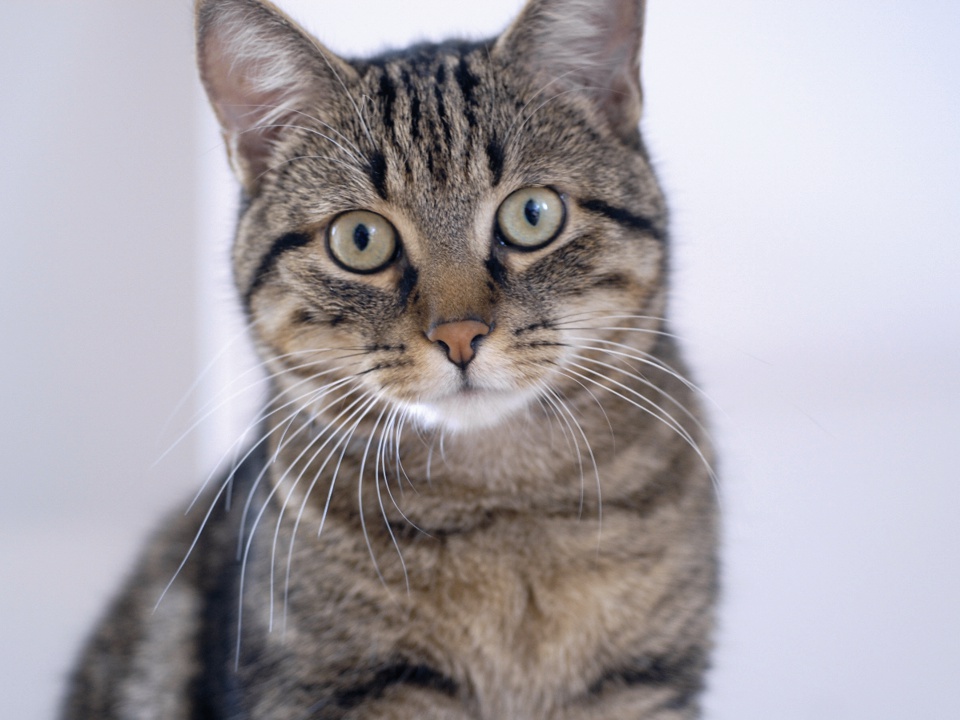
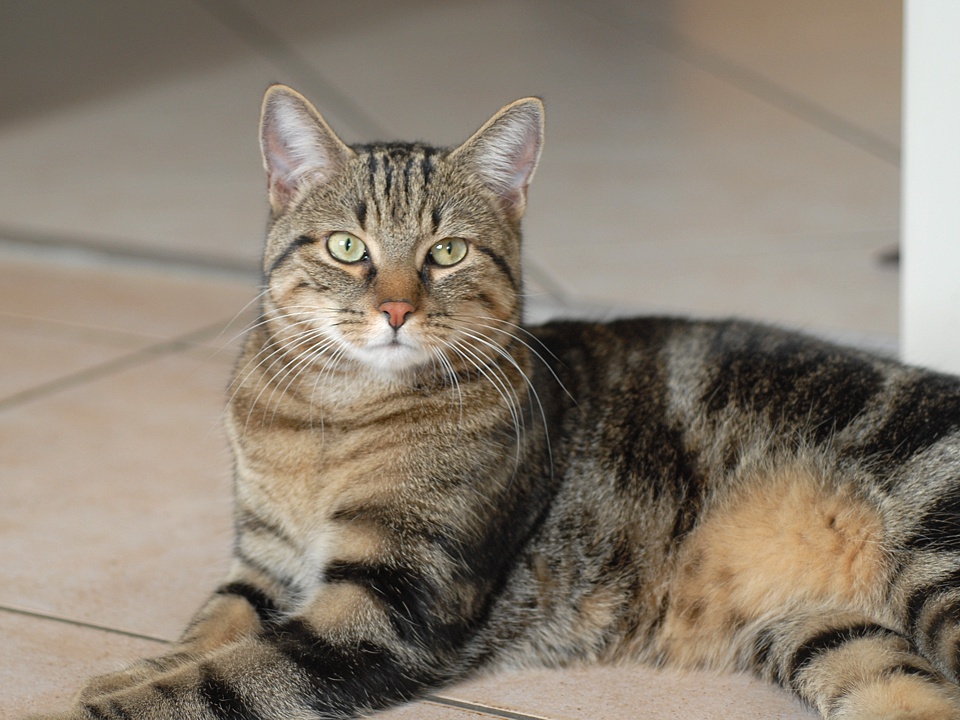
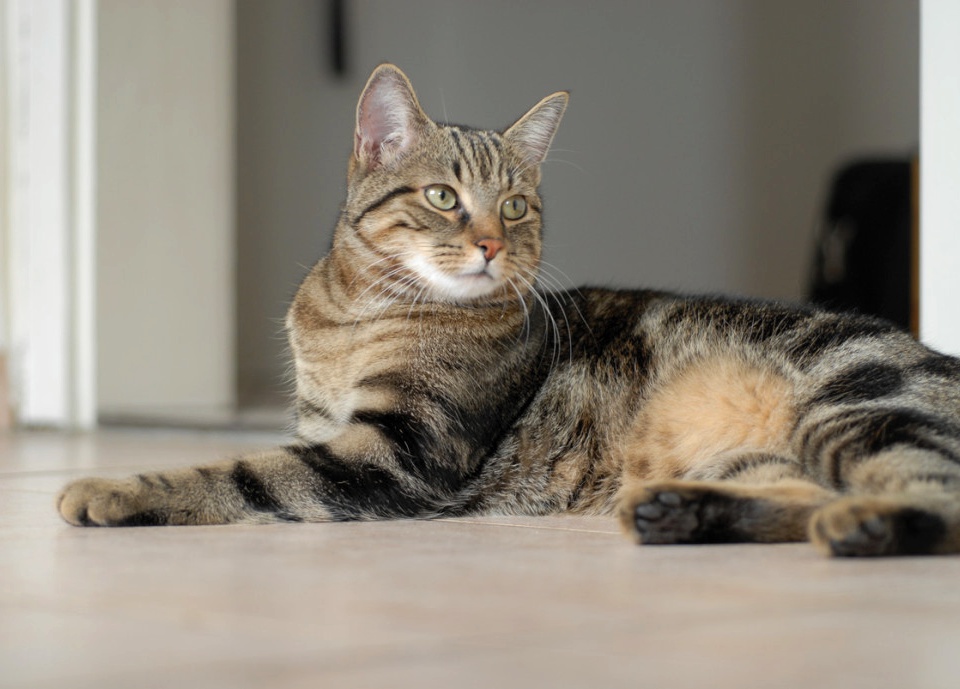
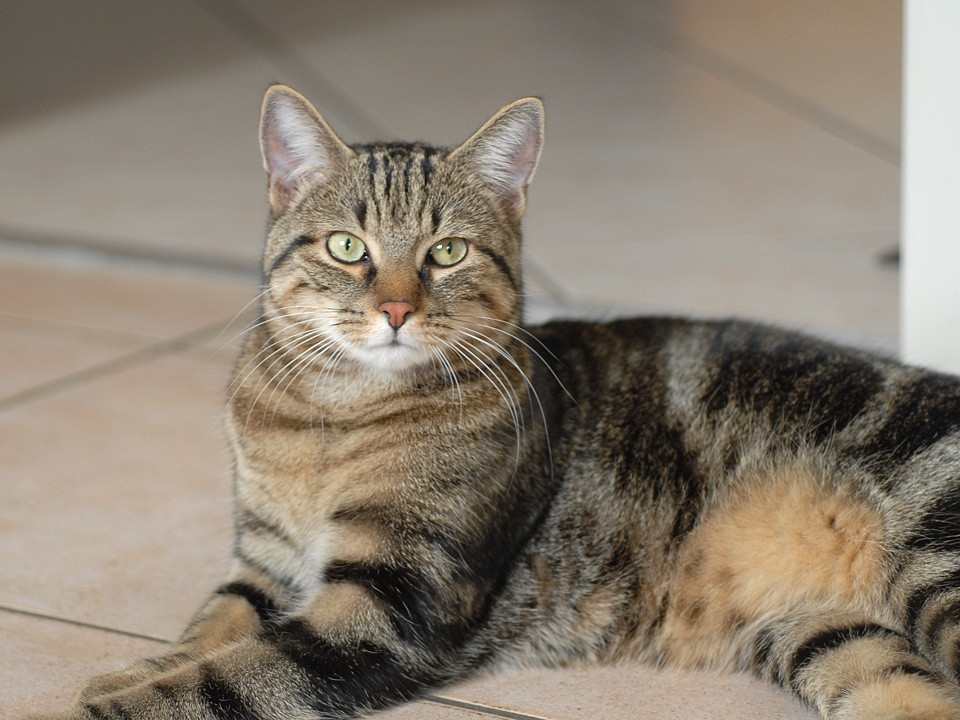
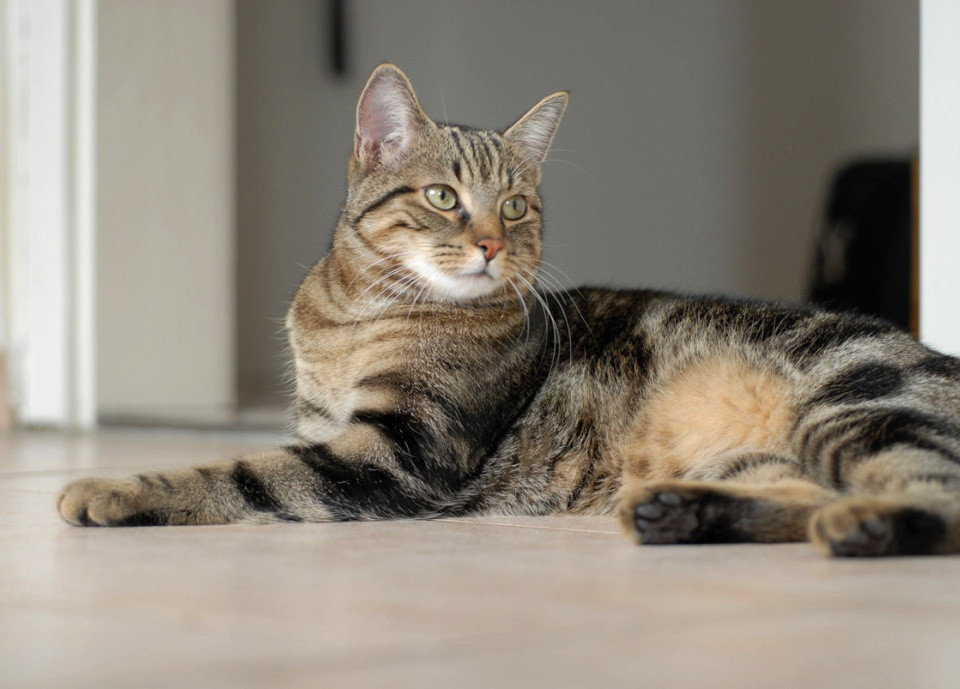
Европейская короткошерстная кошка - это кошка с крепким и мускулистым телом немалого размера.
Европейскую короткошерстную сравнивают с обычной домашней кошкой, которая развивалась в естественных природных условиях, где не были использованы определенные правила селекции. К европейской породе не разрешается прилитие кровей иных пород, так как целью является сохранение естественного вида животного.
Отличительная особенность породы Кельтская кошка (Европейская короткошерстная)
Голова достаточно большая, в длину больше, чем в ширину, но визуально выглядит округлой.
Лоб, череп округленные.
Щеки хорошо развиты.
Нос средней длины, равный по ширине от основания до мочки носа. Прямой. В профиль заметен переход.
Подбородок сильный.
Уши средние по размеру, их кончики закруглены, могут быть кисточки. Высота уха равна ширине его основания. Поставлены на достаточном расстоянии друг от друга, постав прямой.
Глаза открытые, округлые, поставлены широко и немного под углом. Цвет глаз ясный, чистый, может быть зеленый, янтарный, голубой. Допустимы глаза разного цвета ( один голубой, другой янтарный).
Шея мускулистая, средней длины.
Тело мускулистое, крепкое, но не кобби-типа.
Грудная клетка округлая, хорошо развита.
Конечности сильные, средней длины, сужаются к сильным, круглым лапкам.
Хвост по длине средний, достаточно толстый у основания, сужается к кончику, конец закруглён.
Шерсть короткая, густая, блестящая.
Большинство окрасов признано, за исключением шоколадного, лилового, циннамона, фавна и их любые вариации с белым и тэбби.
Характером движений схожи с собаками. Активные животные.
Характер
Кошки европейской короткошерстной породы имеют достаточно спокойный характер. Выращенные в естественных условиях, они здоровы как физически, так и психически.
Европейская кошка нежна и ненавязчива, предана хозяину. Легко адаптируется к условиям проживания (проживание в квартире или в загородном доме с доступом на улицу).
Несмотря на покладистый характер, европейская короткошерстная кошка несколько независима. Не отказывается европейская кошка и от игр, к тому же, охотничьи инстинкты у нее развиты отлично.
Сочетая в себе ласку и нежность, игривость и дружелюбие, это животное вполне подойдет для семьи с маленьким ребенком.
Содержание и уход
В уходе кельты неприхотливы. Шерсть не требует постоянного расчесывания, достаточно одного раза в неделю. Более частому расчесыванию животное подвергают лишь в период линьки.
Продолжительность жизни зависит от условий проживания. Животное, содержащееся в квартире ( не имеющее доступ на улицу) может дожить до 22 лет, тогда как животные, проводящие много времени на улице, доживают до 12.
Достоинства
Европейская кошка умна, тиха и не требует постоянного ухода.
Сложность содержания
Охотничьи инстинкты развиты отлично, поэтому имеющиеся дома мелкие грызуны или птички быстро станут добычей кошки.
Болезни
Кельтская порода обладает высоким иммунитетом, генетических заболеваний не выявлено.