История возникновения
Родиной британской породы являются Британские острова. Название породы говорит само за себя.
Первые кошки, похожие внешне на британцев, появились на территории Британии несколько веков назад и сразу привлекли к себе внимание людей. Считается, что эти животные попали на острова благодаря римлянам еще в I веке нашей эры.
Британцы поразили своей шерстью, несколько надменным и горделивым характером. К тому же, эти животные отличались своим крепким здоровьем, выносливостью. В некоторых источниках описывалось, что британцы даже служили на кораблях.
Племенным разведением британцев стали заниматься в конце ХIХ века. На самой первой выставке кошек, которая проходила в Лондоне в 1871 году, британцы предстали во всей красе. Через 20 лет интерес к британской короткошерстной несколько угас из-за появления персидских кошек и иных представителей с длинной шерстью. Долгое время разведение британской короткошерстной находилось в вялотекущем состоянии, однако именно в тот период произошли первые скрещивания британской короткошерстной с персидскими кошками ( что привело в дальнейшем к образованию длинношерстной вариации британской породы). При этом британцы с длинной шерстью были использованы для племенной программы персидской породы.
Вторая Мировая Война внесла свои коррективы в программу селекционеров, поголовье животных резко уменьшилось. Лишь после окончания Войны работа была продолжена, нов племенной программе были задействованы уже схожие с британцами животные из стран Европы, так как оставшегося в Британии поголовья не хватало.
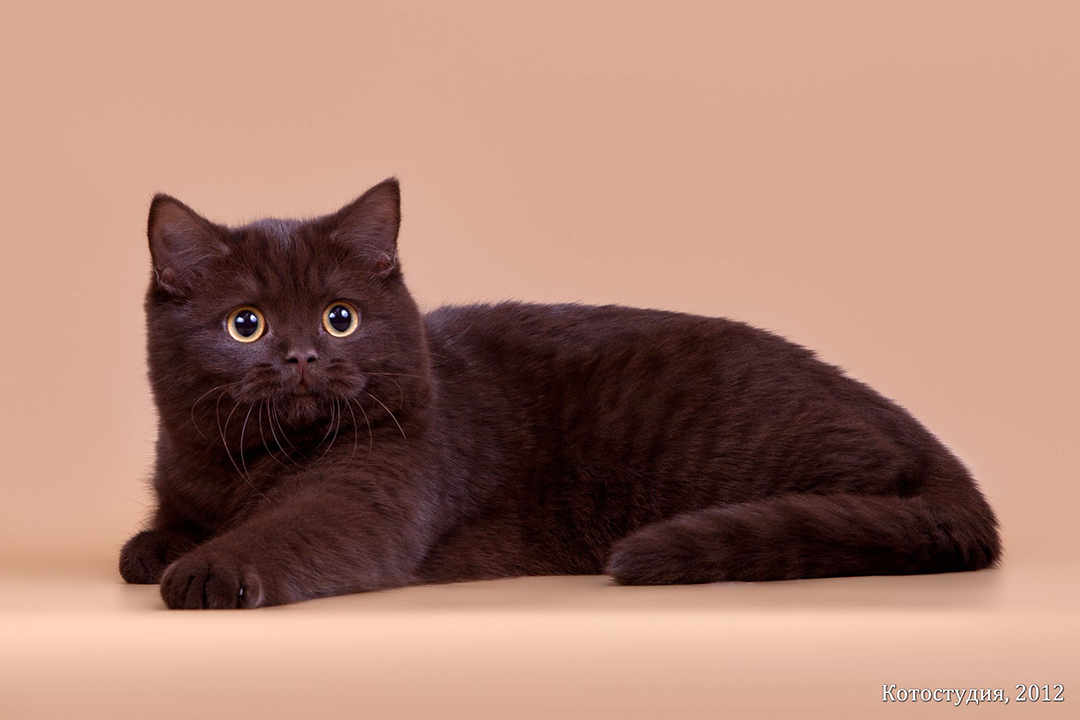
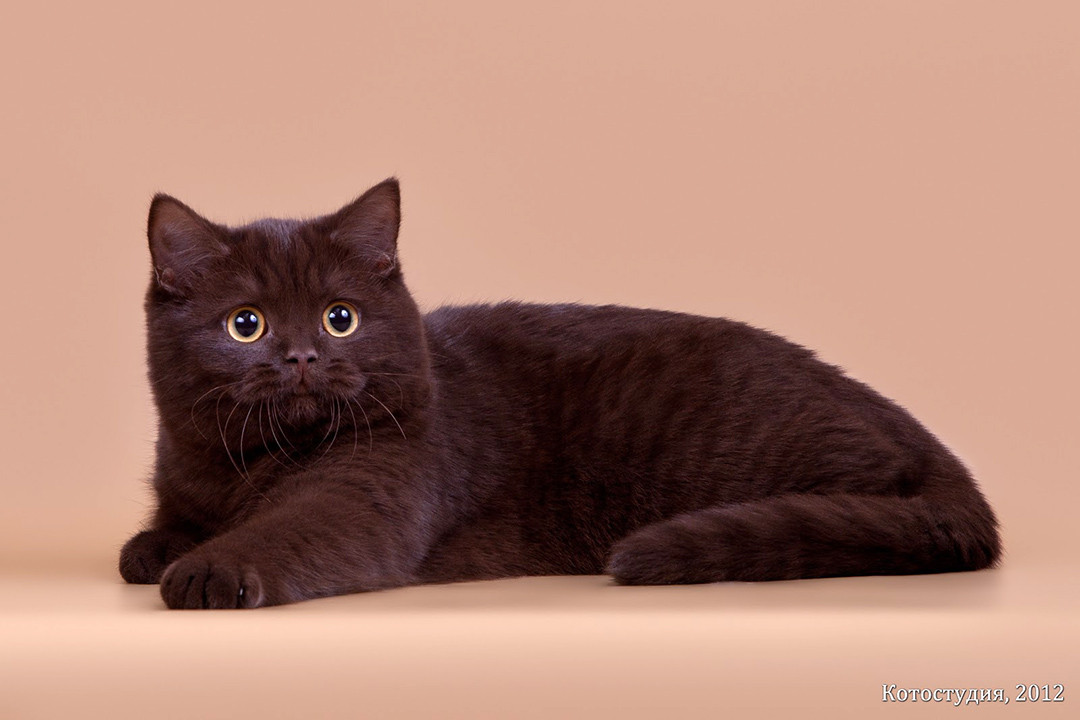
Британцы имеют свою "изюминку" - плюшевую шерсть. Изначально голубой окрас считался стандартным. Благодаря годам работ селекционеров цветовая гамма окрасов увеличивается, и ныне можно встретить более 100 вариантов окраса шерсти британца.
По сей день британская порода остается самой популярной у себя на родине - в Англии. Она признана всеми фелинологическими организациями, хотя в стандартах могут быть отличия (например, в размере ушей, длине хвоста, даже в типе строения тела!)
Общий вид
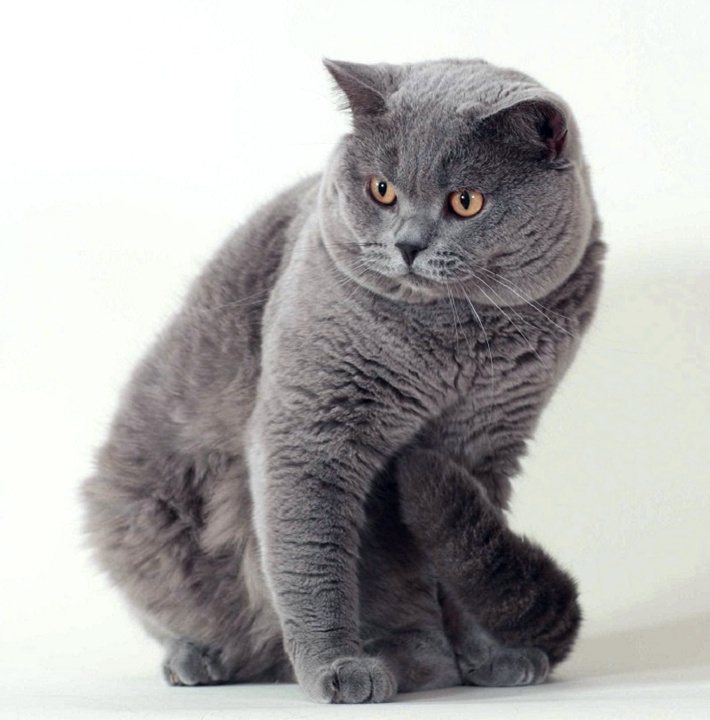
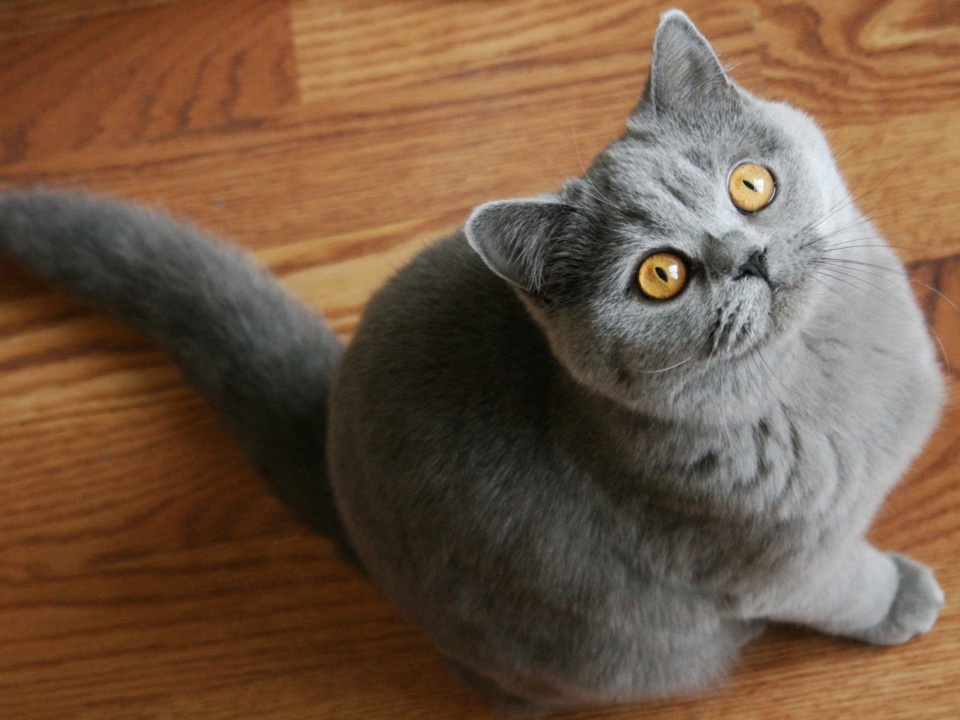
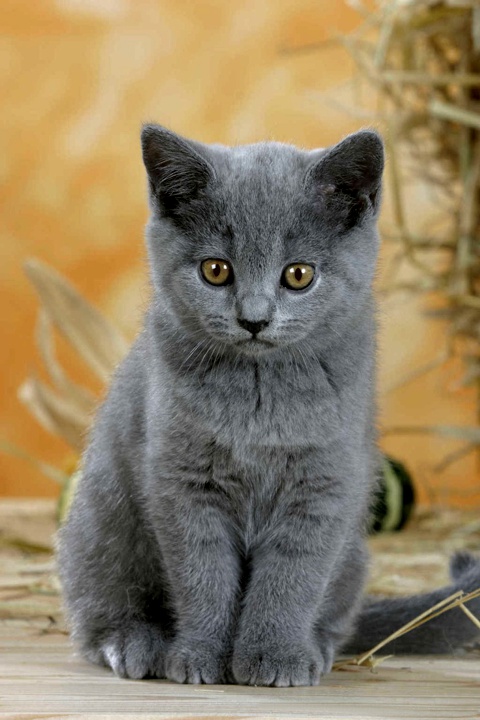
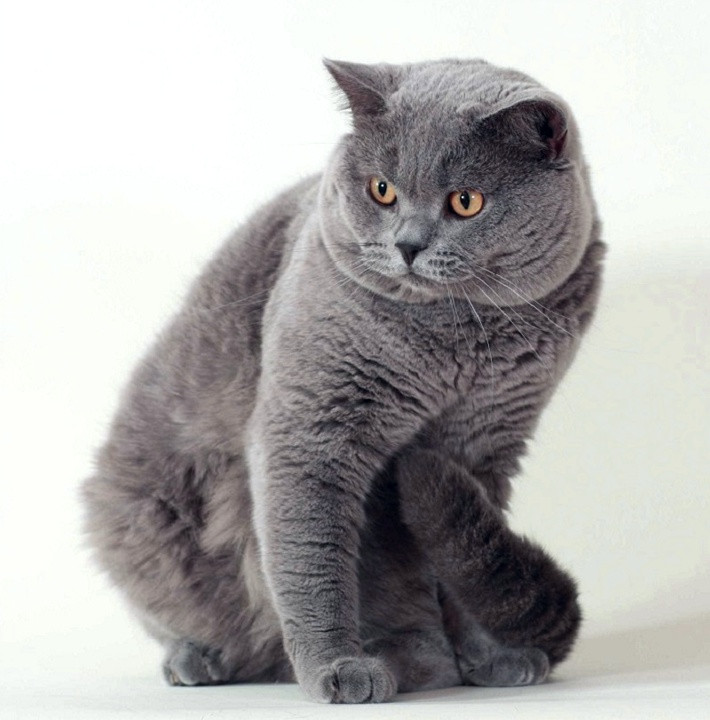
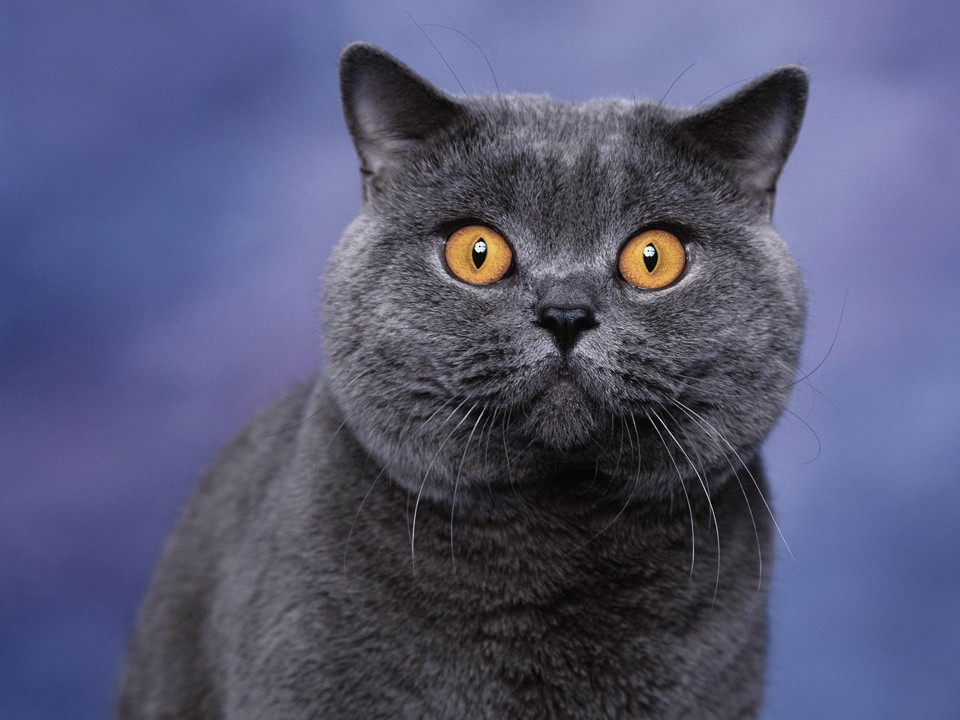
Британская кошка представляет собой животное кобби-типа с мощным телом, короткими крепкими конечностями, толстым у основания хвостом. Коты заметно крупнее кошек.
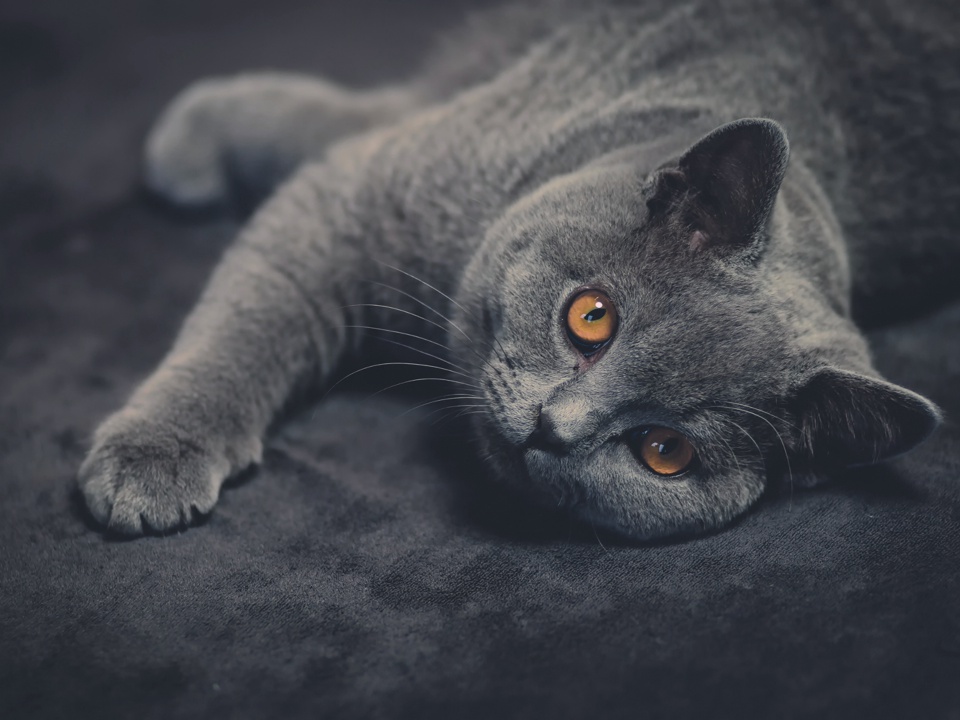
Главное отличие британских кошек от других пород - ее шерсть, что особенно заметно в голубом окрасе. Однако у животных иного окраса шерсть по текстуре может быть мягче.
Недостатками британской породы считаются: излишне выраженный "стоп", растянутое облегченное тело, аномалии хвоста, ватная шерсть, белые пятна и медальоны и иные, перечисленные в списках пороков и недостатков британца.
Отличительная особенность породы Британская короткошерстная кошка
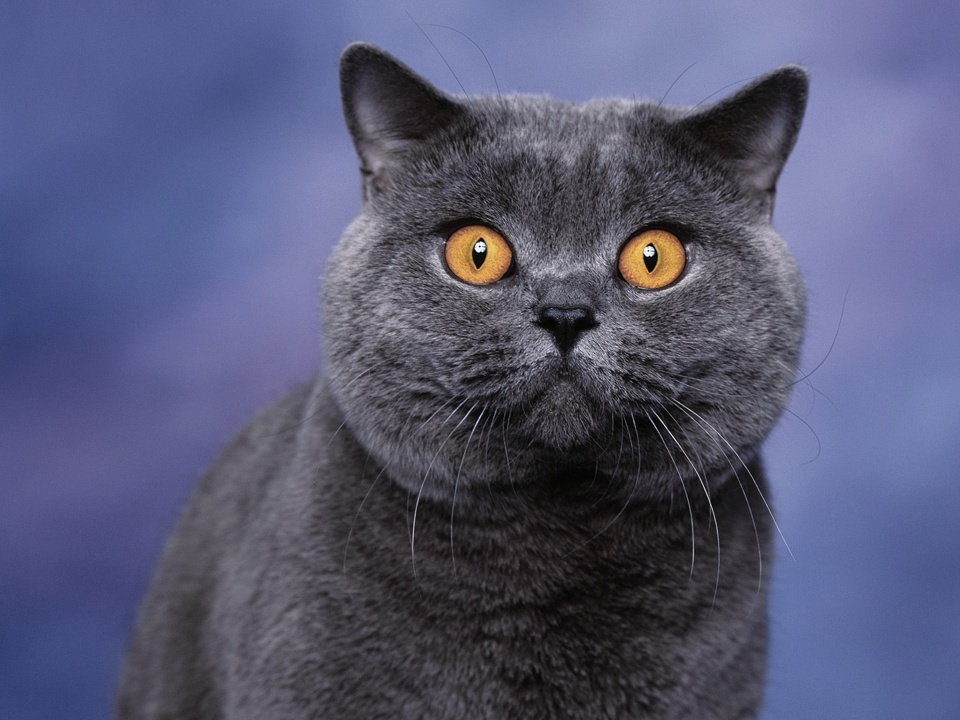
Голова круглая, массивная, широкая.
Шея короткая, сильная.
Подбородок сильный.
Нос прямой, широкий и короткий.
В профиль заметен изгиб при переходе от носа ко лбу, но без намека на "стоп".
Щеки выраженные, наполненные. Большие и четко выраженные подусники придают очертание короткой мордочке.
Уши по размеру средние, в основании широкие, широкого постава. Кончики ушей слегка округлены.
Глаза большие, круглые. Поставлены широко. Цвет соответствует окрасу шерсти.
Тело от среднего до крупного размера, очень мускулистое, кобби-типа. Ровное от лопаток до таза.
Плечи, грудная клетка и спина широкие и массивные.
Конечности короткие, мускулистые.
Лапы круглые, толстые.
Хвост средней длины, достает до плеч. Толстый. Кончик хвоста округлый.
Шерсть очень плотная, короткая и двойная. Не прилегает. Отстает от тела как плюш благодаря подшерстку. По текстуре шерсть не должна быть ватной, она должна быть "хрустящей".
На ощупь шерсть британцев очень приятная, не зря эту породу называют плюшевыми мишками.
WCF признает все окрасы, в том числе сиамский окрас (без белого).
Вес котов — 4 - 8 кг.
Вес кошек - 3 - 5,5 кг.
Характер
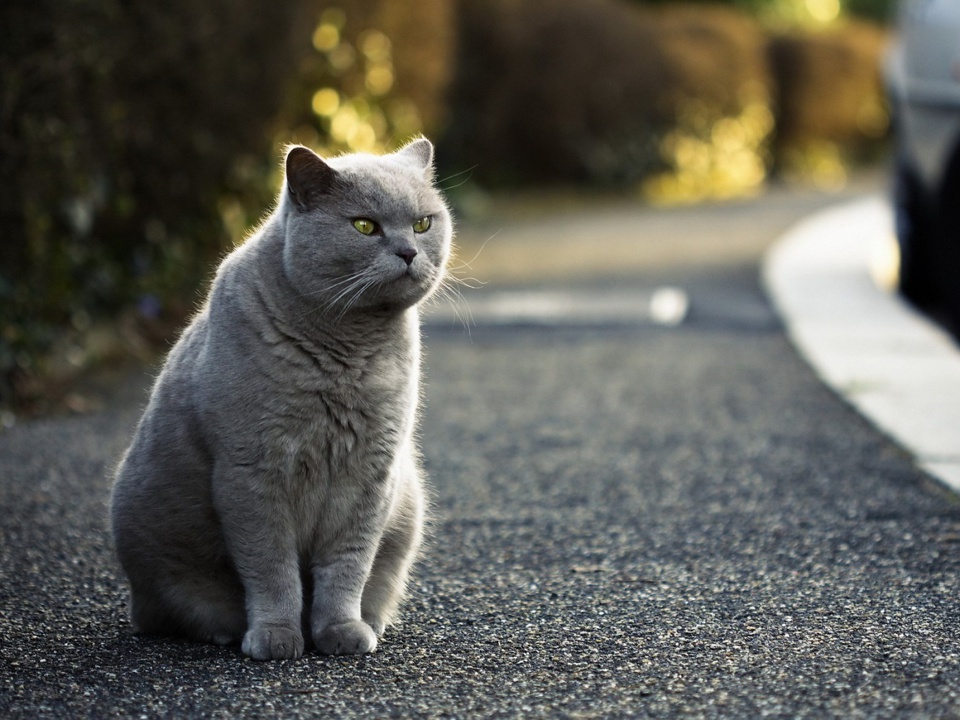
Безумно великолепные британцы имеют весьма дружелюбный характер. Однако британца нельзя назвать чрезмерно любвеобильным. При первом знакомстве животное может быть несколько неприветливым.
Достаточно независимое животное, поэтому не стоит быть удивленным, если кот или кошка сами выберут себе время, когда нежится в объятиях хозяина и с ним общаться.
Британская порода не является настолько ленивой, как считают некоторые. При этом заставить британца лежать на коленях у хозяина практически невозможно. Не любят британцы и объятий без их желания.
Британец спокойно переживет отсутствие хозяина дома, найдя себе развлечение: шнурочки, мячики и прочее, что он заметит перед собой.
Эти животные могут обижаться и проявлять характер. Они не любят, когда их ругают или срывают на них свой накопившийся за день негатив. И если британец обидится, то обижаться он может долго.
Несмотря на определенные черты своего аристократического "плюшевого" характера, британцы могут проявлять и ласку, и нежность. К детям относятся спокойно.
Содержание и уход
Британские кошки не требуют особого ухода.
Шерсть достаточно расчесывать раз в неделю, только во время линьки требуется более тщательный уход за шерстью. Не исключается и купание животного в период линьки. В остальных случаях купание едва ли необходимо, так как британские кошки очень чистоплотны.
Остальные гигиенические процедуры (чистка ушей, глаз, полости рта) проводятся по мере необходимости.
Учитывая популярность породы, некоторые производители кормов предлагают специальные породные линейки. Тем не менее, нельзя не отметить тот факт, что британцы - любители покушать, поэтому кормить их рекомендуют порционно и в определенные часы. Допустимо предлагать британской кошке натуральные продукты, однако не рекомендуется в качестве пищи курица и печень.
Продолжительность жизни — до 20 лет.
Достоинства
Легкий уход за шерстью (как за короткой, так и за длинной).
Спокойно реагирует на отсутствие хозяина.
Сложность содержания
Имеют склонность к перееданию.
Болезни
Британская порода считается достаточно крепкой с точки зрения здоровья. Но есть определенные особенности, присущие этой породе.
В популяции британцев имеется два типа крови - А и В. При вязке кота с группой крови типа А и кошки с группой крови типа В велика вероятность того, что котята, получившие группу крови типа А, погибнут. Обусловлено это тем, что кошка-мать (имеющая группу типа В) передает котятам антитела, которые, в свою очередь, убивают кровяные клетки малыша. Сейчас существуют специальные ДНК-тесты, позволяющие выявить группу крови.
Британцы могут страдать гипертрофической кардиомиопатией, которая проявляется во взрослом возрасте. В связи с этим рекомендуется проводить периодическое УЗИ сердца.
Британские кошки склонны к ожирению. Но не следует отвисший животик (курдючок) путать с ожирением. Отвисший живот не является аномалией.


Интересный кот