История возникновения
Порода кошки «бомбей» не имеет ничего общего с индийским городом, который носил название Бомбей и был переименован в Мумбаи. Порода была выведена путем скрещивания бурманской кошки с американским короткошёрстным котом черного окраса. В Америке. Целью выведение стало желание заводчиков получить маленькую пантеру.
Родина: США, штат Кентукки. Заводчик Никки Хорнер.
Годы создания и регистрации: 1950-е; 1958 - официальная регистрация.
Порода была признана впервые в CFA (1976), следом в TICA (1979).
На данный момент породу бомбей не признает FIFe, а в GCCF она входит в азиатскую группу, как азиатская кошка черного солидного окраса.
Общий вид
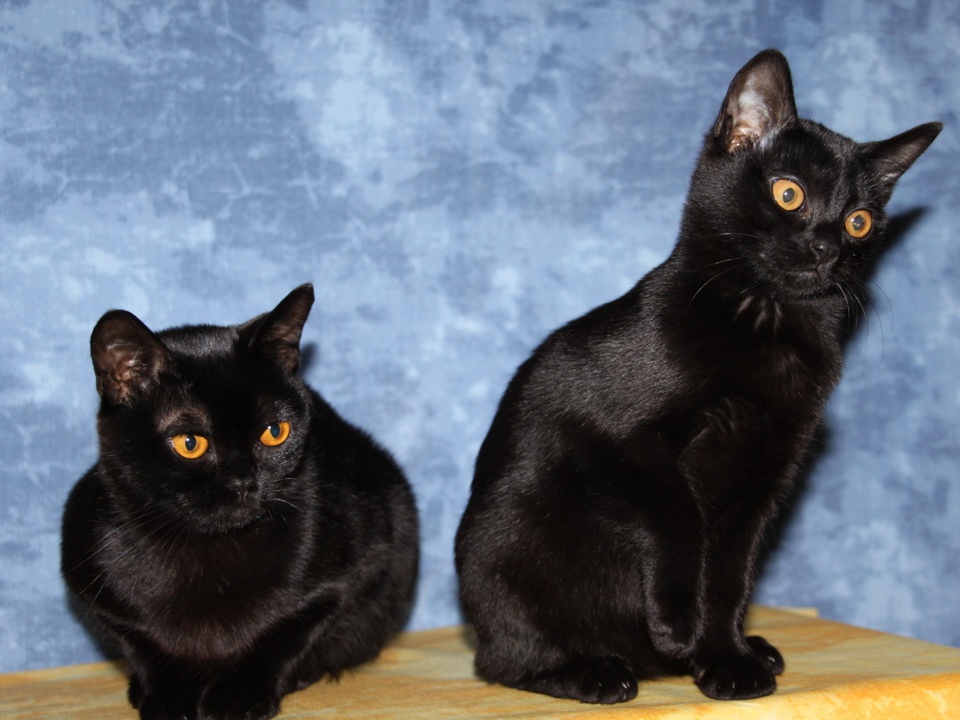
Бомбейская кошка по сути близка к бурманской породе по экстерьеру. Основным отличием можно назвать черный окрас бомбейской кошки.
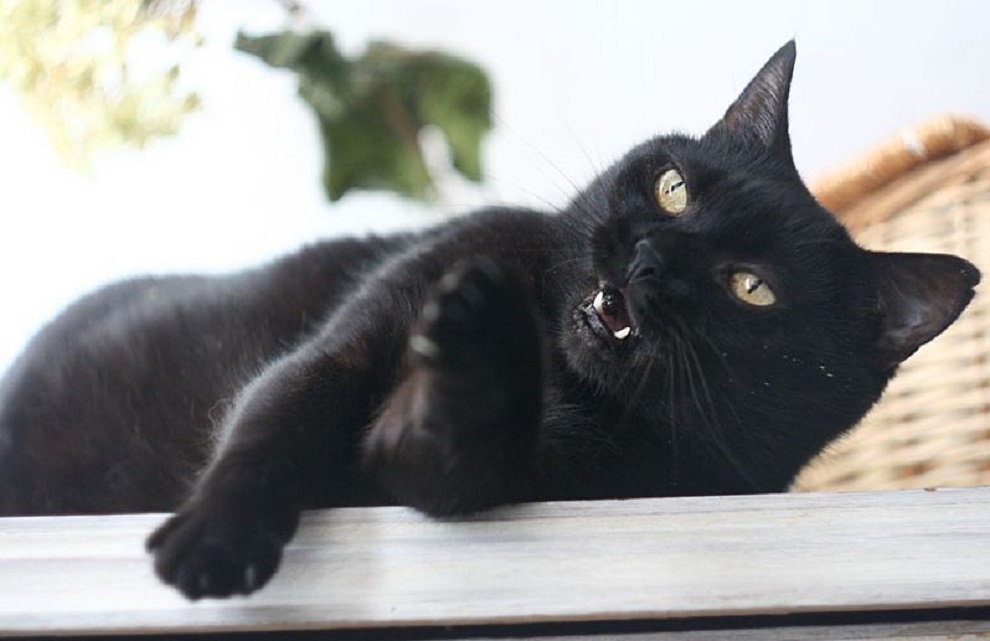
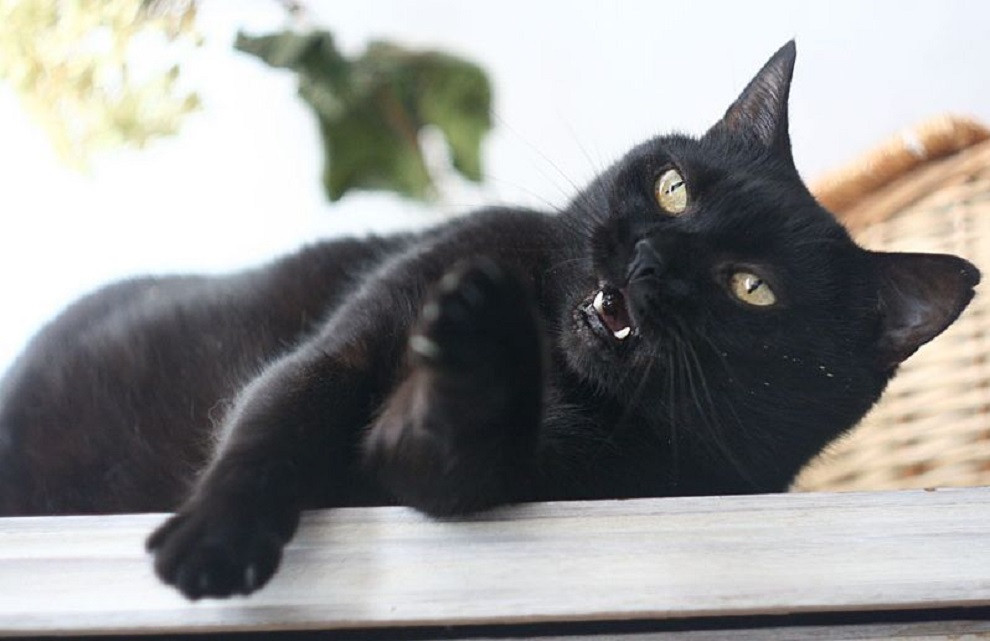
Шерсть бомбеев блестящая и шелковистая, прилегает плотно ввиду небольшого количества подшерстка.
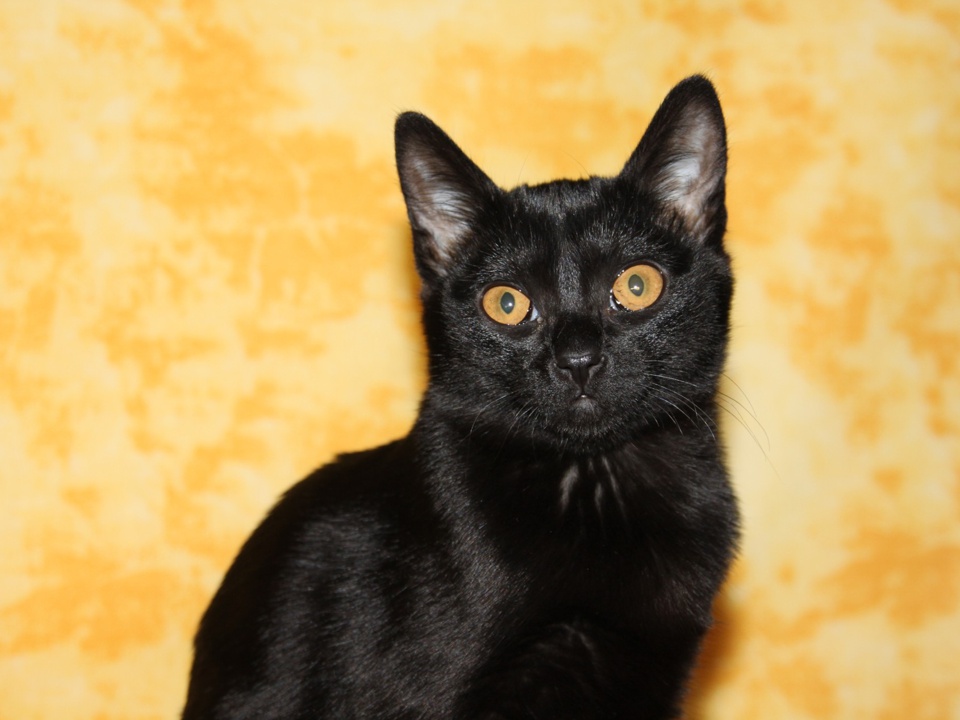
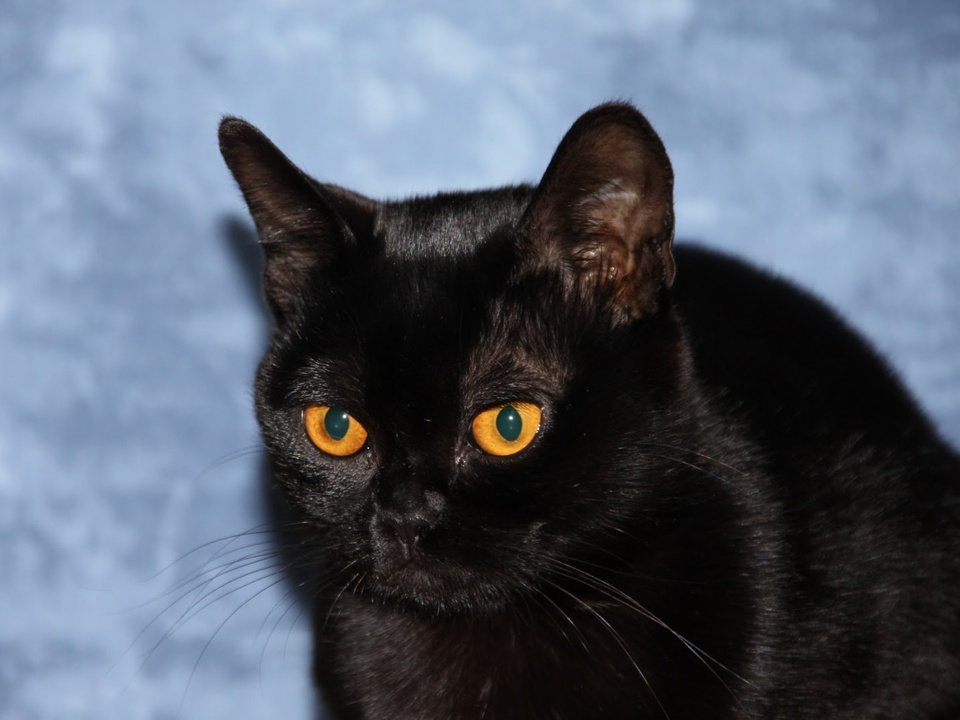
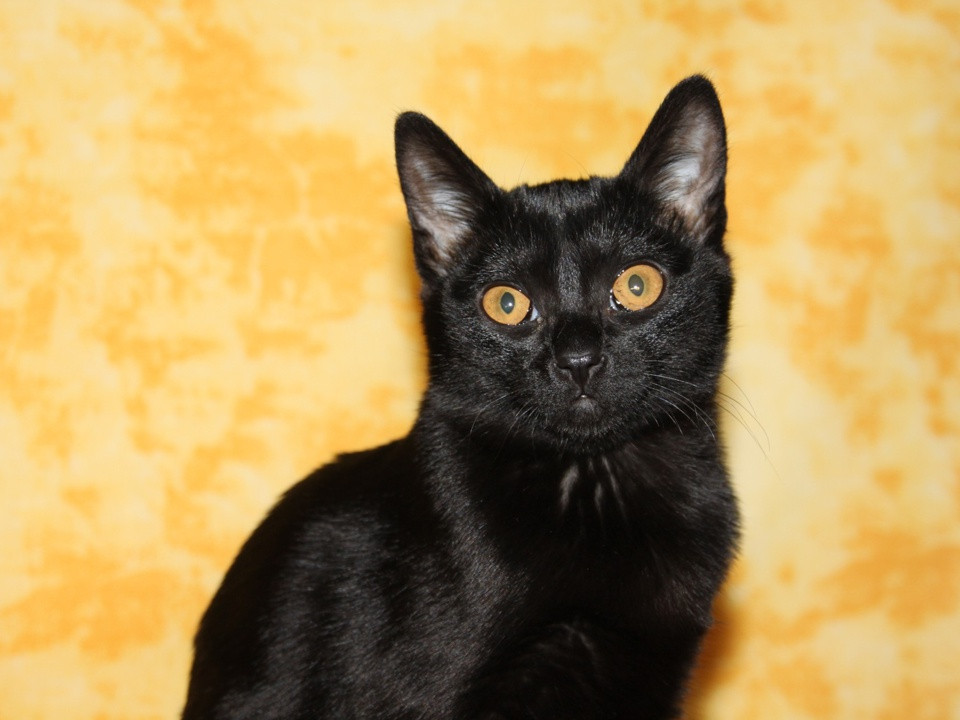
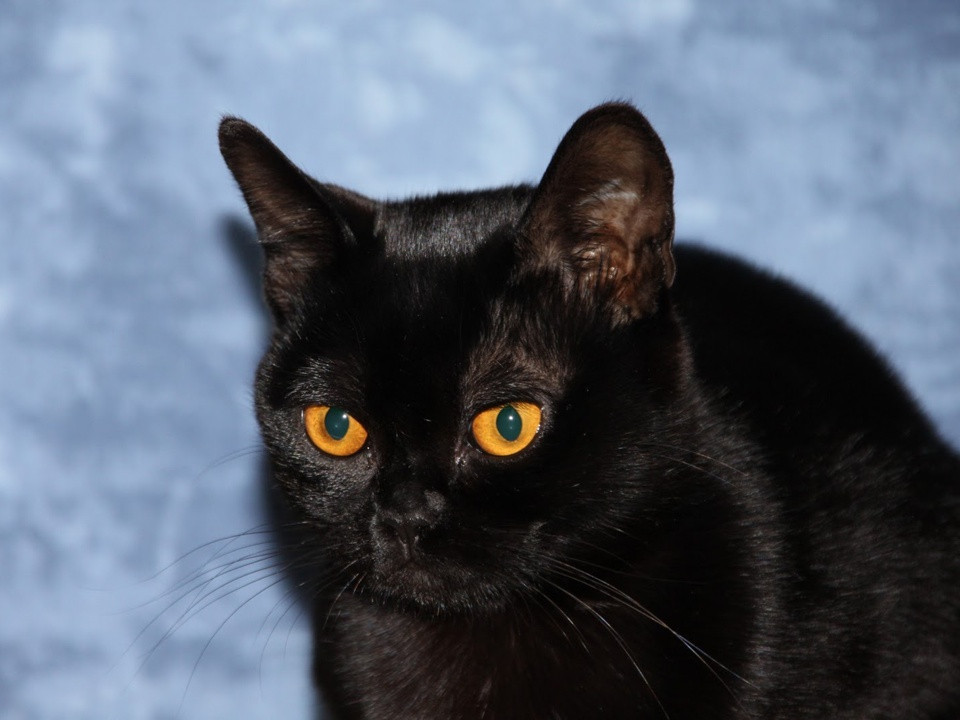
На фоне черной блестящей шерсти выделяются круглые глаза насыщенного янтарного цвета.
Отличительная особенность породы Бомбейская кошка
Голова короткая и широкая, округлая. Не должно быть визуальной угловатости.
В профиль заметен явный переход от носа ко лбу.
Подбородок и нижняя челюсть сильные.
Уши имеют средний размер, слегка наклонены вперед. В основании широкие, кончики округлые. Поставлены на достаточном расстоянии друг от друга.
Глаза большие и круглые, поставленные очень широко. Цвет глаз варьируется от золотистого до темно-оранжевого, темно-оранжевый предпочтительнее.
Тело мускулистое, средних размеров. Не должно быть удлиненным или грубым, крупным и излишне тяжелым.
Конечности средней длины,
лапки округлые.
Хвост средней длины и прямой, кончик округлый.
Шерсть бомбея должна быть очень короткой, тонкой. Текстура шерсти шелковистая. Шерсть прилегает плотно к телу.
От корня до кончика волос должен быть равномерно окрашен в черный цвет.
В движениях бомбея присутствует некая хищность.
Вес котов - 5-7 кг, вес кошек - 3,5 - 5,5 кг.
Коты могут быть крупнее кошек.
Характер
Бомбей сочетает в себе беззаботную натуру американской короткошерстной породы и любознательность и социализованность бурмы. Бомбеи полны энтузиазма, любят компании, а также внимание хозяев.
Бомбеи добродушны и с любовью относятся к детям, а также к другим домашним животным. Они готовы разделить игры детей или домашних питомцев, не прочь полежать на коленях у хозяина, пока тот смотрит телевизор. Бомбеи, как и бурмы, не любят подолгу оставаться в одиночестве.
Обладают мягким голосом, могут вступать с хозяином в "нежные перемуркивания".
Содержание и уход
Бомбеи - обладатели короткой шерсти, поэтому не требуют постоянного ухода. Периодические купания помогут поддержать отличное состояние шерсти, а вычесывание резиновой щеткой волосков освободит от уже отмерших.
Бомбеи линяют редко. А для поддержания красоты их шерсти можно использовать замшевую тряпочку.
Продолжительность жизни — 16-18 лет.
Достоинства
Легко уживается с другими домашними животными, дружелюбна к детям, обладает спокойным нравом, при этом в меру игрива.
Не доставляет проблем с уходом за шерстью, так как линяет мало.
Сложность содержания
С точки зрения разведения есть определенные недостатки, которые могут исключить дальнейшее использование животного в племенной программе, а именно: белые пятна или медальоны, зеленый цвет глаз, излишне выраженный "стоп", слишком выпуклые глаза.
Болезни
Ввиду наличия "стопа" некоторые бомбеи могут иметь затрудненное дыхание.
Имеют склонность к генетическому заболеванию, выражающемуся в недостатке калия в крови.
На данный момент имеются необходимые тесты для раннего выявления наследственных болезней.


Обычная дворовая кошка, ничего необычного.