История возникновения
Аляскинский маламут - одна из старейших прод арктических ездовых собак. Своим названием они обязаны аляскинскому племени малемут, селившемуся по берегам пролива Кацебу в западной части Аляски (Северная Америка). Слово "маламут" происходит от названия племени ("мале") и слова "деревня" ("мут" - на диалекте маламутов). Маламуты были миролюбивым, жизнерадостным и трудолюбивым племенем. Собаки их, хорошо ухоженные, мощные, обладали густой шерстью с обильным густым подшерстком, острыми стоячими ушами, великолепными пушистыми хвостами. Это, прежде всего, были упряжные, тягловые собаки. Золотая лихорадка, охватившая Аляску во втором десятилетии прошлого века, обеспечила большой спрос на маламутов. После спада Золотой лихорадки маламутов стали применять для участия в гонках на упряжках, и в 1926 году началось чистопородное разведение маламутов.
Общий вид
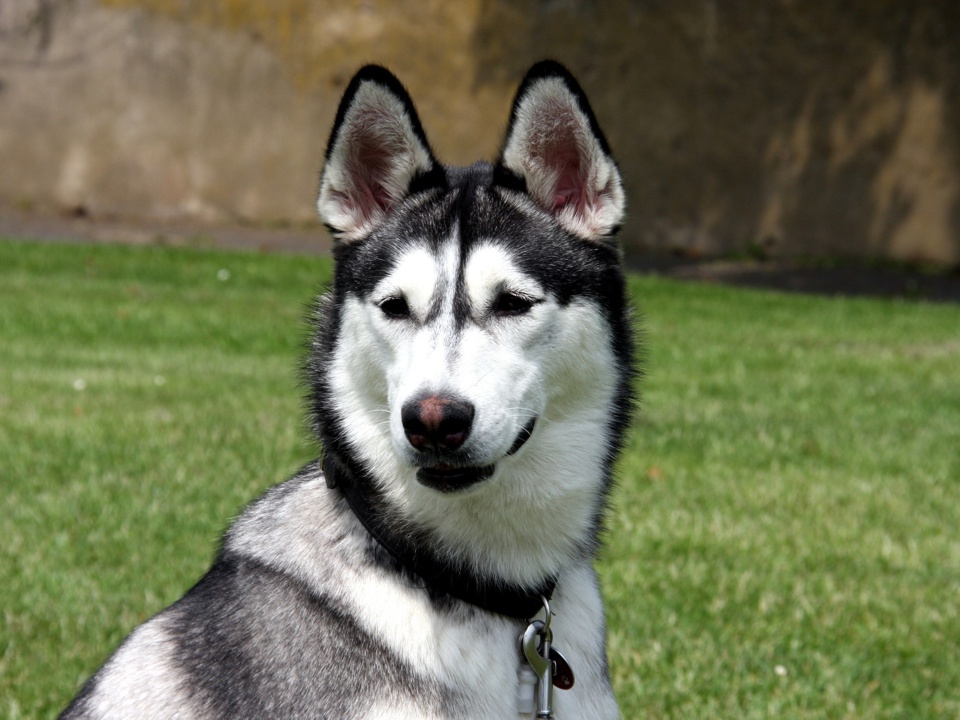
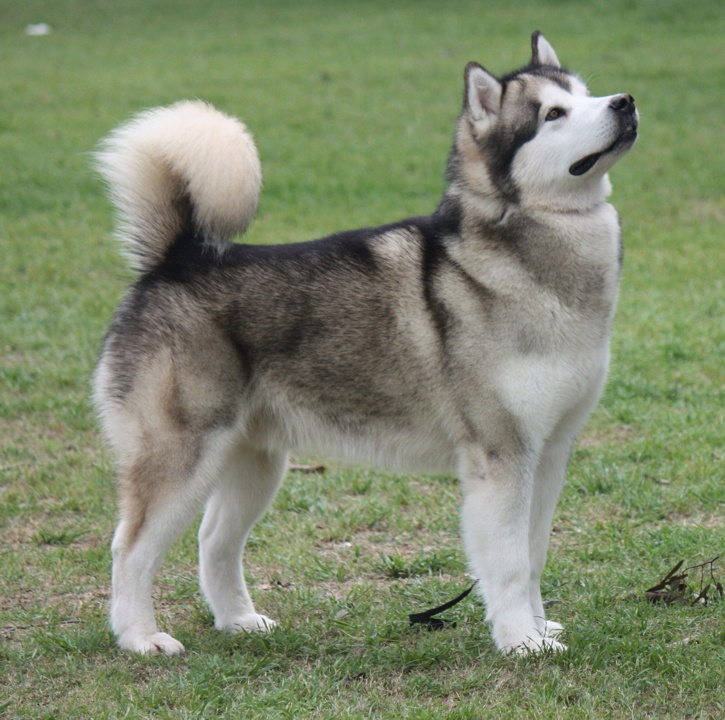
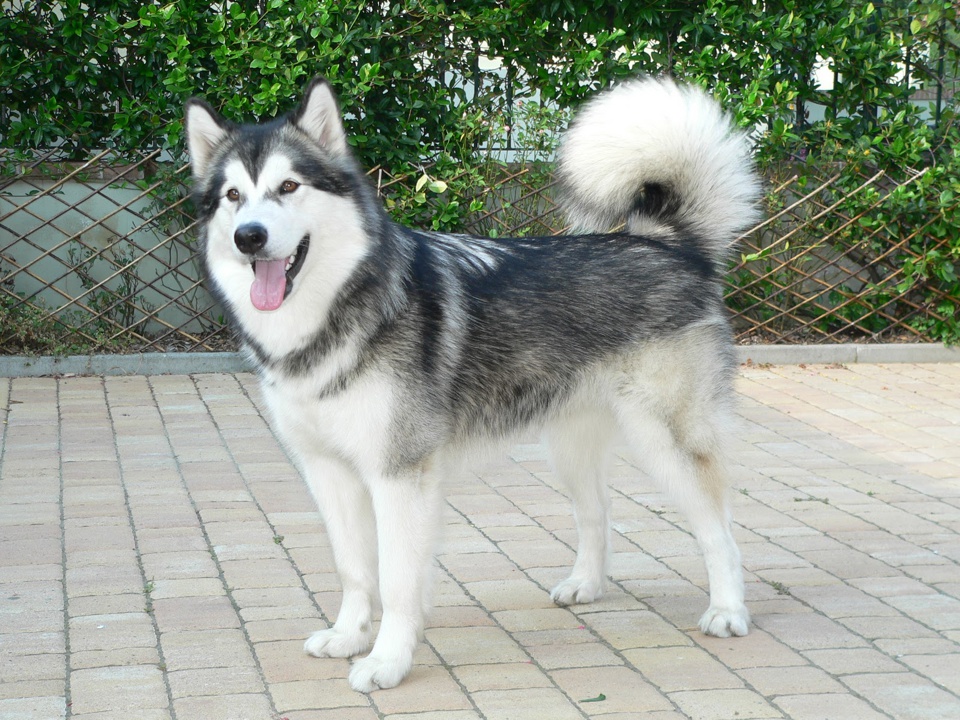
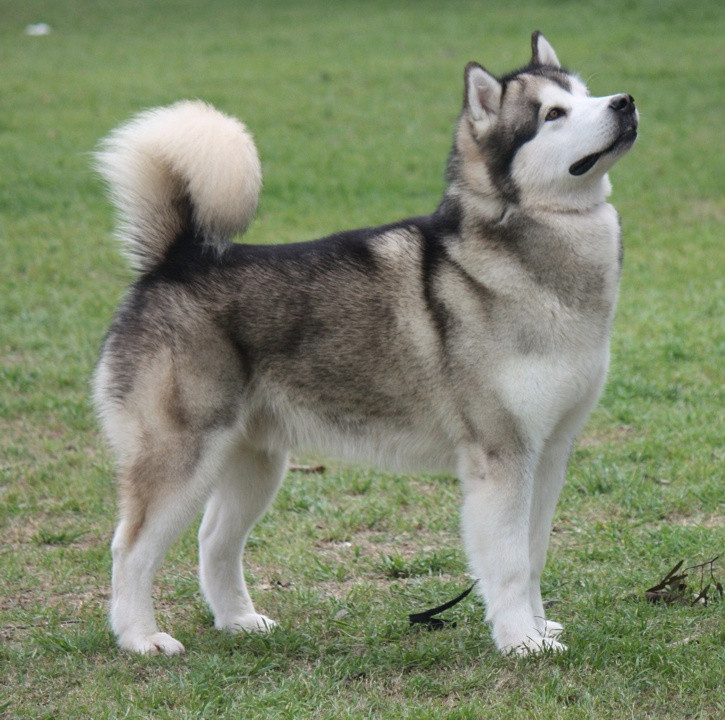
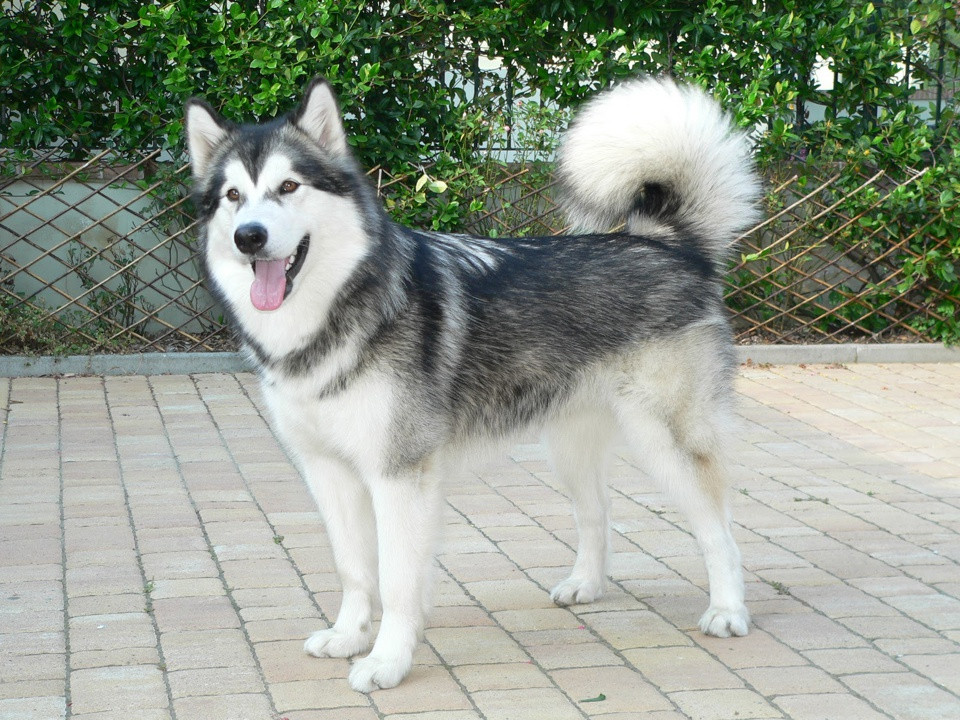
Аляскинский маламут – очень сильная и крепкого сложения собака с глубокой грудью и сильным, мускулистым корпусом. Маламут прочно стоит на ногах и производит впечатление очень активной собаки, в его глазах виден живой интерес и любопытство. Голова широкая. Уши треугольной формы стоят прямо. Морда объемная, только слегка сужающаяся от основания к носу, не заостренная, не длинная, не «обрубленная». Шерстный покров толстый, с грубым остевым волосом достаточной длины для защиты пушистого подшерстка. Маламуты бывают различных окрасов. Отличительная черта – специфические отметины на голове: шапочка на макушке, морда либо вся белая, либо с полосой и (или) маской. Хорошо опушенный хвост, поднятый над спиной, производит впечатление развевающегося плюмажа. У маламута должен быть крепкий костяк, сильные ноги, хорошие лапы, глубокая грудь, мощные плечи и все другие физические данные, необходимые для эффективной работы. Рысь должна быть ровной, сбалансированной, неутомимой и абсолютно продуктивной. Маламут не предназначен для участия в соревнованиях ездовых собак на скорость. Эти собаки созданы, чтобы проявлять силу и выносливость, поэтому любые характеристики собаки, включая темперамент, которые препятствуют предназначению собаки, должны рассматриваться как крайне серьезные недостатки.
Отличительная особенность породы Аляскинский маламут
Череп широкий и умеренно округлый между ушами, сверху постепенно сужающийся и уплощающийся к глазам, округло переходящий в скулы. Между глазами – чуть выраженная борозда. Верхняя линия черепа и морды - с небольшим отклонением от прямой линии вниз в месте их соединения. Переход от лба к морде незначительный.
Нос черный. Коричневая мочка разрешена у собак красноватых оттунков. Осветленный с полосками «зимний» нос допустим.
Морда крупная и объемная по отношению к черепу, уменьшается немного в ширину и в глубину от перехода к морде до носа.
Губы плотно прилегающие.
Зубы широкие с крупными зубами. Резцы сомкнуты вножницеобразном прикусе. Недокус и перекус – недостаток.
Скулы умеренно плоские.
Глаза косопосаженные, карие, миндалевидные, среднего размера. Выражение глаз энергичное, дружелюбное, заинтересованное и даже озорное.
Уши среднего размера, но маленькие по отношению к размеру головы. Треугольные по форме, слегка округлые на кончиках. Широко расставленные по бокам задней части черепа на уровне верхнего края глаз, и при настораживании кончики ушей направлены в стороны. Стоячие уши направлены немного вперед, но когда собака работает, уши часто заложены.
Шея сильная и умеренно изогнутая.
Корпус компактный, но не короткий. Тело не слишком массивное, костяк пропорционален размеру.
Спина прямая и слегка наклонная к крупу.
Поясница крепкая, с хорошей мускулатурой. Длинная поясница, означающая слабую спину, - недостаток.
Круп округлый, широкий, немного скошенный круп.
Грудь у собак этой породы чаще всего крепкая, глубокая, просторная, почти доходит до локтевых суставов.
Ребра хорошо развитые.
Живот незначительно подтянут.
Передние конечности с массивным костяком и мускулатурой, прямые до пястей при осмотре спереди. Лопатки умеренно наклонные. Пясти короткие и прочные, слегка наклонные при осмотре сбоку.
Задние конечности широкие. При осмотре сзади ноги стоят и движутся на одной линии с передними ногами, не слишком узко, не слишком широко. Прибылые пальца на задних ногах нежелательны и должны быть удалены вскоре после рождения щенков. Бедра очень мускулистые. Колени с умеренно выраженными углами. Скакательные суставы умеренно выражены, низкие над землей. Плюсны крепкие, отвесные. Лапы по типу «снегоступов», собранные и глубокие, с развитыми подушечками, дающие впечатление прочности и компактности. Лапы крупные, пальцы плотно сомкнутые и хорошо изогнутые. Между пальцами растет защитная шерсть. Подушки толстые и прочные, когти короткие и крепкие.
Хвост среднего выхода, в основании продолжает линию позвоночника. Держится над спиной, когда собака не работает. Не касается спины и не в кольце над спиной, а также не опушен на манер лисьего хвоста. Хвост маламута хорошо оброслый и развивается как плюмаж.
Шерстный покров толстый, грубый, никогда не длинный и не мягкий. Подшерсток плотный, от одного до двух дюймов глубиной (2,5-5 см прим.перев.), маслянистый и мягкий. Покровный волос варьируется по длине, так же как и подшерсток. Шерсть от короткой до средней вдоль боков по корпусу; в области плеч и шеи, вниз по спине, на крупе, на бедрах и хвосте длина ее увеличивается. Как правило, в летние месяцы у маламутов шерсть короче и менее густая. Маламутов демонстрируют в естественном виде. Тримминг не допускается, за исключением области лап, чтобы сделать их опрятными.
Окрас обычно варьируется от светло-серого через промежуточные оттенки до черного, соболиный, оттенки соболиного до красного. Сочетание окрасов допустимо в подшерстке, отметинах и на штанах. Единственный допустимый однотонный окрас – белый. Белый всегда доминирует внизу по корпусу, частично на ногах, лапах, и на морде. Белая проточина на лбу и/или ошейник или пятно на задней части шеи приемлемо и очень привлекательно. У маламута плащевой окрас, и пятна, разрывающие окрас по корпусу или неравномерное расположение пятен нежелательно.
Движения должны быть ровными, сбалансированными, и продуктивными. Он резв для своего размера и сложения. При осмотре со стороны, задние конечности демонстрируют хороший толчок, который передается через мускулистую поясницу передним конечностям. Передние конечности преобразуют энергию задних в плавный длинный шаг. При осмотре спереди или сзади ноги движутся вдоль линии, не слишком узко и не слишком широко. На ускоренной рыси лапы ставятся близко к центральной линии. Ходульные движения, или любые другие, препятствующие продуктивности и экономичности, должны штрафоваться.
Размер кобеля 63 см, суки - 58 см.
Вес кобеля 38 кг, суки - 34 кг.
Характер
Аляскинские маламуты очень энергичные собаки. Это нежные и любящие животные. Собаки этой породы отличаются независимым характером и своей преданностью. Хорошее отношение к людям и доверчивость мешает аляскинскому маламуту стать хорошей сторожевой собакой. Бывает так, что аляскинские маламуты отказываются повиноваться своим хозяевам. К счастью, известны случаи, когда отказ следовать приказу хозяина ездовых аляскинских маламутов спасала жизнь их владельцам. Таким образом, подобное свободомыслие не всегда бывает негативной чертой у собак этой породы. Но тем не менее в условиях города эти собаки обязательно должны быть управляемыми, иначе не стоит их скупсать с поводка, ведь они могут потеряться или попасть под машину. Аляскинские маламуты очень дружелюбные, несмотря на то, что они не очень любят совместное проживание с другими домашними животными, они позитивно отнесутся к появлению нового члена семьи. Щенки аляскинских маламутов значительно энергичнее взрослых собак. С возрастом аляскинские маламуты часто превращаются в размеренных и спокойных домашних животных, особенно когда они получают достаточное количество внимание и физической нагрузки. В молодом же возрасте они могут сильно попортить квартиру, пока хозяева на работе, поэтому в этот период проще в отсутствие хозяина содержать их в клетке.
Содержание и уход
Аляскинские маламуты обладатели густой шерсти, которая нуждается в регулярном уходе. Расчесывать этих собак нужно, по крайней мере, несколько раз в неделю. Так же следует следить за зубами, ушами и когтями собаки, подстригая или чистя их по мере необходимости. Линяют аляскинские маламуты два раза в год. В этот период у собаки клоками выпадает большое количество шерсти, но не стоит беспокоиться, это нормально. Для ускорения линьки можно давать собаке витамины с пивными дрожжами и ежедневно расчёсывать их шерсть фурминатором. Не стоит волноваться и о купании этих собак, один раз в два месяца можно использовать сухой шампунь. Однако, в целом эти собаки сами заботятся о чистоте своей шерсти - у здоровой собаки шерсть всегда чистая и не имеет запаха. Аляскинские маламуты очень энергичные собаки, нуждающиеся в большом количестве физической нагрузке. Так как это рабочие собаки, они должны напряженно трудиться и постоянно быть занятыми. Идеально когда у аляскинских маламутов есть возможность поиграть и погулять, по крайней мере, три часа в день. Важно держать аляскинских маламутов под постоянным контролем. Хотя это очень умные собаки нельзя полагаться на их самообладание, особенно в компании маленьких собак или других домашних животных. Очень желательно зимой заниматься с этими собаками ездовым сортом, летом подойдёт каникросс или байкджоринг, ну и в любое время года длительные прогулки.
Желательно пройти курс ОКД для обучения маламута.
Продолжительность жизни — 12-15 лет.
Достоинства
Красивая собака для людей с активным образом жизни.
Выносливы, мало болеют.
Сложность содержания
Не просто воспитывать и дрессировать.
Множество возможных болезней.
Требуют больших физических нагрузок.
Болезни
Аляскинские маламуты наиболее предрасположены к следующим заболеваниям:
дисплазия тазобедренного сустава (характеризуется неправильным развитием сустава, приводит к хромоте различной степени тяжести, причина генетическая (больные собаки в размножению не допускаются) или приобретённая-неправильное выращивание (чрезмерные нагрузки или отсутствие их, перекорм), возможно оперативное лечение или медикаментозная поддержка;
атопический дерматит (дерматиит неясной этиологии);
демодекоз (кожное заболевание, вызываемое клещами, трудно лечится);
гипотиреоз (недостаточная секреция гормонов щитовидной железы, проявление многообразны);
аденокарцинома заднего прохода (злокачественная опухоль);
болезни глаз (изъязвление роговицы; катаракта (помутнение хрусталика); прогрессивная атрофия сетчатки глаза, глаукома (повышение внутриглазного давления), гемералопия (дневная слепота).
Кроме того, эти собаки склонны к вздутию живота, карликовости (нарушение работы гипофиза), диабету (нарушение работы поджелудочной железы, выражающееся в недостаточной секреции инсулина и как следствие невозможности расщепления глюкозы, лечится введением инсулина) и гемофилии (нарушение свёртываемости крови).
При покупке щенка следует обязательно узнать, есть ли у его родителей тесты на дисплазию и поинтересоваться здоровьем родственников щенка.