Секция 2. Молоссы
Условно признанные породы
Породы вне классификации
Породы вне классификации
Группа 2. Служебные
Группа 6. Вспомогательные
Группа 6. Вспомогательные

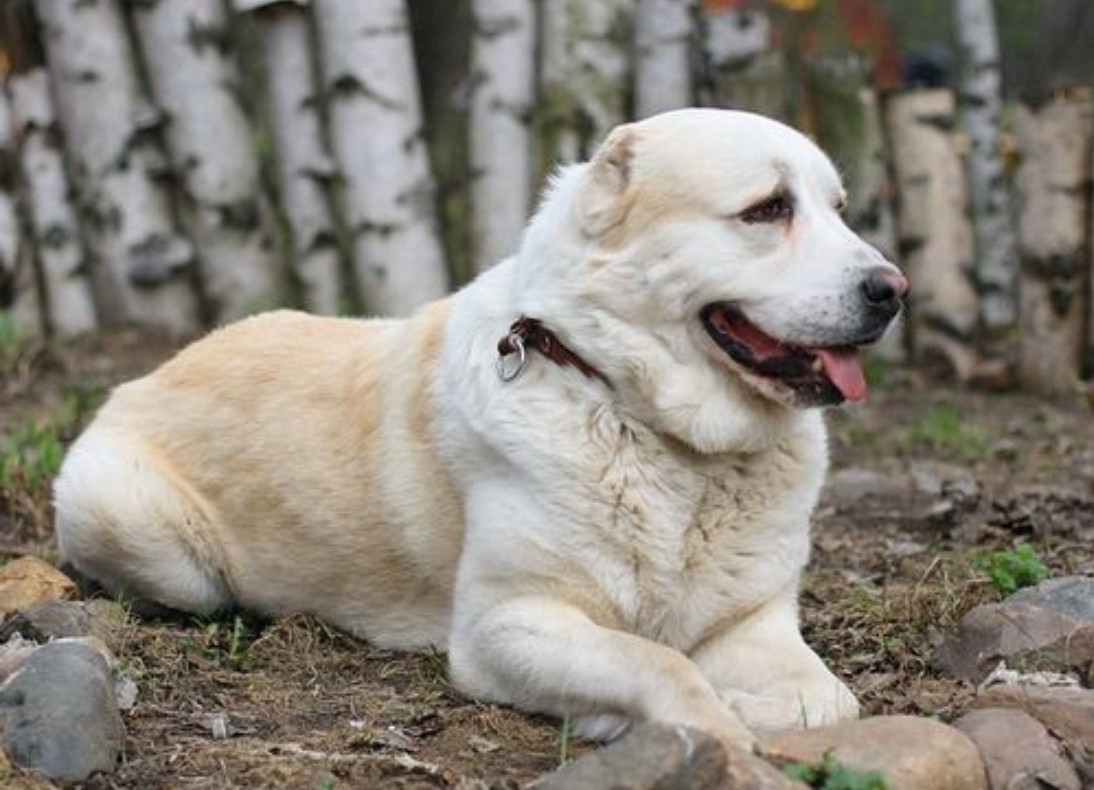

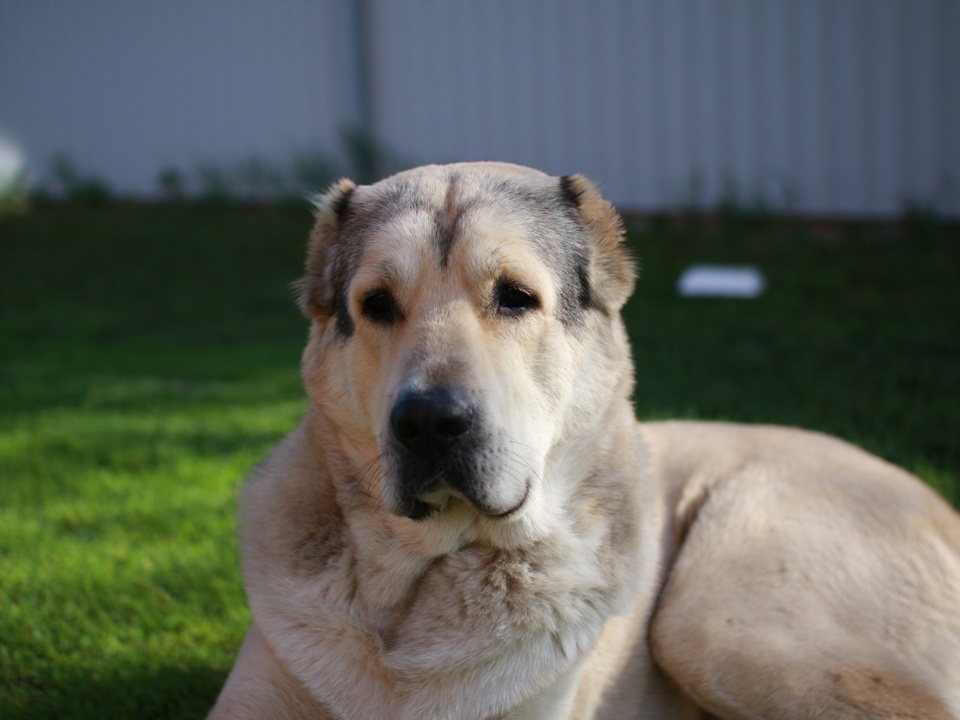
Череп широкий, Черепная часть глубокая в черепе. Лоб плоский и черепная часть плоская и длинная. Затылочный бугор хорошо развит, но мало заметен из-за развитых мышц. Надглазничные дуги умеренно развитые. Стоп умеренно выражен. Нос с крупной мочкой носа. Мочка носа хорошо развитая, но не выступает из общего профиля морды. Черная, но у белых и палевых собак может быть осветленная. Морда тупая и умеренной длины, почти прямоугольная при осмотре сверху и сбоку, и сужается к носу очень незначительно. Морда объемная, глубокая и хорошо заполненная под глазами. Спинка носа широкая, прямая, встречается незначительная горбоносость. Подбородок хорошо выражен. Губы толстые, верхняя губа при сомкнутых челюстях закрывает нижнюю челюсть. Предпочтительна полная пигментация черного цвета. Зубы крупные, белые и плотно прилегающие друг к другу, в полном комплекте (42 зуба). Челюсти сильные и широкие. Резцы у основания стоят в одну линию. Прикус ножницеобразный; прямой, а также обратные ножницы приемлемы. Клыки широко расставлены. Наличие поврежденных зубов, не мешающих определению прикуса, на оценку не влияет. Скулы с хорошо развитыми скуловыми дугами, длинными, но не нарушающими прямоугольную форму головы. Глаза среднего размера, овальной формы, широко расставленные, прямо посаженные и умеренно глубоко сидящие. Цвет глаз – от темно-коричневого до орехового. Более темные глаза предпочтительны. Веки толстые и предпочтительны с не сырым нижним веком. Третье веко не видно. Желательна полная обводка век. Независимо от окраса шерсти обводка век должна быть черной. Взгляд уверенный и полный достоинства. Уши среднего размера, треугольной формы, толстые, низко поставленные, висячие. Нижний край основания уха на уровне или чуть ниже линии глаз. Традиционно уши купируют так, как показано на обложке, это до сих пор практикуется в стране происхождения и в странах, где это не запрещено законом., плотно прижатые к голове. Стоячие уши крайне нежелательны.
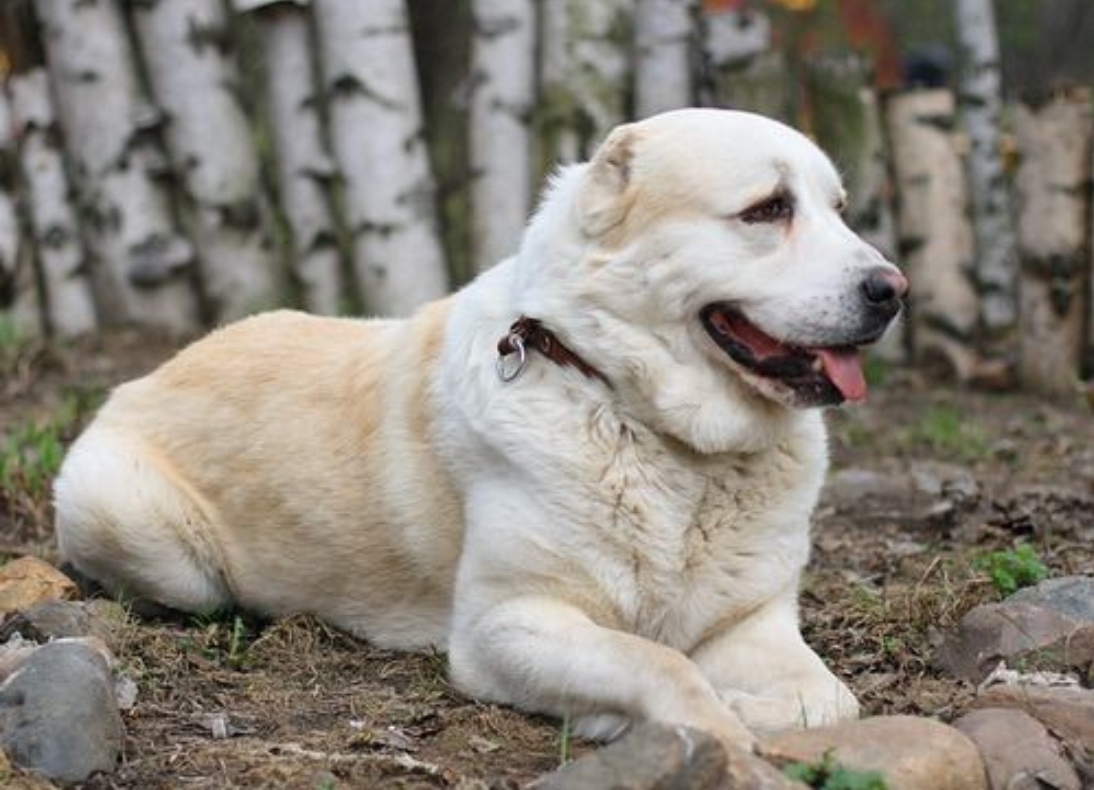
Шея средней длины, очень мощная, овальная в сечении, очень мускулистая и низко поставленная. Подвес является специфической чертой породы. Корпус имеет линию верха хороших пропорций, плавную, типичную в стойке. Холка хорошо выраженная, особенно у кобелей, мускулистая, длинная и высокая, с характерной переслежиной к спине. Спина прямая, широкая, очень мускулистая, непосредственно длина ее составляет 1\2 расстояния от холки до основания хвоста. Поясница короткая, широкая, мускулистая слегка выпуклая. Круп средней длины, широкий, мускулистый, слегка наклонный к основанию хвоста. Высота в холке на 1-2 см превышает высоту в крестце. Грудь глубокая, длинная, широкая, отчетливо развитая, грудная клетка расширяется в направлении ложных ребер. Нижняя часть груди опущена до уровня локтей или чуть ниже. Передняя часть груди незначительно выступает за линию плечелопаточного сочленения. Ребра округлые. Ложные ребра длинные. Живот незначительно подобран.
Передние конечности, с крепким костяком, при осмотре спереди параллельные и не узко поставленные. При осмотре сбоку предплечья прямые. Плечевые кости наклонные, длинные и сильные. Локти правильно расположенные, не вывернутые ни внутрь, ни наружу. Предплечья прямые, очень костистые, длинные, овальные в поперечном сечении. Лопатки длинные, наклонные, формируют угол сочленения с плечевой костью около 100°. Мускулатура хорошо развита. Пясти умеренной длины, широкие, сильные, отвесные. Задние конечности при осмотре сзади ноги прямые и параллельные, расставлены чуть шире передних. Бедра широкие, умеренно длинные, с сильной мускулатурой. Колени не повернуты ни внутрь, ни наружу. Коленные суставы умеренно выраженные. Голени почти такой же длины, как бедра. Скакательные суставы имеют умеренный угол сочленения. Плюсны массивные, умеренной длины, отвесные. Без прибылых пальцев. Лапы массивные, округлые, сводистые, подушечки объемные и толстые; когти могут быть любого окраса.
Толстый в основании, достаточно высоко посажен. В естественном состоянии серповидной формы или свернутый в кольцо в последней трети. Когда собака насторожена, хвост поднят до линии спины или немного выше. В покое опущен. Традиционно хвост купируют так, как показано на обложке, это до сих пор практикуется в стране происхождения и в странах, где это не запрещено законом. Естественный и купированный хвост равноценны.
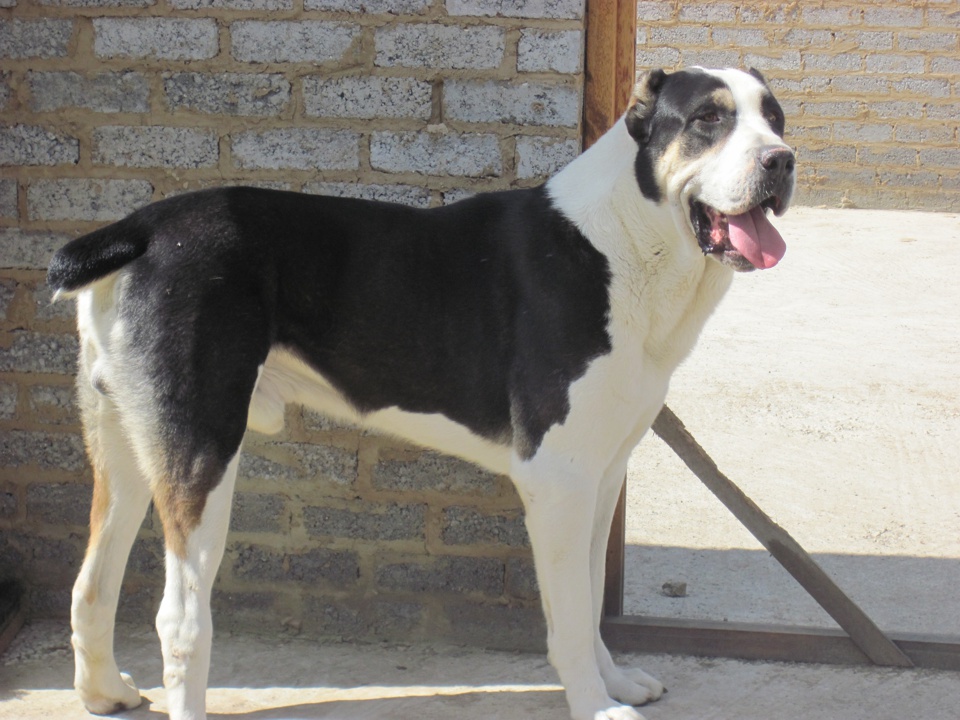
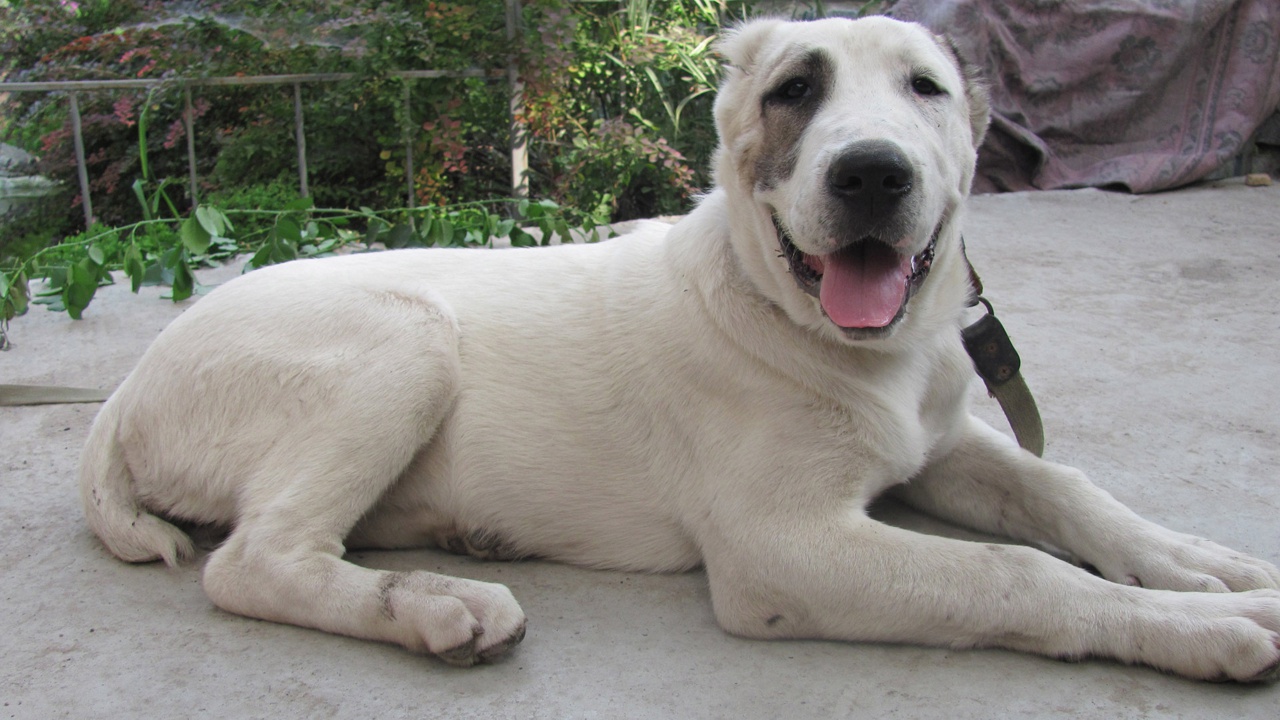
Шерстный покров густой, прямой, грубый, с хорошо развитым подшерстком. На голове и передней стороне конечностей шерсть короткая и плотно прилегающая. Шерсть на холке часто длиннее. Защитный шерстный покров может быть короче или длиннее. В зависимости от длины покровного волоса различают собак с короткой (3-5 см), плотно прилегающей по всему телу шерстью, и с более длинной шерстью (7-10 см), образующей гриву на шее, очесы за ушами, на задних сторонах конечностей и хвосте. Окрас любой, кроме генетического голубого и генетического коричневого в любых комбинациях, а также чепрачных на рыже-коричневом.
Сбалансированные и пластичные. Рысь со свободным вымахом передних и сильным толчком задних конечностей. Линия верха при этом должна оставаться прочной. Суставы свободно разгибаются. Во время движения углы задних конечностей выражены отчетливее, чем в стойке.
Рост кобеля 65-78 см, суки — 60-69 см. Вес кобеля 55-79 кг, суки — 40-65 см.
Чтобы оставить здесь комментарий, войдите или зарегистрируйтесь на сайте.
Авторизация
