Секция 1. Овчарки
Условно признанные породы
Группа 7. Пастушьи
Породы вне классификации
Группа 4. Пастушьи
Породы вне классификации
Породы вне классификации


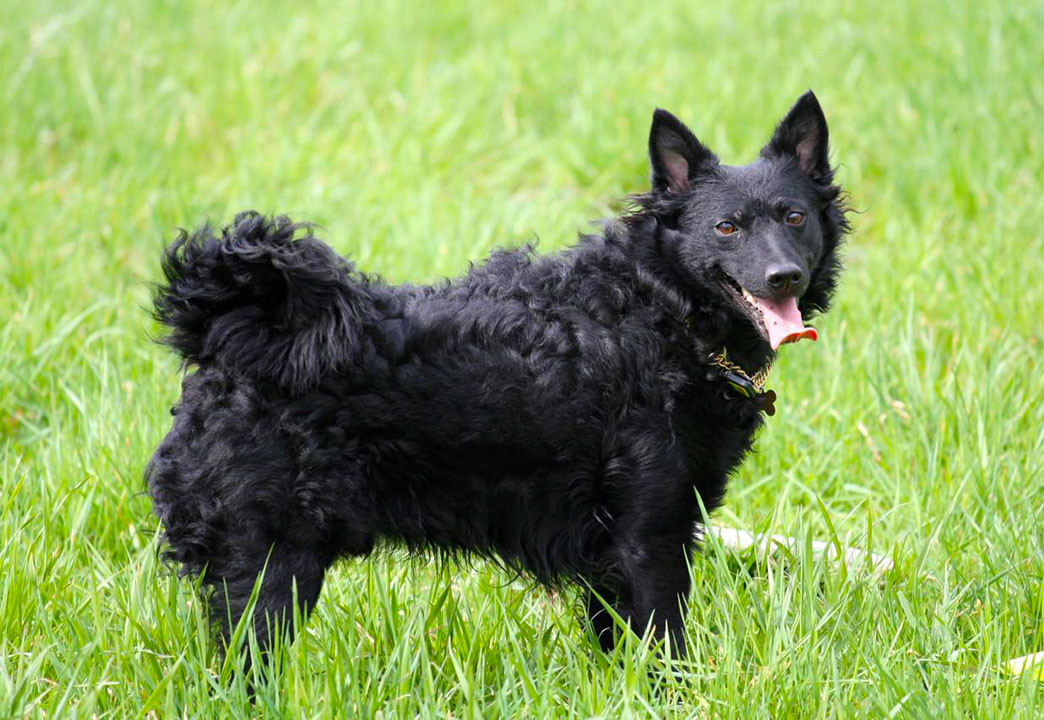
Голова: наиболее впечатляющая часть тела представителей данной породы. На стороннего наблюдателя муди производит впечатление живого, всегда энергичного, жизнерадостного и умного животного, без тени робости или агрессии. Голова клинообразной формы, сужается по направлению к мочке носа.
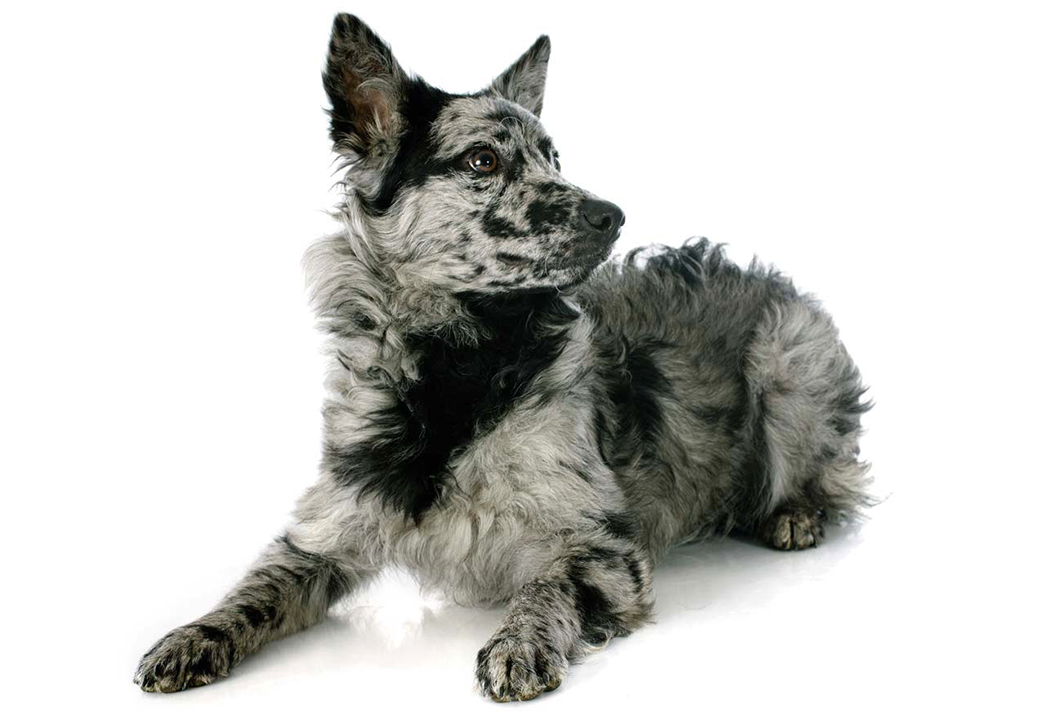
Череп: череп и лоб имеют слегка куполообразную форму. Затылочный бугор не выражен. Надбровные дуги слабо выражены. Переход ото лба к морде: едва выражен. Мочка носа: узкая, спереди закругленная, с умеренно широкими ноздрями. Если шерсть собаки окрашена в черный, белый палевый или цвет блю-мерль, кожа мочки носа всегда черная; если окрас собаки отличается от вышеперечисленных оттенков, цвет кожи мочки носа гармонично сочетается с окрасом шерсти; например, у собаки с коричневым окрасом шерсти мочка носа коричневая, у собаки с серым окрасом шерсти – серая. Коричневые собаки имеют коричневую пигментацию, а голубые – голубую. Морда: умеренно объемная. Спинка носа прямая.
Губы: плотно прилегающие к зубам. Углы губ неровные, слегка зазубренные. Пигментация губ соответствует пигментации кожи мочки носа. Зубы: ножницеобразный прикус, комплект зубов – в соответствии с зубной формулой. Правильные, здоровые зубы среднего размера.
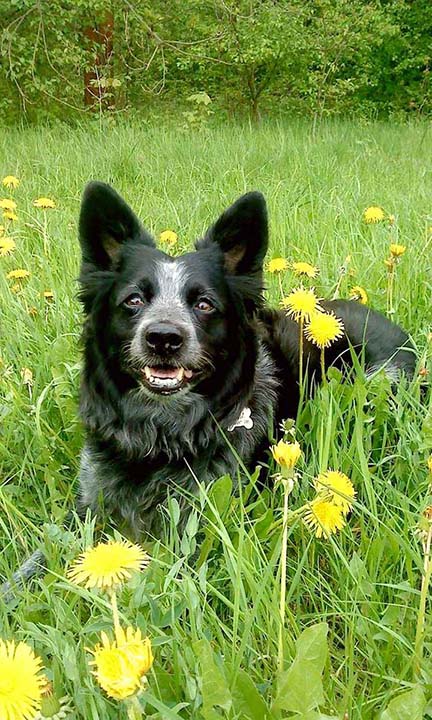
Глаза: узкие, слегка заостренные у внутреннего и внешнего углов век, посажены с легким наклоном, что придает собаке отважное выражение. Цвет глаз – как можно темнее. Только у собак с окрасом шерсти (бело-голубые) глаза разного цвета не считаются дефектом. Края века плотные, близко прилегающие к глазному яблоку и одинаково пигментированные. Уши: высоко посаженные, прямостоячие, v-образные. Густо покрыты обильной шерстью, которая выступает за внешние края ушей. Очень чуткие, мгновенно реагируют на источник раздражения. Муди может поворачивать уши как радары – одно независимо от другого. Длина ушей примерно на 10 – 15% превышает их ширину у основания.
Шея: умеренно высоко посаженная, образует угол в 50 – 55 градусов к горизонту. Средней длины, с небольшим изгибом, очень мускулистая. Без подвеса, без выраженного "воротника". Кобели могут иметь чуть развитую гриву: при этом абсолютно незаметную. Верхняя линия: имеет четкий наклон по направлению к крупу. Холка: выраженная, длинная, мускулистая.
Спина: прямая, короткая. Поясница: средней длины, прочно сочлененная.
Круп: короткий, с очень небольшим наклоном, средней ширины, мускулистый.
Грудь: грудина имеет небольшой изгиб. Ребра умеренно округлые и достаточно плоские. Нижняя линия: немного подтянутая.
Лопатки: с умеренным наклоном, очень мускулистые. Плечи: средней длины, поставлены с наклоном в 45 градусов. Локти: плотно прилегающие к корпусу. Сочленения запястий: прочные, сухие.
Пясти: отвесные. Передние лапы: округлые, с плотно соединенными пальцами. Поверхность между и под пальцами слегка покрыта шерстью. Пружинистые подушечки. Когти синевато-серые, твердые. Задние конечности заметно оттянутого постава и заходят за уровень седалищного бугра.
Бедра: длинные, очень мускулистые.
Плюсны: короткие поставлены отвесно. Задние лапы: аналогичны передним.
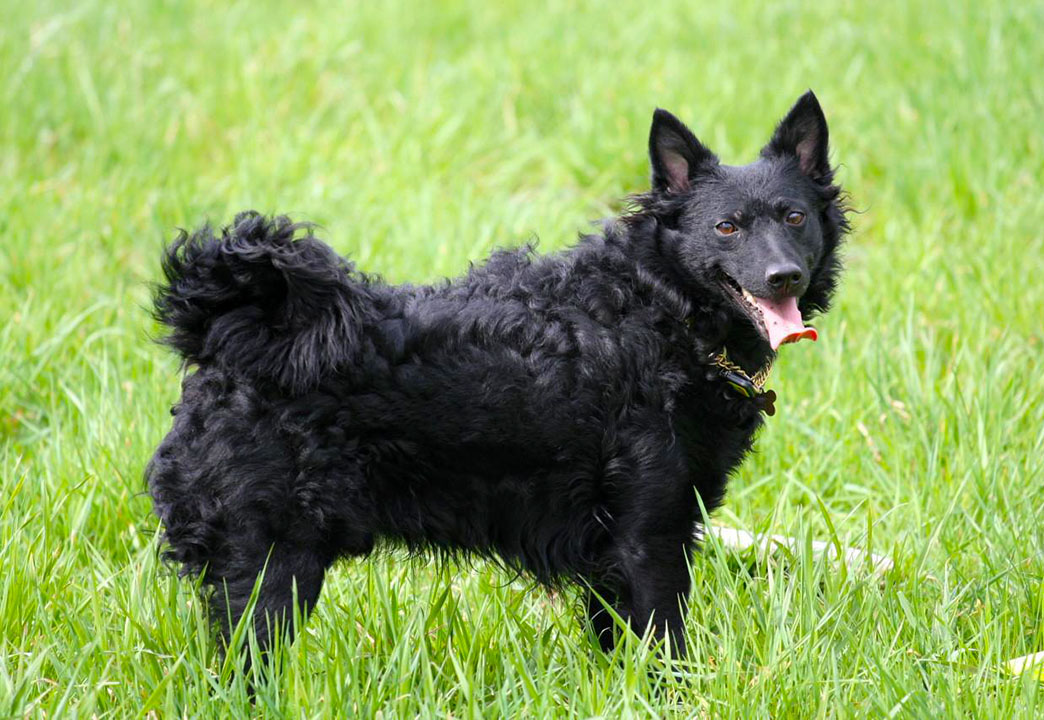
Хвост посажен умеренно высоко. В состоянии покоя висит, при этом нижняя треть хвоста поднимается почти горизонтально. Во время активного движения и в настороженном состоянии собака несет хвост в форме серпа, поднимая его выше верхней линии. Купирование хвоста нежелательно, но дефектом не считается. В случае купирования хвост отрезают так, чтобы были видны два или три позвонка. От рождения бесхвостые или куцехвостые собаки у данной породы встречаются редко; такие особи не считаются дефектными. Хвост обильно покрыт шерстью; длина волоса с внутренней стороны может достигать 10 – 12 см.
Шерстяной покров: голова и передняя часть конечностей покрыты короткой, прямой и гладкой шерстью. На других участках корпуса собаки шерсть образует однообразные хорошо заметные волны или слегка курчавится. Шерсть густая и блестящая, длиной около 3 – 7 см. На некоторых участках шерсть создает зрительный эффект «корова языком лизнула» или образует борозды. На тыльной стороне предплечья и бедра, где оброслость особенно выражена, шерсть имеет максимальную длину.
Окрас: палевый, черный, блю-мерль – когда по основному голубовато-серому фону светлого или темного оттенка разбросаны черные крапины, полоски, пятна или отметины, пепельный, коричневый. Белые отметины (без слишком широкого распространения по корпусу собаки) допустимы, но не желательны. Допустимо, но не желательно наличие на груди собаки белого пятна диаметром менее 5 см, а также маленьких белых отметин на пальцах лап. Белый.
Для породы муди характерны семенящие движения.
Высота в холке — кобели: 41-47 см; суки: 38-44 см; Вес — кобели: 11-13 кг; суки – 8-11 кг.
Чтобы оставить здесь комментарий, войдите или зарегистрируйтесь на сайте.
Авторизация
