История возникновения
Предки чау-чау предположительно из Китая, где они содержались как охранные собаки, а также использовались на охоте. Чау-чау известны в Китае более 2000 лет и родственны шпицам северного типа, хотя имеют нечто и от мастифа. Из-за китайской политики «закрытых дверей» чау-чау не были известны остальному миру приблизительно до 1800-х годов. Они попали в Англию приблизительно в конце восемнадцатого века и не были сильно известны до 1920 года. Несколько собак были представлены на Крафте в 1925 году.
Общий вид
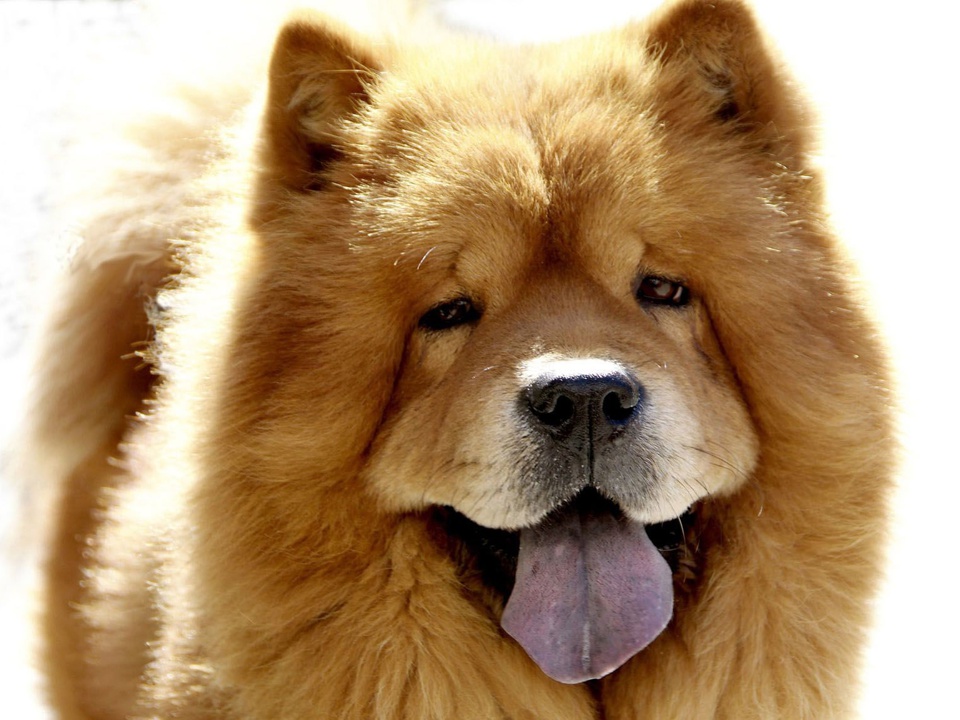
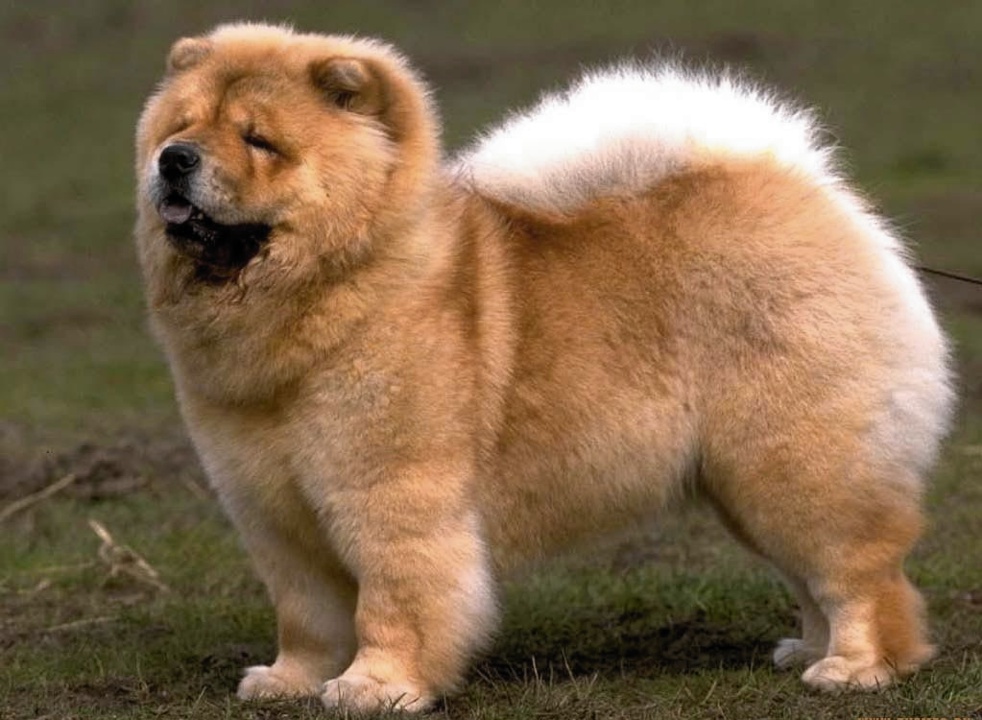
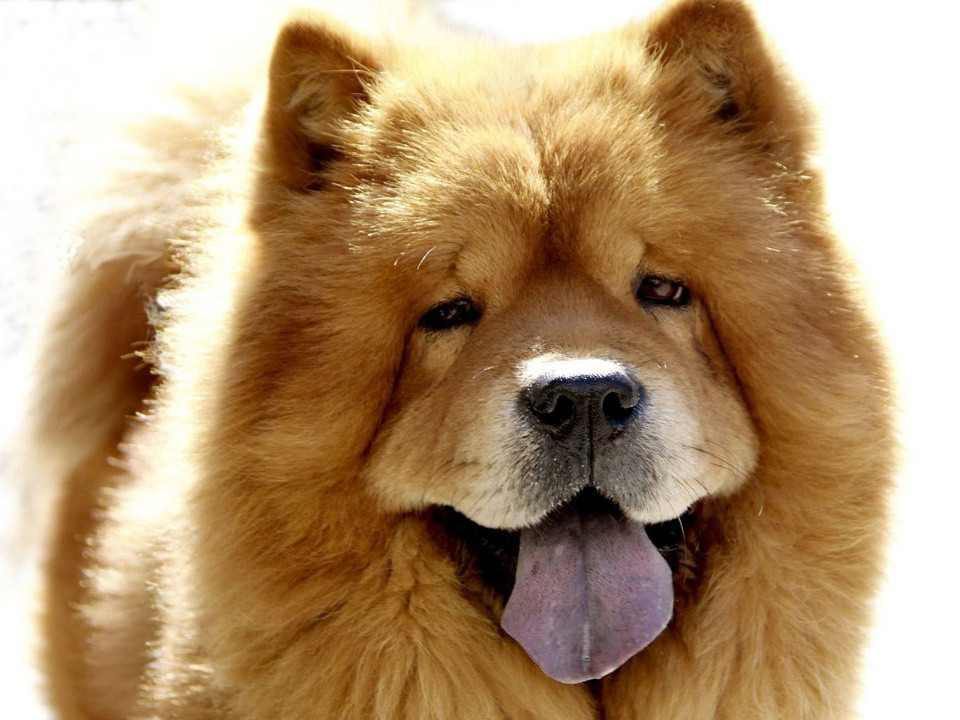
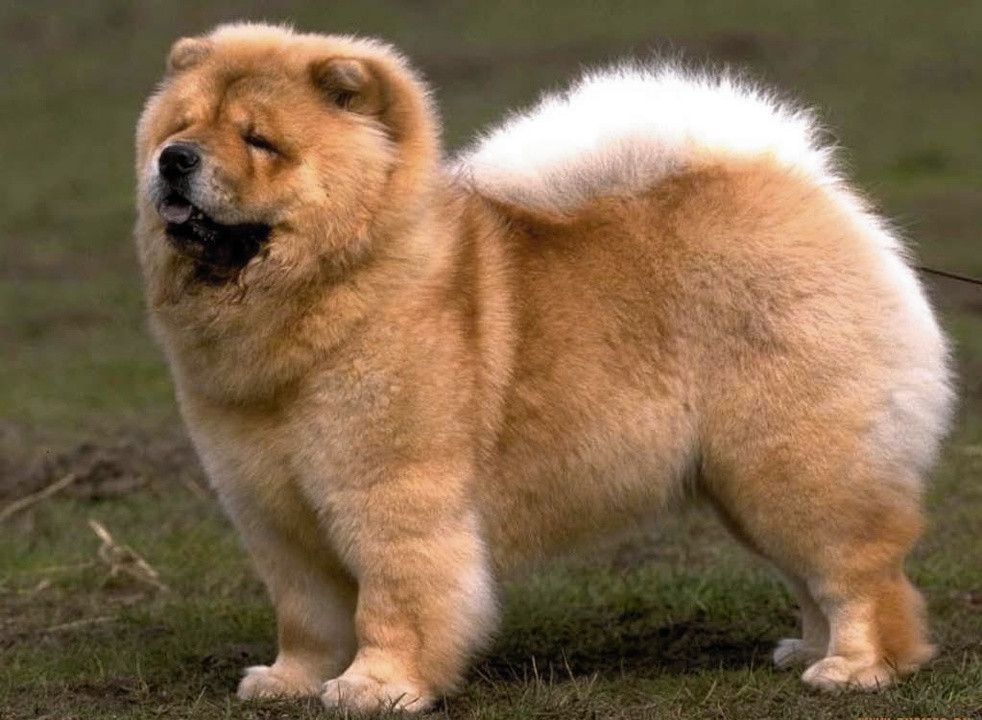
Активный, компактный, с короткой поясницей, хорошо сбалансированный, львиной наружности, горделивый, держится с достоинством; крепко сбитый. Хвост заброшен на спину. Всегда должен быть способен двигаться свободно и количество шерсти не должно мешать его активности либо причинять недомогание в жаркую погоду. Синевато-черный язык является породной чертой.
Отличительная особенность породы Чау-чау
Череп плоский, широкий.
Нос с всегда крупной и широкой мочкой. Мочка черная, за исключением кремовых и почти белых собак, у которых более светлая мочка носа допустима, у голубых и палевых собак – в тон окраса. Но черная мочка предпочтительна во всех окрасах.
Морда средней длины, широкая от основания до конца (не заостренная, как у лисы). Хорошо заполненная под глазами.
Губы полностью черная пасть, включая нёбо и брыли, с синевато-черным языком – идеальна. Тем не менее может быть налицо некоторое ослабление пигмента на деснах в виде синеватых и телесных участков и данное ослабление может быть более выражено у кремовых и белых собак.
Зубы здоровые и ровные, челюсти сильные, с прекрасным правильным и полным ножницеобразным прикусом, т.е. верхние зубы плотно перекрывают нижние и стоят в челюстях вертикально.
Скулы – сбоку имеют закругление и не выступают вперед.
Глаза темные, овальной формы, среднего размера и чистые. Цвет глаз в тон окраса допускается у голубых и палевых собак. Глаза чистые без признаков энтропии, и только за размер никогда не наказываются.
Уши маленькие, толстые, закругленные на концах, стоячие, широко посаженные, но наклоненные вперед над глазами и слегка развернуты друг к другу, что придает своеобразное, характерное для породы хмурое выражение. Хмурый вид не должен достигаться за счет избыточных складок на голове.
Шея крепкая, объемная, не короткая, крепко посаженная на плечах, с небольшим изгибом. Достаточной длины, чтобы гордо поддерживать голову выше уровня спины.
Корпус короткий, компактный, с короткой поясницей, мускулистый, широкий и глубокий.
Спина короткая, прямая и крепкая.
Поясница мощная.
Круп округлый, практически горизонтальный, не длинный, в достаточной степени широкий и мускулистый.
Грудь широкая и глубокая.
Ребра хорошо изогнутые, но не бочкообразные.
Живот средне подобранный.
Передние конечности таковы, что в профиль лапа стоит точно под тазобедренным суставом.
Плечи мускулистые и наклонные.
Локти равноудалены как от холки, так и от земли.
Предплечья совершенно прямые, с хорошим костяком.
Лопатки мускулистые и прилегающие к спине.
Пясти стоячие вертикально, короткой длины, сильные.
Задние конечности мускулистые, ровные, с сильным костяком, едва оттянутые за черту седалищных бугров, параллельные и довольно широко расставленные ноги со спрямленными углами сочленений.
Бедра хорошо развитые.
Колени только с незначительным углом.
Плюсны от суставов вниз кажутся прямыми, никогда не прогибаются вперед.
Лапы маленькие, округлые, кошачьи, хорошо стоящие на пальцах.
Посажен высоко, закинут на спину.
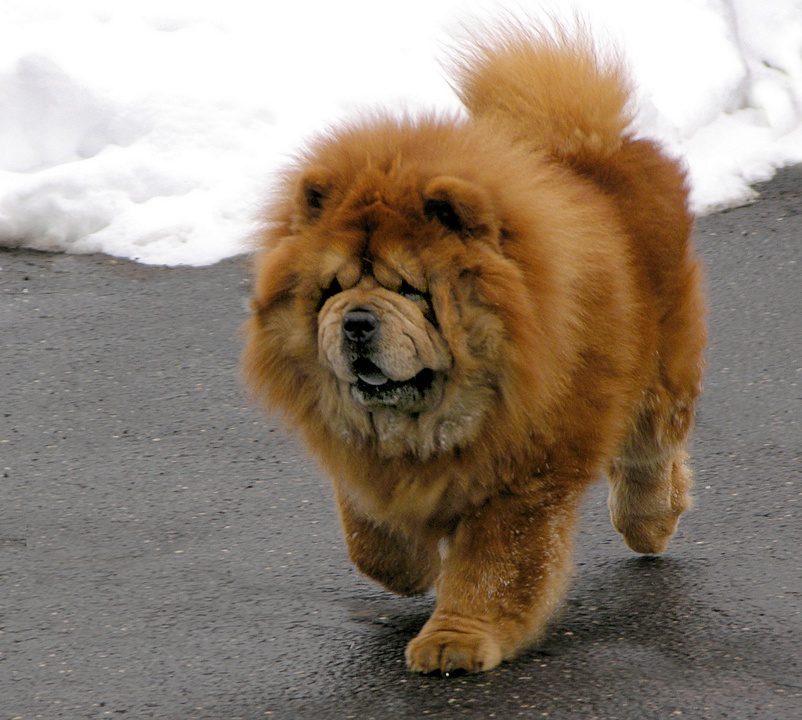
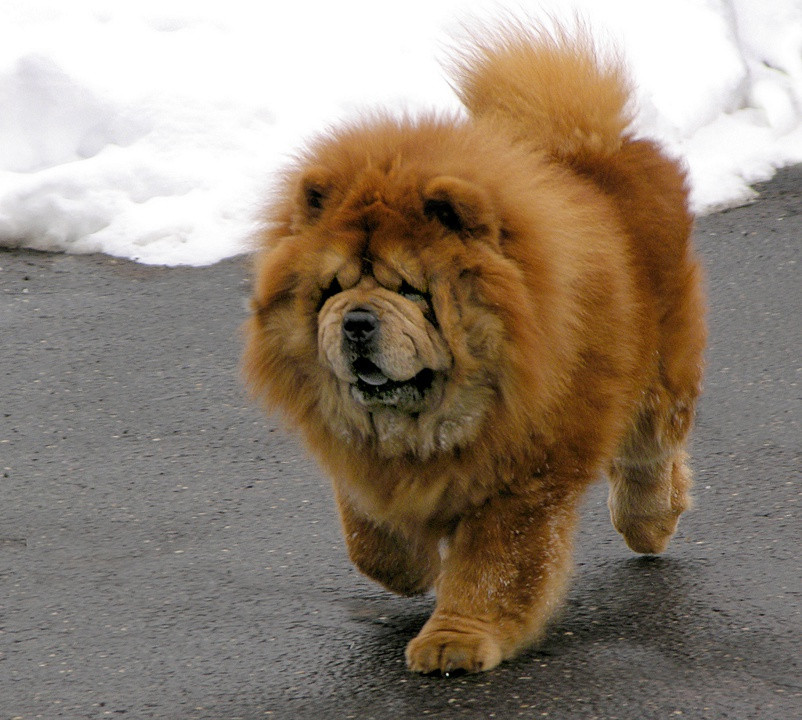
Шерстный покров имеет структуру длинношерстную или короткошерстную. Длинношерстная - обильная, пышная, густая и отстоящая от тела, но не чрезмерная по длине. Покровный волос грубый, с мягким пушистым подшерстком. Особенно обильная шерсть вокруг шеи образует гриву (или воротник) и значительные штаны (или гачи) на задней стороне бедер. Короткошерстная - короткая, плотная, прямая, торчащая, не прилегающая, плюшевой структуры. Любое искусственное укорочение шерсти, которое изменяет естественные очертания или облик, должно наказываться, за исключением лап, которые можно подравнять для опрятности.
Окрас полностью черный, красный, голубой, палевый, кремовый или белый, часто с оттенками, но без пятен и не двуцветные (нижняя сторона хвоста и задняя сторона бедер часто более светлого оттенка).
Относительно короткий шаг, задние лапы не поднимаются высоко, создавая ощущения скольжения по земле, в результате чего со стороны это кажется движением маятника. Эта отличительная походка с коротким шагом позволяет двигаться легко, очень выносливо, никогда не тяжело. Передние и задние ноги двигаются параллельно и прямо вперед. Собака всегда должна двигаться свободно, как здоровое животное, без признаков физического недомогания.
Рост 46-56 см.
Вес 20-32 кг.
Характер
Характер чау чау один из самых сложных среди разных пород собак. С одной стороны эти собаки нуждаются во внимании людей, которые являются членами их семьи, но с другой не нуждается в их одобрении. Тем, кто хочет стать владельцев чау чау, лучше всего заняться ранним воспитанием на послушание и социализацией этой собаки в раннем возрасте. Этой породе собак нужен владелец с твердым характером, который сможет обуздать доминантный темперамент чау чау. Говорят, что чау чау готовы умереть за своего хозяина, но не всегда готовы подчиняться ему. Тем не менее чау чау очень преданные и ласковые со своей семьей собаки, но настороженны и нерешительны в отношениях с незнакомыми людьми. Чау чау умные, гордые собаки, с развитым чувством собственного достоинства. Они достаточно независимые и обладают сильной волей. Чау чау могут быть очень властными, серьезными, но вместе с тем и упрямыми. Эта порода стремится, сделать так, чтобы к ним относились с уважением, поэтому имеют тенденцию к несдержанности и резкой смене настроения. Другими словами, владельцам чау чау приходится проявлять много терпения. Чау чау могут быть спокойными и дружелюбными по отношению к другим домашним животным, если они росли с ними с раннего возраста. К другим животным чау чау могут проявлять агрессию. Хозяину чау чау следует проявлять бдительность, когда они сталкиваются с другими кошками и собаками, потому что чау чау подвержены вспышкам агрессии. Однако при должном воспитании и надлежащей социализации чау чау могут быть спокойным и дружелюбными по отношению к детям и другим домашним животным. Обучение чау чау не простое занятие, требующее умения и большого терпения. Для того, чтобы привить упрямому чау чау хорошие манеры придется приложить не мало сил и упорства. В раннем возрасте, чау чау должны знать "кто в доме хозяин", иначе они превратят дом в свою территорию и установят в нем свои правила. Чау чау достаточно умные собаки, чтобы доминировать. Они знают, когда защитить себя, своего хозяина и своё положение. В целом поведение чау чау может быть довольно странным. Кажется, что чау чау собаки, которые имеют свои собственные жизненные принципы. Они любят своего хозяина, но могут взять верх над ним в некоторых случаях. Они служат своему хозяину от всего сердца, но не всегда стремятся угодить ему. Социализация в раннем возрасте имеет для этой породы большое значение. На протяжении веков чау чау использовали в качестве сторожевых собак, поэтому их агрессивная реакция на новую ситуация является естественной. Ранняя социализация может помочь собакам этой породы понять, что не каждая ситуация требует от неё агрессивной реакции. Правильно обученные чау чау могут быть такими же нежными, как и собаки других пород.
Содержание и уход
Большинство чау чау лояльно относятся к уходу за своей шерстью со стороны хозяина. Регулярное расчесывание один или два раза в неделю это то, что нужно чау чау, чтобы его шерсть не спутывалась и имела прекрасный внешний вид. Убедитесь, что вся отмершая шерсть вычесана, в противном случае эта шерсть, грязь и влага, попавшая в ловушку из плотной шерсти, превратится в колтуны и может вызвать проблемы с кожей. Купать чау чау можно по мере необходимости, но не чаще одного раза в месяц. Сухой шампунь прекрасно подойдет для ухода за густой и длинной шерстью этой породы. Чау чау сильно линяют, по крайней мере, два раза в год. Хотя может показаться, что их густая, плотная шерсть очень неудобна для лета, стрижка чау чау не только уничтожит естественную защиту собаки, но и может привести к ожогу кожи. Регулярный уход за шерстью чау чау так же способен сблизить хозяина со своей собакой, что учитывая характер этой породы собак, является не лишним. Чау чау не требуют очень большой физической нагрузки, но для сохранения хорошей формы им необходимы ежедневные прогулки, а регулярные прогулки в парке будут идеальным дополнением. Важно помнить, что чау чау собаки, которые сами себе на уме, поэтому лучше всего в общественных местах держать их на поводке. К тому же некоторые чау чау более терпимы к прогулкам на поводке, чем многие другие породы собак.
Продолжительность жизни — 9-11 лет.
Достоинства
Хорошие сторожа, могут защитить в случае опасной ситуации. Подходят новичкам, не требуют активности.
Сложность содержания
Содержание в квартире: подходит, но нуждается в достаточной физической нагрузке. Для воспитания и дрессировки нужно приложить немало усилий. Много ухода за шерстью.
Болезни
Собаки этой породы наиболее склонны к следующим болезням: вздутие живота (заворот кишок); дисплазия тазобедренного и локтевого сустава; разрыв передней крестовидной связки коленного сустава; сахарный диабет; меланома; гипотиреоз; энтропион (заворот века); эктропион (выворот века).