История возникновения
Тибетский мастиф является одной из древнейших рабочих пород собак, которая была сторожевой собакой в тибетских монастырях, а также помогала кочевникам в Гималайских горах. Начиная с первых упоминаний ещё в античные времена, эта порода всегда была окружена мифами и легендами. Аристотель (384—322 гг. до н. э.) и Марко Поло (в знаменитых записках о путешествии в Азию в 1271 г.), а также многие другие авторы воспевают природную силу и мощь тибетских мастифов — как физическую, так и ментальную. Даже лай тибетского мастифа считается уникальным и высоко ценным признаком породы.
Общий вид
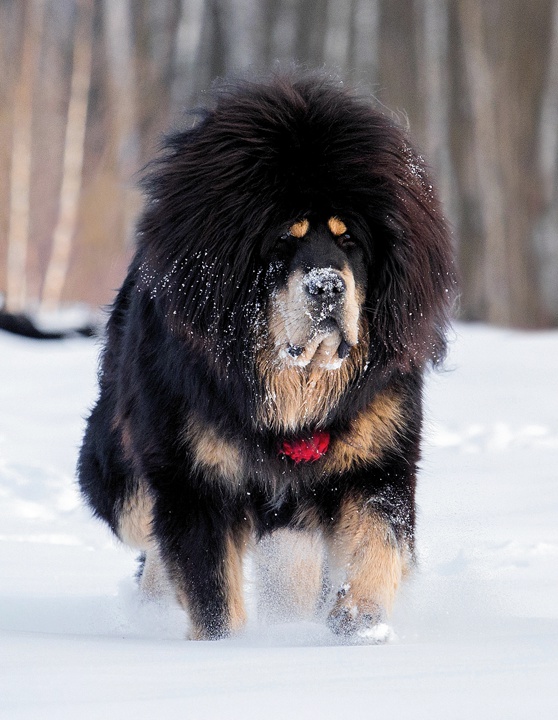
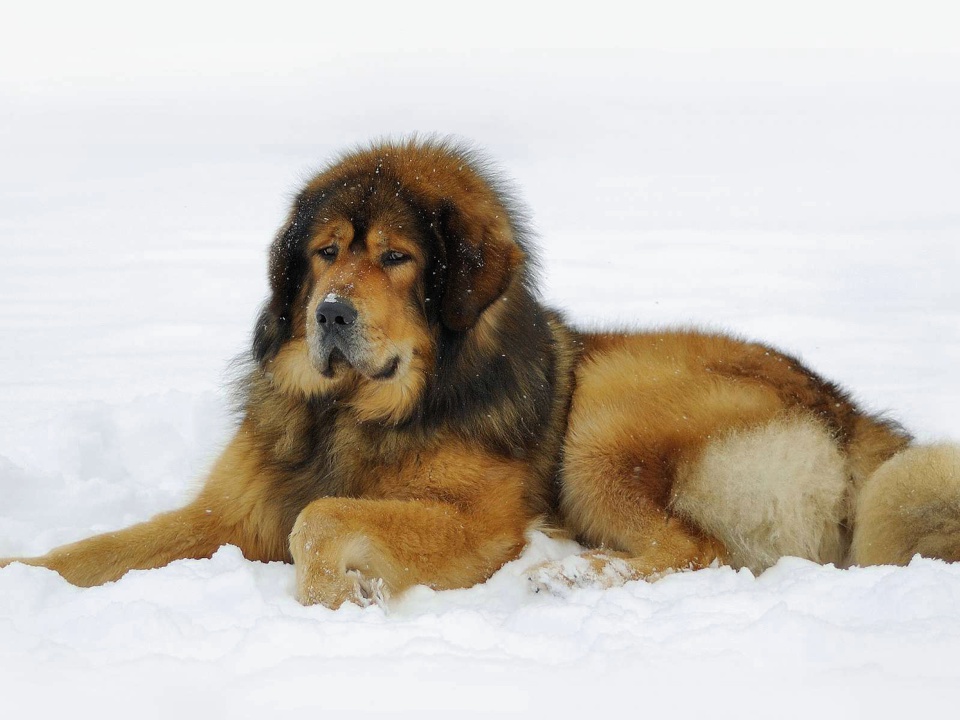
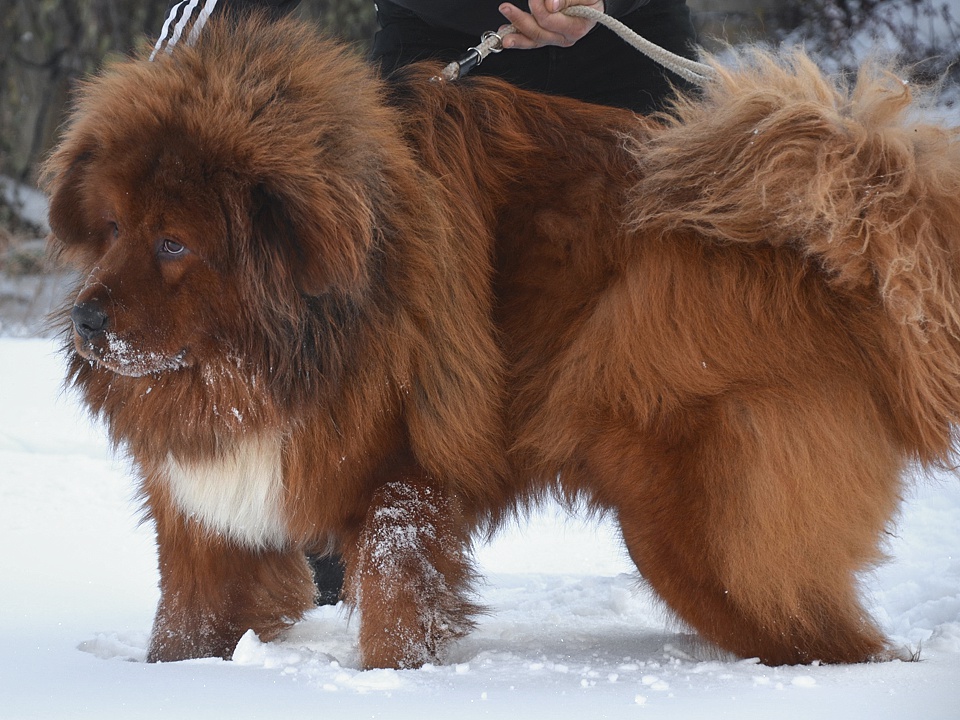
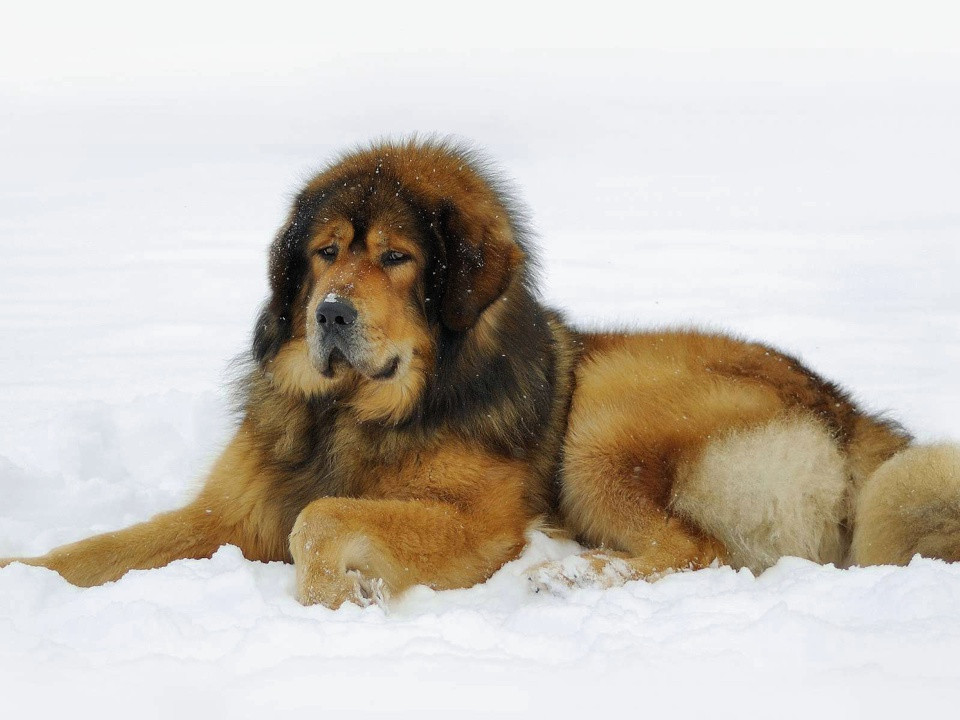
Собака мощная, тяжелая, прекрасно сложенная, с хорошим костяком, производит сильное впечатление; на вид серьезная, но добродушная.
Отличительная особенность породы Тибетский мастиф
Череп массивный, с сильно обозначенным затылочным выступом и выраженным переходом от лба к морде ("стопом"). Расстояние от затылочного выступа до "стопа" равно расстоянию от "стопа" до кончика носа (последнее может быть и несколько меньше).
Нос широкий, хорошо пигментированный, с широко открытыми ноздрями.
Морда очень широкая, хорошо заполненная и квадратная при взгляде со всех сторон.
Губы хорошо развиты, брыли развиты умеренно. У взрослых собак возможна некоторая морщинистость кожи головы, морщины начинаются над глазами и идут вниз, к углу рта.
Зубы правильно и равномерно расположены, в комплекте. Ножницеобразный прикус (допустим прямой), челюсти сильные.
Скулы не выступающие.
Глаза очень выразительные, среднего размера, карие любого оттенка, широко расставлены, овальные, поставлены слегка косо.
Уши среднего размера, треугольные, висячие, при возбуждении несколько приподнимаются; они плотно прилегают к голове и направлены кпереди; покрыты мягкой короткой шерстью.
Шея сильная, хорошо обмускуленная, изогнутая. Не слишком большой подвес. Одета густой стоячей гривой.
Корпус сильный, мускулистый, линия верха прямая, ровная. По длине несколько длиннее, чем высота в холке.
Спина ровная, с сильными мускулами, просторная, крепкая.
Поясница чуть навыкате, широкая, сильная, не длинная.
Круп средне скошенный, с крепкой мускулатурой, широкий.
Грудь довольно глубокая, умеренно широкая.
Грудина опущена ниже локтей.
Ребра настолько изогнуты, что грудная клетка имеет сердцевидную форму.
Живот средне подтянутый.
Передние конечности хорошо расположенные плечи, мускулистые, костяк сильный. Прямые ноги с сильными, слегка наклонными пястями, целиком покрыты густой шерстью.
Лопатки наклонные, хорошо омускуленные.
Пясти массивные, слегка наклонные.
Задние конечности мощные, мускулистые. Задние ноги при взгляде сзади параллельны.
Бедра мускулистые и широкие.
Колени с хорошими углами.
Плюсны сильные, низко расположенные.
Лапы довольно большие, сильные, компактные, "кошачьи", с хорошим опушением между пальцами.
От средней длины до длинного, но не опускающийся ниже скакательного сустава. Посажен высоко, на линии спины. Закручен на спине на одну сторону. Хорошо опушен.
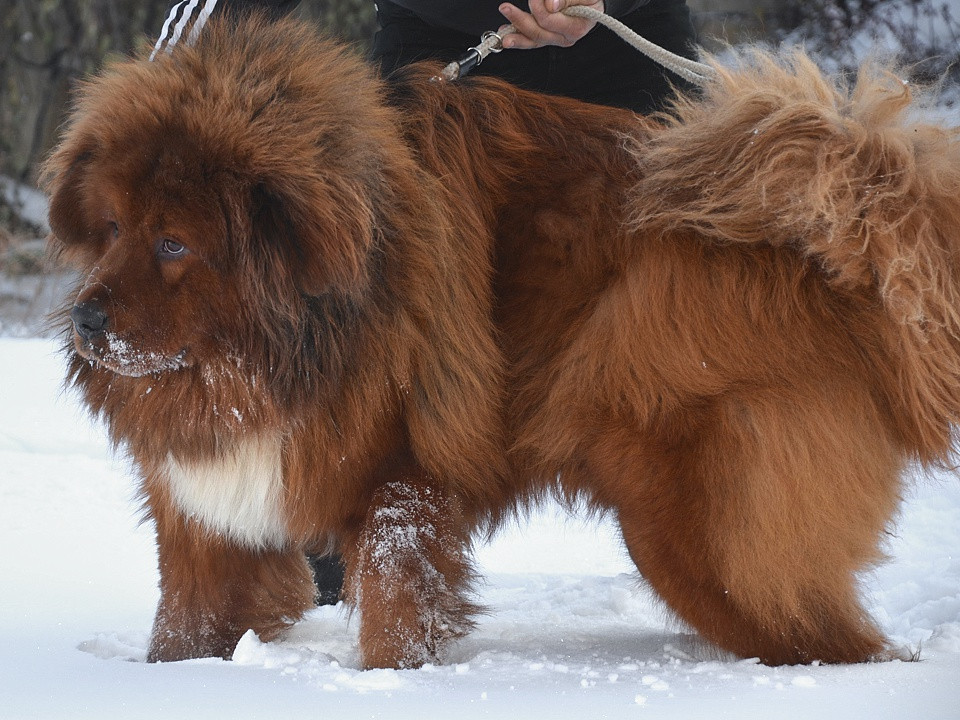
Шерстный покров таков, что кобели одеты гораздо лучше сук. Качество шерсти важнее количества. В основном очень длинная, густая, с густым подшерстком в холодные периоды, заметно редеющим в летние месяцы. Волосы тонкие, но жесткие, прямые, не прилегающие. Не шелковистые, не кудрявые, не волнистые. Мощный подшерсток (когда он развит), довольно пушистый. Шея и плечи покрыты густой шерстью, образующей подобие гривы. Хвост пушистый, густо покрыт шерстью, на задних ногах "штаны".
Окрас глубокий черный, черно-подпалый, коричневый, различных оттенков золотистого или серый с золотистыми оттенками. Рыжий подпал от очень насыщенного цвета до более светлых оттенков, допустима белая звездочка на груди. На лапах допустимы минимальные белые отметины. Рыжие или золотые отметины - над глазами, на нижней части ног, на конце хвоста.
Мощные, свободные, всегда легкие и эластичные. При быстром беге - тенденция ставить лапы по одной линии. Шаг кажется медленным, но очень целенаправленным.
Рост кобеля от 66 см, суки – от 61 см.
Вес 64-77 кг.
Характер
Тибетский мастиф любящая, понимающая и терпеливая собака. Столетия работы с человеком научили эту породу очень хорошо понимать людей. Собаки этой породы бесстрашные и преданные защитники. Их большой размер, а также столетняя история разведения с целью охраны сделали из этих собак прекрасных охранников. Однако тибетский мастиф защитник с характером. Несмотря на то, что он чрезвычайно предан и обожает проводить время с хозяином, он не всегда готов подчиниться, особенно тогда, когда уверен, что прав. Это независимая и упрямая порода. Тибетский мастиф умен и обладает сильным чувством собственного достоинства, так что считает, что к нему нужно относиться как к равному, а не как к домашнему животному. Он хочет угодить своим любимым людям, но часто имеет свои собственные платы, поэтому иногда ему приходится напоминать о том, что его попросили сделать. Собаки этой породы в целом тихие, если их потребности удовлетворены, и они живут в нормальных условиях. Однако, если оставить тибетского мастифа на ночь на улице, он может поднять лай. Решить эту проблему просто, нужно просто впустить собаку в дом. Если у Вас есть двор, удостоверьтесь, что он хорошо огорожен, эти собаки могут легко перелезть через низкий забор и убежать. Тибетского мастифа нельзя оставить во дворе и забыть о нем, он нуждается в людях и общении. В противном случае, он может приобрести плохие привычки, начнет копать и станет агрессивным. Собаки этой породы могут быть терпимы по отношению к детям в своей семье, особенно если растут с ними с детства. Но в целом они плохо подходят для семей с маленькими детьми. Они могут принять крики и активные игры детей за признак агрессии и начать препятствовать общению Вашего ребенка с другими детьми. Их территориальность может затронуть не только жизнь Вашего ребенка, но и Вашу собственную. Если Вы очень общительный человек и у Вас часто бывают гости, возможно, эта порода не для Вас, поскольку тибетский мастиф может попытаться ограничить число людей, которым разрешено находиться в Вашем доме. Социализация очень важна для собак этой породы. Берите Вашего тибетского мастифа с собой в магазины, парки и другие места, где разрешено находиться собакам. Позвольте ему знакомиться с новыми людьми, но всегда относитесь с пониманием к тому, что он может настороженно относится к некоторым людям. Так как тибетский мастиф обладает мощной интуицией относительно людей, он может испытывать интуитивную неприязнь к какому-либо человеку и это очень трудно преодолеть. Во время прогулок лучше всего придерживаться разных маршрутов, чтобы тибетский мастиф не стал считать привычные для него места своей территорией. Тибетский мастиф замечательная порода для определенного владельца и дома, но, к сожалению, не для любого образа жизни. Если Вы интересуетесь этой породой, поговорите с заводчиками и владельцами этих собак.
Содержание и уход
Тибетский мастиф собака, которая должна жить в доме с доступом к просторному, надежно огражденному двору. Ввиду наличия очень густой, тяжелой шерсти эти собаки плохо подходят для жизни в очень жарком, влажном климате, хотя переносить высокие температуры в сухом климате этим собакам проще. Потребности этой породы в физической нагрузке могут быть удовлетворены 20 - 30 -тью минутами игры во дворе или получасовой прогулкой. Собаки этой породы с удовольствием будут играть с другой собакой, предпочтительно примерно того же размера. Щенки тибетского мастифа растут очень быстро, но их физическое взросление наступает не ранее, чем в возрасте более 1 года. Для профилактики проблем с суставами следует ограничивать время свободных игр щенка во дворе, а также избегать длительных прогулок до годовалого возраста. Регулярное обучение и общение помогут поддерживать эмоциональное и физическое здоровье собаки. Скучающий и одинокий тибетский мастиф может быть более разрушительным и шумным, чем Вы можете себе представить. Тибетский мастиф линяет не сильно, за исключением 1 - го раза в год. Однако сезонная линька случается не всегда, это зависит от климата, в котором он живет. Расчесывать тибетского мастифа следует 1 - 3 раза в неделю. Обязательно проверяйте собаку на наличие спутанных мест и колтунов в местах, где шерсть наиболее густая. Купать этих собак можно по необходимости. Собаки этой породы практически не имеют запаха, таким образом, обычно они не требует купания чаще, чем 1 раз в месяц. Кроме этого нужно не забывать об уходе за зубами и когтями. Чистить зубы тибетского мастифа следует не реже 2 - 3-х раз в неделю. Подстригать когти рекомендуется несколько раз месяц или по мере необходимости. Проверять состояние ушей лучше всего еженедельно, а чистить по мере необходимости. Приучайте свою собаку к процедурам ухода с детства.
Продолжительность жизни — 10-15 лет.
Достоинства
Легко поддаются обучению и дрессировке. Несмотря на шерсть линяет всего 1 раз в год. Вынослив, здоров и неприхотлив к погоде. Прекрасный охранник.
Сложность содержания
Жить привык в доме, но требует сада. Необходимо везде брать его с собой, без человека портится характер, нужно постоянное общение.
Болезни
Тибетский мастиф в целом здоровая порода. Не обязательно владелец этой породы столкнется с приведенными ниже заболеваниями, однако стоит знать о них, если Вы планируйте завести такую собаку. Наиболее часто встречающиеся заболевания у собак этой породы: дисплазия тазобедренного и локтевого сустава; гипертрофическая невропатия; аутоиммунный гипотиреоз; паностит (воспаление трубчатых костей; рассекающий остеохондроз.