История возникновения
Название породы говорит нам, что местом ее происхождения является остров Сикоку в префектуре Коси, где собака существовала еще в древние времена. Ее также называют коси-кен («кен» на японском языке означает собака). Эта порода развивалась в удаленном регионе, окруженном гористой местностью, что позволило ей в значительной степени сохранить чистокровность. Более того, заводчики имели ограниченный доступ и к друг другу из-за географической изоляции, таким образом сокращая возможности скрещивания между отдельными генеалогическими линиями. Это привело к возникновению нескольких разновидностей шикоку. Существует пять уникальных генеалогических линий, которые лежат в основе родословной шикоку. Они различаются особенностями внешнего облика своих представителей и могут быть отнесены к двум первоначальным разновидностям шикоку: западный шикоку и восточный шикоку. Восточный вид (шикоку горы Тсуруги) охватывает линии Токусима (Лайя) и Коши-аки. Западный вид (шикоку горы Ишицухи) включает линии Хата, Увахара, Хонкава и Эхиме-кен шусо. В прошлом шикоку широко использовался матаги (японскими охотниками) для охоты главным образом на диких кабанов. Существовало две техники обучения собаки охоте, а именно «ками-дом» = «кусать для сдерживания» и «хоеру-дом» = «лаять для сдерживания». Большая часть охотников стремилась защитить своих собак от дикого кабана, поэтому они использовали преимущественно «хоеро-дом» метод охоты. Постепенно границы Японии открывались внешнему миру и множество западных собак прибыли в Японию вместе со своими владельцами. Японцы начали осознавать важность учета и охраны национальных пород Японии. В течение периода Сёва (1926-1988) была сформирован Союз защиты японских собак. Собаки шикоку наравне с другими национальными породами разыскивались в уединенных местах их обитания и привозились в города для помещения их в собачьи питомники для защиты. Никто не может сказать с уверенностью, представители каких линий шикоку были завезены в города и скрещивались ли они там между собой. Однако можно утверждать, что собаки, внесшие наибольший вклад в создание современного шикоку, происходят из западной генеалогической линии, в частности из Хонкава и Хата. В 1937 году японские власти провозгласили данную породу «Памятником природы». Тем не менее, за пределами Японии численность шикоку остается весьма ограниченной. Ее поклонники в настоящий момент стараются поддержать и популяризировать эту породу в Северной Америке.
Общий вид
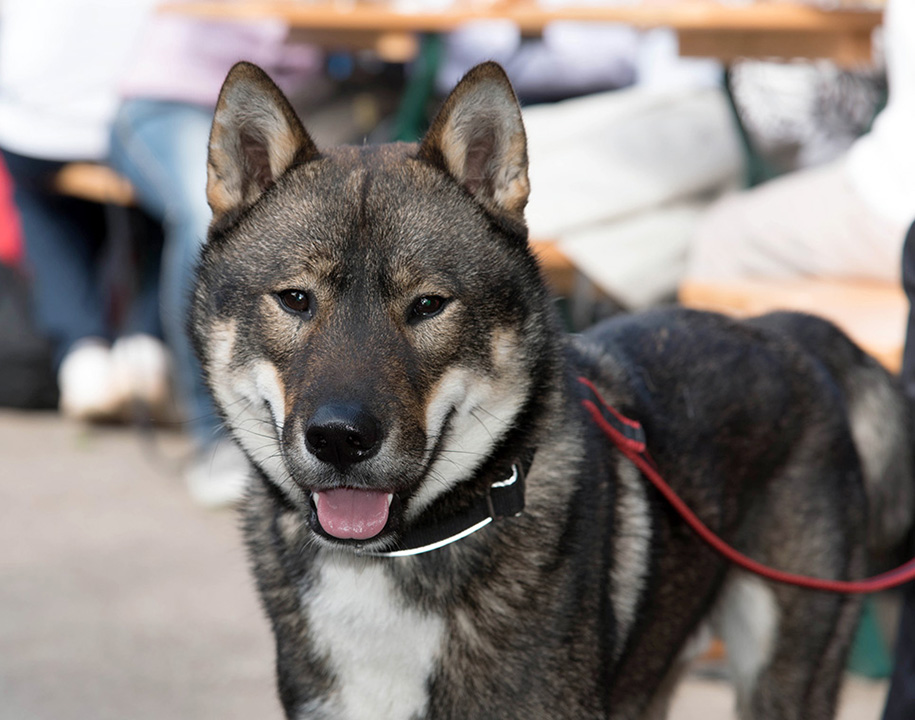
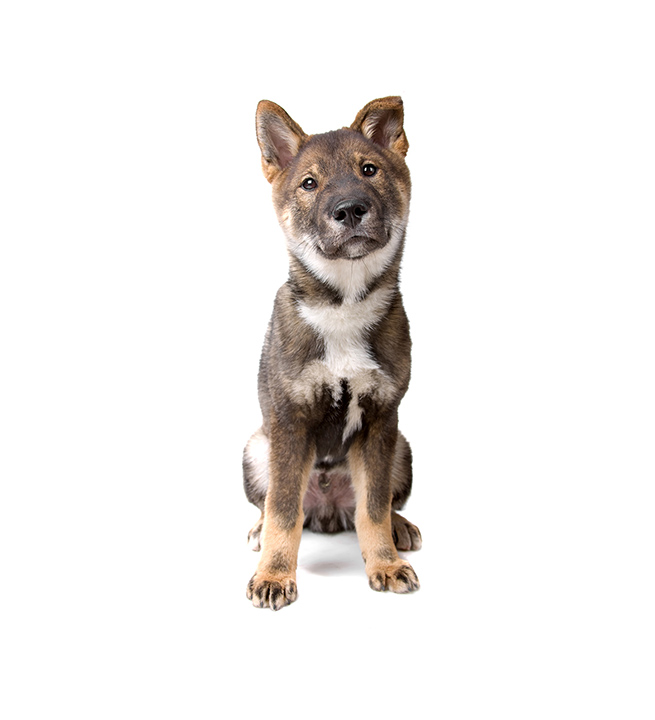
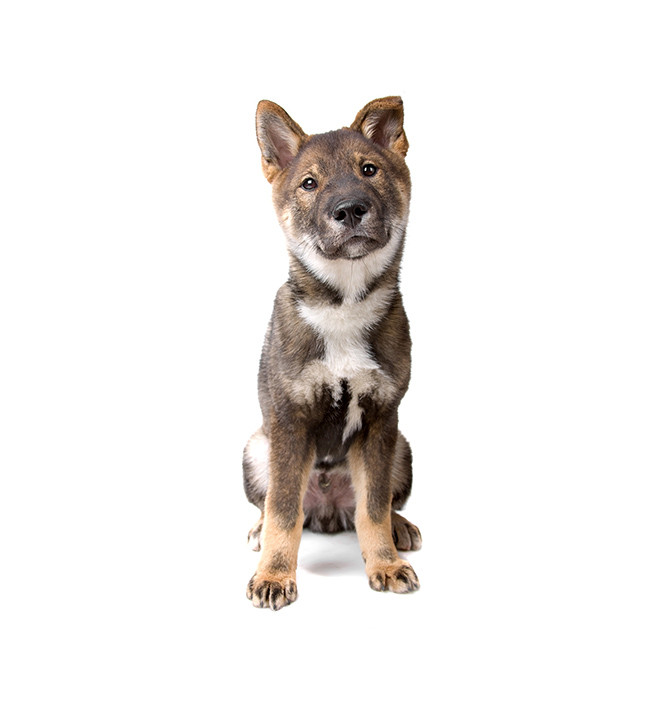
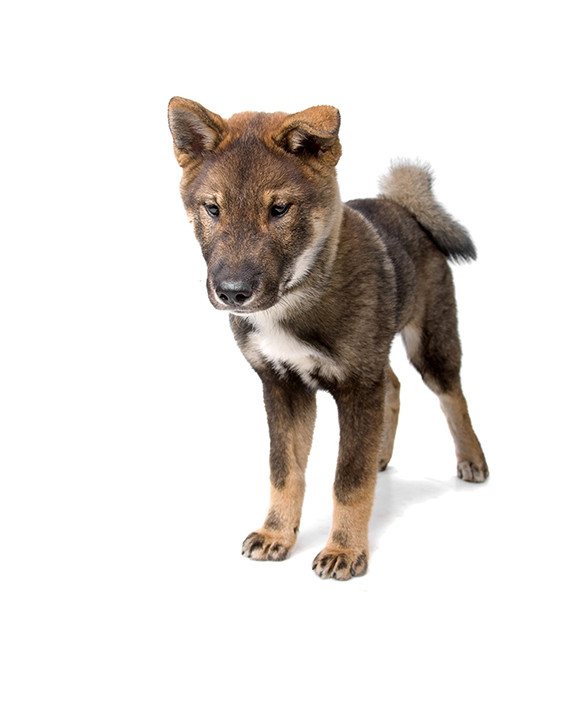
Эта японская собака наделена компактным и пропорциональным телосложением среднего размера, но с хорошо развитым костяком. У собаки породы сикоку мускулистый, крепкий корпус немного вытянутой формы. Кобели породы шикоку обычно крупнее сук.
Отличительная особенность породы Сикоку (Шикоку)
Голова пропорциональная.
Лоб широкий, стоп слабо выраженный, но отчётливый.
Морда средней длины. Мочка носа чёрного цвета, спинка носа прямая.
Губы сухие.
Зубы крепкие, прикус ножницеобразный.
Глаза: небольшие, треугольной формы, посажены широко. Цвет глаз — тёмно-коричневый.
Уши: небольшие, треугольные, стоячие, остроконечные, слегка наклонены вперёд.
Шея: толстая и крепкая.
Корпус: телосложение компактное, крепкое, костяк хорошо развит.
Холка высокая, хорошо развитая.
Спина прямая и крепкая.
Поясница широкая и мускулистая.
Грудь глубокая, рёбра выпуклые, упругие.
Живот подтянутый.
Лопатки умеренно наклонные, с развитой мускулатурой.
Предплечья прямые, чётких линий.
Локти прижаты к корпусу.
Пясти слегка наклонные.
Задние конечности мощные, с хорошо развитой мускулатурой.
Скакательные суставы очень сильные. Суставные углы умеренно выражены.
Лапы: с плотно сжатыми, сводистыми пальцами, подушечки плотные и упругие, когти крепкие, чёрного или тёмного цвета.
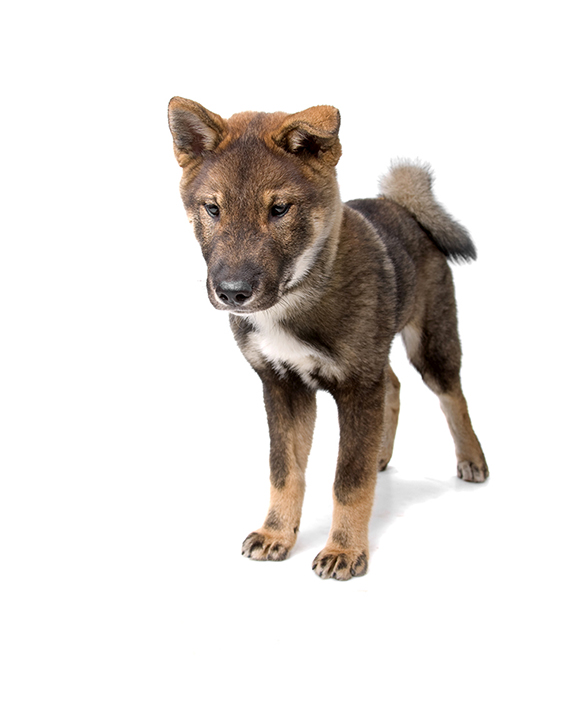
Поставлен высоко, пышный. Собака несёт его над спиной кольцом или изогнутым в виде серпа. Распрямленный хвост кончиком почти достаёт скакательных суставов.
Волосяной покров: остевая шерсть желательно жёсткая, прямая и не длинная, подшерсток мягкий и плотный. Шерсть на хвосте предпочтительно длинная.
Окрас: жёлто-коричневый, рыжий с бежевым, чёрный с бежевым (тигровый).
Движения пластичные, шаг скорее короткий, чем широкий, легкий. Движения быстрые и верткие, с быстрыми поворотами.
Высота в холке — кобели: 52 см, суки: 46 см.
Характер
Собака очень выносливая, чуткая, характер прямой, поведение очень настороженное, послушна хозяину. Азартный охотник.
Содержание и уход
Эти активные псы могут жить даже в квартире, но тогда ему нужно будет предоставлять много физических нагрузок каждый день. Приемлемым местом для проживания и содержания этого подвижного пса, который привык к свободному образу жизни и свежему воздуху, является, конечно же, загородный дом с большим земельным участком, где есть хорошая возможность выплеснуть накопившуюся за день энергию и использовать свой высокий жизненный потенциал собаки-охотника. Эти собаки подойдут человеку, который любит долгие прогулки или охоту.
Продолжительность жизни — 11-12 лет.
Достоинства
Независимая, но хорошо поддается дрессировке. Используется в качестве собаки-компаньона, охотничьей собаки.
Сложность содержания
К другим собакам часто агрессивна, требуется продолжительный выгул.
Болезни
К наиболее распространенным болезням породы относятся: дисплазия тазобедренного сустава (CHD); артриты; проблемы с сердцем; проблемы с ушами; пищевые аллергии; пищеварительные проблемы; проблемы с глазами.