История возникновения
Эта порода ретриверов — старейшая в Англии (упоминается с начала XIX века). Считается, что она восходит по одной линии к мелким ньюфаундлендам, а по другой — к ирландскому водному спаниелю. Возможно, в образовании породы участвовали также сеттеры, пудели и лабрадоры. Впервые была показана на выставке в I860 г. Клуб любителей породы основан в 1896 г., а первый стандарт принят в 1913 г. В викторианской Англии в середине XIX века их больше держали как домашних собак, нежели охотничьих. В наши дни довольно редкая порода, чаще ее можно встретить в Австралии и Новой Зеландии.
Общий вид
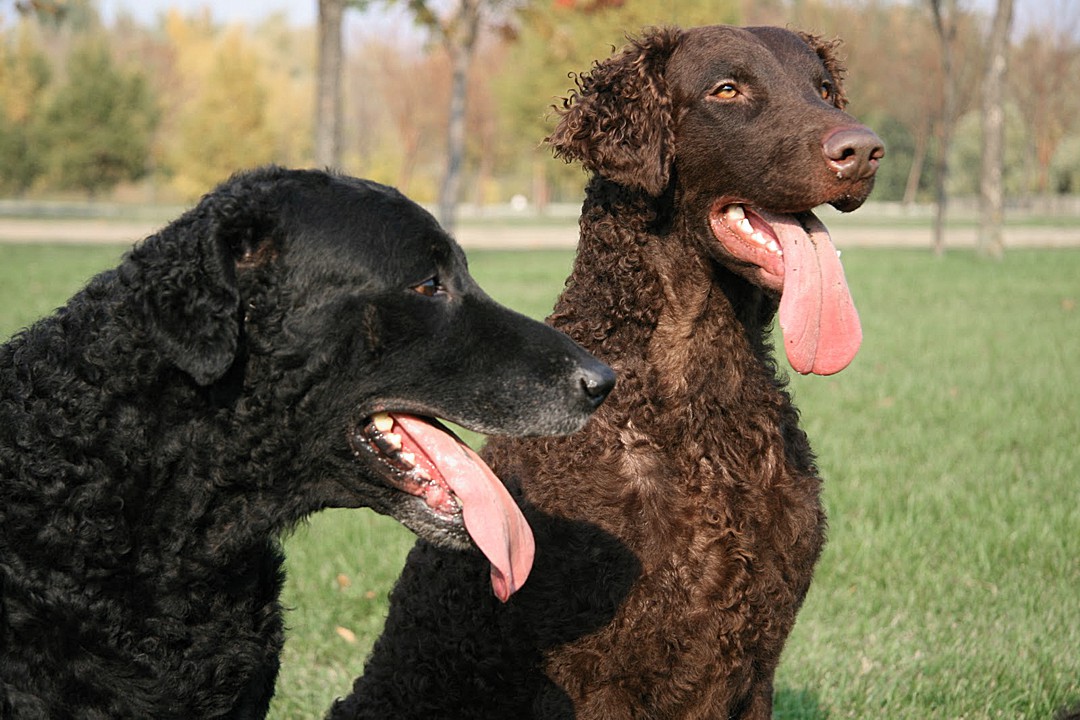
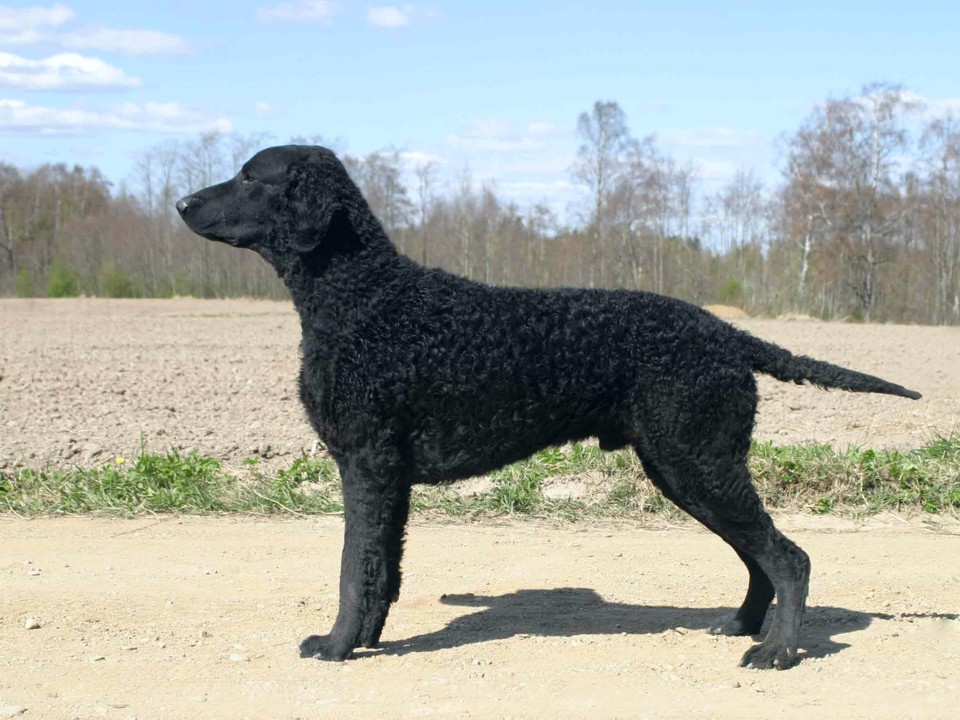
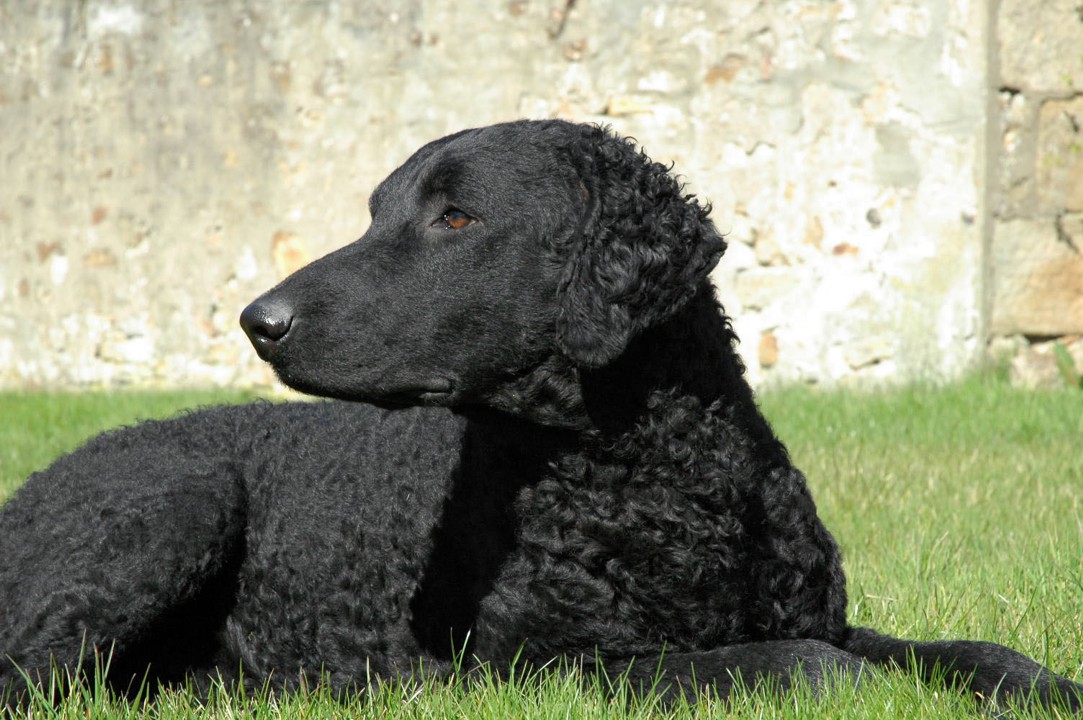
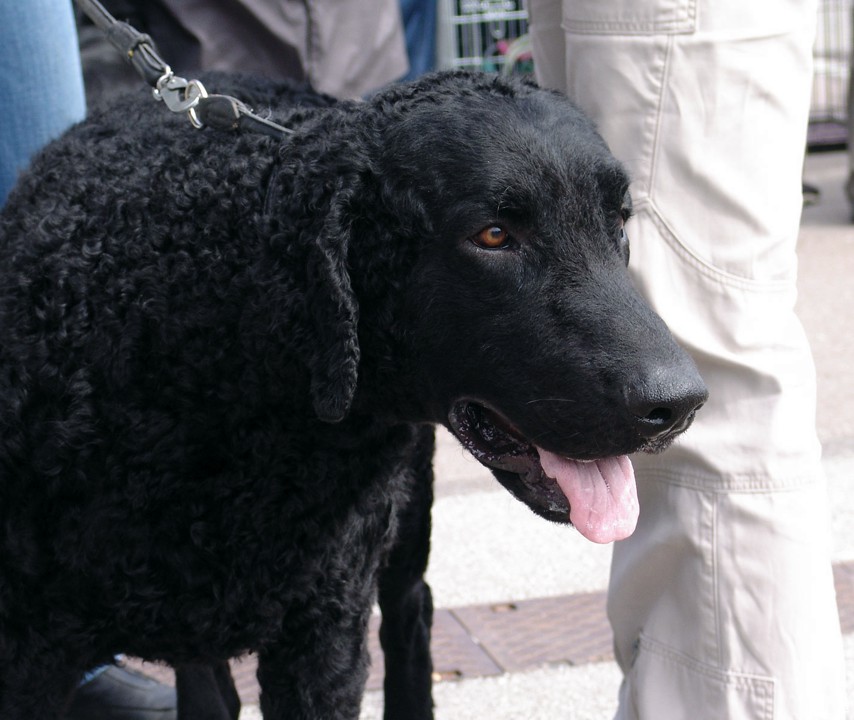
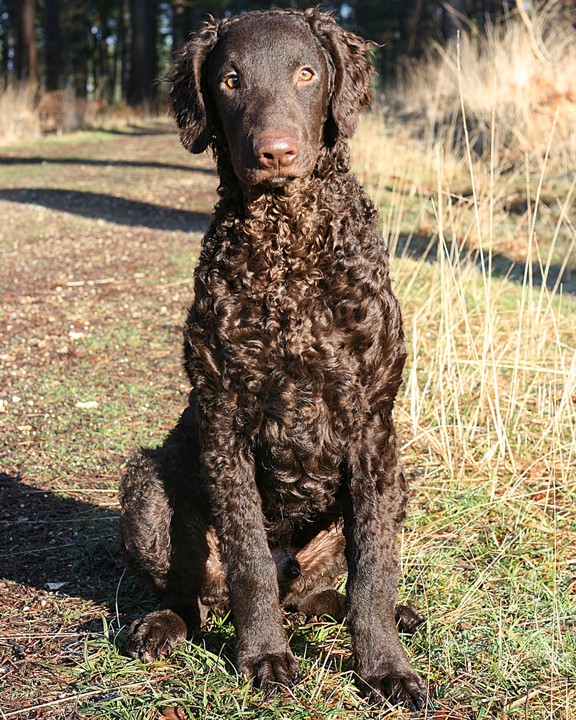
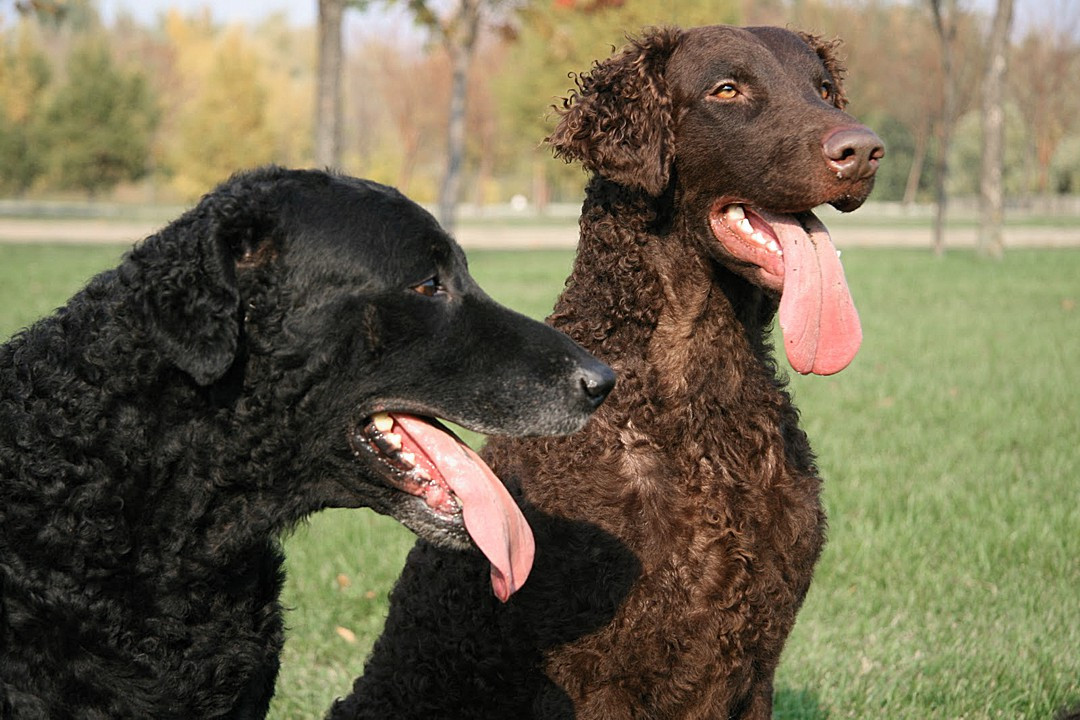
Курчавошёрстный ретривер — крупная и выносливая собака, рост кобелей может достигать 68 см. Они бывают чёрного и коричневого (ливерного) окраса. Отличительной чертой кёрли является их шёрстный покров, представляющий собой сплошную массу жёстких завитков. Шерсть кёрли практически водонепроницаема, поэтому холодная и сырая погода им не страшна. Охотники часто предпочитают коричневых собак, незаметных на болотистой почве, берегах рек и озёр.
Отличительная особенность породы Курчавошёрстный ретривер (Керли)
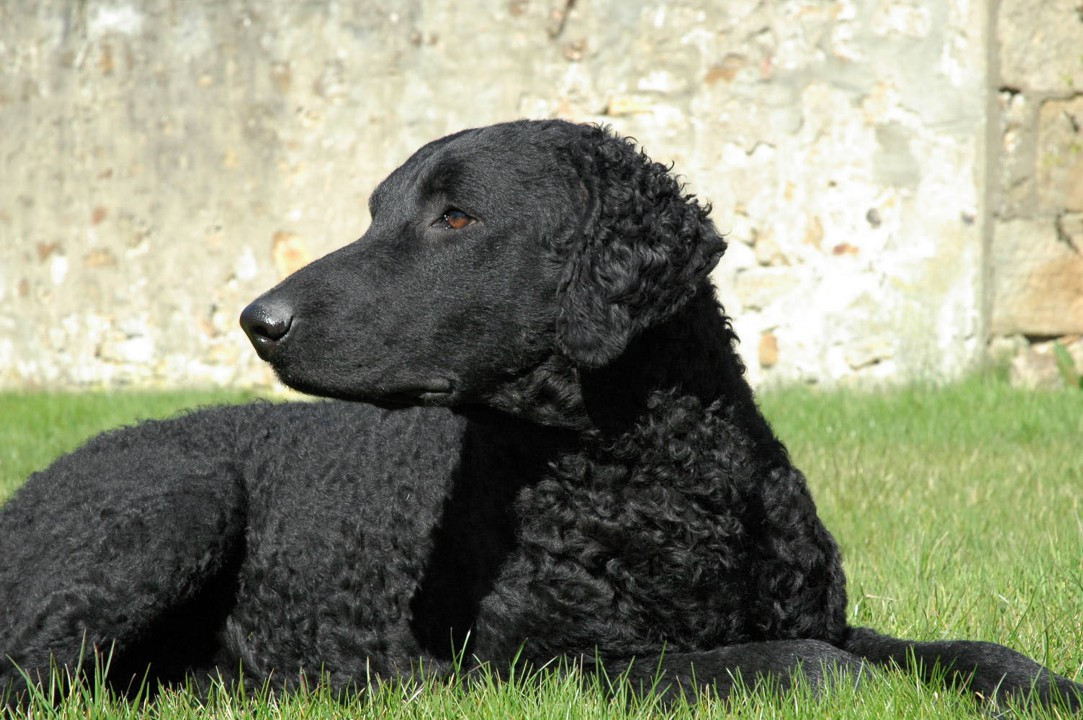
Голова длинная. Черепная часть слегка выпуклая.
Морда не сужается к концу. Переход ото лба к морде плавный. Ноздри широкие. Мочка носа черного или красновато-коричневого цвета.
Губы сухие.
Глаза большие. Черного или карего цвета.
Уши небольшие, посажены на уровне глаз. Висячие, плотно прилегают к голове. Покрыты короткими завитками шерсти.
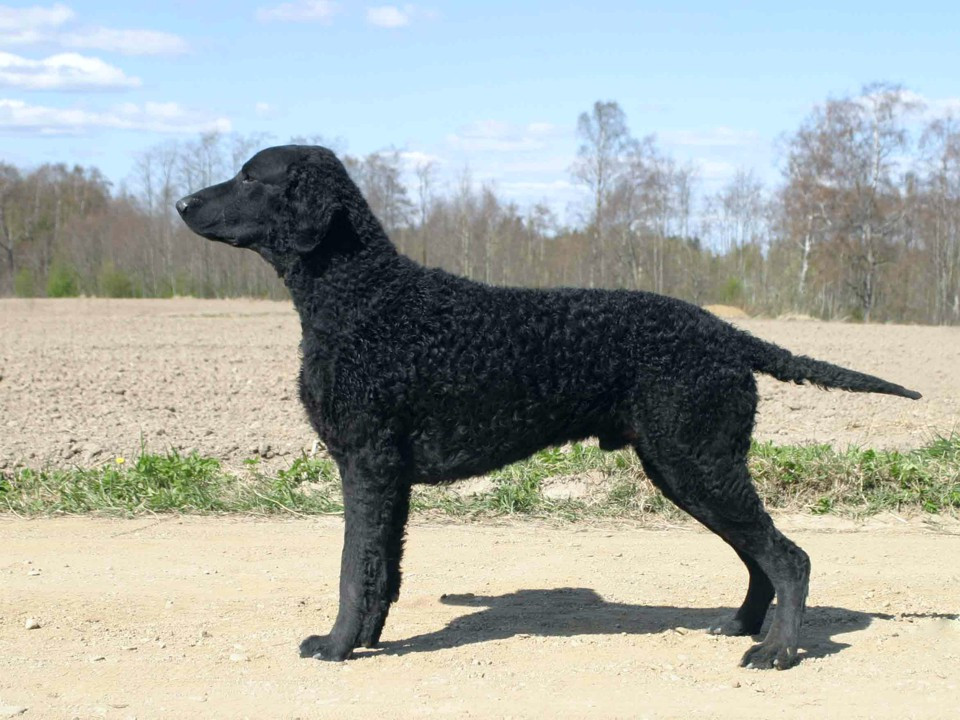
Корпус растянутый.
Шея относительно длинная, без подвеса.
Грудь глубокая.
Ребра выпуклые.
Спина прочная.
Поясница короткая.
Круп покатый.
Конечности мускулистые, костистые.
Лапы круглые, компактные.
Хвост. Довольно короткий, прямой, сужается к концу. Покрыт курчавой шерстью. Никогда не поднимается над линией верха.
Волосяной покров представляет собой сплошную массу жестких завитков, покрывающих все туловище, в том числе хвост.
Окрас одноцветный черный или красновато-коричневый.
Движения легкие, сильные, с хорошим захватом пространства и толчком. Параллельные. При увеличении скорости конечности ставятся ближе к центральной линии.
Высота в холке — кобели: 67,5 см, суки: 62,5 см.
Вес — 30-36 кг.
Характер
Неприхотливая, крепкая, активная, смелая и выносливая собака, обладает острым чутьем. Великолепный пловец, замечательно отыскивает битую дичь. Может охотиться на уток в протоках и болотах, однако используется редко, т. к. курчавая шерсть очень медленно высыхает. Спокойная и ласковая собака, но с независимым характером. При дрессировке необходима твердость. Курчавошерстный ретривер активный и неутомимый охотник на суше, а особенно на воде. Однако он спокойный компаньон в доме. Он чувствительный и мягкий, очень хорошо относится к детям, а также легко реагирующий на команды. Сдержанно относится к незнакомцам, несмотря на то, что достаточно чувствителен. Из него получается идеальный партнер для активного, любящего гулять на открытом воздухе человека, который желает иметь преданного друга семьи.
Содержание и уход
Для жизни в квартире подходит плохо, поскольку должен много двигаться, чтобы тратить свою кипучую энергию. Кудрявая шерсть керли замечательно защищает от всех погодных воздействий. Сложного ухода она не требует, надо лишь вовремя купать собаку и 2 раза в неделю чистить шерсть щеткой. Собаки данной породы – прирожденные охотники. Они прекрасные пловцы и обладатели мягкой хватки, в связи с чем особо ценятся любителями утиной охоты. Курчавошерстные ретриверы чрезвычайно энергичны и подвижны. Они нуждаются в постоянном движении, беге на длинные дистанции и активных играх. Такой собаке будет неуютно в городской квартире, лучшее место для нее – дом с большим участком, по которому она сможет свободно передвигаться. Курчавошерстный ретривер при необходимости может проявлять и охранные качества, но исключительно из-за своей огромной преданности семье и стремлении не дать в обиду любимых хозяев. Это не собака-телохранитель, а собака-компаньон. Эти псы очень любят общение и скучают в одиночестве. В качестве развлечений подходят игры на свежем воздухе, а также все виды собачьего спорта. Курчавошерстные ретриверы могут использоваться в качестве спасателей на воде. Курчавошерстный ретривер обучаем и хорошо дрессируем, интеллектуально развит и поэтому требует, чтобы для него находились интересные занятия. Единственное, чего не любят эти собаки – монотонности повторений во время дрессуры, им быстро надоедает множество раз выполнять команды, которые они итак уже успешно усвоили.
Продолжительность жизни — 9-14 лет.
Достоинства
Отличный сторож; прекрасный пловец; хорошо идет по следу.
Сложность содержания
Такой собаке будет неуютно в городской квартире, лучшее место для нее – дом с большим участком, по которому она сможет свободно передвигаться.
Болезни
Главные проблемы: врожденный порок сердца. Редкие заболевания: дистихиаз, катаракта.