История возникновения
Лейкленд терьер был выведен в Англии, в горах "Озёрного края". Лейкленд терьера выводили из таких пород как: бордер-терьер, бедлингтон-терьер, денди-динмонт-терьер, фокстерьер и старо-английский жесткошёрстный терьер. Известно, что собаки этой породы охотились вместе с гончими и защищали овчарни от крыс и лис. Эти собаки работали в горах и в воде.
Общий вид
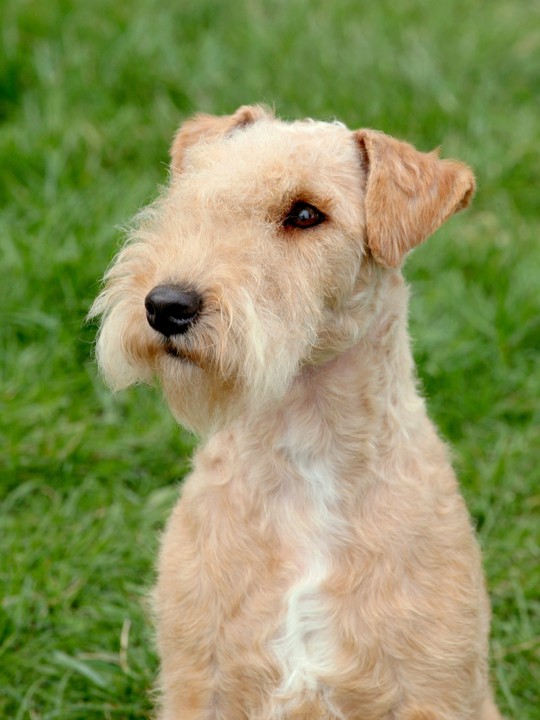
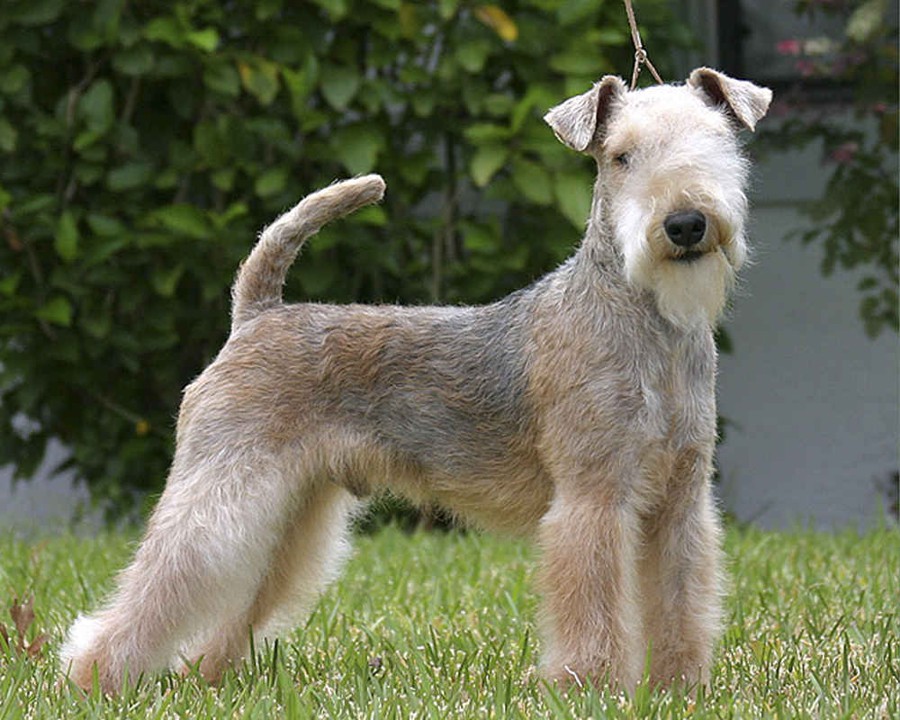
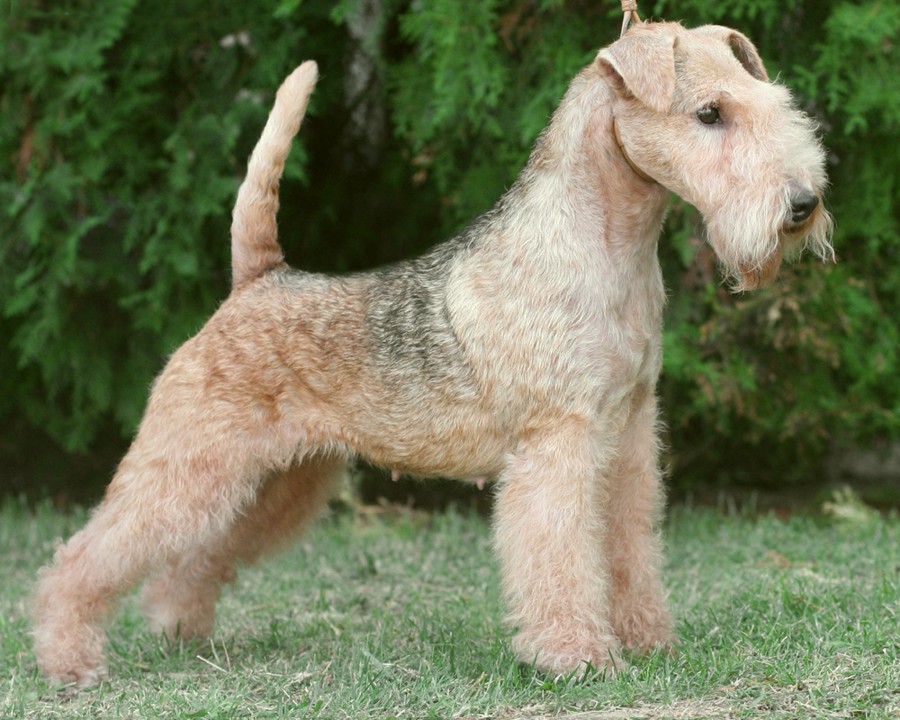
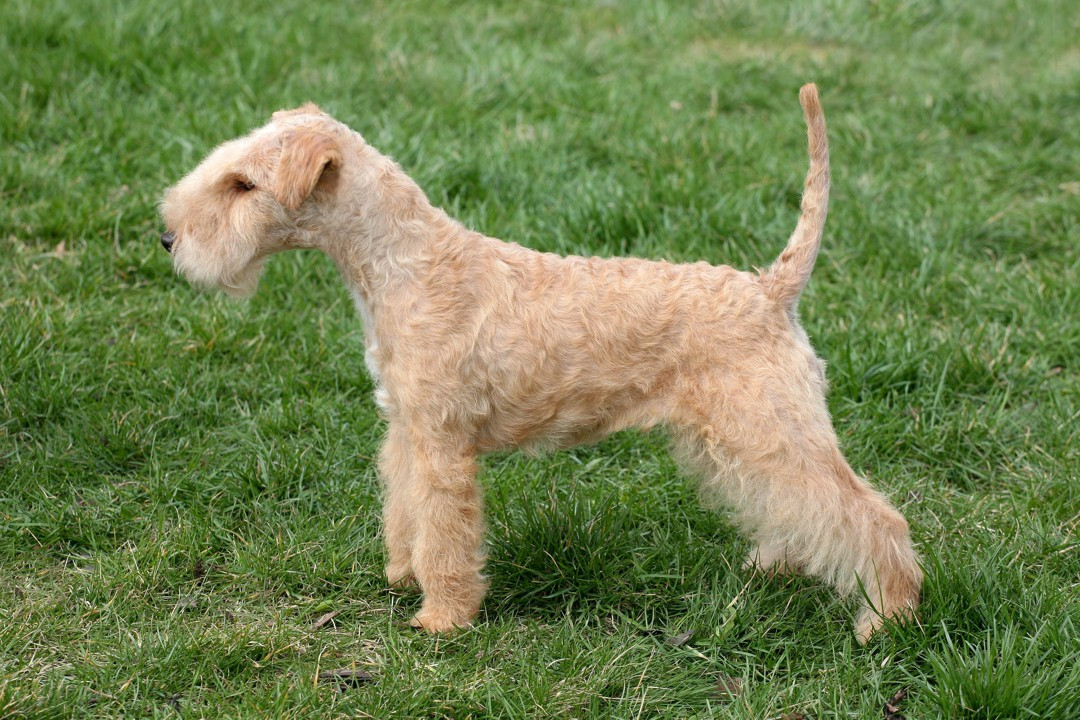
Лейкленд-терьер был выведен для охоты на грызунов в невысоких, труднопроходимых горах района Лейк. Это маленькая, рабочая собака крепкого сложения и квадратного формата. У нее глубокий и относительно узкий корпус, что позволяет собаке протискиваться в расщелины. Лейкленд довольно высоконог, чтобы легко передвигаться по пересеченной, труднопроходимой местности.
Отличительная особенность породы Лейкленд терьер
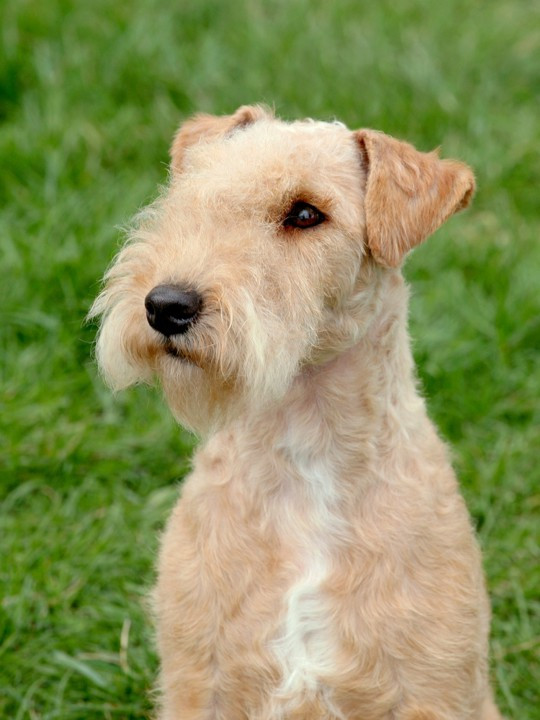
Голова лейкленд терьера гармоничных пропорций.
Череп плоский.
Морда широкая. Мочка носа черного или коричневого цвета.
Челюсти мощные.
Глаза карего цвета или темные.
Уши небольшие, треугольной формы, концы свисают вперед, плотно прилегая к голове.
Шея: вытянутая, слегка сводистая, лишена подбрудка.
Корпус лейкленд терьера компактный.
Грудь средне узкая.
Спина сильная, короткая.
Конечности сильные. С крепким костяком.
Лапы небольшие, округлые, компактные.
Хвост обычно купирован. Правильно посажен, держится весело, но не над спиной и не скрюченным.
Шерсть плотная, жёсткая и устойчивая к непогоде, с хорошим подшёрстком.
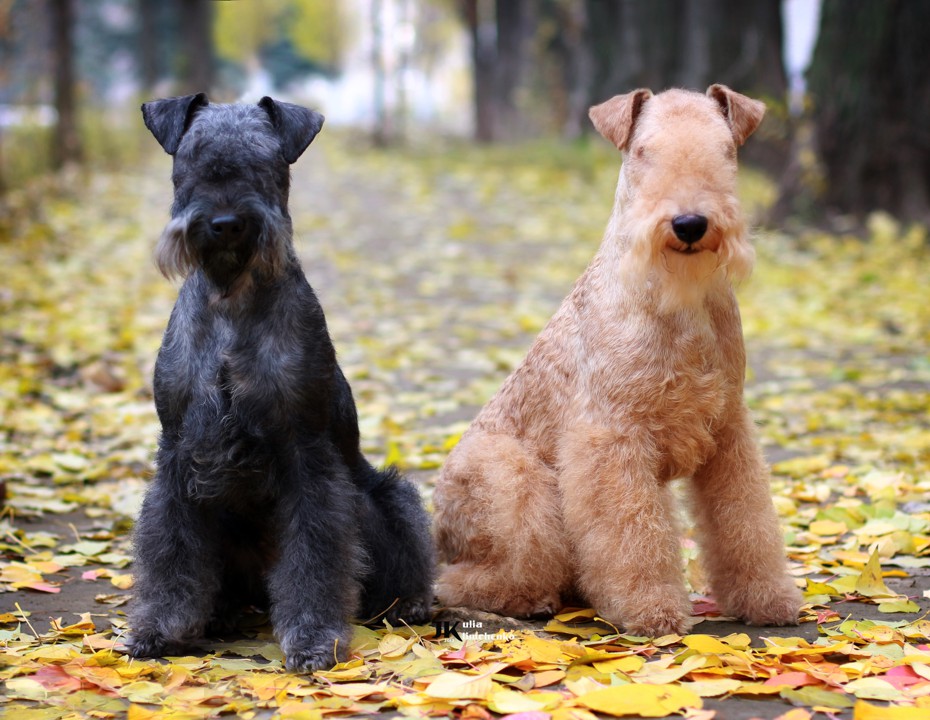
Окрас может быть любым. Одноцветные окрасы включают в себя голубой, черный, печеночный, красный и пшеничный. Чепрак покрывает загривок и спину, спускаясь на бока корпуса и верх хвоста. Он может быть голубым, черным, печеночным или «в седине». Остальные части тела собаки (голова, горло, плечи и конечности) пшеничного или золотисто-желтовато-коричневого цвета. Чепрак «в седине» создается вкраплением красных или пшеничных волос, смешанных в различных пропорциях черного, голубого или печеночного окрасов чепрака.
Движения прямолинейные и свободные, с хорошим вымахом передних и сильным толчком задних конечностей. При взгляде спереди или сзади ноги движутся прямо, не выворачиваясь ни наружу, ни внутрь, локти прижаты к телу, скакательные суставы параллельны. При увеличении скорости движения конечности направляются к линии центра тяжести (не следует путать со связанными движениями).
Высота в холке — 34-37см.
Вес — 6,7-7,7 кг.
Характер
Крепкая, живая, смелая собака с твердым характером, прекрасно работает в воде по выдре и в норе по лисе и барсуку. Крепко привязывается к своему владельцу. Веселая, нежная с детьми. Прекрасный компаньон. С подозрением относится к чужим людям. Хорошая сторожевая собака. При дрессировке требуются терпение и выдержка.
Содержание и уход
Эту собаку можно содержать как в городских, так и загородных условиях. Шерсть собак этой породы двойная, очень густая и плотная, что делает уход за ними довольно непростой задачей. Несмотря на то, что лейкленд терьер практически не линяет, ему требуется тщательный уход. Необходимо регулярно чистить щеткой, а примерно 3 раза в год подвергать триммингу и стричь. Помимо этого следует регулярно выщипывать волосы в ушах собаки, а также постоянно следить за чистотой характерной для этой породы бороды. В еде неприхотлив. Эта собака нуждается в регулярных длительных выгулах с умеренными физическими нагрузками. Он любит активные прогулки и спортивные состязания станут для него любимым занятием. Лейкленд Терьер очень любит рыться в земле. Поскольку этой подвижной собаке свойственна природная агрессивность, как и всем терьерам, она требует настойчивого и продолжительного обучения. Этой энергичной от природы собаке требуются разнообразные учебные методы. Обратите внимание на то, что лейкленд терьера бывает трудно приучить соблюдать чистоту в квартире. Для того чтобы у вашего любимца появились хорошие манеры, ему необходимо прохождение курса общей дрессировки и настойчивое последовательное обучение. Рацион любой собаки должен быть полноценным. Это значит, что вместе с пищей в организм животного должны поступать: белки, жиры, углеводы, витамины, минеральные вещества и микроэлементы. Основными источниками белка являются мясо, рыба, творог. Также полезно собаке давать яйца. Мясо должно быть нежирным. Лучше если это будет говядина, индейка или мясо кролика. Молоко тоже очень полезно. Однако, его лучше давать вместе с кашами или с сухарями. Каши всегда нужно варить, на воде, молоке добавляют перед самым употреблением. Очень полезны для животных овощи, фрукты и зелень. Это основные источники витаминов. Это всё лучше подавать в измельчённом виде. К сырым овощам, ягодам и фруктам щенка нужно приучать с раннего возраста. Собакам очень полезно давать хрящевые кости, они содержат большое количество минеральных веществ. Трубчатые кости давать нельзя, они засоряют желудок, и не принося пользы. Кроме того, они могут ранить пищевод животного. Очень полезными являются субпродукты, особенно селезёнка, печень и почки, в них содержится большое количество микроэлементов. Не кормите собаку жирными продуктами, это может привести к болезням печени. А также нельзя давать маринованные и копчёные продукты, дрожжевую выпечку, картофель, сладости и шоколад.
Продолжительность жизни — 13-15 лет.
Достоинства
Превосходный охранник, который никогда не уступит того, что считает своим. Мужество, сила, отвага, все качества подружейной собаки и домашнего компаньона.
Сложность содержания
Повышенная возбудимость.
Болезни
У лейкленд-терьеров наблюдались такие заболевания, как: 1. Дистихиаз - наличие дополнительных ресниц. Обычно не вызывают у животного дискомфорт, однако, в некоторых случаях, могут вызвать раздражение, воспаление, косоглазие и даже язву роговицы. В таких случаях удаляют часть слизистой вместе с волосяным мешочком. 2. Вывих хрусталика - смещение хрусталика с места традиционного расположения, чаще всего врождённое. Обычно врачи назначают корректирующие линзы, которые улучшают зрение. В сложных случаях удаляют хрусталик глаза. 3. Болезнь Легга-Пертеса - заболевание головки бедренной кости, приводит к полному её разрушению, к стойкой хромоте и потере мышечной массы конечности. Необходимо хирургическое вмешательство. 4. Болезнь фон Виллебранда - наследственное заболевание крови, нарушение её свёртываемости. Наблюдаются частые спонтанные кровотечения. Несмотря на предрасположенность лейкленд-терьров к данным заболеваниям, у них зачастую отличное здоровье. Они входят в число долгожителей.