История возникновения
Выведена во Франции бароном Жерраром в конце 19 века скрещиванием биглей с харрьерами для охоты на оленей, зайцев, лис. Эти две породы, участвовавшие в создании биглей, раньше были одной породой гончих, таким образом, скрещивая их, барон Жеррар замкнул круг.
Общий вид
Крепкая, компактная собака, без следов грубости.
Отличительная особенность породы Бигль харьер
Череп довольно широкий и весьма объёмный.
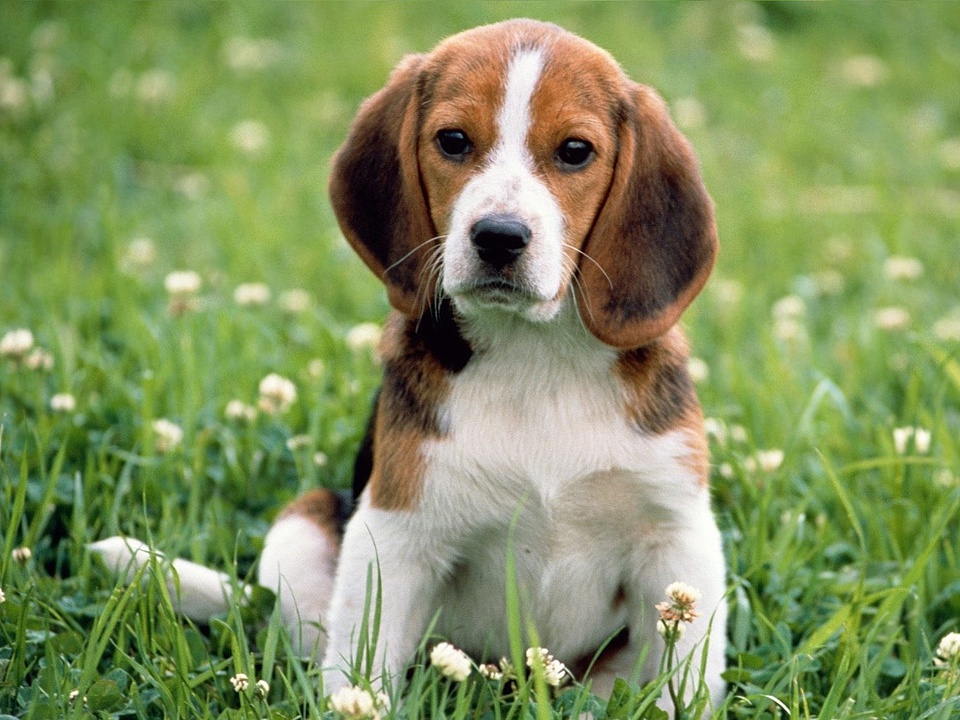
Голова у бигля красивая голова с большими выразительными темными глазами, крупными висячими ушами округлой формы, посаженными несколько выше линии глаз.
Нос с мочкой широкой, крупной, черного цвета.
Морда укороченная, не узкая, с небольшой складочкой в углу губ и заметными "брылями".
Лоб широкий, умеренно выпуклый, с немного выступающим затылочным бугром. Переход к морде хорошо выражен.
Губы умеренно отвислые.
Зубы крепкие, прикус ножницеобразный.
Скулы сухие, гладкие.
Глаза большие, коричневые либо светло-коричневые.
Уши плоско свисают, плотно прилегая к голове собаки.
Шея достаточно длинная.
Корпус имеет компактное туловище.
Спина достаточно короткая, прямая и мускулистая.
Поясница короткая и мощная.
Круп скошенный, но не сильно, широкий, округлый, с развитыми мускулами.
Грудь хорошо развита.
Ребра умеренной округлости.
Живот умеренно подобран.
Передние конечности несколько укорочены, прямые и параллельно поставлены.
Лопатки длинные, плоские, косо поставленные, мускулистые.
Пясти прямые, с крепким, но не грубым костяком.
Задние конечности сильные, мускулистые.
Бедра мощные.
Колени крепкие, с опущенными низко суставами.
Плюсны немного отведенные за седалищные бугры, поставленные отвесно, короткие.
Лапы сводистые ,крепкие, "кошачьи", в комке, на толстых подушечках.
Когти короткие.
Пальцы крепкие, плотно собранные.
Подушечки компактные.
Высоко посажен, держится почти вертикально.
Шерстный покров короткий, густой и плотно прилегающий.
Окрас белый с черным чепраком в ярких румянах и с пятнами на голове цвета румян - трехцветный; рыже- или желто-пегий - двухцветный.
По стандарту движения бигля размашистые, свободные, прямолинейные, сильные, упругие, хорошо скоординированные.
Рост 33-45 см.
Вес 12-18.
Характер
Бигль – это прекрасная собака-компаньон (это общее качество для всех охотничьих собак, ведь они даже в начале становления общей группы проводили все свое время с людьми), олицетворение жизнерадостности и оптимизма. Бигли обладают невероятной энергией и никогда не скучают. Они – стайные охотничьи собаки, поэтому шумными компаниями их не напугаешь, даже совсем наоборот – бигли обожают социальную динамику, приковывая внимание к своей персоне. Чем больше вокруг них людей, тем они счастливее. Обаяние этого питомца никого не может оставить равнодушным. Несмотря на то, что представители породы бигль имеют тенденцию к разрушительному поведению в доме, им все сходит с рук. Ведь хозяин чувствует, что собака это делает не со зла, и, глядя на его весело вздернутый хвост и любящие глаза, продолжает самозабвенно любить озорного пса. К тому же, воспитанный бигль никогда не будет проявлять типично варварские качества, если ему уделять должное внимание. Эти питомцы совершенно не агрессивны и всегда стараются разрядить любой конфликт своим дурачеством. В компании лающих уличных собак или домашней ссоре он постарается перетянуть все внимание на себя, заставляя всех забыть о причине спора. Этот пес всегда словно стремится напомнить окружающим, что зацикливаться на негативном в жизни просто глупо, ведь можно просто радоваться и приносить счастье друг другу независимо от обстоятельств.
Содержание и уход
Бигли очень неприхотливы и просты в уходе. Судите сами: они незаметно линяют, не имеют характерного запаха, чистоплотны и не склонны к обильному слюноотделению. Основа их груминга – всего лишь базовый уход за шерстью. Их короткий и густой покров нужно вычесывать раз в неделю при обычных обстоятельствах и два-три раза в период сезонной линьки. Мыть собак породы бигль следует лишь в случае сильного загрязнения, ведь они очень чистоплотны от природы, а их шерсть способна отталкивать грязь. После прогулки стоит лишь протереть лапы мокрой тряпкой и убедиться, что на них нет порезов. Уход за глазами также типичен. Как известно, о состоянии здоровья собаки говорят именно глаза. Проверяйте их несколько раз в неделю, ликвидируя выделения салфеткой, смоченной специальной жидкостью для гигиены глаз из зоомагазина. Взгляд бигля должен быть ясным и осмысленным. В случае мутных глаз и излишне обильных выделений обратитесь к ветеринару. Уши стоит чистить осматривать раз в неделю и чистить раз в две недели. У этой породы они очень длинны и прижаты к скулам, поэтому не всегда могут проветриваться. Такое строение может стать причиной скопления бактерий, поэтому очищайте их от даже самого незначительного налета и пыли. Когти у биглей достаточно короткие и прекрасно стачиваются естественным образом во время прогулок.
Продолжительность жизни — 12-15 лет.
Достоинства
Умный и преданный компаньон, великолепно ладит с детьми, хорошо подходит для неопытных владельцев.
Сложность содержания
Возможна эпилепсия, слабая работа щитовидной железы, проблемы с глазами и ушами, трудно поддаются дрессировке, охотничьи инстинкты (любят гоняться за мелкой живностью), громко и пронзительно лают.
Болезни
Бигль выносливая и в целом здоровая порода собак, хотя в течение их жизни случаются периоды нездоровья, обычно они хорошо с ними справляются и быстро идут на поправку. Больше всего эта порода склонна к следующим заболеваниям: эпилепсия; диабет; заболевание межпозвоночных дисков; хронический гепатит; лимфосаркома (лимфома); дерматиты. Реже, но у биглей встречаются такие заболевания как: катаракта; глаукома; вишневый глаз; глухота; амилоидоз; гипотиреоз; гиперадренокортицизм (синдром Кушинга); врожденный гипотрихоз; рак тучных клеток.