История возникновения
В 1949 г. выдающийся австрийский ученый, Лауреат Нобелевской премии, Конрад Лоренц в книге Кольцо царя Соломона пишет о двух типах домашних собак: первый тип — собаки, преданные одному лишь хозяину и недоверчивые к посторонним, второй тип — собаки, добродушные со всеми людьми и легко поддающиеся дрессировке. Первых трудно обучать, а вторые слишком доверчивы к посторонним. Лоренц рассказывает о том, как в результате случайной вязки принадлежавших ему немецкой овчарки и чау-чау были получены щенки, сочетавшие лучшие качества обоих типов. Характер этих собак подробно описан в его книге Человек находит друга (Человек встречает собаку) 1954. Эти работы заинтересовали Юлиуса Уипфиля. В послевоенные годы в его дом попала шпицеобразная собака, которая обладала исключительным умом и преданностью. Впоследствии Уипфиль так и не смог найти ей достойную замену, и тогда его жена подала идею о выведении собственной породы собак. Юлиус Уипфель приступил к созданию новой породы вместе с Шарлоттой Балдамус, которая открыла питомник «Йегерсхоф». Юлиус Уипфель поставил перед собой цель создать породу северного типа с красивым, привлекательным окрасом и очаровательным характером, хорошо приспособленную к жизни в домашних условиях. За основу были взяты чау-чау рыжего и чёрного окраса и вольф-шпиц. В начале 1970х гг. новой породой заинтересовался биолог Вернер Шмидт. Он приобрел себе щенка в питомнике «Йегерсхоф» и включился в процесс выведения породы. В это время Шмидт писал докторскую диссертацию у Конрада Лоренца, который обнаружил большое сходство между евразиером и собакой, описанной в его книге. Он также приобрел щенка у Шарлотты Балдамус и впоследствии писал, что не встречал собаки более преданной, чем эта. В 1970х гг. к полученному типу евразиеров была прилита кровь самоедов. В 1980х гг. порода получила свое название, в Германии был открыт первый клуб. Порода признана FCI. Сегодня евразиер популярен в Германии и приобретает известность в других странах Европы.
Общий вид
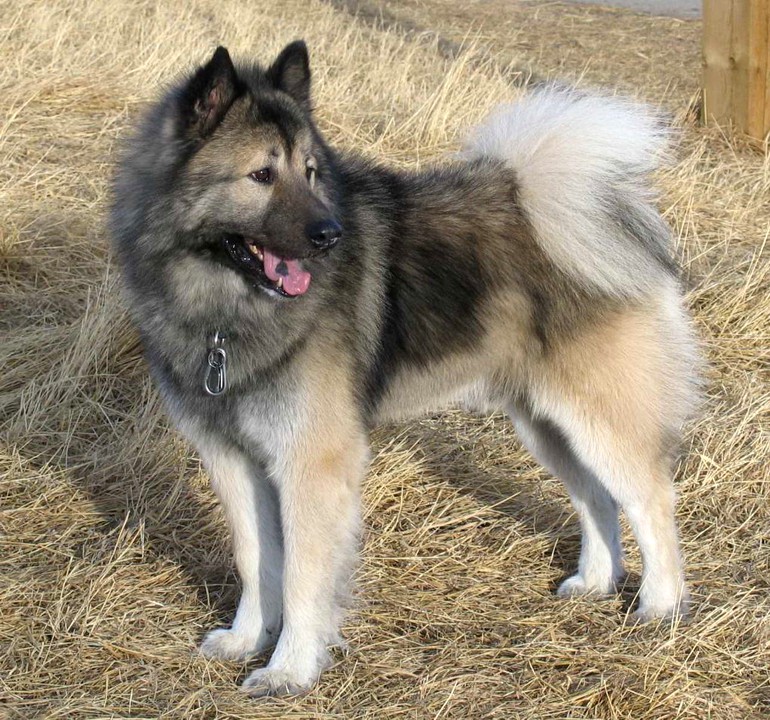
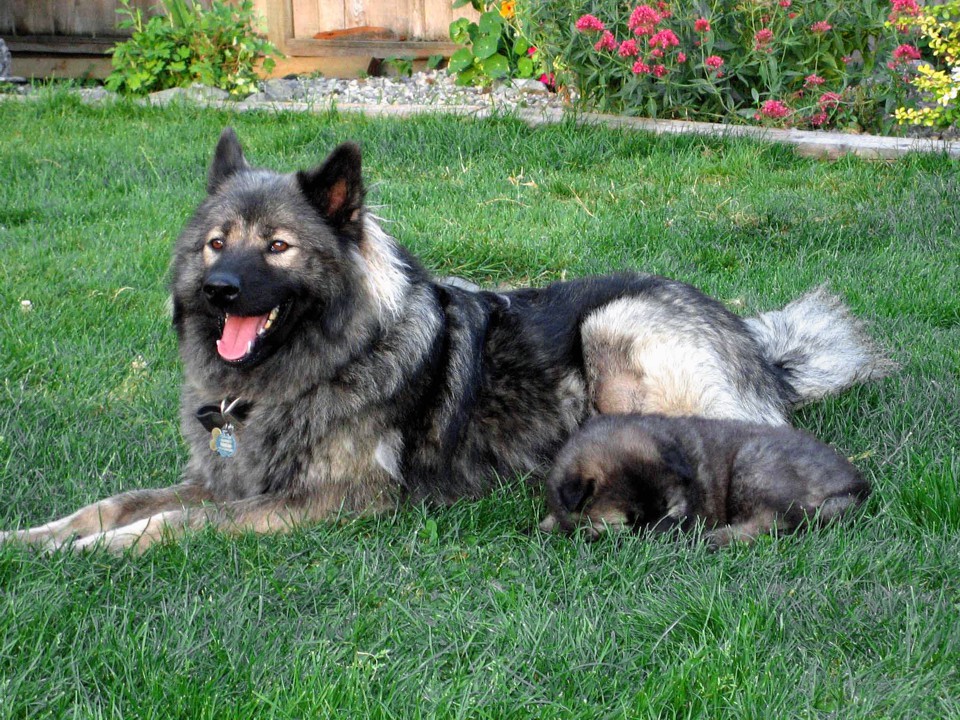
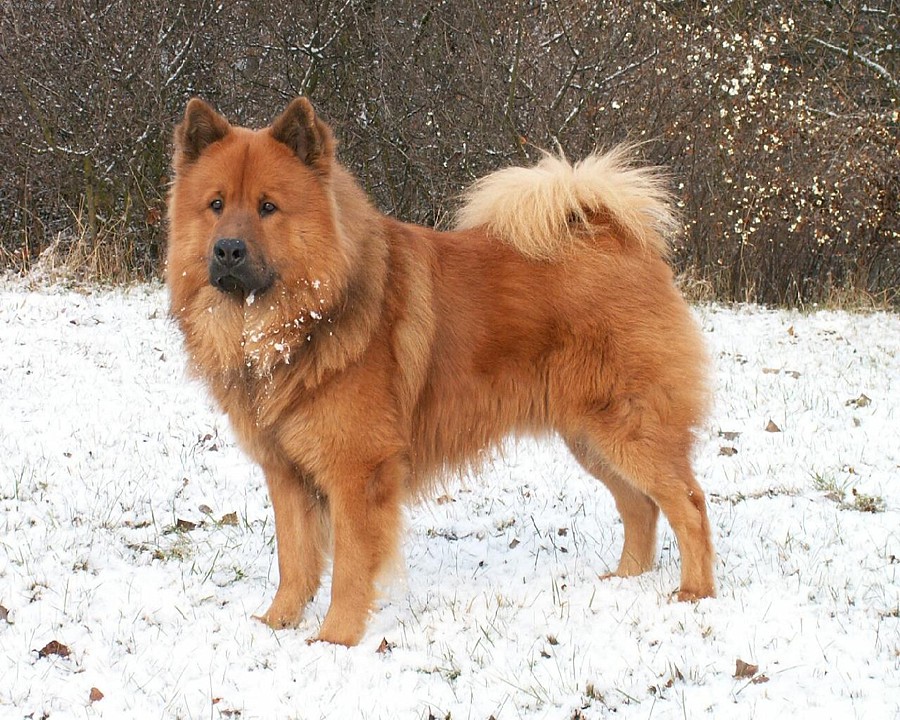
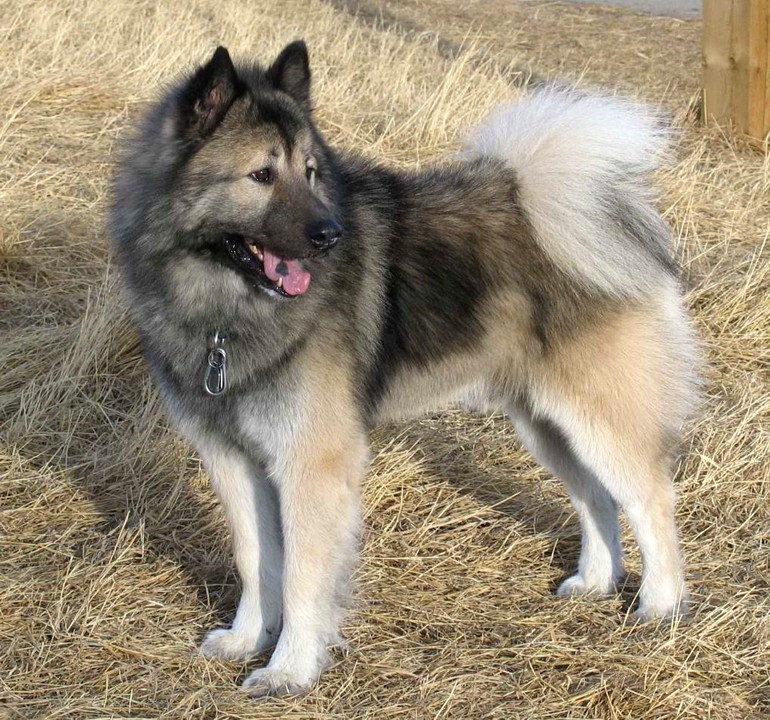
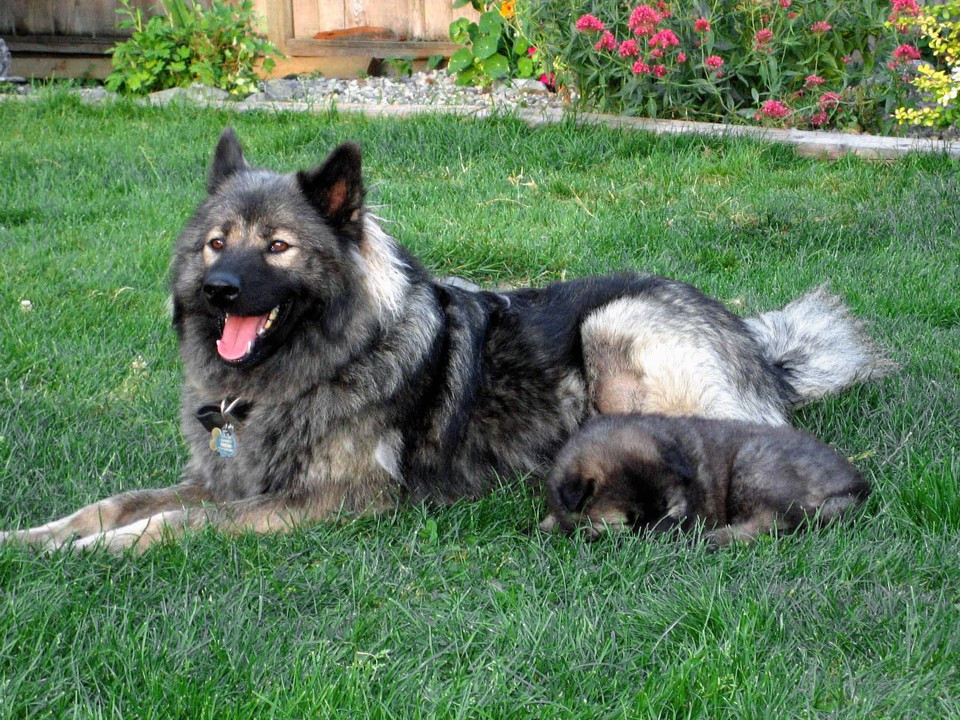
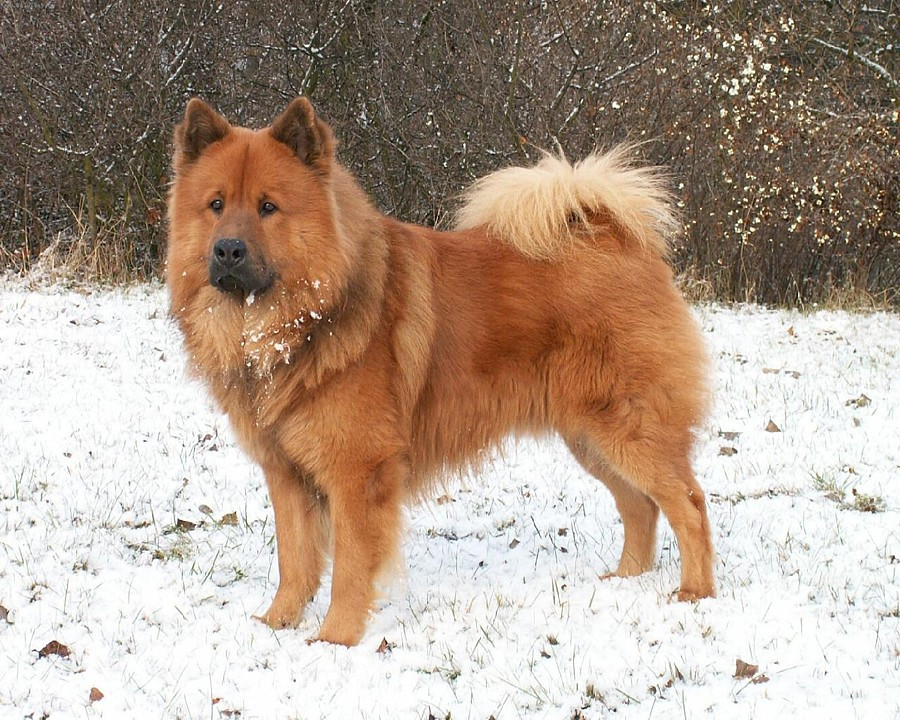
Сбалансированная, крепкая шпицеобразная собака среднего роста, остроухая. Окрас самый разнообразный. Длина шерстного покрова подчеркивает крепкое сложение.
Отличительная особенность породы Евразиер (Ойразиер)
Голова: треугольной формы.
Череп клиновидной формы, не слишком широкий. Переход ото лба к морде не сильно выражен.
Морда сужается к мочке носа.
Челюсти сильные.
Губы черного цвета.
Глаза среднего размера, поставлены чуть косо. Темные. Внутренние края век черного цвета.
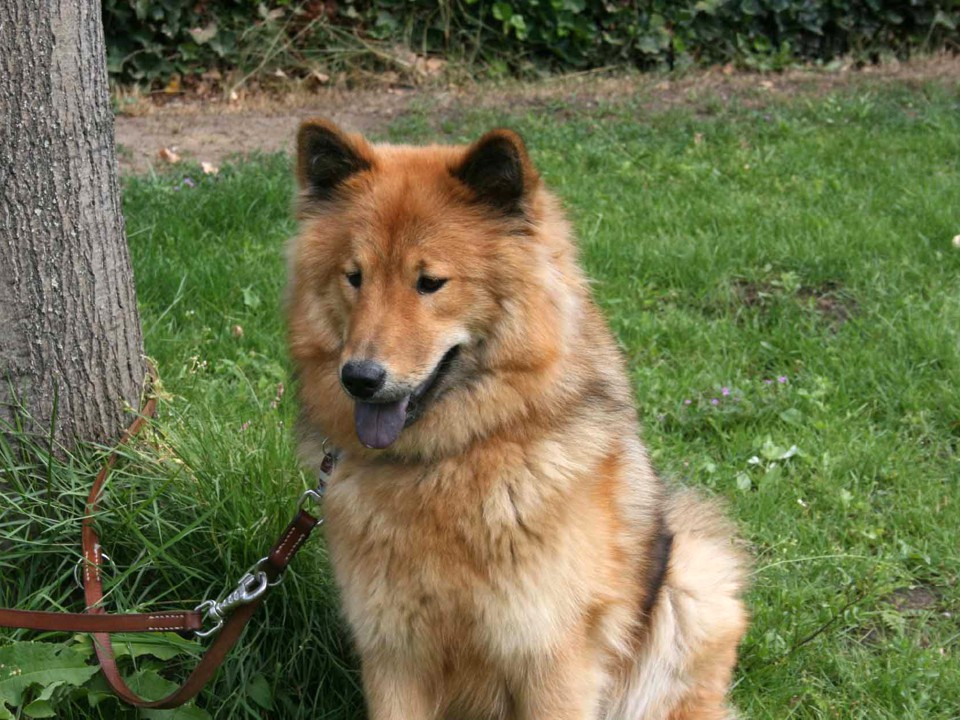
Уши среднего размера, треугольной формы. Концы ушей слегка округленные. Стоят вертикально.
Корпус плотный, не слишком короткий.
Шея мускулистая.
Холка хорошо выражена.
Грудная кость выдается вперед.
Грудная клетка овальная.
Спина прямая, мускулистая.
Круп прямой, широкий.
Конечности мускулистые, с крепким костяком.
Лапы овальные, компактные.
Прямой, круглый и мощный у основания, сужается к концу. Собака держит его в кольце прижатым к спине и боку.
Волосяной покров: шерсть средней длины, несколько приподнятая, прилегает неплотно. На морде и передней части конечностей — короткая, на шее, хвосте и тыльной стороне конечностей — длиннее, образует очесы и штаны. Подшерсток плотный.
Окрас: любой однотонный (черный, красный и рыжий всех оттенков и их осветленные варианты), кроме чисто белого и коричневого.
Основной аллюр рысь и быстрый шаг.
Высота в холке — кобели: 52-60 см, суки: 48-56 см.
Вес — кобели: 23-32 кг, суки: 18-26 кг.
Характер
Евразиер - общительная и приятная собака, отлично подходящая для жизни в квартире или в загородном доме. Это сторожевая собака и собака-компаньон. Энергичная и добродушная с устойчивой психикой, но немного упрямая собака, что, видимо, унаследовалось от чау-чау. Евразиер всегда на страже и готов защищать. Крепко привязывается к хозяину и готов везде его сопровождать. Евразиер спокоен и нежен с детьми, никогда их не обидит. Терпимо относятся к своим собратьям. Преданность и привязчивость к человеку - одна из характерных черт евразийского шпица. Эта собака, которую можно использовать и в качестве ездовой, хорошо приспособлена для жизни в квартире. Это прекрасный, добрый и приветливый спутник, хорошо поддается обучению. Евразийский шпиц покладист, достаточно сделать ему легкий упрек, чтобы он понял свою вину. Пушистая, теплая шерсть способна защитить его от непогоды, но не может уберечь от обиды, незаслуженно нанесенной хозяином. Грубый человек никогда не сможет покорить мягкое сердце евразийского шпица. С чужими людьми ведет себя настороженно, но никогда не нападает. Он никогда не агрессивен и не должен быть неуправляемым Евразиер легко дрессируется, с его воспитанием не должно возникнуть никаких проблем, поэтому эта собака подойдет и для новичка.
Содержание и уход
Если эта собака живет в помещении, ей требуются ежедневные прогулки. Не любит оставаться в одиночестве или сидеть на привязи. Евразиер - любитель долгих и активных прогулок. Он с удовольствием отправится с вами в поход или побежит рядом с велосипедом. Это выносливый и энергичный спутник. Вы можете заняться с евразиером любым видом собачьего спорта. Подойдет аджилити, дог-фризби, зимой можно запрячь евразиера в санки или занять собаку буксировкой лыжника. Густая шерсть евразиера нуждается в интенсивном уходе и регулярном расчесывании. Во время линьки шерсть должна вычесываться более тщательно. Мыть собаку рекомендуется только в случае крайней необходимости. Шерсть евразиера сложно намочить, еще сложнее как следует ее промыть и высушить.
Продолжительность жизни — 11-13 лет.
Достоинства
Достоинством этой породы считают отсутствие у собаки манеры лаять, упиваясь звуком собственного голоса. Евразиер лишь чуть взлаивает, предупреждая о приближении постороннего, либо коротко подвывает, выражая свое неудовольствие. Они обожают детей, и готовы проводить с ними много времени, и терпеть любое их поведение.
Сложность содержания
Никаких сложностей и недостатков не отмечено.
Болезни
Собака отличается крепким здоровьем. Возможна мочекаменная болезнь в зрелом возрасте.