Секция 6. Примитивные
Группа 2. Охотничьи
Группа 2. Охотничьи
Группа 2. Охотничьи
Группа 7. Экзотические
Группа 4. Охотничьи
Группа 4. Охотничьи
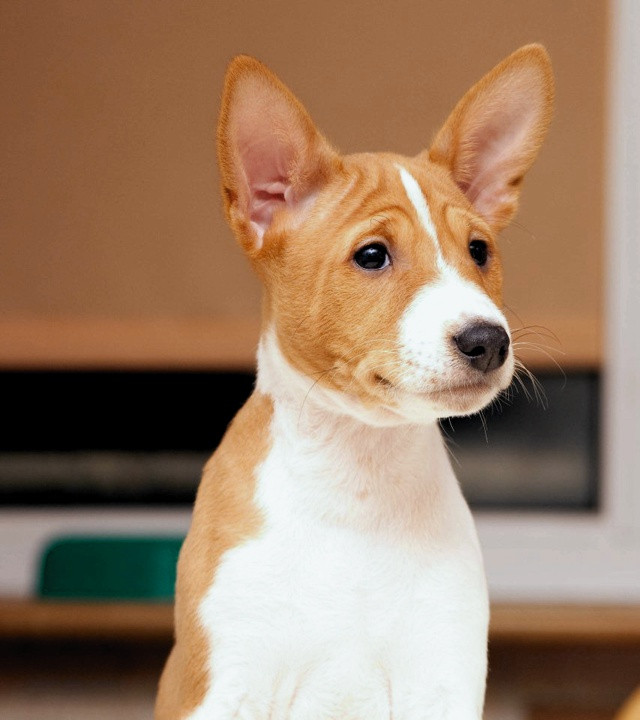
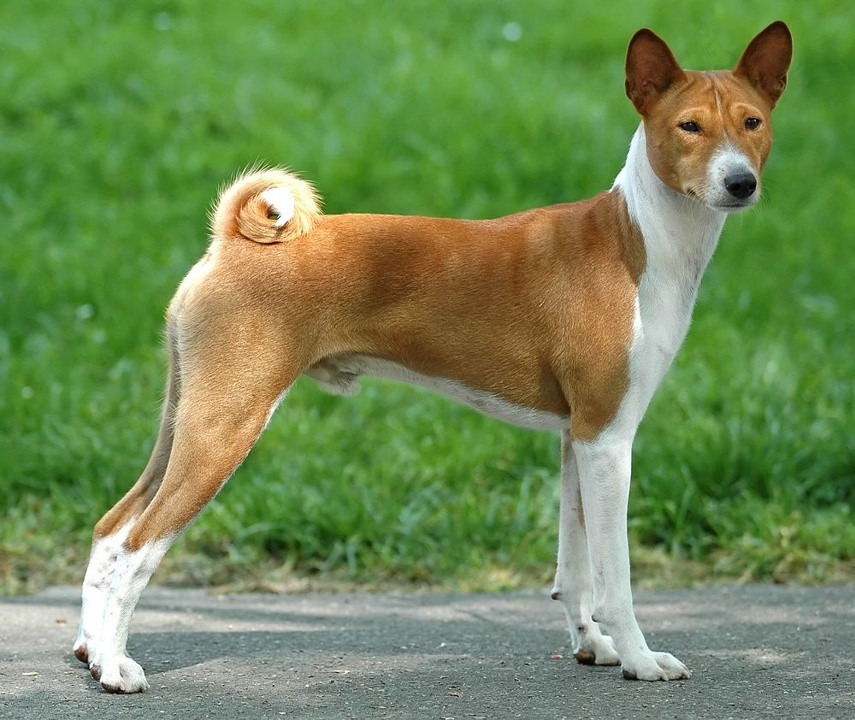
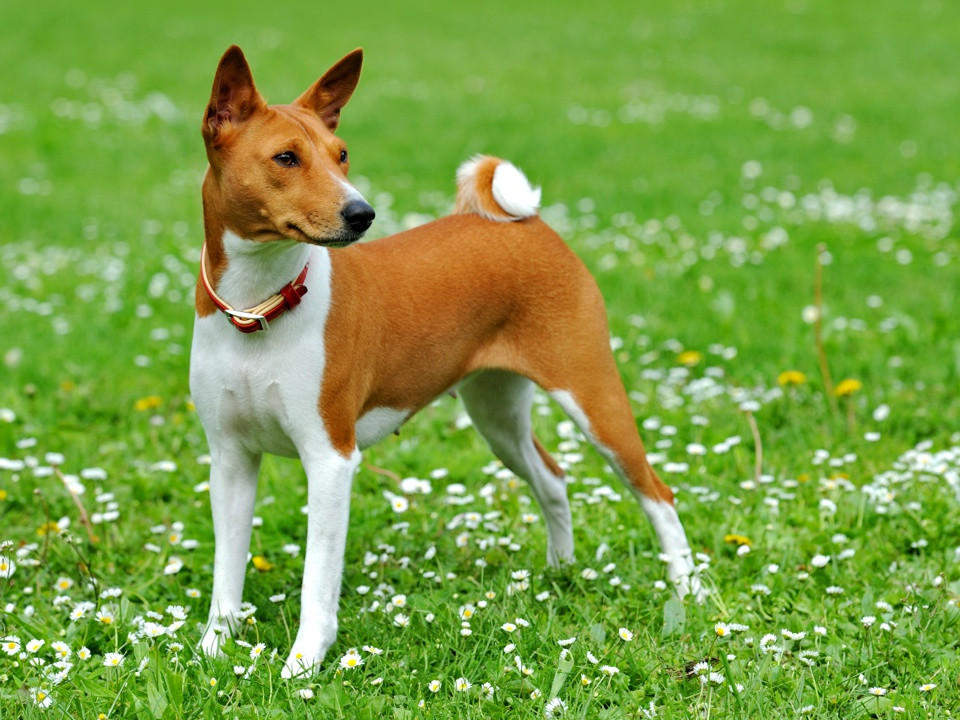
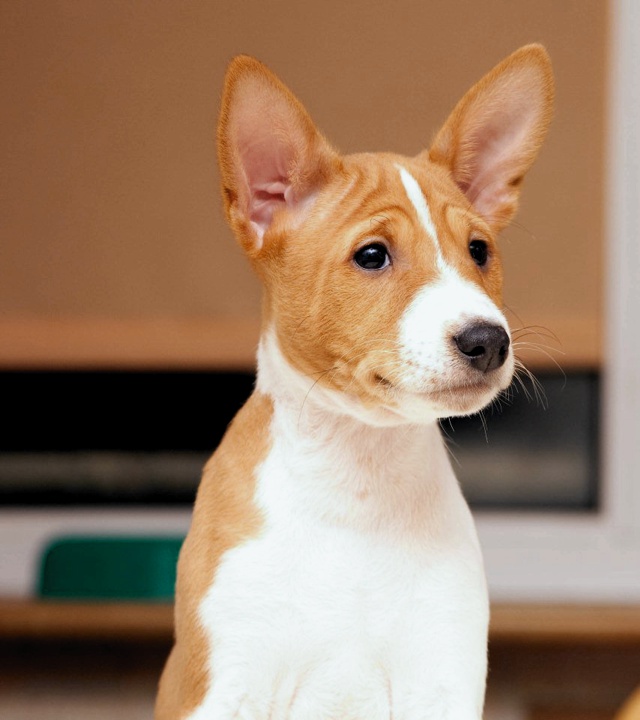
Череп плоский, хорошо очерченный, средней ширины, сужается к носу; боковые линии черепа равномерно конусообразно переходят к морде, сужаясь к носу, образуя чистых линий щеки. Стоп незначительно выражен. Нос желателен черный. Морда не короткая и не грубая, заполненная хорошо под глазами, сужающаяся к мочке носа, но не острая. Губы плотно сжатые, сухие, с черной каемкой. Зубы белоснежного оттенка и довольно большого размера, челюсти сильные с совершенным, правильным и полностью ножницеобразным прикусом, т.е. верхние зубы плотно перекрывают нижние и стоят перпендикулярно в челюстях. Скулы плоские. Глаза темные, миндалевидные, косо посаженные, смотрящие в даль и с весьма загадочным выражением. Уши маленькие, заостренные, стоячие и посаженные несколько капюшоном, тонкой текстуры, стоят заметно кпереди на голове, кончик уха ближе центру черепа.
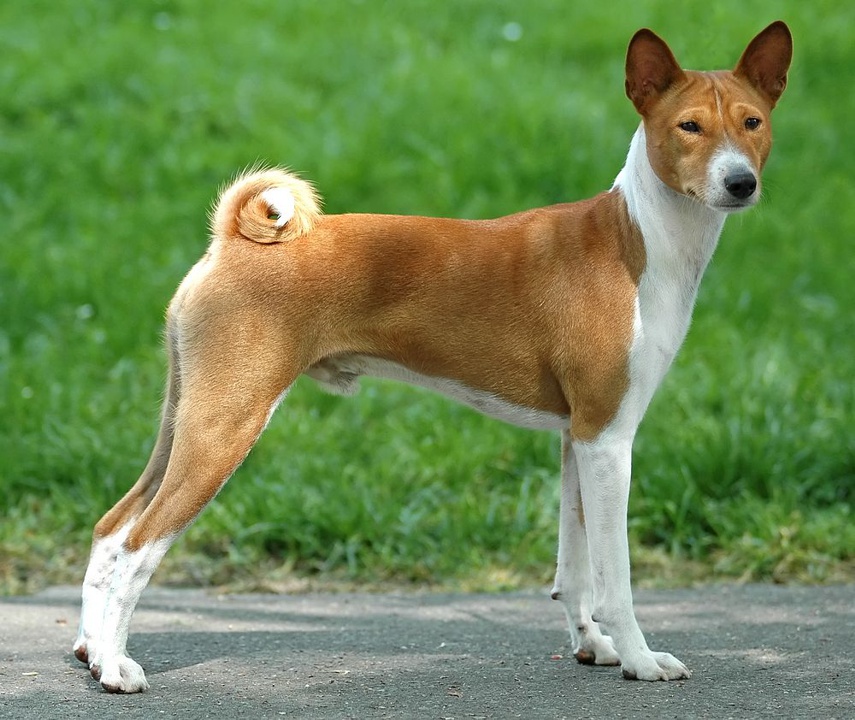
Шея сильная и хорошей длины, не толстая, с заметным загривком и чуть наполненная к основанию горла с изящной кривой, акцентирующей линию гребня. Хорошо посажена в плечи, обеспечивая голове горделивый постав. Корпус сбалансированный. Спина короткая, горизонтальная. Поясница короткая, грудная клетка глубокая и овальная. Круп просторный, не чрезмерно скошенный, сильный. Грудь глубокая. Ребра хорошо изогнутые. Живот едва подобран.
Передние конечности прямые, с тонким костяком. Локти прижаты к груди. При осмотре спереди локти находятся на одной линии с ребрами. Предплечья очень длинные. Лопатки хорошо отведены назад, мускулистые, не загруженные. Пясти хорошей длины, прямые и гибкие. Задние конечности сильные и мускулистые. Бедра мускулистые. Колени умеренно согнутые. Голень длинная. Плюсны низкие, не вывернуты ни внутрь, ни наружу. Лапы маленькие, узкие и компактные, с глубокими подушками, сводистыми пальцами и короткими ногтями.
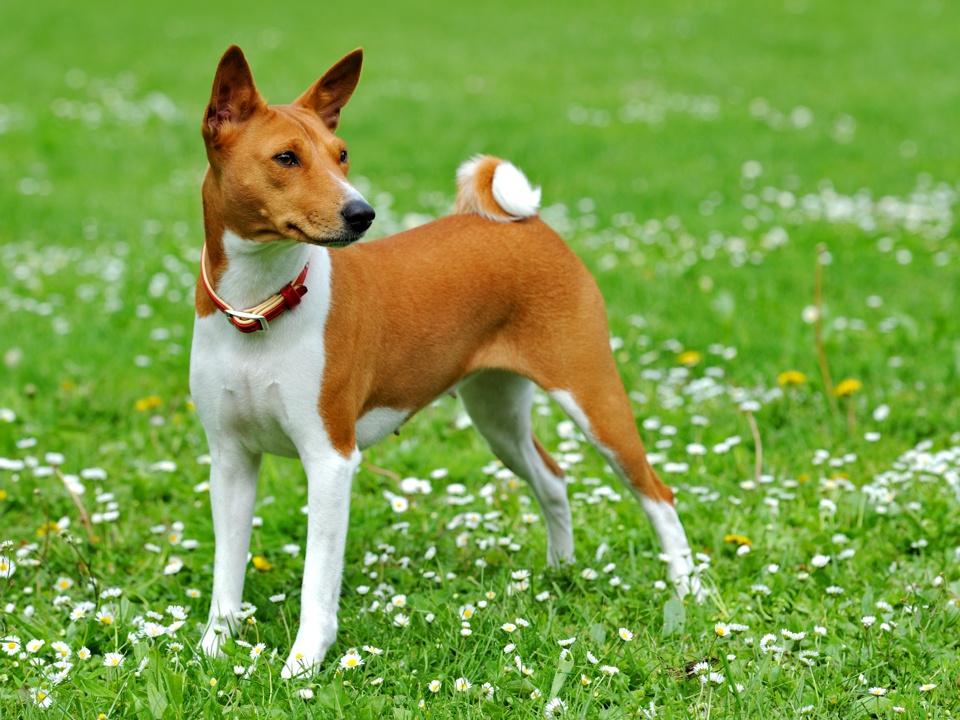
Высоко посажен, задняя кривая бедра выходит за основание хвоста и придает задним конечностям более объемный вид. Завиток хвоста плотно прилегает к позвоночнику и лежит близко к бедру одинарным, или двойным завитком.
Шерстный покров короткий, гладкий и прилегающий, очень тонкий. Окрас чисто черно-белый; рыже- белый; черно-подпалый- белый с отметинами на морде и щеках цвета дынных семечек и коричневого; тигровый : рыжий фон с черными полосами , чем более четко очерчены полосы, тем лучше. Белое должно быть на лапах , груди и кончике хвоста. Белые конечности , проточина на голове и белый воротник не обязательны.
Ноги выносятся прямо вперед быстрыми, длинными , легкими(без усилий), размашистыми шагами.
Рост кобеля 41-43 см, суки — 38-41 см. Вес кобеля 10-12 кг, суки — 9-11 кг.
Чтобы оставить здесь комментарий, войдите или зарегистрируйтесь на сайте.
Авторизация
