

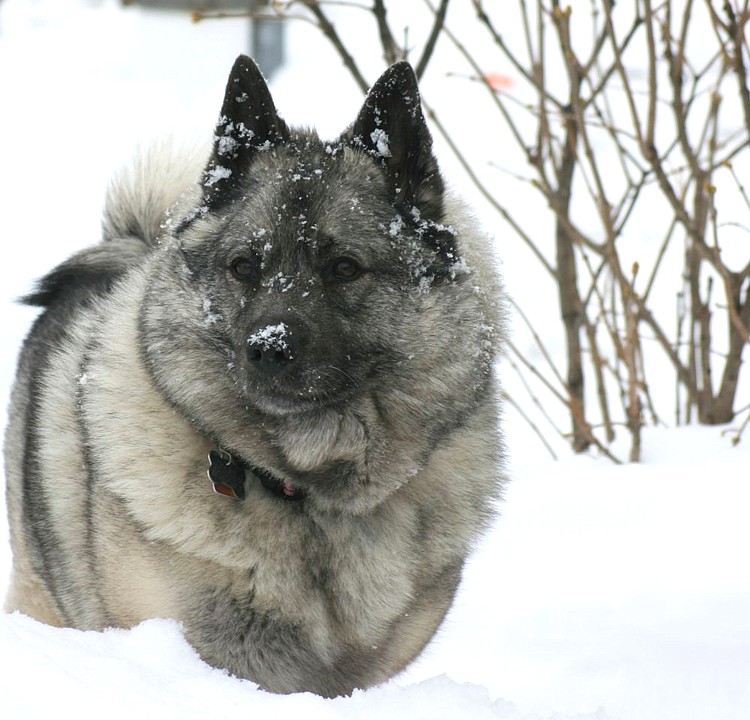

Секция 2. Северные охотничьи собаки
Группа 2. Охотничьи
Группа 2. Охотничьи
Группа 2. Охотничьи
Группа 5. Северные
Группа 4. Охотничьи
Группа 4. Охотничьи

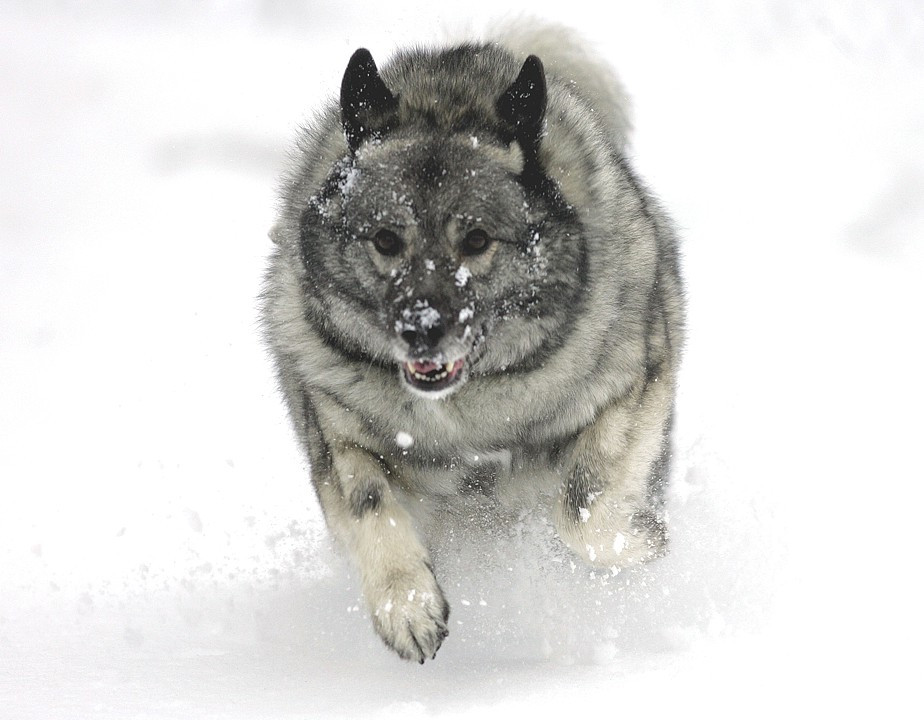
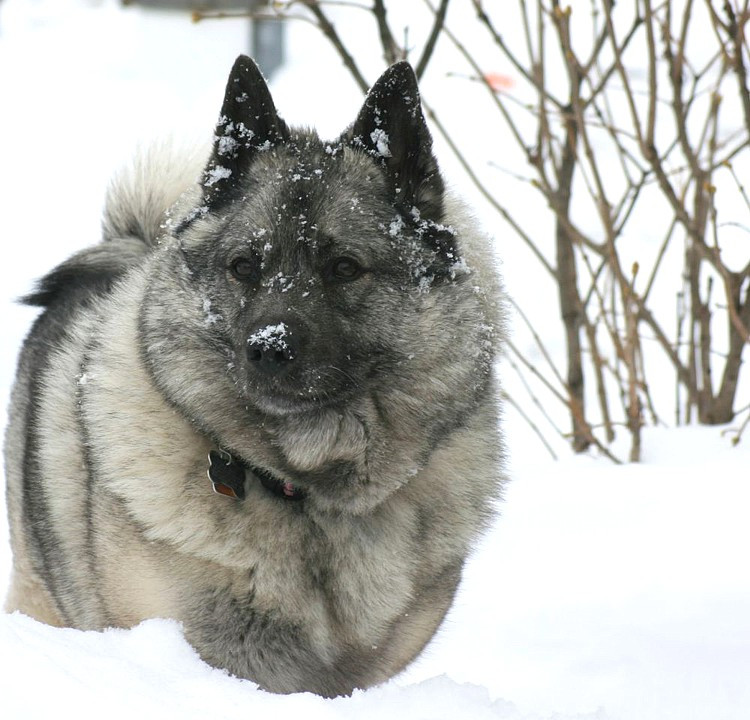
Голова клиновидной формы, довольно широкая между ушами. Переход ото лба к морде не резкий, линия лба слегка изогнута. Морда широкая у основания, равномерно конусообразная сверху и с боков, ни в коем случае не заостренная. Спинка носу прямая, приблизительно равная длине лба. Кожа на голове плотно прилегающая, без складок. Глаза не выпуклые, немного овальные, среднего размера, темно-коричневые, с откровенным, бесстрашным, дружелюбным выражением. Уши высокопоставленные маленькие, твердые и прямостоящие, заостренные и очень подвижные, высота немного больше ширины у основания. Когда настороженны, внешний край должен быть вертикальным. Челюсти сильные с идеально правильным ножницеобразным прикусом, то есть верхние резцы плотно прикрывают нижние.
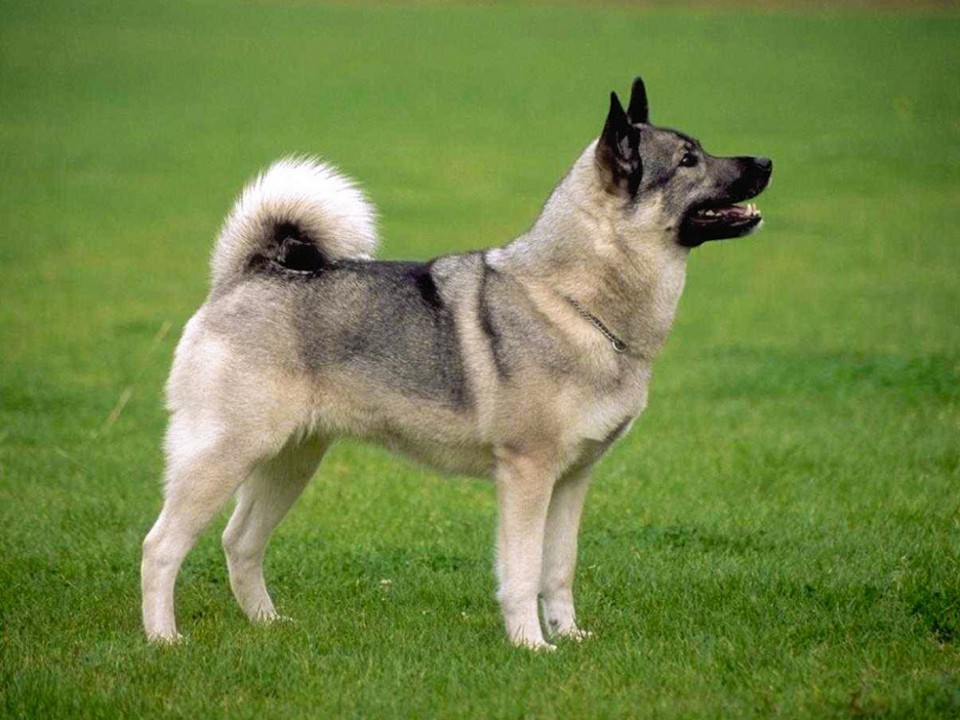
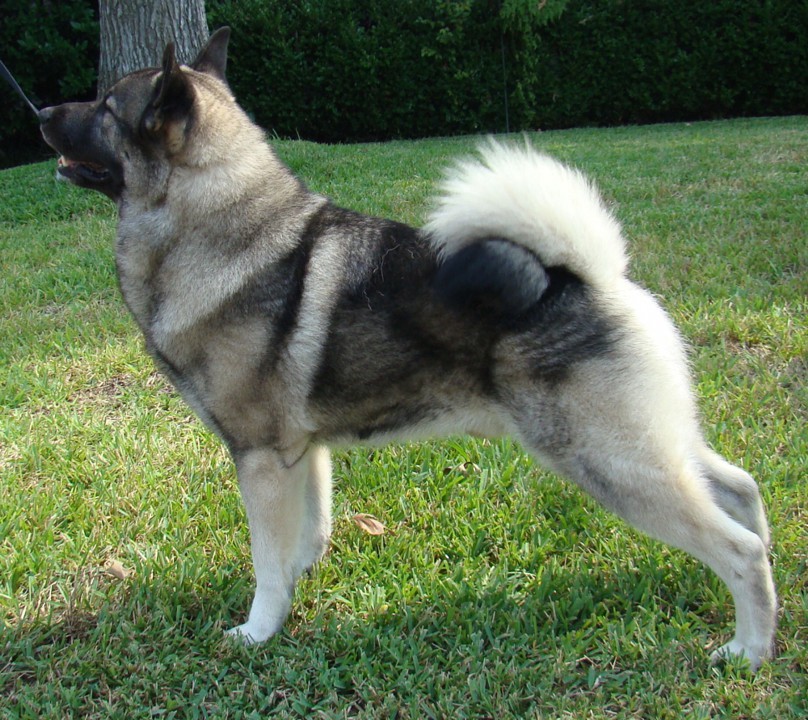
Шея средней длины, сильная, высоко поставлена. Шерсть на шее густая. Кожа плотно прилегает, но без признаков сырости. Корпус мощный. Спина короткая и сильная. Поясница коротка и широкая, слегка подобрана. Грудь глубокая и широкая. Ребра значительно изогнуты. Верх спины прямой и плоский.
Передние конечности: Ноги прямые, с крепкой, но не грубой костью и сильными суставами. Лопатки плеча косо посаженные. Локти плотно прилегают к телу. Задние конечности: Ноги твердые, сильные и мощные. Небольшой, но выраженный угол скакательного сустава, прямые при осмотре сзади. Лапы: относительно маленькие, немного овальные, в комке, сводистые с защитной шерстью между толстыми подушечками. Не выворачиваются ни наружу, ни вовнутрь. Когти крепкие и сильные.
Сильный, высоко посажен. Шерсть на хвосте густая, но без перьев. Туго закручен (предпочтительно над серединной линией спины).
Шерсть: плотная, обильная. Мягкий густой пушистый подшерсток жесткий прямой остевой волос. Короткая и гладкая на голове и передней части ног, немного длиннее на задней части передних ног, самая длинная на шее, задней части бедер и хвоста. Не подстригается. Окрас: серый различных оттенков, с черными кончиками остевого волоса, светлее на груди, животе, ногах, нижней стороне хвоста, ягодицах и по форме упряжи на корпусе. Уши и морде темные. Желательна темная линия от глаза к уху. Подшерсток чистого светло-серого цвета. Любое ярко выраженное отклонение от серого цвета: пепельный цвет на нижней части ног, точки или белые пятна нежелательны.
Демонстрирует проворность и выносливость. Рысь ровная и легкая. В движении спина остается прямая. По мере увеличения скорости бега передние и задние конечности равномерно сходятся вместе в центральной точке под корпусом.
Высота в холке — кобели: 52,5 см, суки: 49,5 см. Вес — кобели: около 25 кг, суки: около 22 кг.
Чтобы оставить здесь комментарий, войдите или зарегистрируйтесь на сайте.
Авторизация
