Породы вне классификации
Группа 3. Рабочие
Породы вне классификации
Породы вне классификации
Группа 2. Служебные
Породы вне классификации
Породы вне классификации
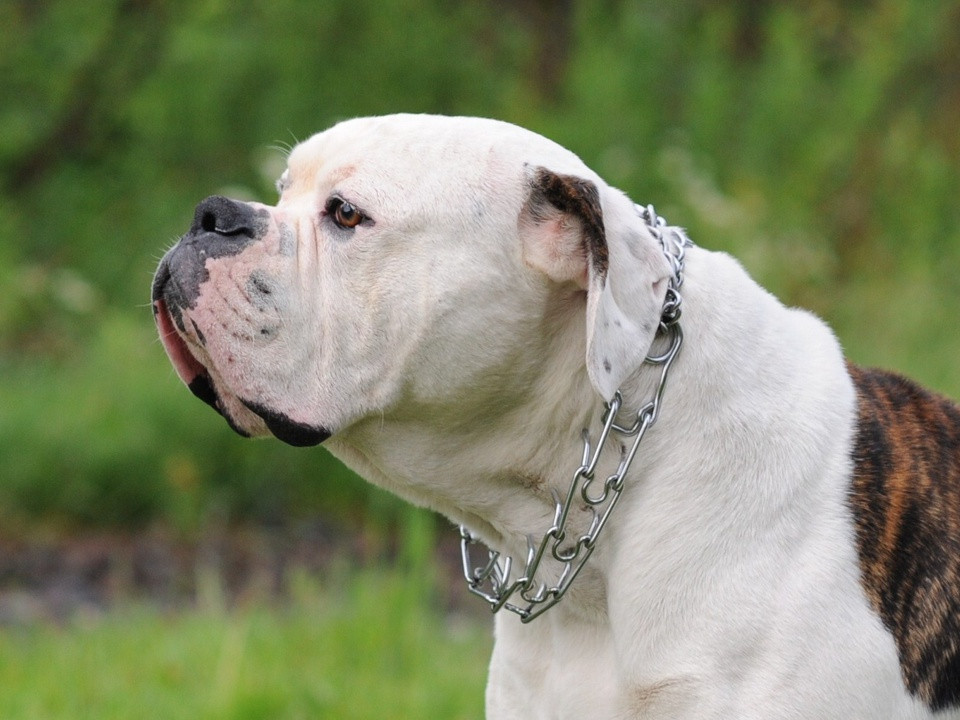
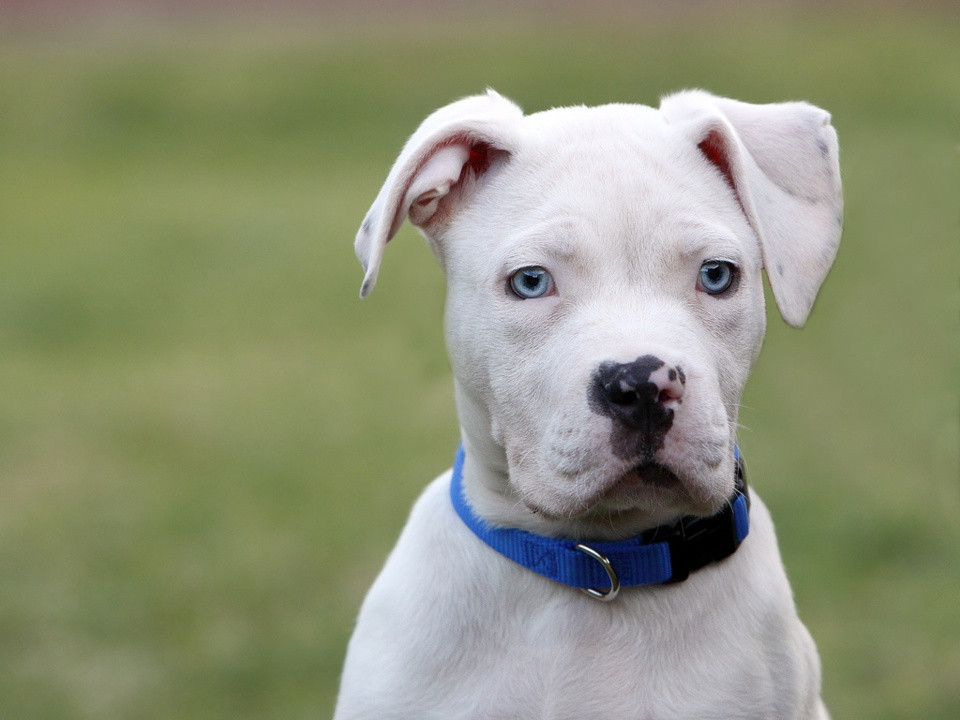
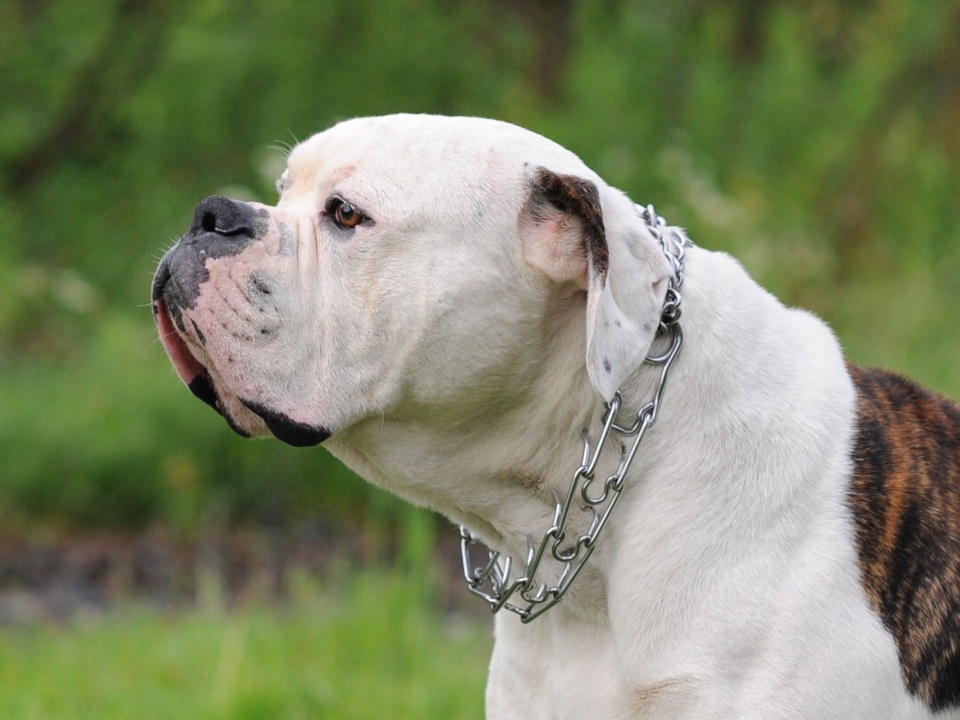
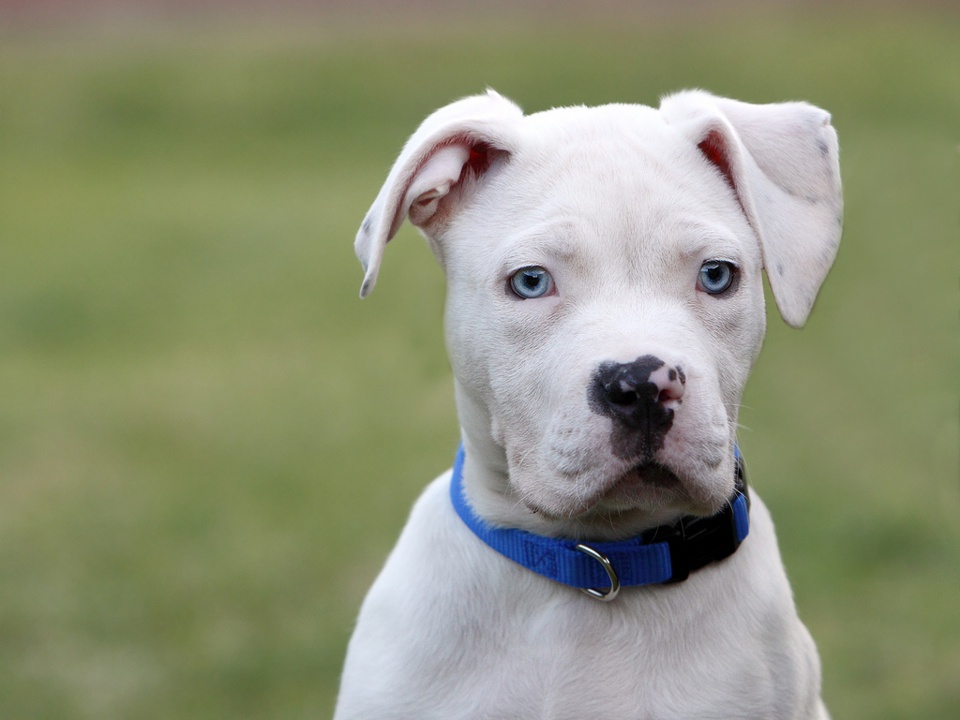
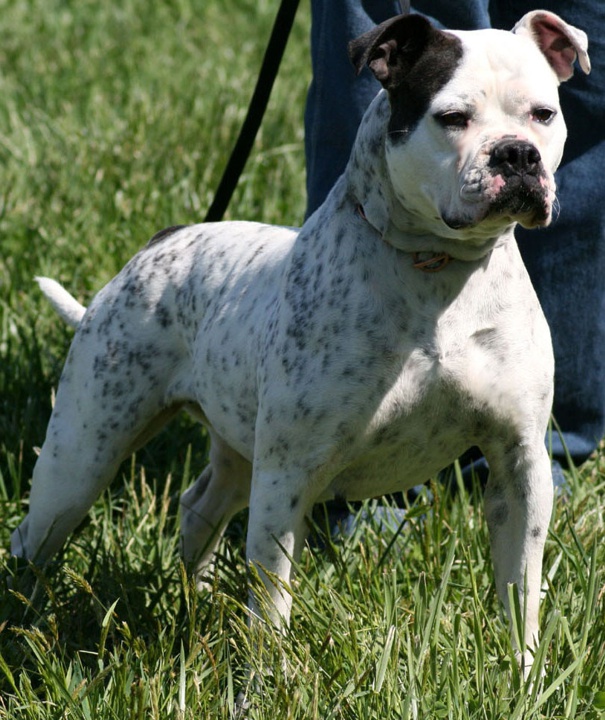
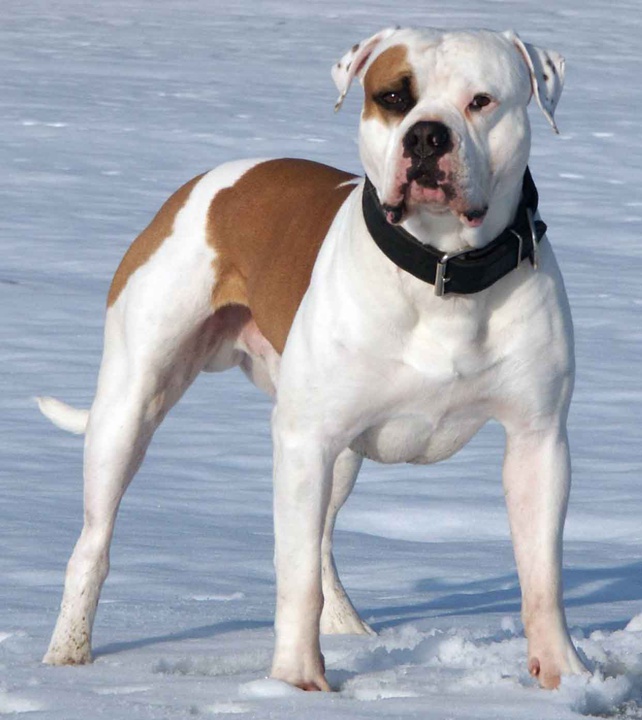
Череп крупный и квадратный. Верх черепа плоский. Нос предпочтителен с черным окрасом. Рыжий, коричневый, серый - допустим. Нос розового или телесного цвета недопустим. Морда должна быть относительно широкой и квадратной. Излишне узкая морда не допустима. Стандартный тип: морда должна составлять 30-40% от общей длины головы. Классический тип: морда должна составлять 25-35% от общей длины головы. Губы толстые, но не отвисшие. Предпочтительна черная пигментация окантовки губ. Зубы в количестве 42-44. Предпочтение отдается крупным зубам. Рабочие собаки не должны штрафоваться за сломанные зубы. В случае удаления зубов необходимо медицинское подтверждение (рентгеновский снимок корня зуба). Мощные челюсти хорошо омускулены и демонстрируют большую силу. Скулы с сильной мускулатурой, хорошо развитые, округлые. Глаза должны быть округлой или миндалевидной формы, среднего размера, широко посаженными. Предпочтительные цвета глаз - черный и темно коричневый. Другие цвета приемлемы. Предпочтительно наличие черной пигментации обводки глаз. Уши должны быть среднего размера и держаться опущенными вперед или лепестком розы. Купированные уши допустимы.
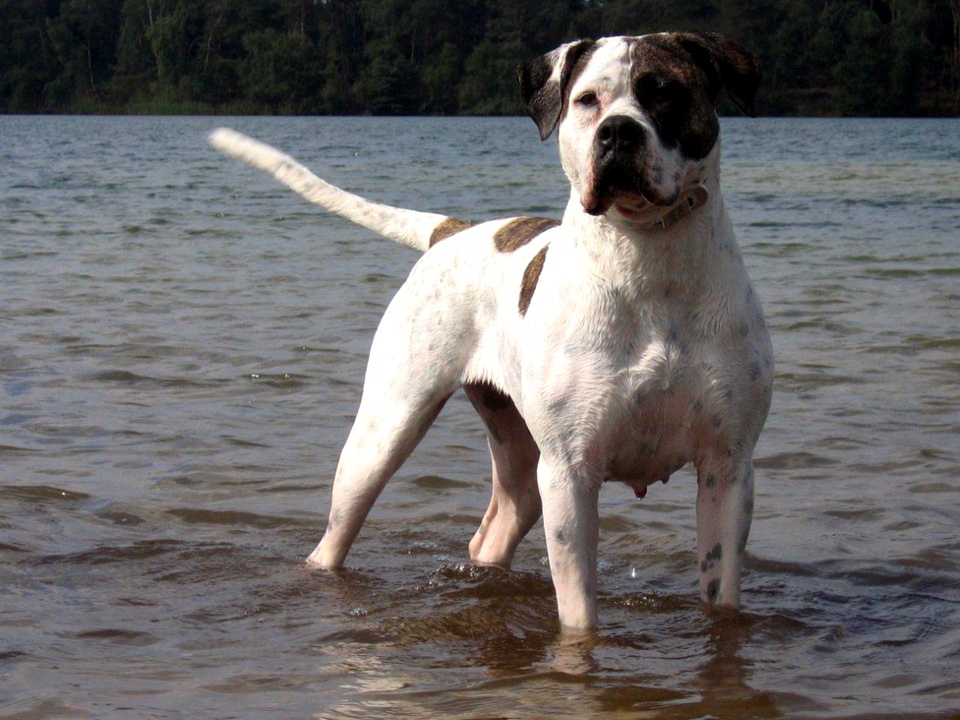
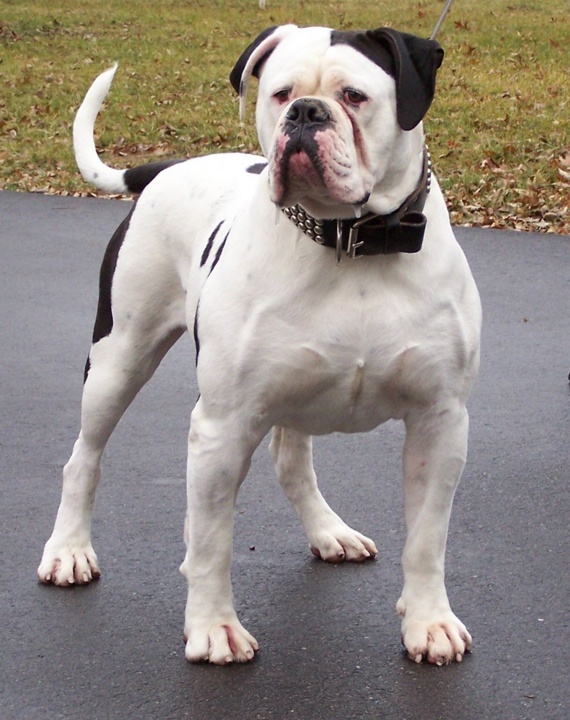
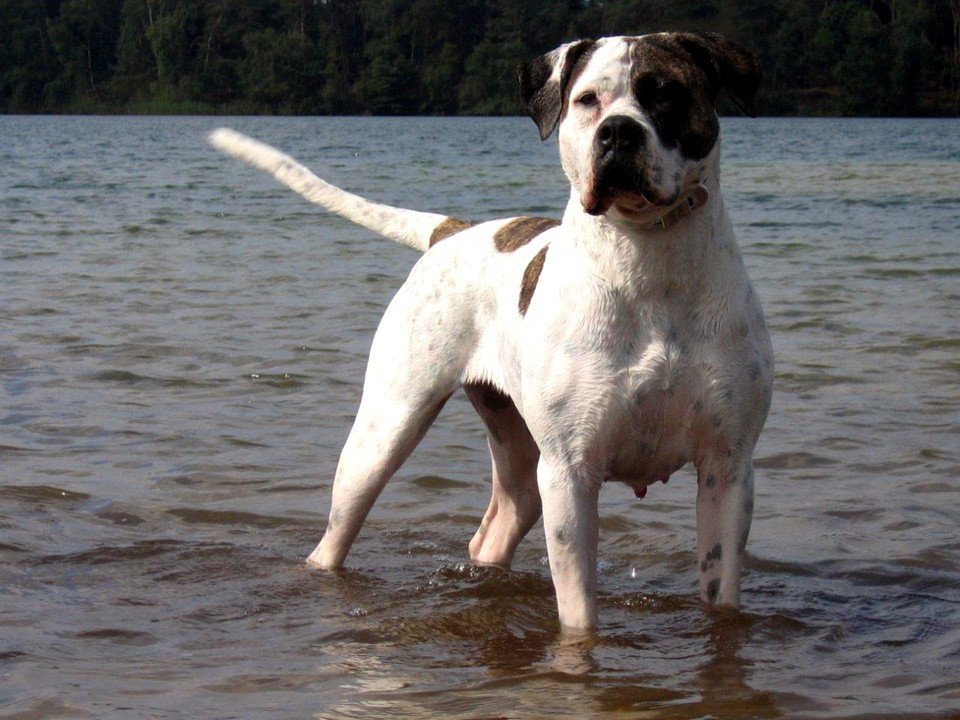
Шея очень мускулистая, средней длины, сужается от плеч к голове и быть слегка выгнутой. Корпус компактный и умеренно короткий, выглядет мощным и атлетическим. Хорошо сбалансирован. Туловище не должно быть сильно растянутым. Спина должна демонстрировать мощь, быть широкой и умеренно короткой, слегка выпуклой в области поясницы. Спина не должна быть узкой или провисшей. Поясница немного выпуклая, что придает пружинистость и силу задним конечностям. Круп слегка наклоненный. Грудь глубокая и умерено широкая, создающая впечатление силы и атлетических возможностей. Передняя часть должна быть прямой и хорошо сбалансированной. Грудная клетка не должна быть узкой либо слишком широкой. Ребра выпуклые. Живот умеренно подтянут.
Передние конечности прямые и хорошо обмускуленные. Лопатки косо направленные, широкие, хорошо выраженные, с массивной рельефной мускулатурой. Пясти сильные, прямые и подтянутые. Задние конечности параллельны, имеют достаточные углы. У задних конечностей не должно быть ни слишком сильных, ни спрямленных углов. Чрезмерно бочкообразный либо "коровий" постав задних конечностей недопустим. Бедра умеренно длинные и широкие с развитой мускулатурой. Колени с очень крепким коленным суставом. Плюсны широкие, поставлены вертикально к земле. Лапы среднего размера с плотно собранными пальцами. Лапа не должна быть распущенной.
Хвост низко посажен. Толстый в основании и сужающийся к концу. В спокойном состоянии должен доставать до скакательных суставов. Купированный хвост допускается. Конец хвоста не должен закручиваться кольцом.
Шерстный покров короткий, короче одного дюйма (2.54 см). Шерсть варьируется от мягкой до жесткой. Длинная, перистая или вьющаяся шерсть не допустима. Окрас полностью белый либо с разнообразными белыми отметинами. Все оттенки тигрового окраса, коричневый, рыжий, палевый. Чисто черный, черно-подпалый и \ или с любым количеством крапчатости не допустимы. Крапчатость - мелкие отметины на основном окрасе (черном или рыжем), не следует путать с тигровым окрасом, при котором вкрапления более темного цвета создают эффект полос. Черная маска нежелательна.
Движения быстрые, мощные, с пружинистым шагом. При движении все конечности должны быть параллельными направлению движения. Передние конечности четко вытягиваются, а задние толкают собаку вперед. При движении лапы не должны расставляться излишне широко. Перекрест при движении задних или передних конечностей не допустим. Стандартный тип: упругие более атлетические движения Классический тип: допустима перекатывающаяся походка (некоторое вихляние, раскачивание во время движения задней части туловища).
Рост кобеля 55-68 см, суки —50-63 см. Вес кобеля 35-58 кг, суки — 28-45 кг.
Чтобы оставить здесь комментарий, войдите или зарегистрируйтесь на сайте.
Авторизация
