История возникновения
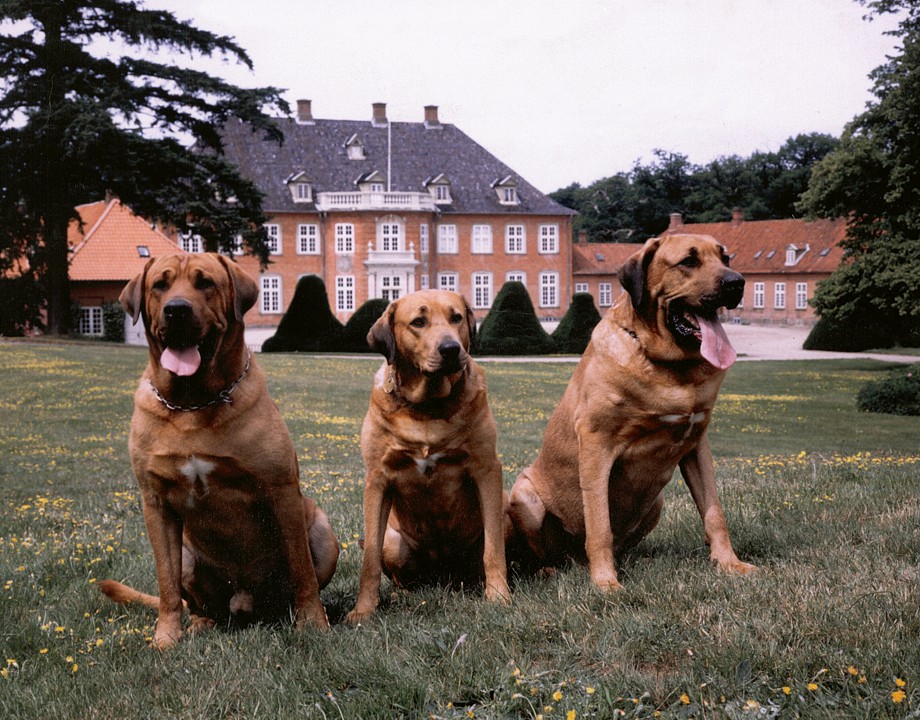
Другие названия: датский мастиф, датская мясницкая собака, слагтерхунд. История этой породы начинается с Дании, где эта порода собак занималась охраной замков и поместий. Благодаря своему спокойному и не суетливому характеру сторожевая собака из датского брохольмера была отличным сторожем и использовалась по этому назначению много годы. Эта порода была выведена путём скрещивания английского мастиффа с породами из германии, немецкими догами, которые были завезены в Данию задолго до скрещивания. Разведением этой породы занимался датский егерь из поместья Брогольм. Собаки этой породы очень крупные, поэтому часто использовались в охоте на крупную дичь такую как кабан или медведя. Так же датский брохольмер отлично справляется с охраной и перегонной скота. Благодаря своей силе пёс использовался для перевозки грузов, поэтому его имел почти каждый мясник в Дании, от этого он приобрёл название «мясницкий дог». Первый стандарт на породу был создан в 1986 году. Позже 04.05.1982 стандарт был пересмотрен, номер стандарта 315. Сама же порода, а точнее кости схожие с данной породой находили на раскопках поселений древних викингов. Две тысячи лет назад началось зарождение брохольмера. Древние викинги культивировали крупны догов, и считается что брохольмеры потомки древних молоссов, которых держали при себе викинги. По некоторым сведениям 1880 годов брохольмер был самой распространённой и популярной собакой Дании. Этому поспособствовал королевский егерь Сохестед, который занялся улучшением породы и в целях её популяризации раздавал щенков по поместьям. Именно он был тем егерем из поместья Брогольм. Породу так же стали называть «королевской собакой» потому как её очень любили держать при дворе, а так же «Фредериком» по имени короля правившим в те времена. Эта порода держалась при дворе для изгнания злых духов, и вне зависимости от пола Фредерик давал им имя Турк, а королева – Холгер. Но, к сожалению, из-за кризиса во время второй мировой войны мало кто мог позволить себе содержание такой большой собаки, и поголовье собак резко снизилась и порода чуть не исчезла. И с 1974 года, под эгидой Датского Кеннел- клуба, началось возрождение породы, это был сложный путь и теперь датский брохольмер считается национальной породой Дании и с 1998 года разрешён только вывоз 10% щенков из помёта. Сама порода насчитывает не больше 500 собак.
Общий вид
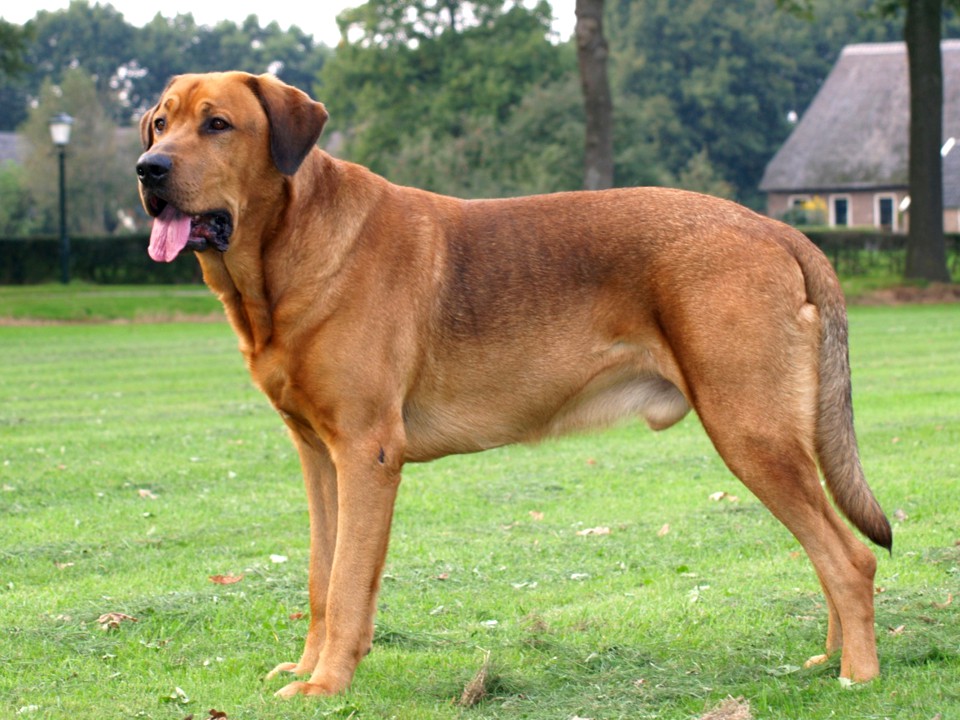
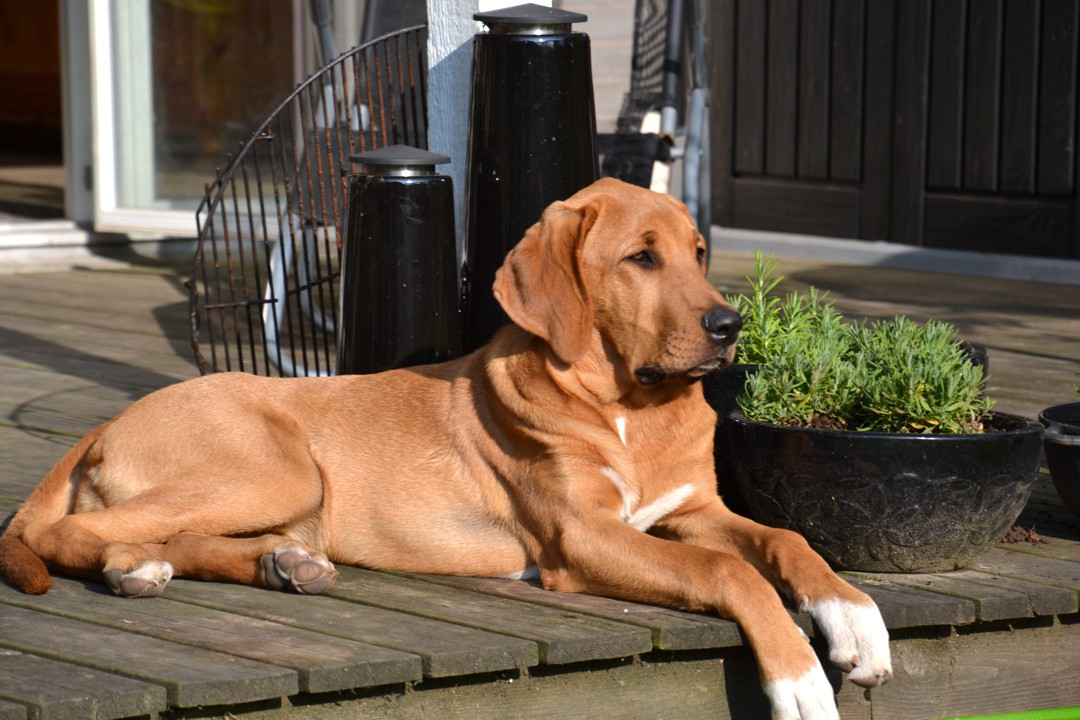
Датский Брохольмер - собака типа мастиф, крупная, крепкого, прямоугольного формата, отличающаяся спокойными, сильными движениями. Доминирующей чертой внешности Брохольмера являются мощные передние конечности. Голова массивная, широкая, шея крепкая, со свободно свисающей кожей, грудь широкая и глубокая. В состоянии покоя Брохольмер держит голову достаточно низко, как бы сутулясь, хвост свисает вниз в виде сабли. Во время движения собака приподнимает хвост, но не выше линии верха. В состоянии настороженности или возбуждения Брохольмер поднимает голову и хвост (выше горизонтальной линии).
Отличительная особенность породы Датский брохольмер
Голова широкая в теменной части. Собака держит ее невысоко.
Морда относительно короткая. Развитые брыли.
Глаза округлой формы. Черного или темно-янтарного цвета.
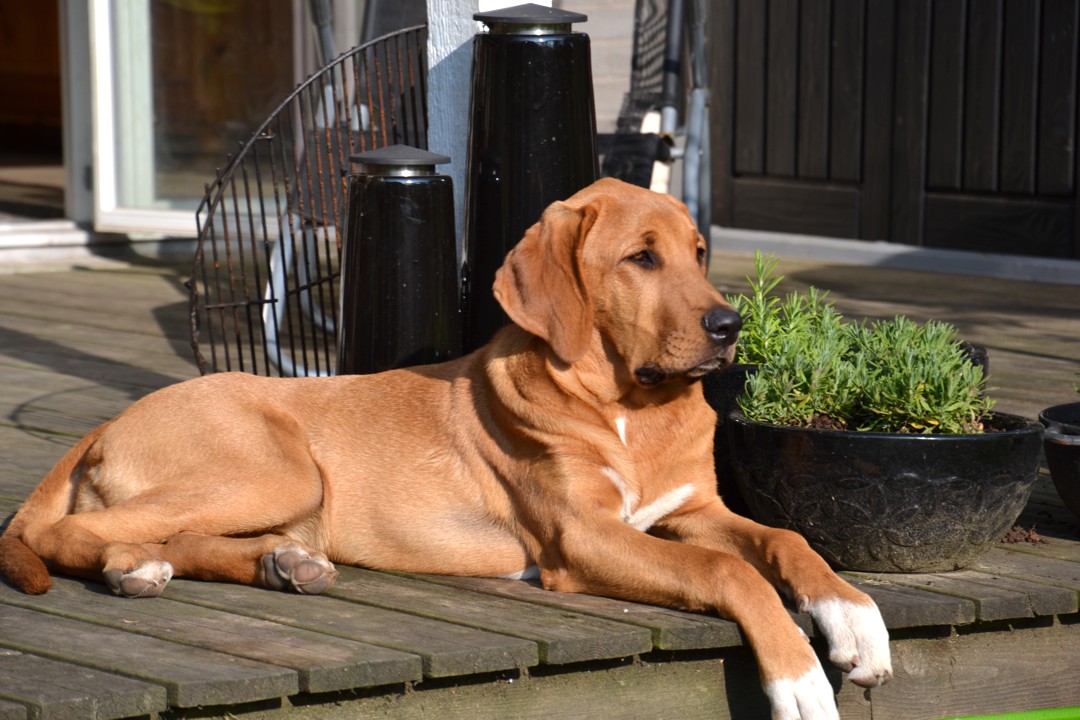
Уши небольшие, поставлены умеренно высоко. Висячие.
Корпус почти квадратного формата.
Шея толстая.
Грудь широкая, объемная и глубокая.
Спина длинная. Плавный наклон крупа по направлению к хвосту.
Конечности сильные, крепкие, с мощным костяком.
Бедра мощные.
Хвост толстый, саблевидной формы. В спокойном состоянии собака держит его высоко, при движении слегка опускает.
Шерсть короткая, густая, хорошо защищает от непогоды.
Окрас светло-рыжий (желтый, золотистый) с черной маской или черный. Допускаются белые отметины на груди, лапах и кончике хвоста.
Движения уверенные и сильные, обычно это – шаг или рысь.
Высота в холке — кобели: 75 см, суки:70 см.
Вес — 50-80 кг.
Характер
Гармонично сложенная собака со спокойным, уравновешенным характером. Храбрая, очень сильная, не любит суетиться по пустякам. Прирожденный сторож. Поздно взрослеет. Требует ответственного воспитания и социализации. Брохольмеры всегда насторожены по отношению к незнакомым людям и готовы постоять за вверенную им территорию. При этом они не агрессивны и редко лают. А если уж бромхольмер подает голос, то его низкий внушительный лай звучит довольно устрашающе. Бромхольмеры очень привязаны к своим хозяевам, и прекрасно уживаются с кошками и другими небольшими животными, обитающими в доме. А вот с другими собаками эта, склонная к доминированию, порода не очень ладит, особенно это проявляется при встрече двух кобелей. Все проблемы в поведении устраняются правильным воспитанием.
Содержание и уход
Собаке требуются пространство и много физических упражнений. Следует 1 раз в неделю ее вычесывать. Несмотря на природную доброжелательность и уравновешенность этих собак, необходимо с самого раннего возраста обучать их послушанию. Как и все крупные собаки, брохольмеры стремятся доминировать, и если власть в доме захватит столь мощная собака, это может стать большой проблемой. Обучаются брохольмеры неплохо, благодаря природной сообразительности, но при дрессировке необходима настойчивость и доброжелательная твердость. Щенков надо оберегать от больших физических нагрузок, чтобы в дальнейшем избежать болезней суставов, которые нередки у собак крупных пород.
Продолжительность жизни — До 10 лет.
Достоинства
Покладист, хорошо поддается дрессировке. Не портит домашнее имущество. Любит детей.
Сложность содержания
Особых недостатков породы не выявлено.
Болезни
Возможны заболевания суставов.