История возникновения
Родиной породы считается Китай, где всегда были популярны короткомордые собаки. В Европе мопс появился в 1500-х годах благодаря торговцам из Голландии, и пользовался большой популярностью в Нидерландах, откуда и распространился в другие страны Европы, где считался собакой знатных людей. Начиная с 17 века разведение этих животных было сосредоточено в Англии, где порода была несколько улучшена. Современный мопс не похож на своего предшественника, его черты были гипертрофированы современным разведением. Например морда стала очень короткая, складок прибавилось, глаза стали большими ии выпуклыми, формат стал более квадратным и сами собаки стали массивнее. Всё это в итоге привело к большому количеству заболеваний и ухудшения качества жизни собак этой породы.
Общий вид
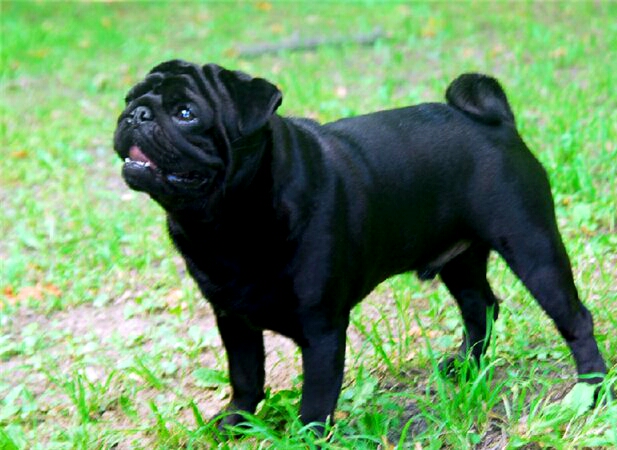
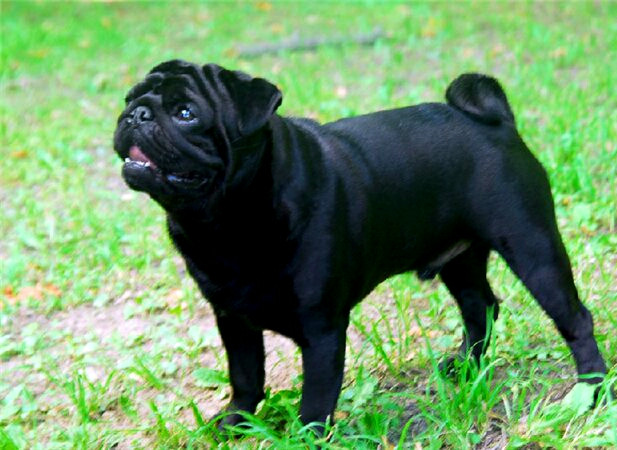
Внешность мопса весьма оригинальна и экзотична. Крупная голова с очень короткой и широкой мордой посажена на округлом туловище. Над мочкой носа толстая кожная складка, так что спинки носа не видно вовсе. Но наибольший шарм мопсу придают глаза - они большие, выпуклые, похожие на вишни, очень темные, блестящие.
Окрасы - чёрный и палевый с маской.
Отличительная особенность породы Мопс
Череп крупный, круглый, без выемок. Нос черный с довольно крупными хорошо открытыми ноздрями. Мочка носа находится на средней линии, проходящей через середину глаз и разделяющей лицевую часть головы на две почти равные части — лобная часть и морда.
Морда короткая, тупая, квадратная, не вздернутая. Явно обозначены мскладки. Правильная голова мопса должна вписываться в квадрат.
Губы плотно прилегают к зубам.
Зубы имеют небольшой перекус. Передние зубы (резцы) широкой нижней челюсти всегда на прямой линии.
Скулы покрыты глубокими, плотными, четко обозначенными складками. Нижняя челюсть должна быть широкой, а подбородок достаточно выраженным.
Глаза крупные, круглые, выступающие, темные. Большие глаза мопса должны быть посажены достаточно широко, на одной линии с носом. Уши тонкие, маленькие, мягкие, высоко посажены, плотно прилегают к голове. Две разновидности — «розочки» — маленькие уши, сложенные над головой, отведены, назад так, что открыта внутренняя часть. «Пуговицы» — уши, заложенные вперед, краями плотно прижаты к черепу, закрывают внутренние отверстия. Предпочтительны последние.
Шея слегка изогнута, сильная и толстая. Шея должна быть достаточной длины, с хорошо выраженным загривком, чтобы обеспечить плавный переход шеи в холку и гордую осанку. Она не должна быть слишком короткой (как у бульдога), так как в этом случае голова зрительно посажена на плечи. Шея чересчур длинная придает мопсу нескладный вид.
Корпус короткий и коренастый. Длина туловища приблизительно равна высоте в холке (квадратный формат).
Спина короткая, ее отличает ровная линия верха, которая не должна быть ни выпуклой, ни проваленной.
Поясница чуть выпуклая, сильная, короткая.
Круп округлый, крепкий, скошенный, но в меру.
Грудь широкая, с хорошо изогнутыми ребрами. Ребра хорошо сводистые и отведенные назад.
Передние конечности с отлично раскрытым фронтом, параллельные, мускулистые, прямые, имеющие крепкий костяк и подставленные прямо под тело передние ноги. Лопатки длинные, покрыты сухой мускулатурой, плотно прилегают к спине и косо поставлены. Пясти практически отвесные, крепкие, короткие.
Задние конечности с умеренными углами сочленений, скоординированными с углами передних лап. Бедра мощные, широкие, но не загруженные, поставлены под углом 90° по отношению к крупу. Колени с хорошо выраженными углами. Плюсны прямые, отвесные, крепкие. Лапы не такие длинные, как у зайца, и не такие округлые, как кошачьи, пальцы хорошо разделены сверху, когти - черные.
Хвост недлинный, высоко посажен, свернут в колечко и прижат к туловищу. Двойное кольцо — достоинство.
Шерстный покров тонкий, шерсть гладкая (плотно прилегающая), мягкая, короткая и лоснящаяся, ни жесткая, ни пушистая. Окрас серебристый, абрикосовый, бежевый или черный. Во всех светлых окрасах должен быть четкий контраст между основным цветом, ремнем (черная линия от затылка до хвоста) и маской. Отметины четко выражены. Морда (или маска), уши, "родинки" на щеках, "отпечаток пальца" ("алмаз") на лбу, ремень, должны быть как можно чернее.
Движения семенящие, шаг короткий.
Мопсы малоподвижны, но по квартире или дому бегают очень энергично, двигаются резко и дергано.
Рост кобеля — 30-36 см, суки — 25-30 см.
Вес 6 - 10 кг.
Характер
Мопсы — общительные и добрые собаки, они ценят внимание хозяев и всегда стремятся быть в центре событий. Пусть вас не смущают скромные габариты мопса и его милая внешность, мопсы высокого мнения о себе. Эти собаки очень храбры (иной раз безрассудно храбры), они могут даже быть прекрасными домашними сторожами — их функиция предупредить хозяина. Они всегда контролируют движения в квартире и реагируют на каждый подозрительный шорох у двери. Как показывает опыт владельцев, темперамент зависит от окраса мопса: светлые животные обычно более спокойны, а черные — настоящие сгустки энергии. Существует мнение, что эти собаки очень ленивы — недаром на фото мопса так часто можно видеть расслаблено лежащим рядом с хозяином. Да, они всегда готовы составить вам компанию во время релаксации и отдыха. Но как только вы снова вернетесь к активности, эти собаки последуют вашему примеру — будут рады игре или прогулке, важно лишь соблюдать меру в активных играх с мопсом.
Содержание и уход
Несмотря на короткую и мягкую шерсть, эти собаки сильно линяют. Их нужно вычесывать несколько раз в неделю металлической расческой с закругленными зубцами. Каждый хозяин должен сам разработать свой график для водных процедур мопса. Некоторые моют их раз в месяц, другие – раз в полгода. В первую очередь, это зависит от уровня активности пса, и то того, спит ли он в хозяйской кровати. Оптимальный режим – один раз в два-три месяца. Самое главное в базовом груминге мопса – своевременный уход за складками на их морде. В них скапливается грязь, выделения из глаз и даже еда, ведь мопсы часто погружают всю морду в миску во время еды. Протирать складки лучше всего с помощью ватных дисков и специализированного лосьона из зоомагазина. Начинать протирание нужно со складки под носом, постепенно поднимаясь к глазам. При протирании нужно полностью приподнимать складки. Особенно чувствительные складки (например, под носом) можно протереть вазелином или специальными средствами. Главное, нанести его тонким слоем - это защитит кожу от потрескиваний. Протирать складки нужно не менее одного раза в неделю, а в журкую погоду и чаще.
Мопсы не подходят активным людям, но составят хорошую компанию в неспешных прогулках. С мопсом очень желательно пройти хотя бы воспитательный курс на дрессировочной площадке чтобы обучить его праивлам жизни в городе - всегда подходить к хозяину на зов, спокойной ходить на поводке и ничего не подбирать с земли.
При неправильном воспитании мопсы могут проявляться агрессию к другим собакам, даже к тем, кто крупнее их самих.
Продолжительность жизни — 12 - 15 лет.
Достоинства
Мопс будет хорошим компаньоном для неспешных прогулок в парке.
При должном воспитании лояльно относятся к посторонним людям и собакам.
Не склонны много лаять.
Не доставляет хлопот содержание мопса - их не нужно часто мыть,они в общем неприхотливы к пище, важно лишь чтобы она была качественной.
Сложность содержания
Сильно линяют.
Могут громко храпеть.
Много наследственных заболеваний.
Из-за укороченной морды трудно переносят жару.
Из-за короткой шерсти плохо переносят холод.
Из-за массивности и квадратного формата бывают проблемы с родами.
Склонны к ожирению и болезням сердца.
Болезни
Наиболее распространенная болезнь у мопсов это ожирение, необходимо следить за весом мопсов так как они часто переедают. Часты инфекции кожной складки на морде, за этой складкой нужно постоянно ухаживать. У собак с плоской мордой часто наблюдается слишком тесное расположение зубов друг к другу, их необходимо постоянно чистить для предотвращения болезней десен (в зоомагазине можно купить зубные щётки разных моделей и зубные пасты). Мопсы подвержены респираторным заболеваниям и проблемам с дыханием. Особенно они проявляются при жаркой, влажной и холодной погоде. Лучше всего сократить сроки пребывания на улице, если у мопса усугубляются симптомы болезни. Энцефалит (воспаление мозга) у мопсов является генетическим заболеванием. Симптомы этой болезни это прежду всего судороги, потеря ориентации, слепота, кома и смерть. Вместе с тем мопсы могут страдать от эпилепсии, что никак не связано с энцефалитом. Некоторые мопсы подвержены сезонной аллергии, которая проявляется в слезоточивости глаз, чихании и т.д - обычно это аллегия на пальцу и снимается она обычными антигистаминными препаратами.