Секция 2. Молоссы
Условно признанные породы
Породы вне классификации
Группа 3. Пастушьи
Группа 2. Служебные
Группа 6. Вспомогательные
Группа 6. Вспомогательные
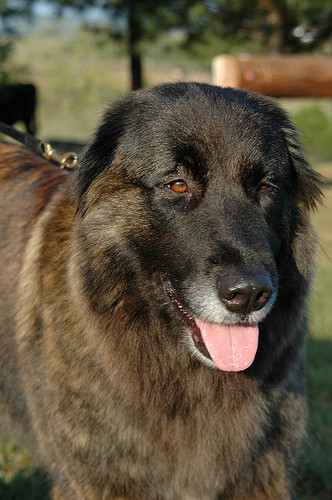
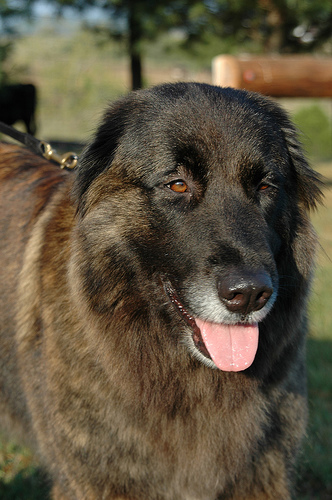
Голова крепкая, крупная, длинная, слегка выпуклая, хорошо поставленная; настолько же пропорциональная корпусу, насколько череп пропорционален лицевой части. Череп и скулы покрыты гладкой кожей. Череп хорошо развитый, сводчатый, в профиль выпуклый, с размытым затылочным бугром. Переход ото лба к морде не слишком явно выражен. Расстояние от перехода до кончика носа примерно равно расстоянию от перехода до верхней точки черепа. Морда: длинная, сужающаяся по направлению к мочке носа, но не заостренная. Почти прямая, лишь слегка выпуклая на конце (с орлиным носом). Мочка носа с прямыми, широкими, открытыми ноздрями. Всегда более темного окраса, чем шерстный покров, черный цвет является для Као де серра де эстрела наиболее предпочтительным Губы: характерны четко очерченные, большие, но не толстые, не нависающие, плотно закрытые губы. Слизистая оболочка пасти, небо и края губ с яркой черной пигментацией. Челюсти/ зубы Хорошо развитые. Зубы крепкие, белые, плотно посаженые, прочно сомкнутые. Глаза: посаженные горизонтально, на уровне глазниц, овальной формы, среднего размера, одинаковой величины, хорошо открытые. С умным и спокойным выражением. У Португальской горной овчарки предпочтителен окрас темно-янтарного цвета. Веки плотно прилегающие, с черными краями. Брови слегка обозначены. Уши по сравнению с размером корпуса достаточно маленькие (11 см в длину, 10 см в ширину), тонкие, треугольной формы, закругленные на концах, висячие, Умеренно высоко посаженные, слегка ниспадающие назад по обе стороны головы, чуть открывающие внутренние края. Купированные уши допускаются, но уши в естественном виде оцениваются выше.
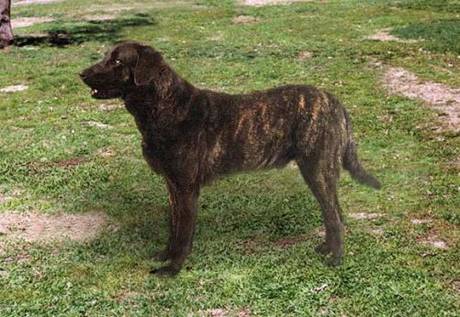
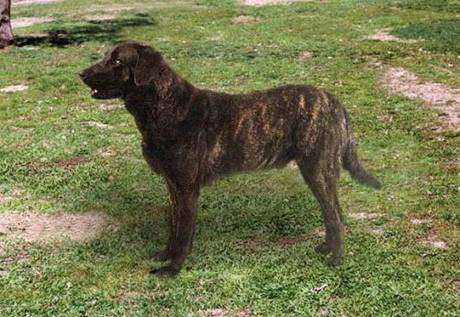
Шея прямая, короткая, толстая шея прочно посаженная в плечи, с умеренным пучком шерсти под горлом. Спина для эштрельской овчарки (гладкошерстной) характерна почти ровная, предпочтительно короткая спина. Поясница широкая, короткая, мускулистая поясница, плотно сочлененная со слегка изогнутым крупом. Грудь заметно, округлая, но не бочкообразная, широкая, глубокая, откинутая назад. Живот не отвислый, пропорциональный по отношению к корпусу, гармонично сочлененный с прилегающими частями корпуса. Нижняя линия постепенно, но мягко поднимается от грудины до паха.
Передние и задние конечности: при взгляде на эштрельскую овчарку (гладкошерстную) в спокойной стойке – вертикальные, хорошо развитым костяком, прочные, мускулистые. Конечности обладают крепкими сочленениями и углами средней степени открытости, позволяющими легко передвигаться. Задние конечности могут иметь одиночные или двойные прибылые пальцы. Предплечья и голени в поперечном сечении приблизительно цилиндрической формы. Скакательные суставы слегка откинуты назад, хорошо посажены (как и вертикально расположенные голени), с ровными углами сочленений. Лапы: у горной собаки Эстрела пропорциональные лапы; ладно скроенные, ни слишком округлые, ни чрезмерно длинные, по виду – нечто среднее между кошачьими и заячьими лапами, не скошенные. Пальцы толстые, хорошо закрытые, с обильным шерстным покровом между пальцами и подушечками. Подушечки толстые, твердые, с темными или черными вросшими когтями (черный цвет предпочтителен).
Длинный, не купированный, в состоянии покоя достающий до скакательных суставов. Толстый, в форме изогнутой сабли, хвост Португальской горной овчарки посажен на стандартном уровне, с густым шерстным покровом. На конце заворачивается в форме крючка. В состоянии покоя держится ниже горизонтальной линии, свисая естественным образом между бедрами; в возбужденном состоянии или в движении хвост приподнимается над горизонтальной линией, заворачиваясь вверх, вперед, на сторону или ровно вниз.
Шерсть: волос прочный, толстоватый, не слишком жесткий, по текстуре напоминающий овечью шерсть, гладкий или слегка волнистый, плотно прилегающий почти по всей поверхности корпуса, обильный. Обычно волосяной покров разных участков корпуса имеет разную длину. На ногах, под локтями, на скакательных суставах и на голове собаки волос достаточно короткий и плотный, на ушах от основания по направлению к кончикам становится постепенно еще более коротким, тонким и мягким. Хвост густой, с более длинным волосом. Вокруг шеи и горла волосяной покров также более длинный, иногда образующий густой воротник. Подшерсток короткий, густой; у корней тонкий волос переплетается с более грубым. Волос подшерстка более светлого окраса, чем кроющий волос. Окрас: допустимыми являются следующие окрасы: палевый, волчий серый с желтым (сплошные или с белыми отметинами).
Эштрельскую овчарку (гладкошерстную) характеризуют движения свободные, легкие.
Высота — кобели: 65-72 см, суки: 62-68 см.
Чтобы оставить здесь комментарий, войдите или зарегистрируйтесь на сайте.
Авторизация
