Отряд
Бесхвостые
Классификация
Отряд — бесхвостыеСемейство — квакши
Род — яркоглазые квакши
Вид — красноглазая квакша
Ареал обитания
Центральная и Южная Америка (Мексика, Гватемала, Сальвадор, Гондурас, Никарагуа, Коста-Рика, Белиз, Колумбия, Панама).
Внешний вид и половые отличия
Самки - 7,5 см, самцы - 5,6 см.
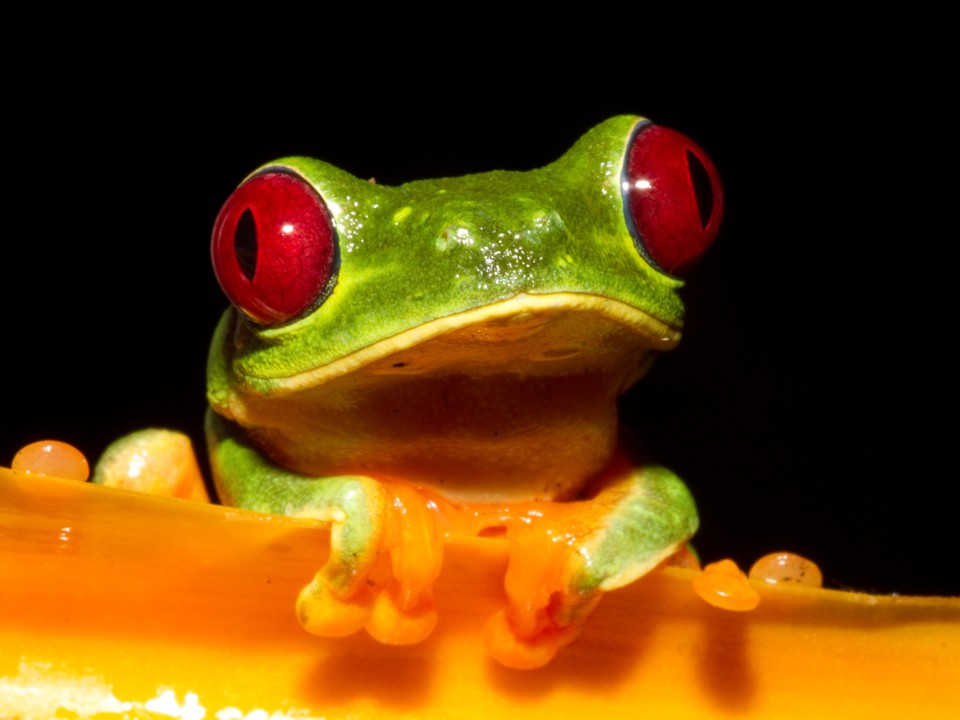
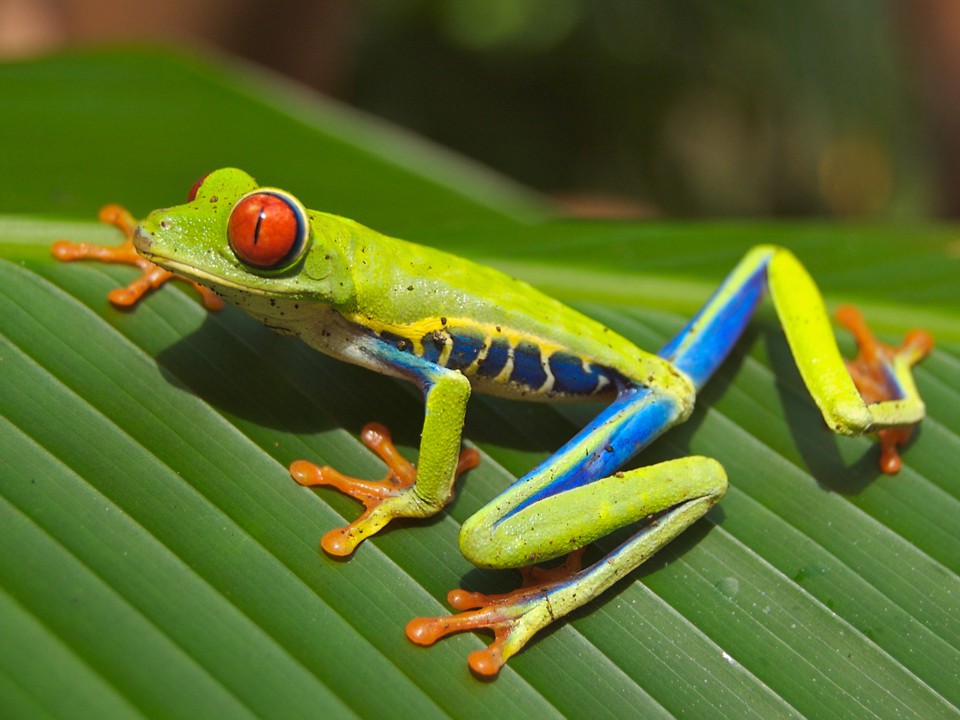
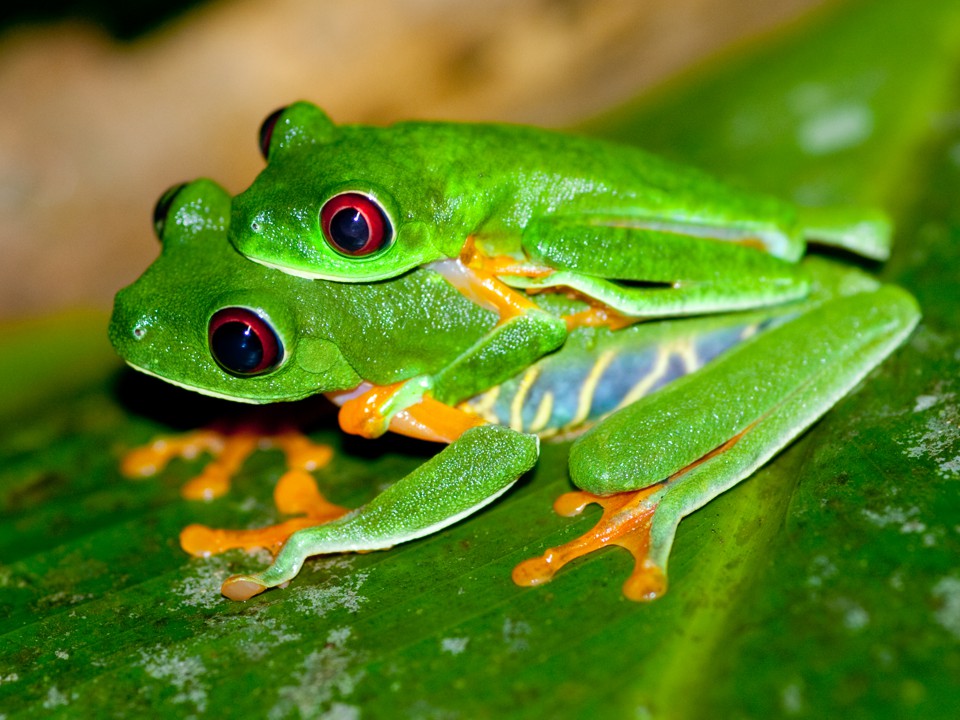
Красноглазая квакша - стройная лягушка. Кожа везде гладкая. Голова округленная. Глаза большие с мигательной мембраной, зрачки вертикальные. Пальцы короткие, с толстыми подушечками, на которых есть присоски. Пальцы красноглазой квакши приспособлены больше для лазания, чем для плавания. У взрослых самцов есть резонаторные мешки. Окрас: основной - зеленый, на боках и в основании лап - синий с желтым узором, пальцы - оранжевые. Брюхо белое или кремовое. Глаза красные. Цветовая окраска варьирует в пределах ареала. У некоторых особей на задней части встречаются мелкие белые пятна.
Молодые квакши (в Панаме) могут изменять свой окрас: в дневное время они зеленые, а ночью становятся багряными или красно-коричневыми. У молодых особей глаза желтые, а не красные.
Характер
Большую часть времени лягушки проводят на одном месте с закрытыми глазами, не шевелясь.
Содержание и уход
Красноглазые квакши не прихотливы в содержании и подходят для начинающих.
Тип террариума - вертикальный, сверху закрытый сетчатой крышкой.
Размеры: от 80 л (для пары взрослых квакш), не менее 60х30х40 см.
Подложка (субстрат): кокосовое волокно, бумажные полотенца или почва (с верхним слоем живого мха, т.к. сухой мох легко загнивает, что создает условия для развития болезнетворных бактерий). Если в качестве субстрата используется почва, то ее толщина должна быть 10-15 см.
Террариум осматривают и чистят каждый день. Раз в 2-3 недели проводят полную уборку и дезинфицирование всех предметов декора.
Температура: дневная - 24-26'C, ночная - 20-22'C.
Обогрев: с помощью грелки-коврика с термостатом.
Освещение: красноглазые квакши не любят яркий свет, особенно белые огни. Т.к. это ночные животные, то для освещения в ночное время используют люминесцентные лампы ЛБ.
Влажность: не ниже 75%. Одни-три раза в день растения и субстрат опрыскивают пресной водой.
Растения: в террариуме должно быть много живых растений, например, не колючие бромелии, лианы, тропические папоротники, филодендроны и эпипремнумы.
Кроме растений, в террариум помещают сплавной лес, ветви, лианы, камни, водопады, полые трубы для лазания. Следите за тем, чтобы предметы декора не были с острыми краями. Фон задней стенки делают темным.
Водоем: плошка с водой (глубиной 5-7 см), где квакши будут купаться. Воду меняют каждый день.
В одном террариуме можно содержать до пяти красноглазых квакш.
Самцы не агрессивны, кроме сезона размножения.
Кормление
При кормлении красноглазой квакше можно давать любых мягких беспозвоночных, которые поместятся ей в рот: тараканы, сверчки, дрозофилы, мухи, жуки и их личинки, дождевые черви, личинки восковой огневки, мелкий шелкопряд, ногохвостки, саранча, ночные бабочки. Взрослые особи могут поедать новорожденных мышат, мелких рептилий и амфибий.
Кормят лягушек в темное время суток, корм кладут на блюдце.
Частота кормления: взрослые - 3-6 насекомых каждые два-три дня, молодые (растущие) - каждый день.
Вода должна быть родниковая или бутилированная. Меняется каждый день.
Минеральные подкормки/витамины: для взрослых лягушек насекомых посыпают кальцием и витаминами каждое 2-4 кормление, для молодых - 2-3 раза в неделю.
Особенности
Очень сложные условия содержания в неволе.
Болезни
При поражении оодиниумом на теле квакши появляются серые точки. В этом случае квакшу помещают в дистиллированную воду на некоторое время, а террариум моют и дезинфицируют. Если это не поможет, квакшу купают в слабом ромашковом чае в течение часа.
Красноглазых квакш обязательно осматривают на наличие различных травм и повреждений кожи. При обнаружении оных их обрабатывают раствором диоксидина и присыпают порошкообразным стрептоцидом.
Продолжительность жизни в неволе – до 10 лет.