Отряд
Хвостатые
Классификация
Отряд — хвостатыеСемейство — настоящие саламандры
Род — крокодиловые саламандры
Вид — крокодиловый тритон бородавчатый
Ареал обитания
Распространен в Юго-Восточной Азии, Западном Китае, главным образом в высокогорных областях. Также их можно встретить в Бирме, крайних северных районов Индии, северного Таиланда (где этот вид вероятно вымер) и Непала. Этот вид населяет прохладные редколесья и леса, часто встречается поблизости от медленно-текущих водоёмов.
Внешний вид и половые отличия
До 20 см.
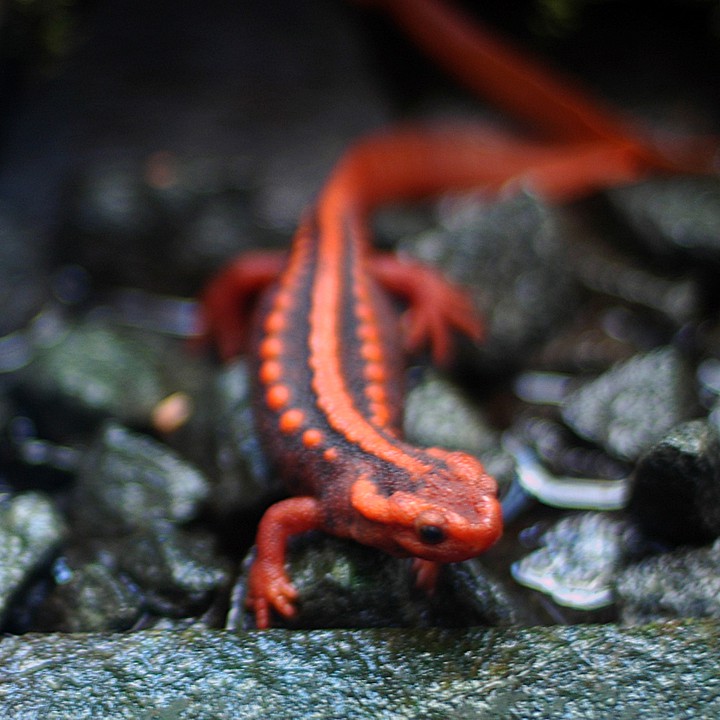
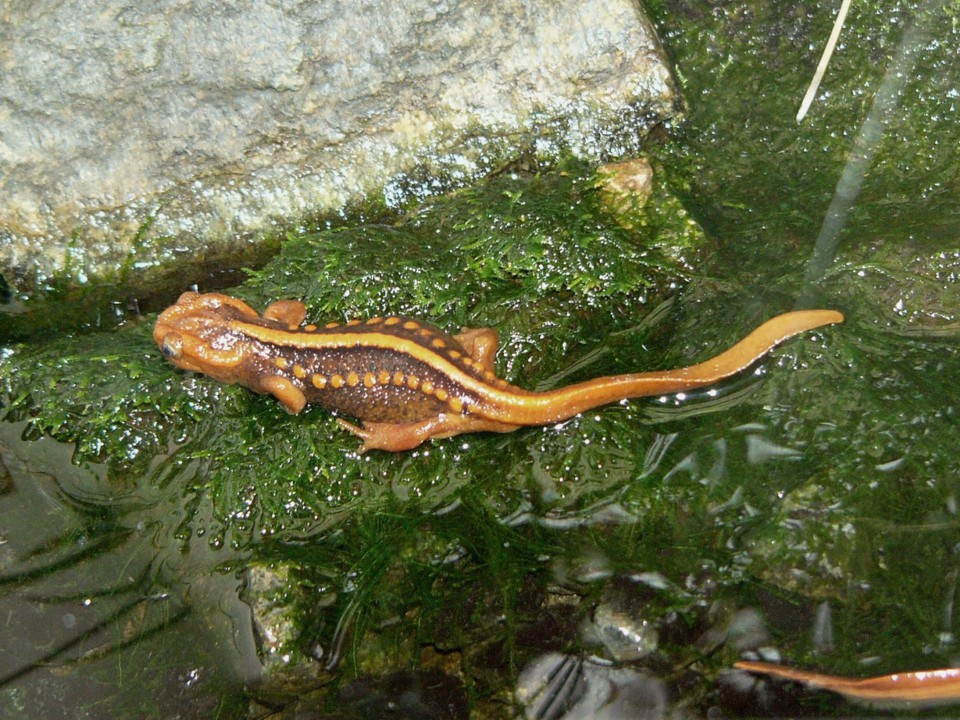
Яркая, контрастная окраска спины представлена ослепительной оранжевой полосой вдоль хребта переходящей в оранжевый хвост и 12 – 14 оранжевыми выпуклыми пятнышками, расположенными по бокам от позвоночника. Лапы и голова оранжевые. Благодаря чёрному, тёмно-коричневому или красно-коричневому фону спины, рисунок очень заметен. Перепонок между пальцами не имеет, у нее слабо развиты плавниковые складки хвоста, и, вероятно, она ведет наземный образ жизни. Череп и остистые отростки позвонков армированы дополнительными слоями кости, образующими выросты, напоминающие по форме корону. За это свойство тритонов иногда называют императорскими.
Характер
Поразительная окраска позволяет этим тритонам плавать в открытых водоёмах в течении дня, поскольку их рисунок очень напоминает играющие на поверхности воды солнечные лучи. Тем не менее, саламандры часто становятся жертвами различных хищников, в частности водных ужей. Поэтому в природе они ведут преимущественно ночной образ жизни. Тритоны очень скрытные, в качестве защиты они используют ядовитые выделения кожных желёз.
Содержание и уход
В неволе активны преимущественно в дневное время. Для содержания хорошо подойдёт акватеррариум, чтобы животное само могло выбирать, где ему находиться. Однако некоторое время тритонов можно содержать и в обычном террариуме без просторного водоёма. В качестве субстрата подходит сфагнум. Влажность высокая. Температура в террариуме может варьировать от 15 до 25 градусов. Это зависит от того, из какой части ареала поступили животные. Ночью желательно понижать температуру на 3 – 5 градусов по сравнению с дневной. Корм - сверчки, дождевые и мучные черви, мотыль.
Кормление
Питается различными беспозвоночными.
Болезни
Не выявлено. Средняя продолжительность жизни в неволе – до 25 лет, на свободе – до 11 лет.