Отряд
Бесхвостые
Классификация
Отряд — бесхвостые
Семейство — настоящие лягушки
Подсемейство — raninae
Род — бурые лягушки
Вид — сибирская лягушка
Ареал обитания
Эта лягушка живёт в западной и восточной Сибири, Дальнем Востоке России, Корее, северной и центральной Монголии и северо-восточном Китае. Это одна из самых распространённых амфибий Палеарктики. Она встречается в хвойных, смешанных и лиственных лесах, проникает в тундру и лесостепную зону. Это происходит чаще всего в открытых, влажных местах, таких как влажные луга, болота, заросшие берега озёр, рек, и на открытых площадках в лесу с обильной растительностью и древесным мусором. Связь с водоёмами (заросшие речные долины с прудами и озёрами) особенно характерна в южных (лесостепных и степных) и северных районах. На юге Приморского края этот вид избегает густых лесов и встречается в основном в сырых лугах с лиственными деревьями или кустарниками в долинах рек.
Внешний вид и половые отличия
До 8,5 см.
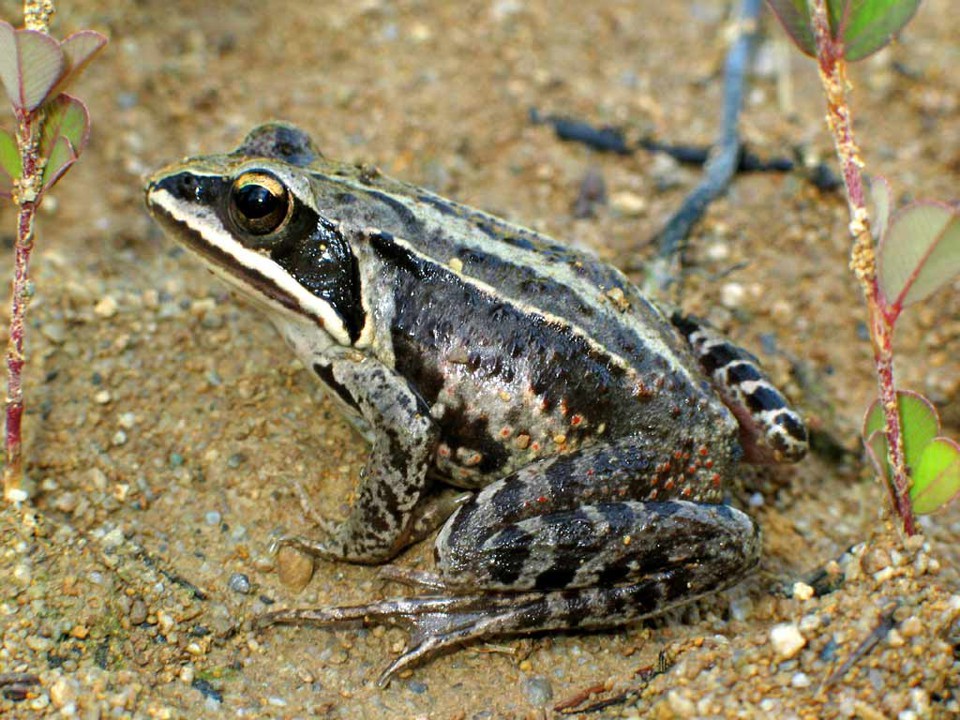
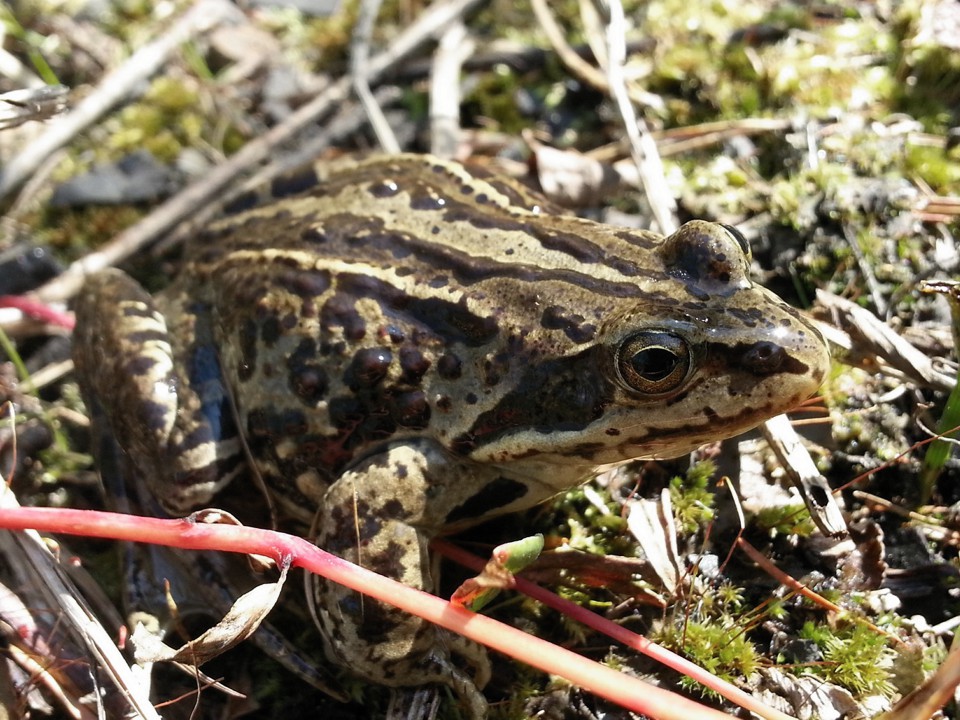
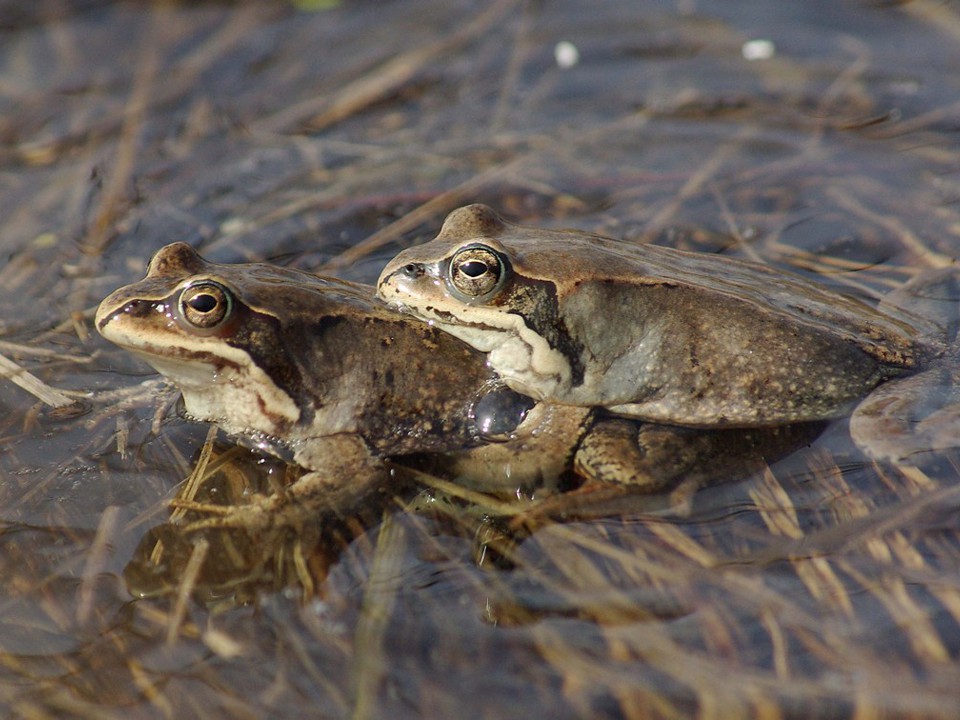
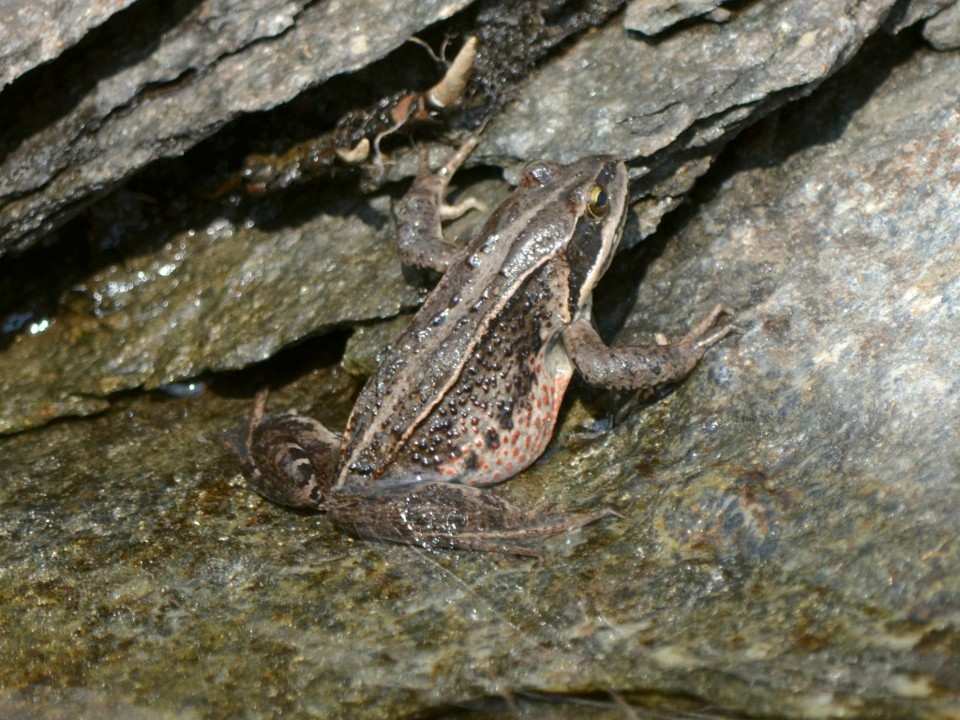
Спина сероватая или серо-коричневая с мелкими тёмными пятнами. Живот белый или бело-желтоватый с крупными нерегулярными частично слившимися кроваво-красными пятнами. Красные пятна могут чередоваться с темными пятнами, а красный узор на животе начинает формироваться примерно на втором году жизни. Самцы отличаются от самок наличием тёмной брачной мозоли на первом пальце. Голова умеренно острая. Голень короче тела в 1,75—2,4 раза. Пальцы соединены перепонками. Зрачок горизонтальный. Задняя часть языка свободна и раздвоена.
Характер
Плотность населения по большой площади достигает нескольких сотен и тысяч особей на гектар. В то же время на самой северной и самой южной областях ареала вид образует плотные, но небольшие группы в подходящих местах, и в этом случае общую численность следует считать низкой. Спячка происходит с начала сентября — начале ноября (как правило, октябрь), в марте — начале июня (обычно апрель-май), в зависимости от широты. Лягушка зимует в ямах на дне рек и озёр, а также в скважинах, как правило, группами до нескольких тысяч особей. Наземная спячка более характерна для южных регионов.
Содержание и уход
При содержании в неволе для пары сибирских лягушек требуются следующие условия: террариум "горизонтального"' типа длиной около 40 см, шириной 30 см и высотой не менее 25 см. Грунт необходим достаточно мягкий и влагоемкий - лучше всего использовать смесь листовой земли и сфагнума. В отличие от других лягушек, этот вид на удивление быстро привыкает к условиям неволи и практически не требует специальных убежищ. Когда в моем террариуме впервые появились малоазиатские лягушки, было удивительно наблюдать "диких" животных, которые через сутки после поимки брали корм с пинцета, в то время как остромордые лягушки, живущие в террариуме уже более двух месяцев, все еще отчаянно пытались спрятаться.
Кормление
Головастики едят главным образом водоросли, растущие на подводных субстратах, а также высшие растения, детрит и мелких водных беспозвоночных. Молодые лягушки едят главным образом наземных насекомых, иногда водных членистоногих. Взрослые лягушки потребляют главным образом наземных беспозвоночных, иногда водных животных. Последние особенно важны в северной части ареала лягушки.
Болезни
Большинство особей заражены гельминтами.