Отряд
Хвостатые
Классификация
Отряд — хвостатые земноводные
Семейство — настоящие саламандры
Род — тритоны
Вид — малоазиатский тритон
Ареал обитания
Западный Кавказ, Малая Азия. В Предкавказье обитает подвид Triturus vittatus ophryticus. В Краснодарском крае встречается в Кавказском государственном биосферном заповеднике до высоты 700 м и на сопредельных территориях до 2000 м над уровнем моря. Обитает в небольших водоемах с хорошо развитой растительностью, разной степени заиленности, чаще непроточных; на суше встречается под камнями, пнями, шпалами, поваленными деревьями; заселяет водоемы самшитника, ясменникового букняка, каштанника, озера на субальпийских лугах.
Численность всюду ограничена, сокращается.
Внешний вид и половые отличия
Длина тела до 8.5 см, длина тела с хвостом до 17 см.
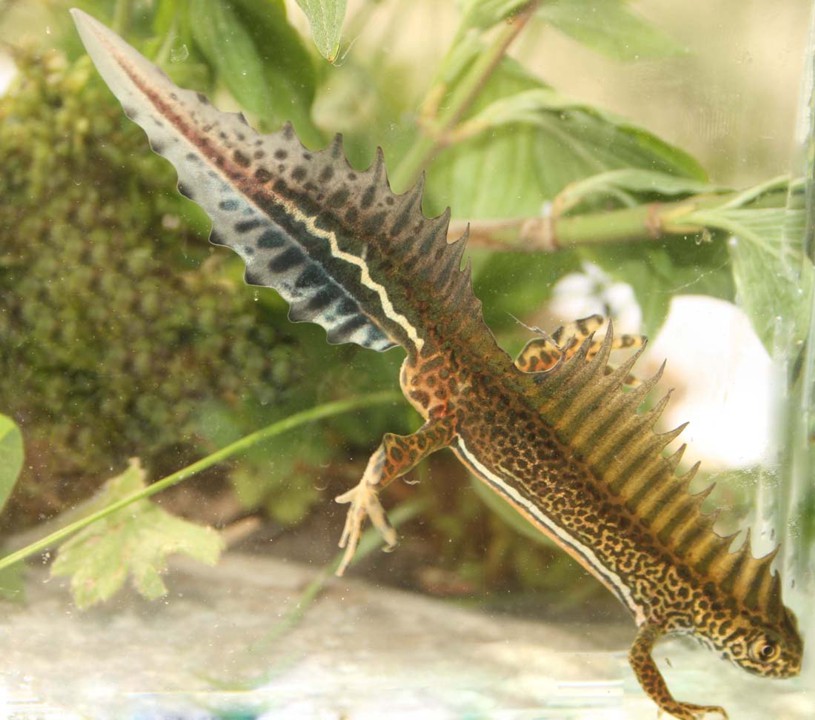
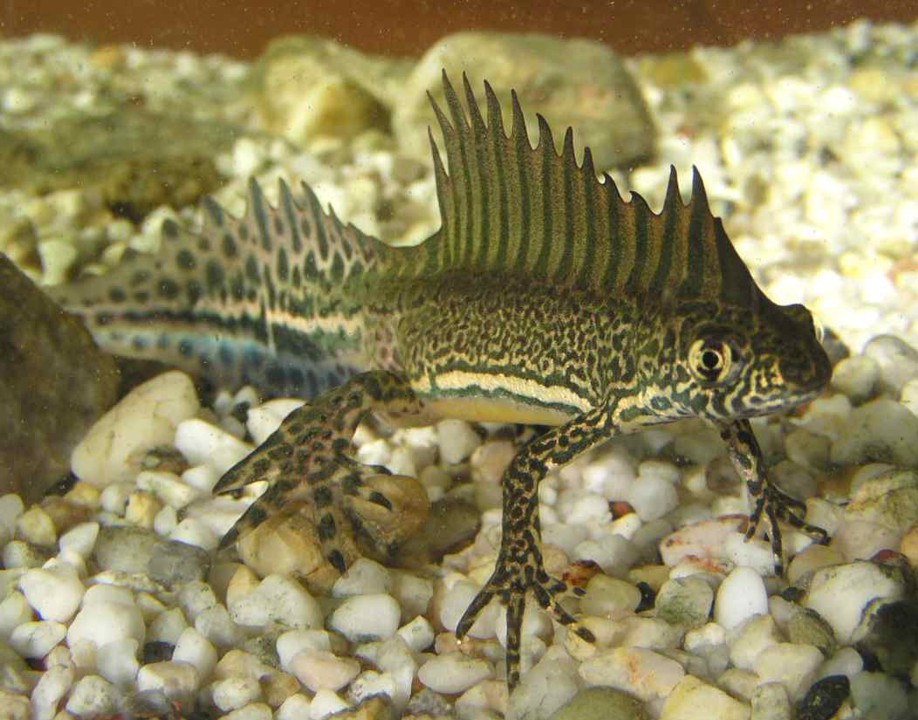
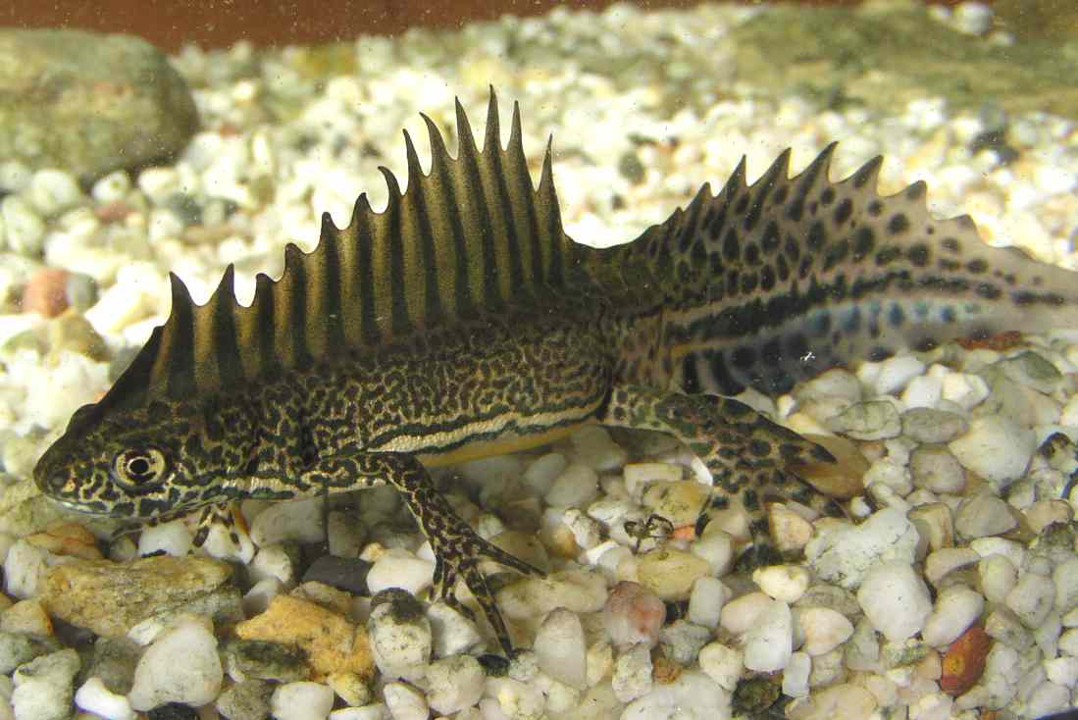
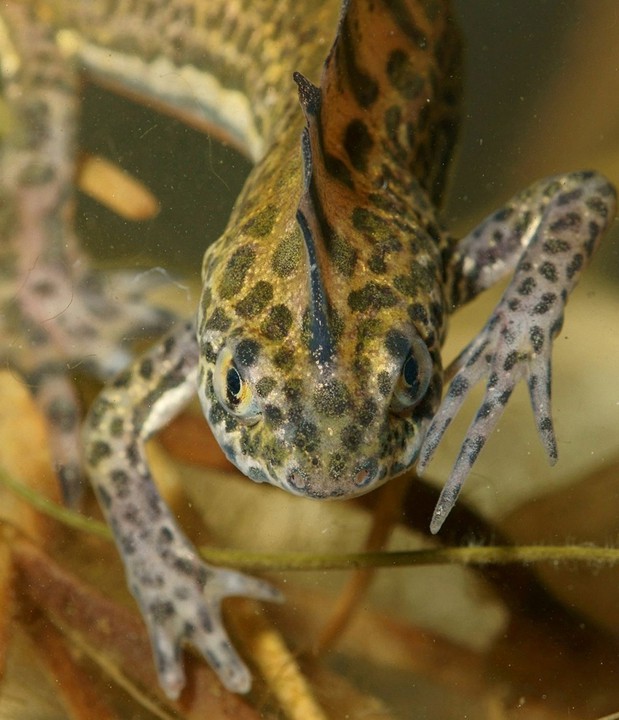
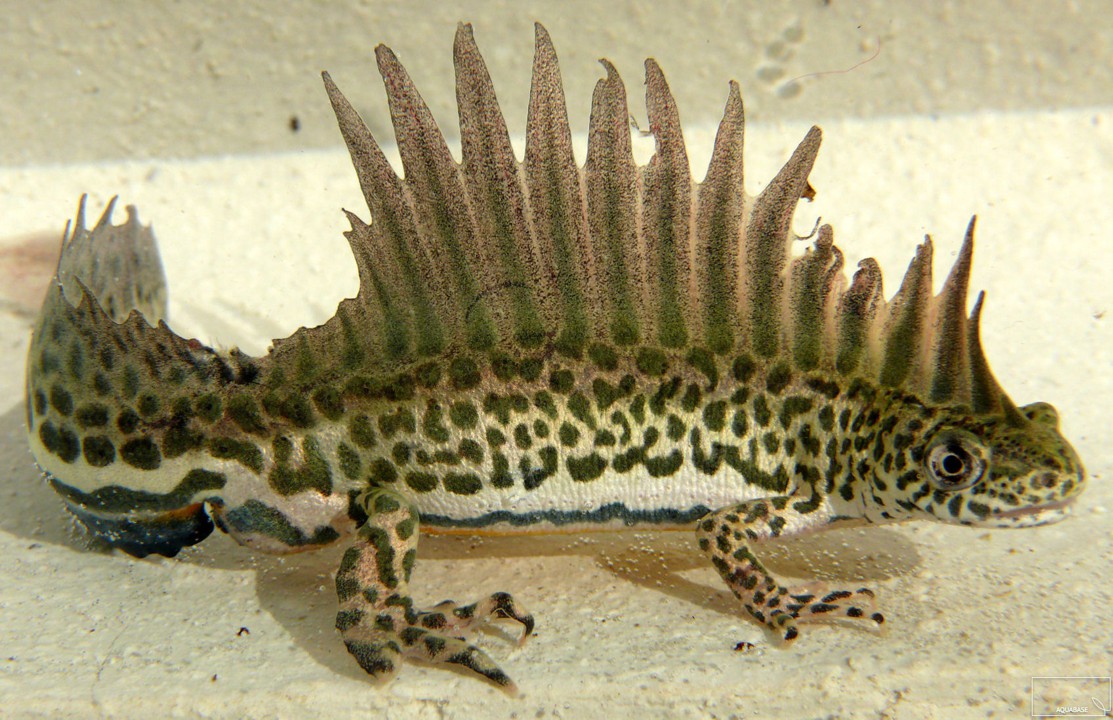
Спина и бока окрашены в коричневый или тёмно-оливковый цвета с тёмными крапинками. По бокам хвоста пятна сливаются в продольные полосы. Также по обеим сторонам хвоста проходит продольная серебристая полоса. Брюхо жёлтое, оранжевое или почти красное. У подвида O. v. vittatus на брюшке часто есть чёрные пятна. Самки окрашены более скромно, однотонно, реже с плохо различимыми тёмными пятнами. В период размножения у самцов развивается высокий (до 4,5 см) зазубренный спинной гребень, начинающийся на голове от линии глаз и проходящий через всю спину, постепенно уменьшаясь к концу туловища. У основания хвоста гребень прерывается. При развитом гребне хвост тритона по форме напоминает широкий лист. На гребне заметно выделяются примерно 14-16 поперечных тёмных полос равной ширины. Помимо гребня в брачный период у самцов расширяются плавательные перепонки на задних конечностях.
Характер
Малоазиатский тритон ведет скрытный территориальный образ жизни, который плохо изучен. Активен в сумерки и ночью. До конца не ясно, где большую часть времени проводит тритон – на суше или в воде. Очевидно, что он неплохо себя чувствует в обоих случаях. На суше он прячется под камнями, под корой деревьев или в опавших листьях в траве. На зиму впадает в оцепенение (спячка) в сентябре или октябре, зарывшись в норы или в трухлявые пни. Весной выбирается из укрытия и усиленно отъедается и греется на солнце. Меню тритона весьма разнообразно. На суше он ловит пауков, насекомых, червей и мокриц. В воде он настоящий хищник – охотится на головастиков, мелких тритончиков и ракообразных, насекомых и их личинок.
Содержание и уход
Для малоазиатских тритонов необходим террариум горизонтального типа для животных Палеарктики или акватеррариум горизонтального типа для животных Палеарктики. Минимальные размеры террариума для 1-2 особей – 40×25×20 см (20 л), без учета высоты светильника. В комнатных условиях подогревы не нужны. В акватеррариуме на поверхность воды помещают плотик. Содержать тритонов можно группой.
Грунт — гравий без острых краёв или мелкая галька. В воде должен быть обязательно установлен фильтр.
Очень желательно наличие и в воде, и на сухопутной части живых растений. Виды могут быть любыми, поскольку эти животные ведут себя в аквариуме очень интеллигентно и зелень не портят, но часть аквариумных растений должна быть с мелкими мягкими листьями — тритоны заворачивают в такие листики свою икру.
Самое главное и трудновыполнимое требование для этих животных — им нужна стабильно низкая температура воздуха и воды, для большинства видов в пределах 18-21°C. В более тёплой воде у тритонов ускоряется обмен веществ, они чаще болеют и быстрее умирают.
Для поддержания низкой температуры используют компьютерные кулеры, способные охладить воду на пару градусов, бутылки со льдом, которые постоянно меняют. Конечно, идеальным вариантом является использование специальной системы охлаждения для аквариумов (очень дорогая вещь!), а также размещение ёмкостей с амфибиями в нежилой комнате с постоянно работающим кондиционером или в прохладном подвале.
Кормление
Можно давать: мелкие мягкотелые беспозвоночные, например, земляные черви, белые слизняки, личинки большой восковой огневки, недавно полинявший хрущак мучной, гусеницы, сверчки, мухи.
Частота кормления: взрослые - молодые (растущие) - несколько раз в день.
Кормление в период размножения: усиленное - дождевые черви, мальки гуппи, мотыль, коретра и трубочник.
Минеральные подкормки/витамины: 1-2 раза в неделю корм посыпают порошкообразными витаминами, например, Repton или RepCal.
Особенности
Одной из интересных особенностей малоазиатских тритонов является крайне агрессивное поведение самцов по отношению друг к другу в период размножения.
Болезни
Тритоны подвержены практически всем заболевания присущим аквариумным рыбам. При правильном уходе и кормлении могут дожить до 15 лет.
Разведение
Подготовка: для стимуляции размножения устраивают спячку продолжительностью 8-14 недель. Откормленных производителей переселяют в аквариум с температурой воды 0-5'С. Или помещают в контейнер с влажным сфагнумом, торфом или соломой в прохладное место, например, гараж, на балкон, в нижнюю часть холодильника. Постепенное повышение температуры и увеличение продолжительности светового дня дополнительно стимулируют активность тритонов. Выведенных из спячки производителей перемещают в акватеррариум. Самцы первыми входят в воду, самки - чуть позже.
Разводной террариум/акватеррариум: акватеррариум размером 45х65х55 см (или объемом не менее 30-60 л); уровень воды 25 см; температура 18-19'С; рН 7,5-7,7; умеренное освещение; дно посыпают галькой или гравием; водные растения (валлиснерия, элодея зубчатая, людвигия, стрелолист); несколько больших камней (известняк, гранит), один из которых высовывается из воды; постоянная фильтрация и аэрация.
Соотношение самцов и самок: 1:3
Срок беременности/инкубации: 5-12 дней, в зависимости от температуры воды.
Кормление молодежи: новорожденные - инфузории, науплиусы артемии, мелкий трубочник, микрочервь, живая парамеция, дафния, циклопы; 3-месячные (вырастают в длину до 30-38 мм) энхитреусы, мелкий мотыль, коретра, измельченные дождевые черви, нимфы комаров; вышедшие на сушу тритоны - энхитреус, мотыль, ногохвостки, дрозофилы, молодые сверчки, тля, мелкие мокрицы.
Потомство: личинки начинают питаться в возрасте 4-6 дней. Необходимо, по мере роста, сортировать личинок, чтобы избежать каннибализма и обеспечить их обилием корма после метаморфоза.
Отлучение от родителей: из-за того, что тритоны могут съесть всю кладку, после икрометания икру необходимо убрать в другой акватеррариум, вода в нем должна иметь тот же состав и температуру, что и в нерестовом аквариуме.
Скорость роста: медленная, полный метаморфоз наступает в возрасте 4 месяца. Это критическое время для личинок.